Home & Violence

A collage of literary fragments about war and peace under one's own roof, about an unsafe inner world that often remains invisible, about domestic violence. Due to the intimate setting of this program, the doors closed after the start, so be on time.

Information

Date and time Friday 17 June 2022 19:45 tot 21:00 uur
Location Paard Kleine Zaal
Price 29,50
15,- (CJP, Students, Ooievaarspas)

With Manon Uphoff, Shantie Singh, Sanneke van Hassel, Raoul de Jong, Müesser Yeniay, Margijn Bosch & Meltem Halaceli
For whom is home actually home? What if your safest place isn't safe at all? Why does "domestic violence" sound like something "domestic" or even cozy? The theme Whose House is This? also requires us to discuss human violence within walls, war and peace under our own roofs, the unsafe interior world that so often remains hiden. Domestic violence, especially against women, is not a matter of isolated incidents but a societal problem. Or, like Manon Uphoff said in an interview: "They are shards that together form a mirror into which society needs to look."

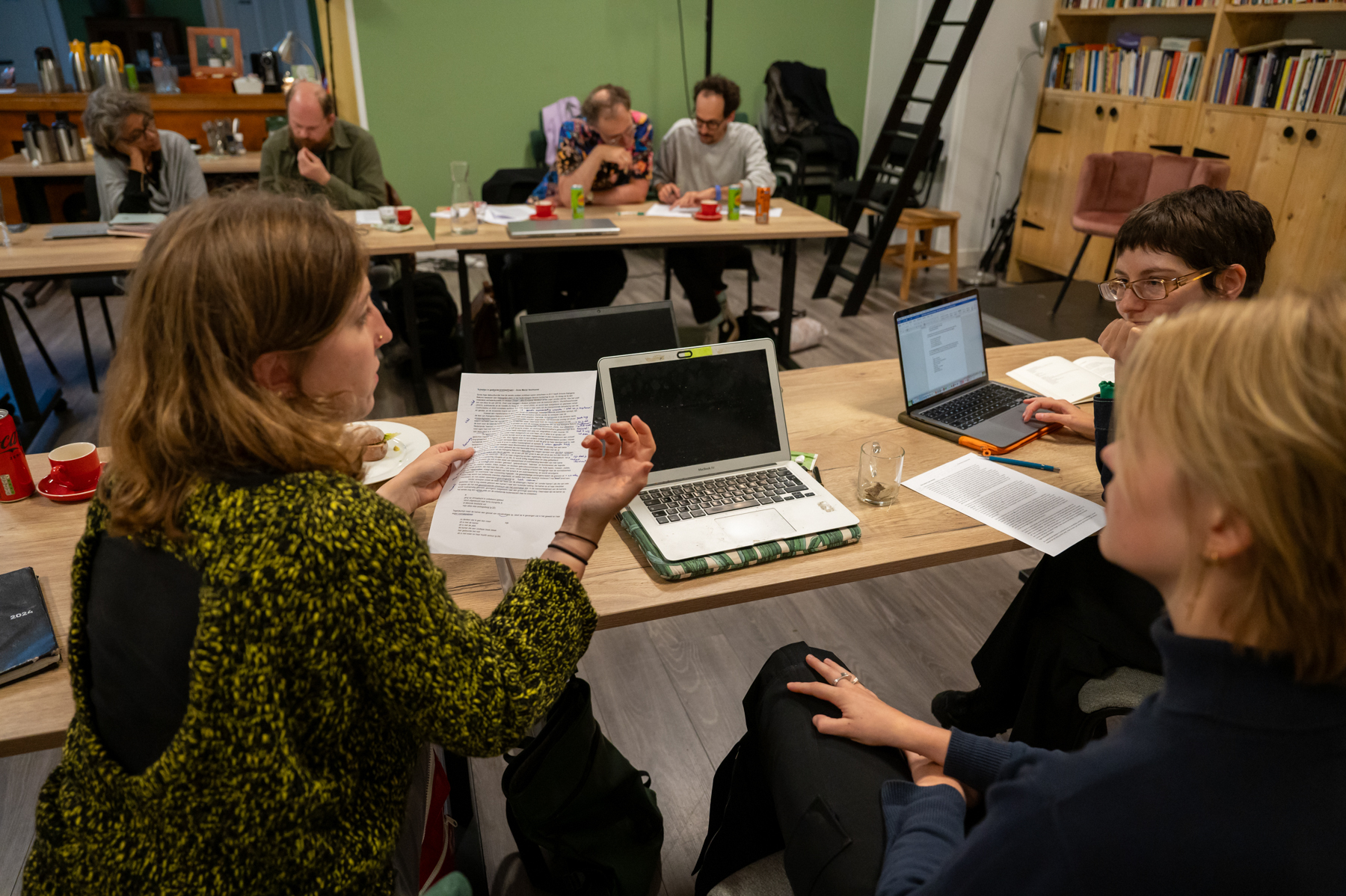
What does literature tell us about this great theme? We invited you to an initial exploration, a collage of literary texts about domestic violence. Manon Uphoff, Iris van Vliet, Shantie Singh and Sanneke van Hassel of the writers' collective Fixdit, together with Meltem Halaceli and Ellen Walraven of Winternachten, collected a large number of literary excerpts for this event.

Writers Manon Uphoff, Sanneke van Hassel, Shantie Singh, Raoul de Jong, Müesser Yeniay, Meltem Halaceli and actor Margijn Bosch read these excerpts in an intimate setting, close to the public. We read works by and sometimes also with the actual authors:
Elif Shafak, Manon Uphoff, Shantie Singh, Margaret Atwood, Rebecca Solnit, Alice Munro, Astrid Roemer, Philip Huff, A.M. Homes, Müesser Yeniay, Ronelda Kamfer and many more. And yes, this could be painful and confrontational. But this topic deserved a literary investigation and probe. What is going on in the various rooms of ever-changing houses in which it is not safe?

Dutch spoken.
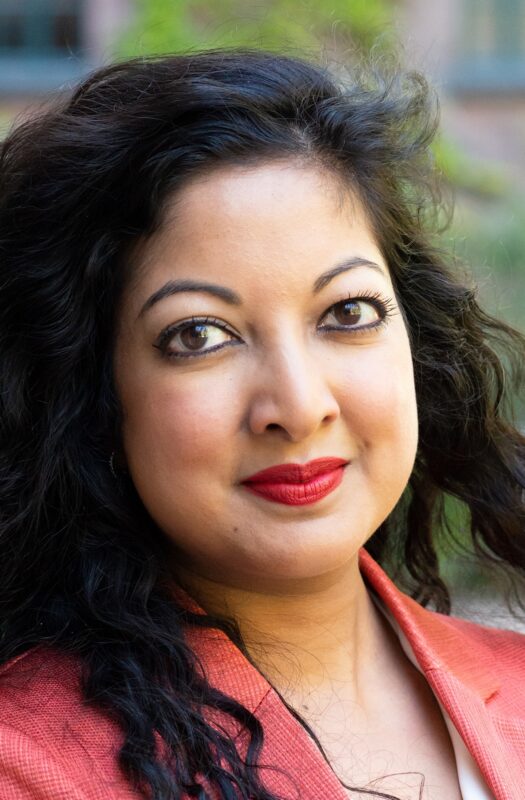
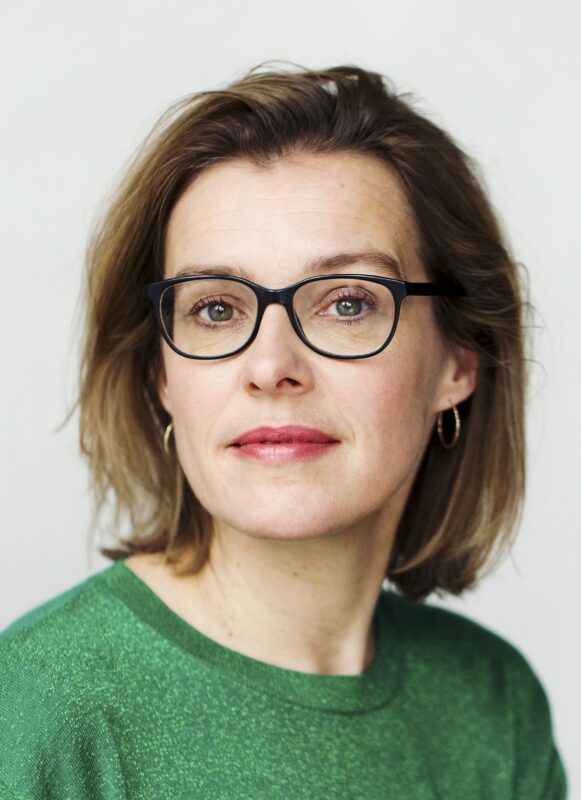
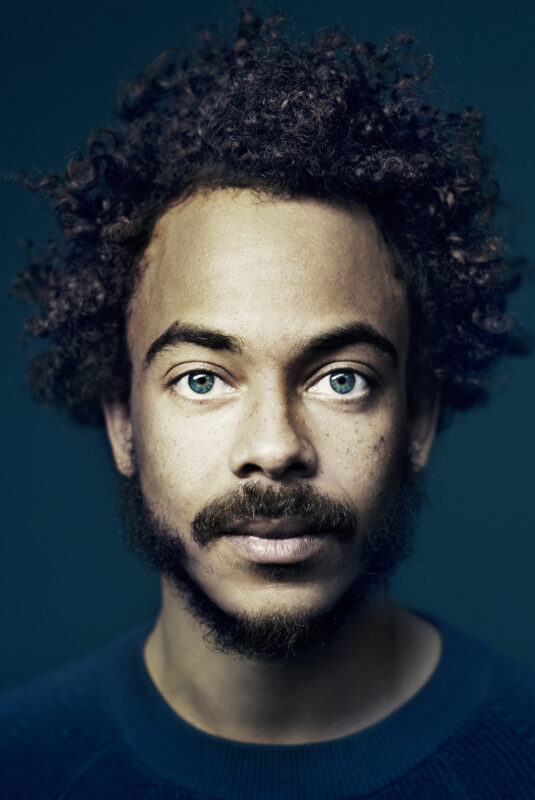
Manon Uphoff

(The Netherlands, 1962) is a Dutch writer, screenwriter and visual artist. She made her debut in 1995 with the collection of short stories Begeerte (Desire), which was nominated for the AKO Literature Prize, the Anton Wachter Prize and the ECI Prize. The title story was awarded the Rabobank Spring Prize for Literature. Her first novel Gemis (1997) was nominated for the Libris Literature Prize. Her most recent book, Vallen is als vliegen (Falling is Like Flying, 2019), was shortlisted for both the 2019 Bookspot Literature Prize and the 2020 Libris Literature Prize. The novel was named the best Dutch-language novel of 2019 by NRC Handelsblad and Humo. Uphoff was editor of the literary magazine De Revisor and board member and president of PEN Netherlands. As a screenwriter, she wrote the feature film screenplay Een Groot Geweld (Topkapi Films).
20211028115638 1

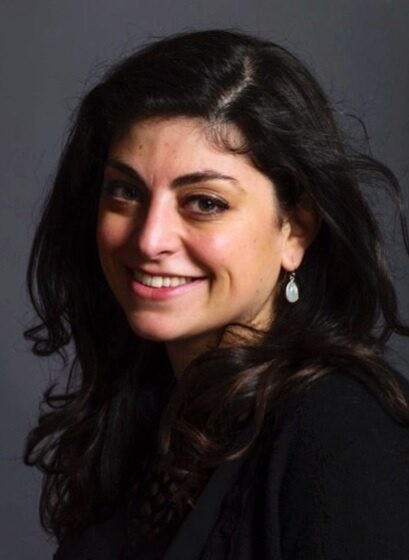
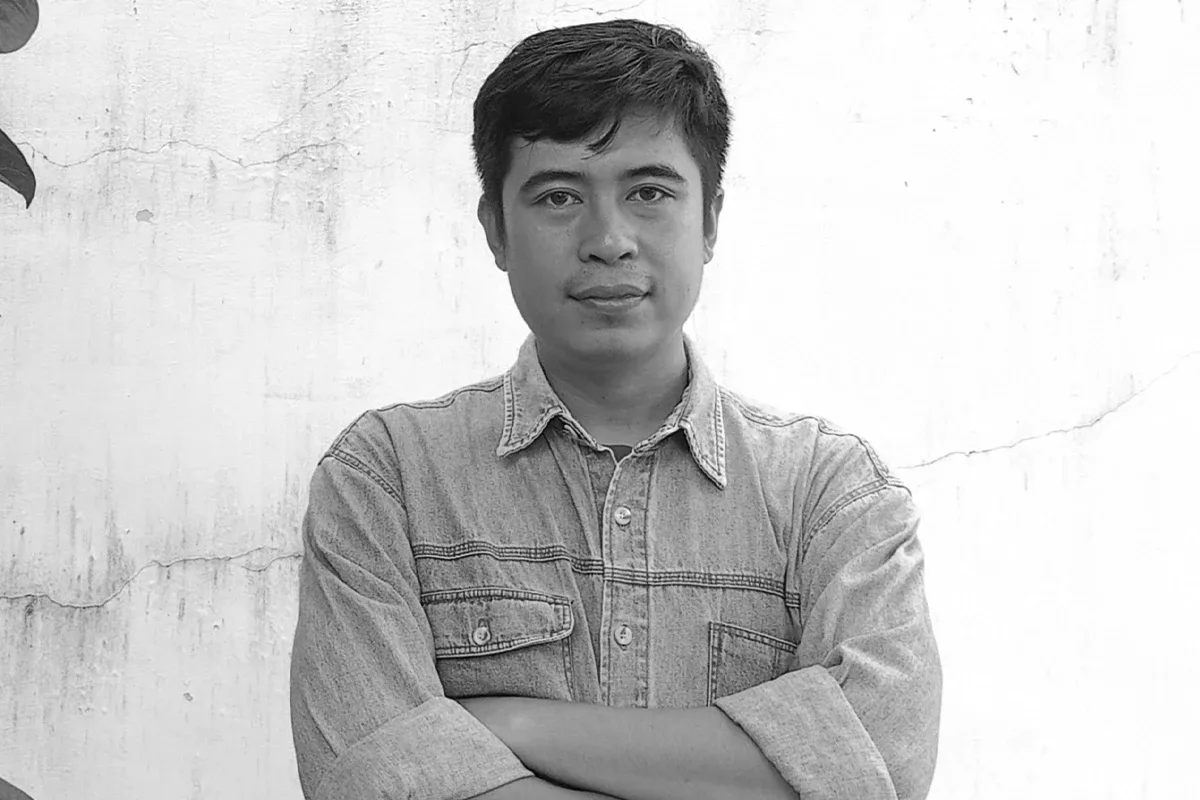
Shantie Singh

(The Netherlands, 1982) is an author, program maker, and moderator. Themes such as identity, diversity, women's rights, and emancipation are often central to her work. Her background is layered and connected to three continents in the countries of India, Suriname, and The Netherlands. She wrote about this in her debut novel Vervoering. This was followed by the novel De kier. In 2024, her non-fiction book Na de komma – Hindostanen en de erfenis van het kolonialisme (After the Comma – Hindustani People and the Legacy of Colonialism) was published, her plea for greater recognition and visibility of the Hindustani story in the Netherlands. This book inspired her theatre production Her (s)tories (2024-2025), an ode to the women from Hindustani migration history. In her De Dolle Kavita Talkshow, Shantie welcomes trailblazers (women, men, or anything in between) with a story that needs to be heard. She is also a member of the feministic writers collective Fixdit.

Go to the website of Shantie Singh
Instagram: @shantie.singh1
20211116172041 2

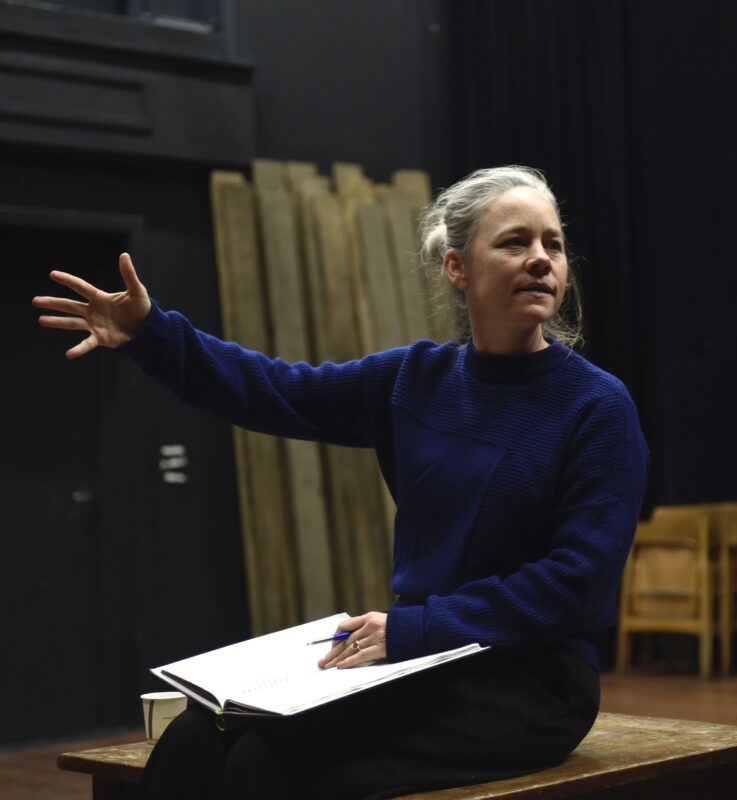
Sanneke van Hassel

(Netherlands, 1971) wrote six collections of short stories, inluding 2019's Nederzettingen (Settlements), as well as the novels Nest (2010) and Stille grond (Silent Ground, 2017). She won the 2008 BNG New Literature Prize for her early work and the 2013 Anna Blaman Prize for her oevre. Van Hassel also writes non-fiction and is a strong promotor of the short story genre; together with Annelies Verbeke she compiled the short-story anthology Naar de stad (Toward the City, 2012). Both her novels and short stories describe people struggling to get a grip on their lives. Van Hassel studied drama and cultural history, was a dramaturge with theatre company ’t Barre Land from 1996-2006, and is a member of the writers' collective Fixdit, which aims to raise awareness of gender inequality in literature and expand the literary canon with work by important female authors.

Go to website Sanneke van Hassel
Instagram: @sannekevanhassel
20211119181413 2

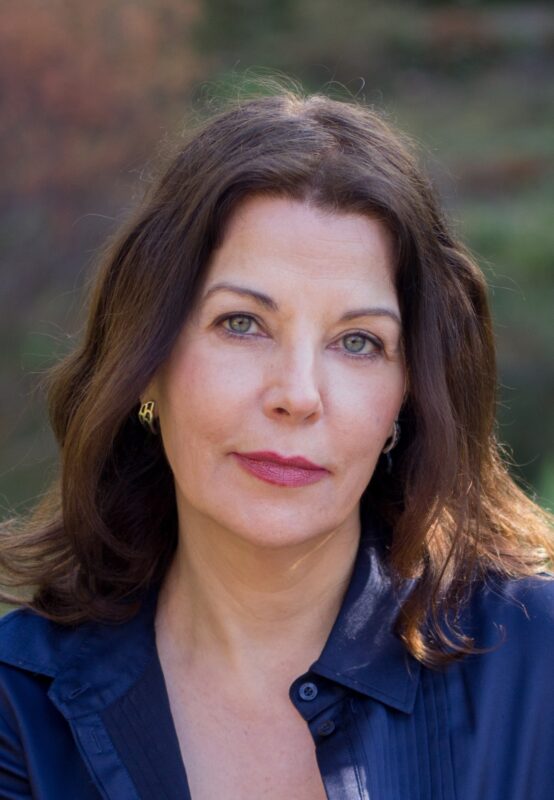
Meltem Halaceli

is a writer, feminist and programmer with a special interest in the Middle-East. Halaceli works as project manager for inclusivity at the University of Amsterdam and as a programmer for the Winternachten International Literature Festival The Hague. Her debut De vergeten geschiedenis van mijn grootvader Sulayman Hadj Ali (The Forgotten History of My Grandfather Sulayman Hadj Ali, 2015) deals with the discovery of her grandfather's memoirs. The book tells about her search for his life story, which ended in the First World War period, when he was a conscripted soldier - an era with direct influence on the present. Her poem Moederhuis (Motherhouse) won the El Hizjra Literature Prize. Halaceli has worked as a researcher and interpreter for various prominent programs of the Dutch national broadcaster VPRO. She is working on her second book.
20211103104105 1

Müesser Yeniay

(Turkey, 1984) is a writer, poet, journalist and literary translator. Her poetry has won several Turkish awards. Her books include Darkness Also Falls Ground (2009), I Founded My Home in the Mountains (translation), I Drew the Sky Again (2011), The Other Consciousness: Surrealism and The Second New (2013, on modern Turkish avant-garde poetry), Before Me There Were Deserts (2014), Modern Readings in Turkish Literature (2016), Permanent Talk with the Beloved (2017), and The Memory of Poetry: Writings on Poetics, Canon and Women (2018). She has translated the poetry of Behruz Kia, Ronny Someck, Attila F. Balazs, and Vietnamese poets Mai Van Phan and Nguyễn Quang Thiều. Her poetry has been translated and published in the USA (Mundus Artium Press, When I Slept in a Rose Petal), Hungary (AB-Art, A Rozsaszedes Szertartasa), France (Edition Bruno Doucey, Ainsi Disent-ils) India (Bodhi), Colombia (Silaba, Antes de mi Habia Desiertos), Spain (Edicion de Jaime B. Rosa, Poemas Selectos), Vietnam (Vietnam Writers’ Association, Nghi le Hai Hoa Hong Trong Vuon), Japan (Duet of Flame), and Portugal (Poesia a Sul, Conversa Permanente Com O Amado). She has been a writer-in-residence in the USA, Hong Kong and Belgium. Müesser is the editor of the literature magazine Şiirden (Of Poetry). She is currently pursuing a PhD in Turkish literature at Bilkent University in Ankara.
20220421122621 1

Margijn Bosch

(1970) has been an actor with the theatre company ’t Barre Land since 1992. She has worked with various Dutch theatre companies. Since 2012, Bosch has taught at the Utrecht theatre school (HKU), where she produces an annual play with third-year students.
20220419120840 1

Raoul de Jong

(Rotterdam, 1984) writes novels, literary nonfiction and essays in a.o. news media Vrij Nederland, Het Parool and NRC Handelsblad. For his novel Stinknegers (2006), in which the main character travels solo through West Africa, he received the Dick Scherpenzeel Prize. He also published, among others, Het leven is verschrikkulluk (2005), It's Amaaazing (2006), Miracoloso (2008), De grootsheid van het al (2013) and Dagboek van een puber (2018). In Jaguarman; Mijn vader, zijn vader en andere Surinaamse helden (2020). a mix of fiction, nonfiction and travelogue, he speaks to archaeologists, dance teachers and winti priests in Suriname, and gets to know Surinamese writers, thinkers and resistance heroes such as Anton de Kom, Papa Koenders and Bram Behr. He received the Anna Blaman Prize in 2022 for his entire oeuvre. His Boekenweekessay Boto Banja of het geheime genootschap der dansende schrijvers (Boto Banja, or: the secret society of the dancing writers) was published in 2023.
20201204134144 2

Discover

20 May 2026

Get your 2027 tickets!

Get your Early Bird tickets for the big festival nights, Friday & Saturday Night Unlimited!