Imagined Fathers

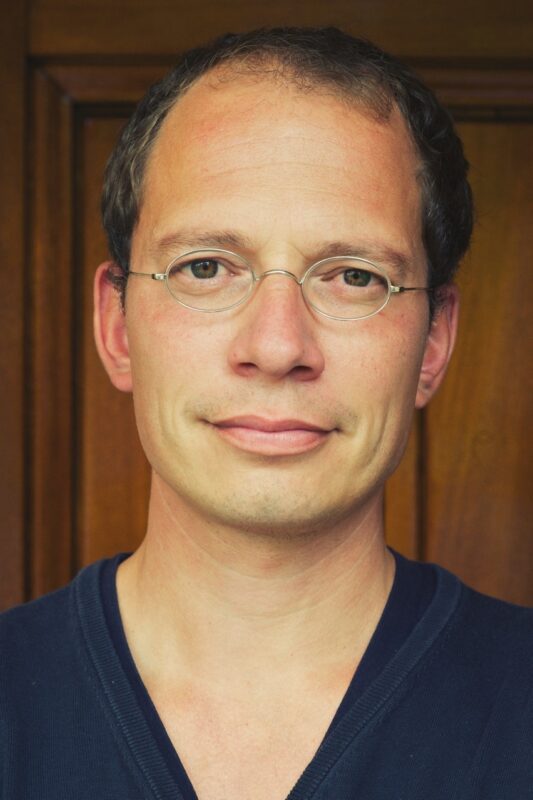
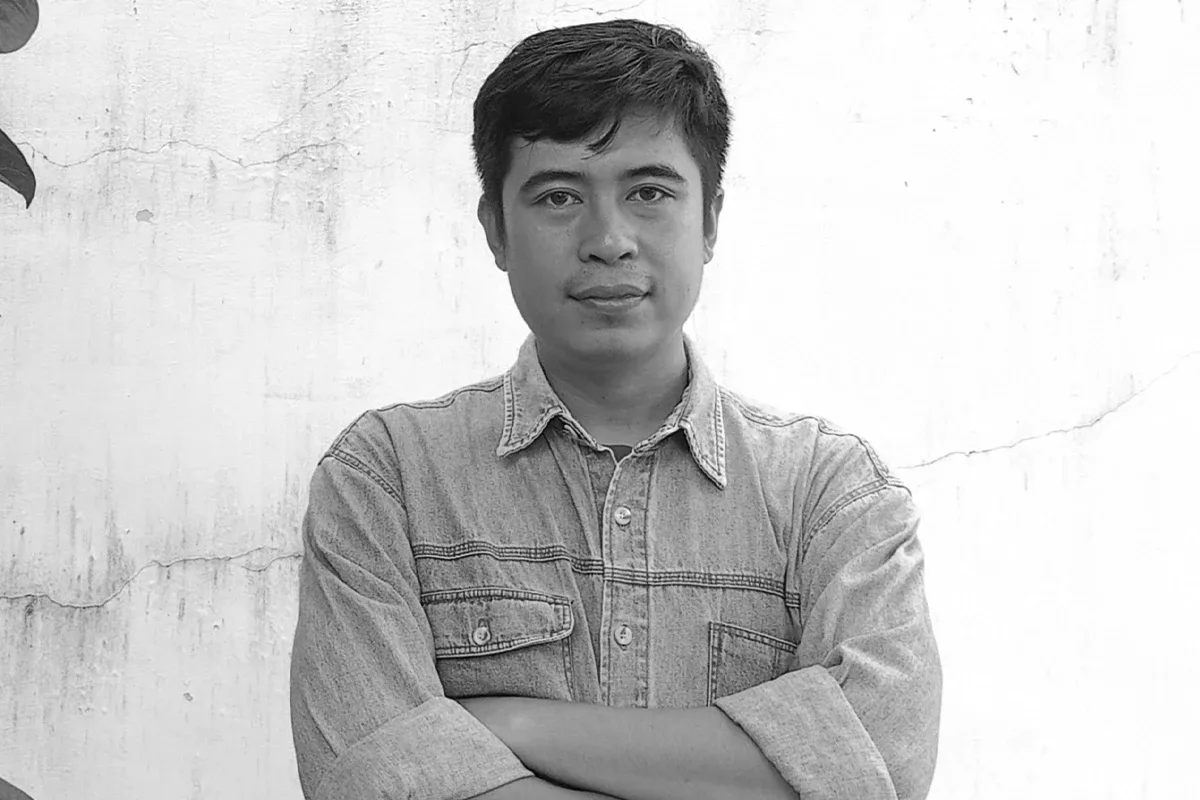
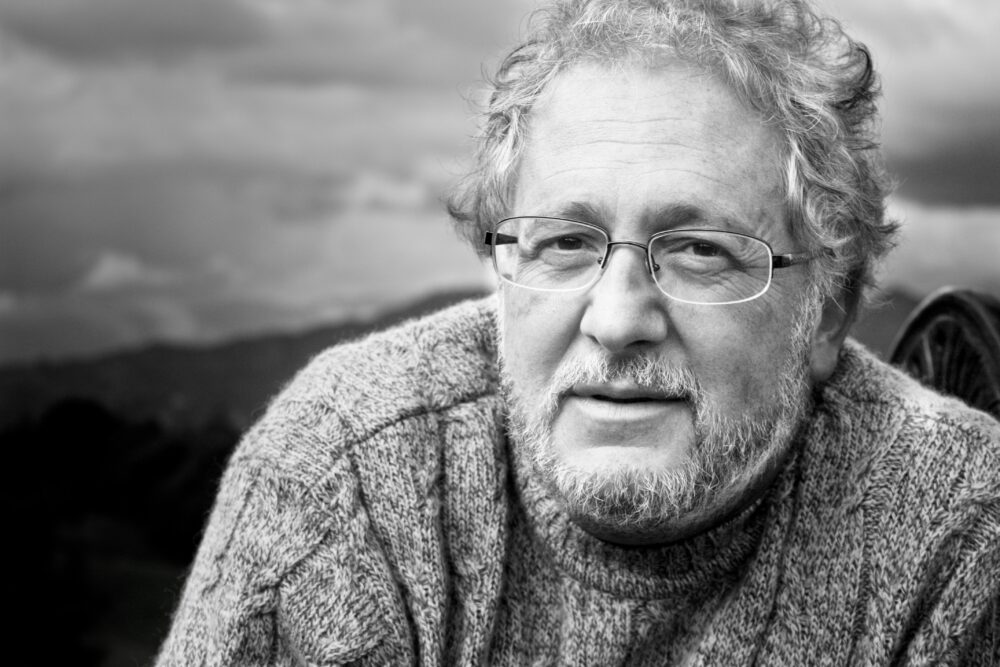
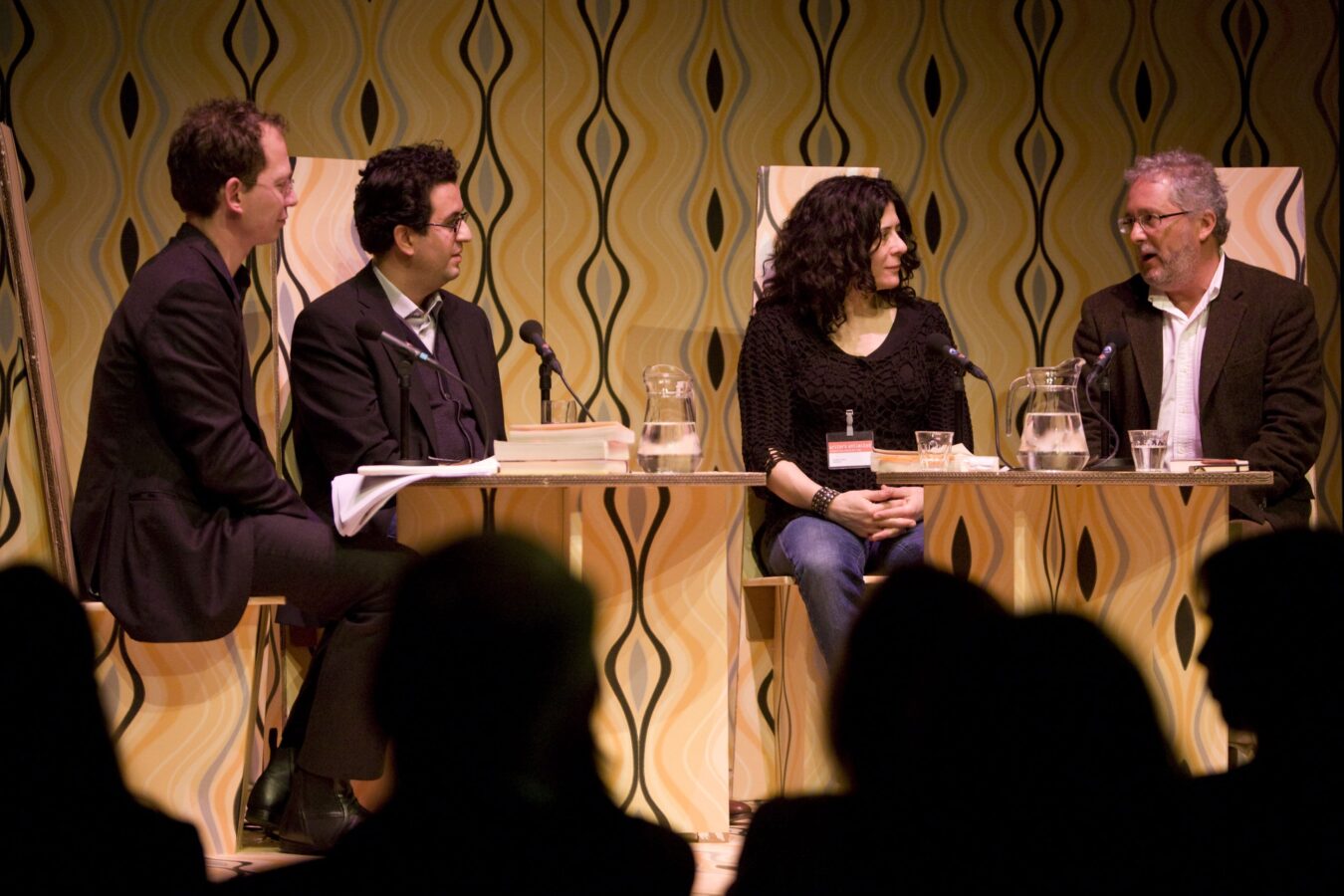
The father of Colombian writer Hector Abad was assassinated; the politically dissident Lybian father of Hisham Matar was abducted; Carolina Trujillo fled Uruguay when she was six after her father had been taken prisoner. Jasper Henderson talks to them on how they deal with these events in literature. In English.
20110124142624

Information

Date and time Friday 21 January 2011 20:00 tot 21:00 uur
Location Theater aan het Spui - kleine zaal

The father of the Colombian writer Hector Abad was killed by the paramilitary; the politically dissident Lybian father of Hisham Matar was abducted in Cairo and seems to have vanished ever since; Carolina Trujillo as a six year old fled Uruguay after her father had been taken prisoner. Jasper Henderson talks with these writers on how they deal with the interrupted relationship with their parents in literature. In English.
Hector Abad

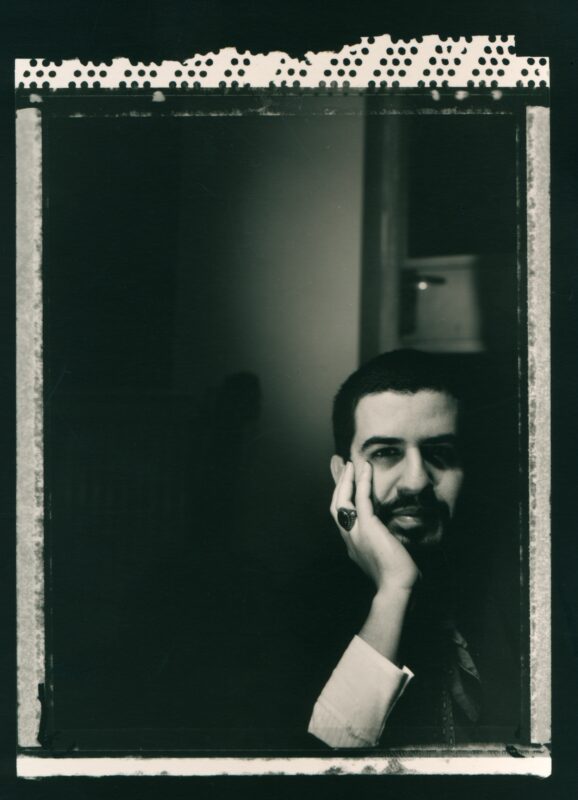
(1958, Colombia) had his international breakthrough in 2006 with The Forgetting that Awaits Us. In this book he depicts the story of his father, Abad senior, who was killed in 1987 by the Colombian paramilitary. In addition to being a portrait of Abad’s father it is a sweeping historical account of Colombia, a country which has been torn apart for decades by civil war. Abad’s father was a wise man, who fought for a peaceful society. He could never have thought that eventually he would have to pay for that struggle with his own life. Abad junior was only twelve years old when he put his first short stories and poems on paper and received the Colombian short story award at age twenty for Piedras de Silencio (Stones of silence), about a mineworker trapped deep into the ground. His first book of short stories, Malos Pensamientos (Bad Thoughts, 1991) describes life in Medellín in the 1980s. It was followed by a number of books in which he experimented with form and content. His most experimental work is Basura (Garbage, 2000) in which he plays with the interaction between reader, writer and storyteller in literature. In 2004 Angosta appeared, one of the best Latin American novels in recent years. In it Abad sketches a kaleidoscopic image of the violent nature of Colombian society. Las Formas de la Pereza y Otros Ensayos (2007) is a book on the origins and expressions of idleness. Abad’s hypothesis is that idleness is not a luxury but the ‘original condition of human existence’ from which all human creation emanates. Héctor Abad studied medicine, philosophy and literature in Mexico, Colombia and Turin, Italy. After his father’s assassination he himself received death threats and fled to Europe, to Spain and Italy, where he lived and worked. In addition to being a writer Abad is a translator and a journalist for Spanish and Latin American newspapers and magazines. His books have been translated into English, Italian, German, Greek, Portuguese, Chinese and Dutch.
20100721151743

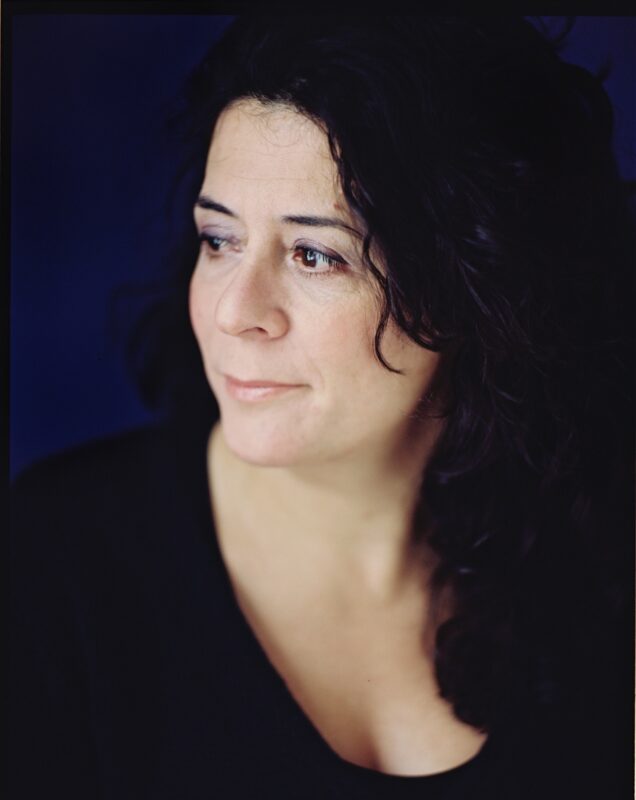
Carolina Trujillo

(Montevideo, 1970) in her novels deals with the big issues of South America, the continent where she was born. Trujillo came to the Netherlands at age six. After the end of military rule she returned to her fatherland at age fifteen. There her first novella in Spanish was published and awarded a prize. She returned to the Netherlands to study at the Amsterdam film school. In 2002 her Dutch debut followed, De Bastaard van Mal Abrigo (The Bastard of Mal Abrigo), about two little boys from a poverty-stricken cocaine village, who eventually become president and minister of defence. This time she won the Marten Toonder/Geertjan Lubberhuizen prize. De terugkeer van Lupe García (The Return of Lupe García, 2009) is about a woman returning to her native country in South America to make a documentary about the guerrilla struggle there. This novel was nominated for the AKO Literature Prize and won the BNG Literature Prize. In 2014 she published De zangbreker, and her latest book Vrije radicalen (Free radicals) will appear January 2017.
20110111134841

Hisham Matar

(New York, 1970) made an instant name for himself internationally in 2006 with his debut, the novel In the Country of Men, nominated for the Man Booker Prize and the Guardian First Book Award. It is a gripping story about a boy who at an early age gets into contact with the cruel and fearful life in the Libya of Gadaffi. The debut novel was translated into 26 languages and won six international literary awards including the Commonwealth Writers' Prize. Matar draws from personal experience. The son of a Libyan diplomat, Matar lived in the US for three years before returning to Tripoli. In 1979 the Gaddafi regime accused his father of subversive activities and the family had to leave Libya. The family lived in exile in Cairo for a number of years, where Matar finished his secondary school. He then left for London to study architecture. In 1990 his father was abducted in Cairo and disappeared without a trace. Essays by Matar have appeared in among others The Independent, The Guardian, The Times and The New York Times. A new novel by Matar, Anatomy of a Disappearance will be published in March 2011 in the UK.
20101108102023

Jasper Henderson

(Amsterdam, 1972) while still a student of Dutch language and literature set up Bunker Hill with some friends. This literary magazine attracted attention because of its pert approach and was incorporated by publishing house Thomas Rap. Henderson is a literary all-rounder. For many years he was active as an editor with De Bezige Bij/Thomas Rap, Nijgh & Van Ditmar and Nieuw Amsterdam Publishers, as well as being an editor of the literary pop magazine WAHWAH. This year he settled as an independent editor and writer. He writes reviews for the daily paper Het Parool and De Poëziekrant and writes for the Dutch weekly De Groene Amsterdammer, among others. In addition he is a literary scout for De Bezige Bij/Thomas Rap and takes charge of the ‘backoffice’ of the Amsterdam City Poet, F. Starik. Henderson regularly hosts literary events.
20101117094753

Discover

20 May 2026

Get your 2027 tickets!

Get your Early Bird tickets for the big festival nights, Friday & Saturday Night Unlimited!