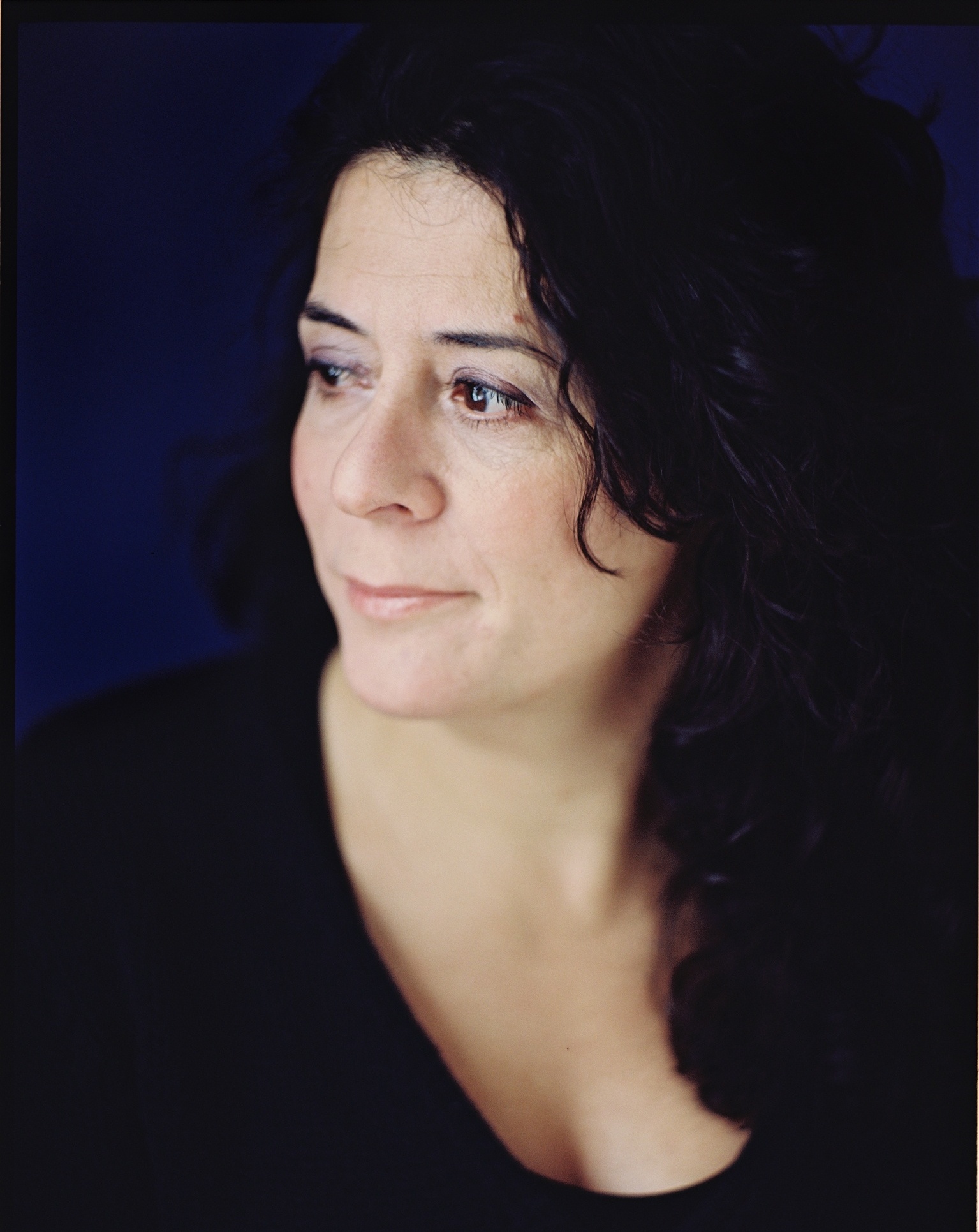
Carolina Trujillo
(Montevideo, 1970) in her novels deals with the big issues of South America, the continent where she was born. Trujillo came to the Netherlands at age six. After the end of military rule she returned to her fatherland at age fifteen. There her first novella in Spanish was published and awarded a prize. She returned to the Netherlands to study at the Amsterdam film school. In 2002 her Dutch debut followed, De Bastaard van Mal Abrigo (The Bastard of Mal Abrigo), about two little boys from a poverty-stricken cocaine village, who eventually become president and minister of defence. This time she won the Marten Toonder/Geertjan Lubberhuizen prize. De terugkeer van Lupe García (The Return of Lupe García, 2009) is about a woman returning to her native country in South America to make a documentary about the guerrilla struggle there. This novel was nominated for the AKO Literature Prize and won the BNG Literature Prize. In 2014 she published De zangbreker, and her latest book Vrije radicalen (Free radicals) will appear January 2017.
Past events
Ideology as an Act of Fiction
Writers are more likely to take up the pen than the sword in order to fight injustice. Fiction becomes their ideological act.
Wanna Know a Secret?
A new generation of authors: Tahmina Akefi (NL/Afghanistan), Özcan Akyol (NL/Turkey), Daad Kajo (NL/Syria), Martijn Knol, Richard de Nooy (NL/South Africa), Carolina Trujillo (NL/Uruguay) and Joost de Vries read mysterious passages from their recent books. Hosted by Andrew Makkinga (NL/Uganda). In Dutch.
Imagined Fathers
The father of Colombian writer Hector Abad was assassinated; the politically dissident Lybian father of Hisham Matar was abducted; Carolina Trujillo fled Uruguay when she was six after her father had been taken prisoner. Jasper Henderson talks to them on how they deal with these events in literature. In English.