Ideology as an Act of Fiction

Writers are more likely to take up the pen than the sword in order to fight injustice. Fiction becomes their ideological act.
20161114162938 1

Information

Date and time Saturday 21 January 2017 21:45 tot 22:55 uur
Location Theater aan het Spui - Zaal 2

Writers are more likely to take up the pen than the sword in order to fight injustice. Fiction becomes their ideological act. In The Underground Railway, the American Colson Whitehead gives a voice to Cora the slave in the so-called land of the free. Bolivian Rodrigo Hasbún writes about the daughter of a Nazi who becomes a guerrilla fighter in South America. Romanian Mircea Cărtărescu's characters groan under the communist yoke and escape into literature and the past, while Dutch writer Carolina Trujillo describes an underworld of drugs and dealers in Montevideo, Uruguay, where a former guerrilla was president until 2015. Moderator: Judith Uyterlinde.
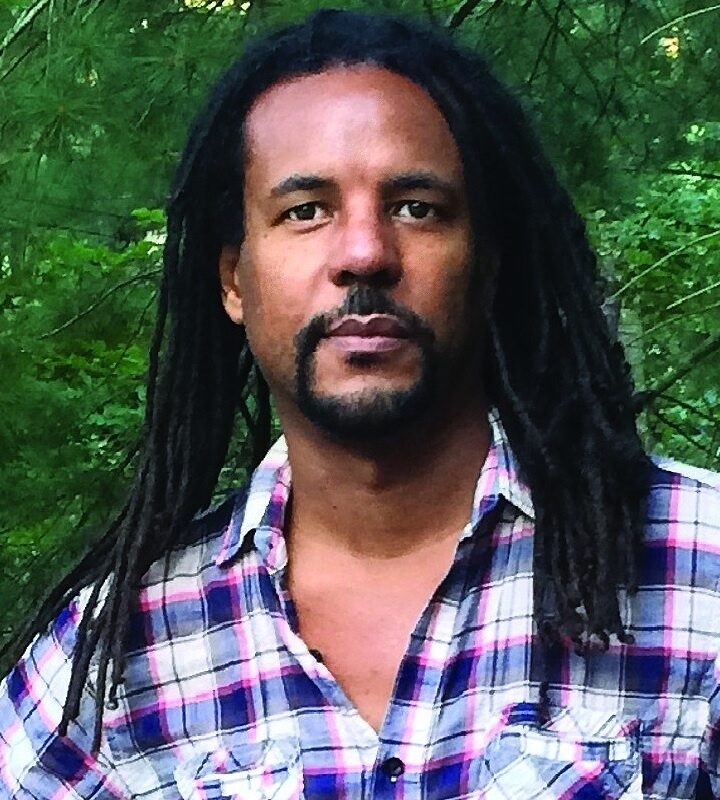
Colson Whitehead

(New York, 1969) is seen as one of the most ambitious, ground-breaking contemporary American writers. His latest novel, The Underground Railway, was chosen for Oprah Winfrey's 2016 Book Club Selection. Obama put it on his summer reading list. November 2016 Whitehead received the National Book Award, the most prestigious American literary prize, for his novel. The book is Whitehead's alternative history of slavery in America. Slave Cora flees via the Underground Railway (a clandestine network of anti-slavery activists) to the free north as a macabre Alice in Wonderland. The New York Times drew wrote that the book helps not only to understand America's past but also contemporary times. Whitehead debuted in 1999 with The Intuitionist, named the best novel of the year by Esquire magazine. Besides six novels, he has also written two non-fiction books, and regularly writes for The New York Times, The New Yorker, Granta and Harper's.
20161114162104 1

Judith Uijterlinde

(The Netherlands, 1962) is a writer, literary journalist, publisher and, since 2023, director of Writers Unlimited. Her autobiographical debut The Baby Void – My Quest for Motherhood (2001) was an international success and has been published in more than 20 countries. De vrouw die zegt dat ze mijn moeder is (The Woman Who Claims She's My Mother, 2010) recounts adoption in a family history set against the backdrop of World War II. Uyterlinde worked as editor and publisher for several literary publishers, including De Bezige Bij and J.M. Meulenhoff. Between 2007 and 2015, she was also associated with Writers Unlimited, first as a producer and later as the festival's event coordinator. Since 2017 she has been publisher/director at World Editions, specializing in English-language translated literature from around the world. For the Amsterdam Public Library, she runs the Literary Salon, and for Women Inc., the literature series Read My Lips. She coordinated the literary part of the Guest of Honour program presenting Dutch and Flemish literature at the 2016 Frankfurt Book Fair.
20230207111823 1

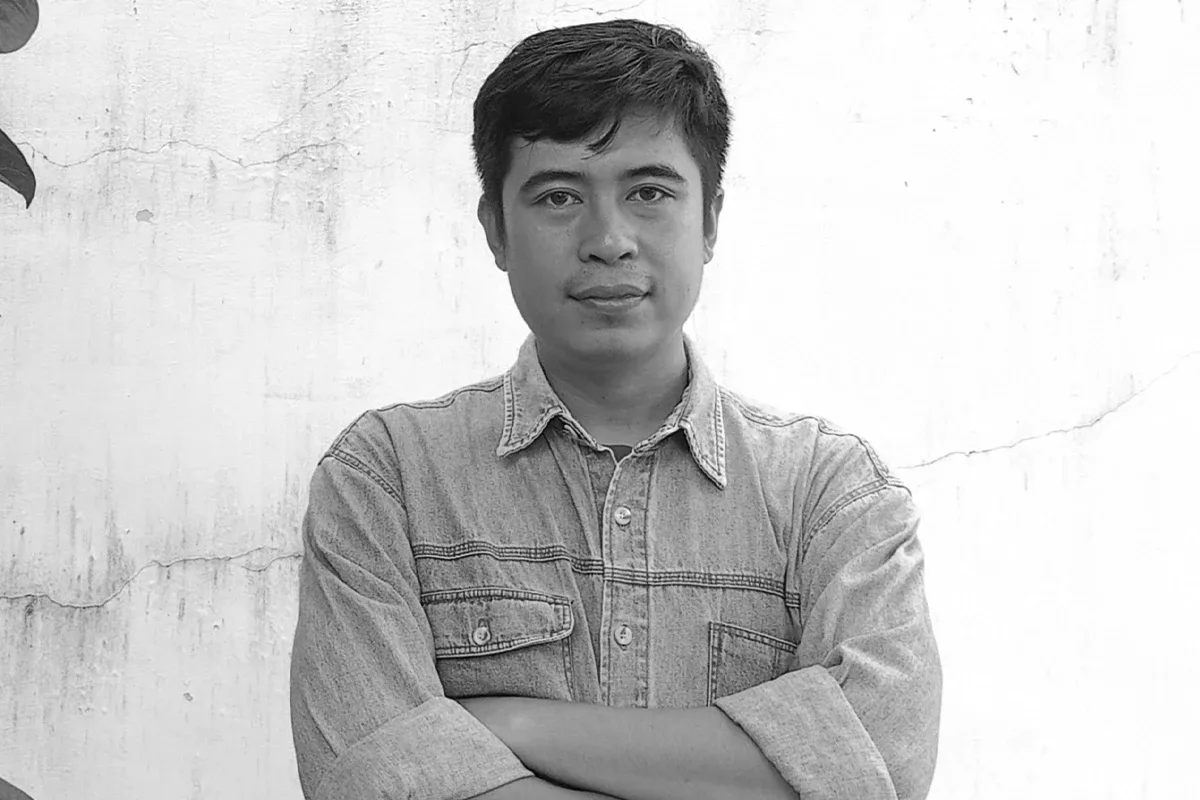
Rodrigo Hasbún

(Cochabamba, 1981) is a Bolivian writer considered a major talent in Latin American literature. Hasbun's international breakthrough came in 2015 with his second novel Los afectos, which won him a PEN Award. In 2016 the novel appeared in Dutch translation with the title Woeste jaren (Savage Years). It's a gripping story partly based on fact about an eccentric nazi family living in Bolivia in the fifties and sixties.  Before he started writing, Hasbun was a guitarist in a grunge band; he says that music taught him the importance of rhythm to a good book. He debuted in 2006 with the story collection Cinco, an immediate smash success. One of its stories was made into a film and another reworked for the theatre.
20161114162938 1

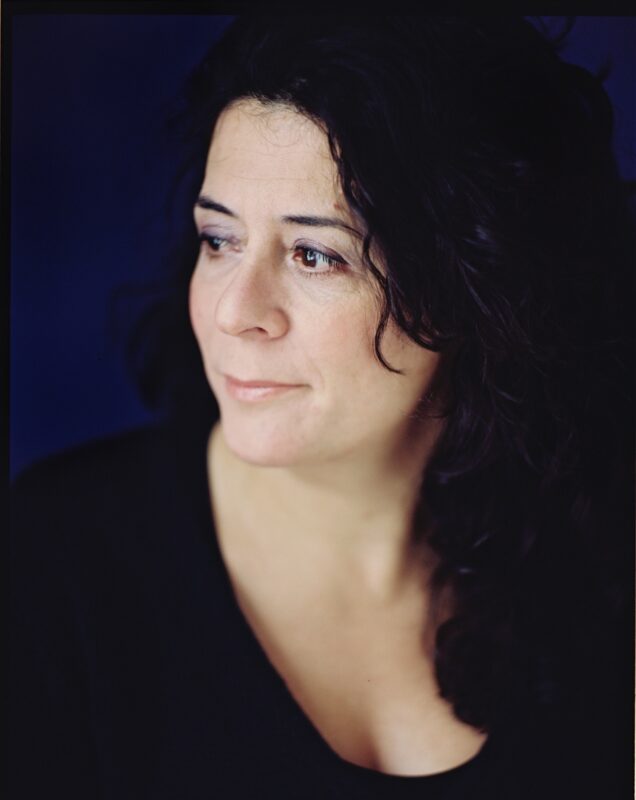
Carolina Trujillo

(Montevideo, 1970) in her novels deals with the big issues of South America, the continent where she was born. Trujillo came to the Netherlands at age six. After the end of military rule she returned to her fatherland at age fifteen. There her first novella in Spanish was published and awarded a prize. She returned to the Netherlands to study at the Amsterdam film school. In 2002 her Dutch debut followed, De Bastaard van Mal Abrigo (The Bastard of Mal Abrigo), about two little boys from a poverty-stricken cocaine village, who eventually become president and minister of defence. This time she won the Marten Toonder/Geertjan Lubberhuizen prize. De terugkeer van Lupe García (The Return of Lupe García, 2009) is about a woman returning to her native country in South America to make a documentary about the guerrilla struggle there. This novel was nominated for the AKO Literature Prize and won the BNG Literature Prize. In 2014 she published De zangbreker, and her latest book Vrije radicalen (Free radicals) will appear January 2017.
20110111134841

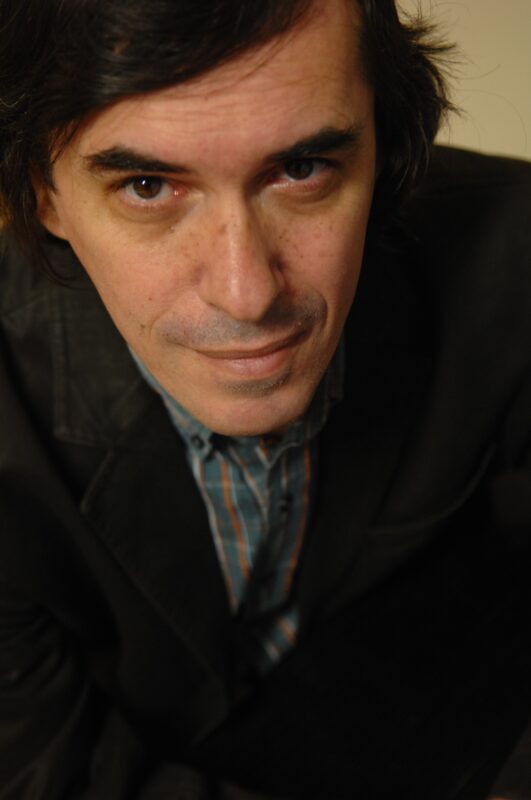
Mircea Cărtărescu

(Bucharest, 1956) is considered the greatest contemporary Romanian writer. His novel The Knowers is part one of the semi-autobiographical Orbitor trilogy that has been wholly translated into Dutch. In it, the writer transports us to the bygone world of his mother's ancestors - Romanianized Bulgarians, full of "ancient, pre-Christian terror." Part two, The Trophy, is set during the bombings of World War II and the Russian invasion. Part three, The Vast Mausoleum, describes the great changes that took place during the revolution in Romania. Cărtărescu's books form a chain of stories that link up by association, told in rich language. Reality alternates with magic. With its stormy streams of thought and crazy ideas, this saga elicits comparisons with James Joyce's Ulysses and Gabriel García Marquez's One Hundred Years of Solitude

20151019112734 1

Discover

20 May 2026

Get your 2027 tickets!

Get your Early Bird tickets for the big festival nights, Friday & Saturday Night Unlimited!