Ghost Writing

Ahmad al-Aidi and Dimitri Verhulst wrote a story responding to existing images of fear of 'the Arab' or ‘the westerner’. Nelleke Noordervliet talks with them. Cartoonist Willem reacts on the stories. In English.
20080206093154

Information

Date and time Friday 18 January 2008 20:00 tot 21:00 uur
Location Theater aan het Spui - grote zaal

In this opening programme two well-matched authors perform: Flemish writer Dimitri Verhulst and Egyptian writer Ahmad al-Aidi. The speed in their prose is breathtaking, the use of language direct and the humour disturbingly sharp. For Winternachten they each wrote a story in which they respond to existing images of fear of ‘the Arab’ and ‘the westerner’ respectively. After no doubt a beguiling read by the two, Nelleke Noordervliet will talk to them about literary intimidation and the limits they draw themselves. Famous cartoonist Willem (Le Monde, HP/De Tijd, Vrij Nederland) reacts with pencil on the stories. Ahmad al-Aidi's novel ‘I am Abbaas al-Abd’ will be presented. In English.

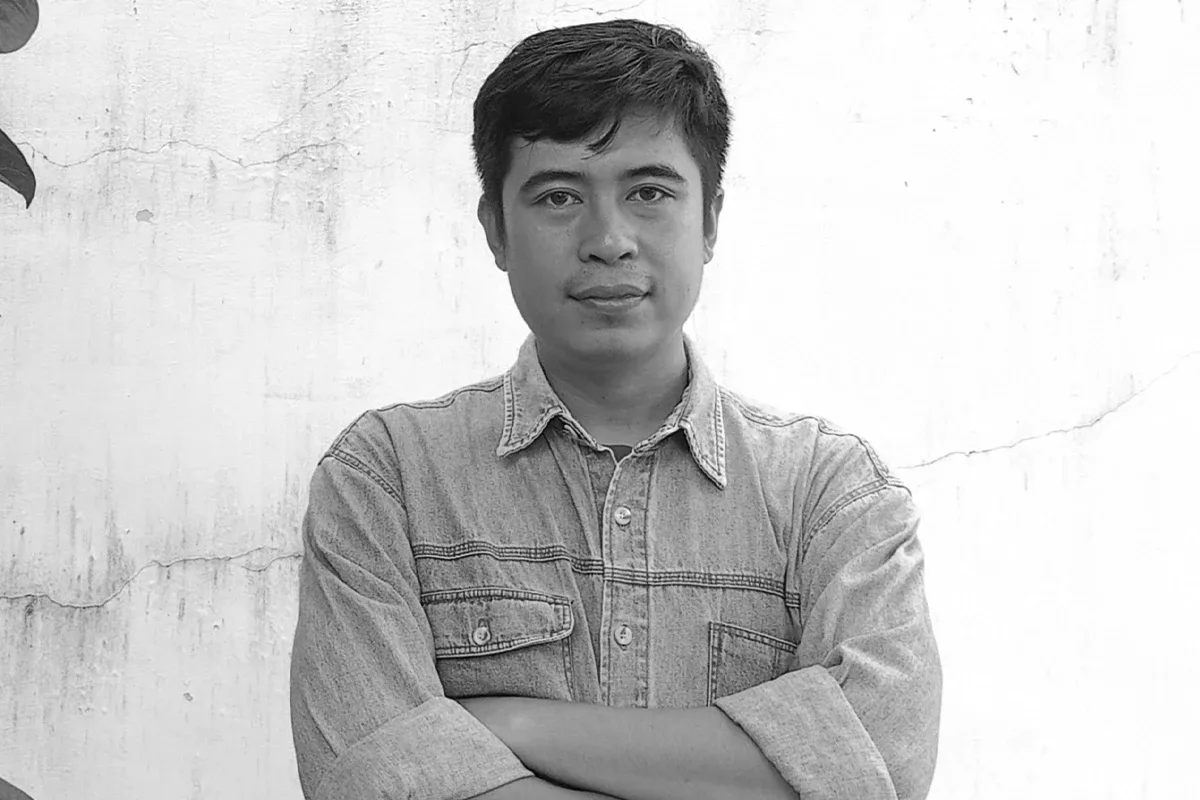
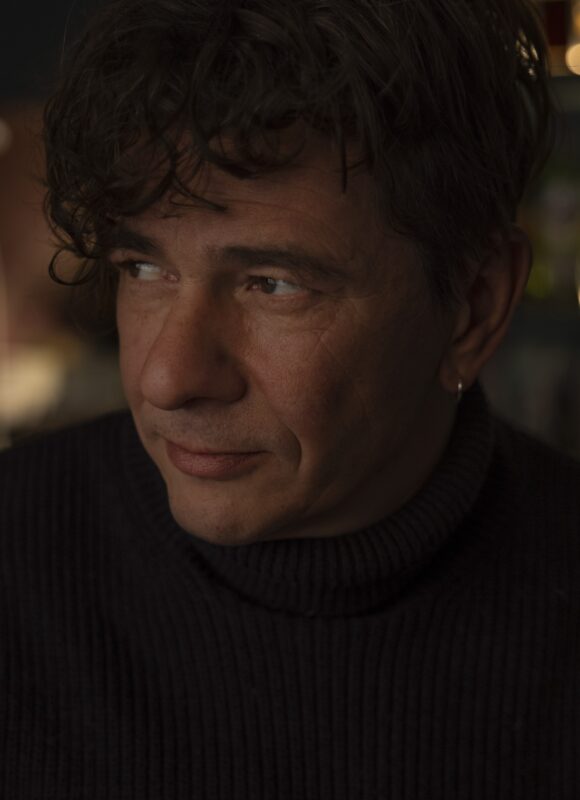
Dimitri Verhulst

(Belgium, 1972) has written an extensive body of novels, stories, novellas, poetry and plays. His work has been published in more than 20 languages. He is known for his sharp, humorous, and unvarnished writing style. His big breakthrough came in 2006 with The Misfortunates, an autobiographical sketch of a Flemish suburb that spawned a screen adaptation. Godverdomse dagen op een godverdomse bol (Goddamned Days on a Goddamned Ball, 2008) depicts the history of mankind in 200 pages and won the Libris Literature Prize. De pruimenpluk (The Plum Harvest, 2019) is Verhulst's homage to failing humanity. Onze verslaggever in de leegte (Our Reporter in the Void, 2020) is a painfully honest book in the tradition of Jeroen Brouwers and Charles Bukowski, showing us a writer as he does not want to be seen. Recently published novels are Hebben en zijn (2022), about a rehab clinic to kick the habit of life, and Bechamel Mucho (2024), about Alex, an entertainer at a club hotel in Mallorca.

Instagram: @dimitrivh
20251030094600 2

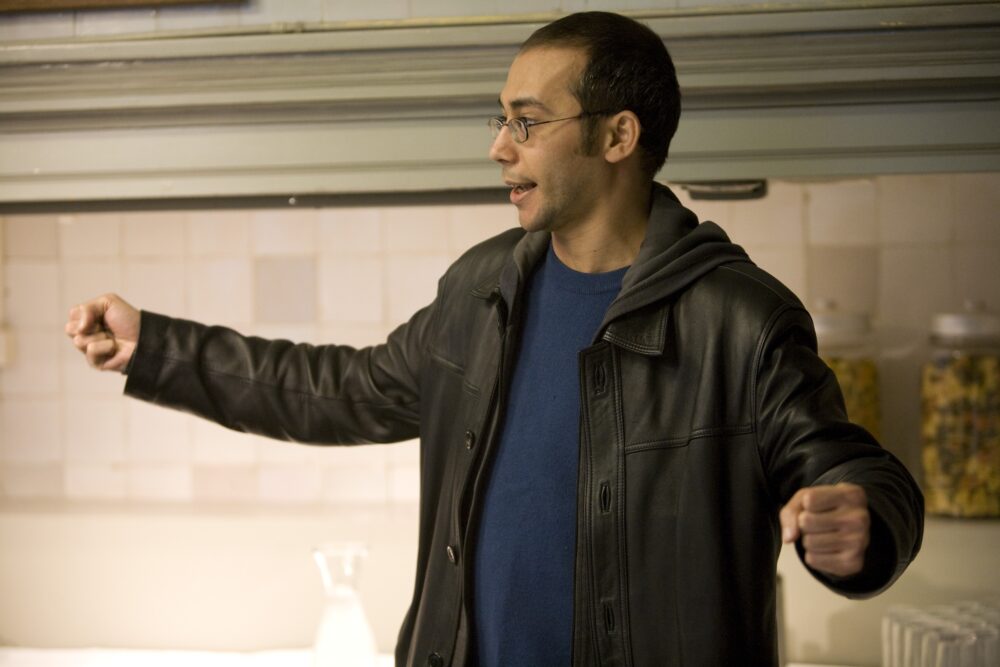
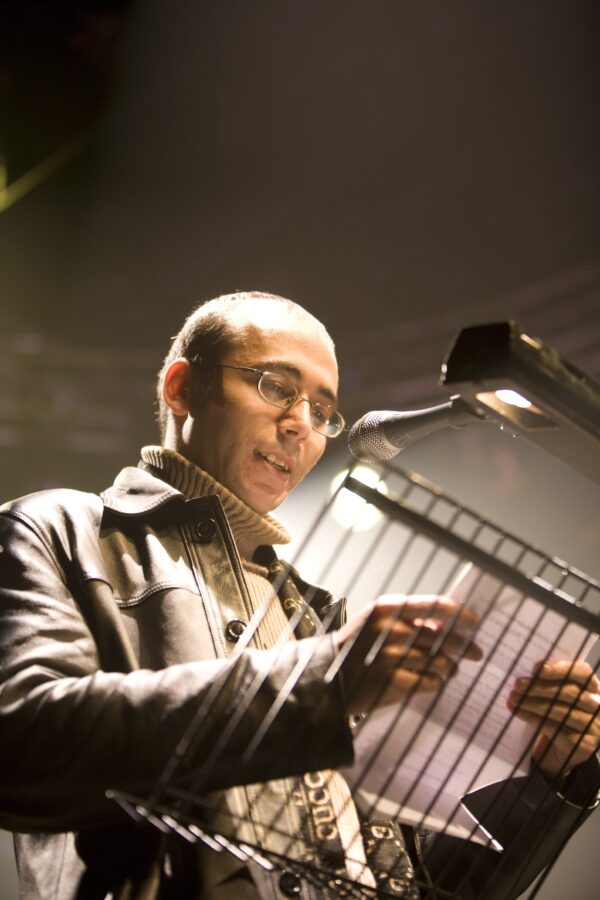
Ahmed Alaidy

(1974, Saudi Arabia) is an up-and-coming Egyptian writer. In 2003 he published his first novel, An Takoun Abbas El Abd (Being Abbas El Abd), which appeared in English in 2006. The book will be published in a Dutch translation and launched at Winternachten (publishing house De Geus). In his novel Alaidy combines street language with classical Arabic. According to Humphrey Davies, the English translator of the book, this results in “a disorienting sense of a breakdown of borders.” The Egyptian weekly Al-Ahram wrote enthusiastically: “The millennial generation’s most celebrated literary achievement.” In addition to being a novelist Alaidy is a cartoonist. He writes politically orientated cartoons for the Egyptian weekly al-Dostour. He is also a scriptwriter for various tv programmes and films and a graphic designer.
20080122101345

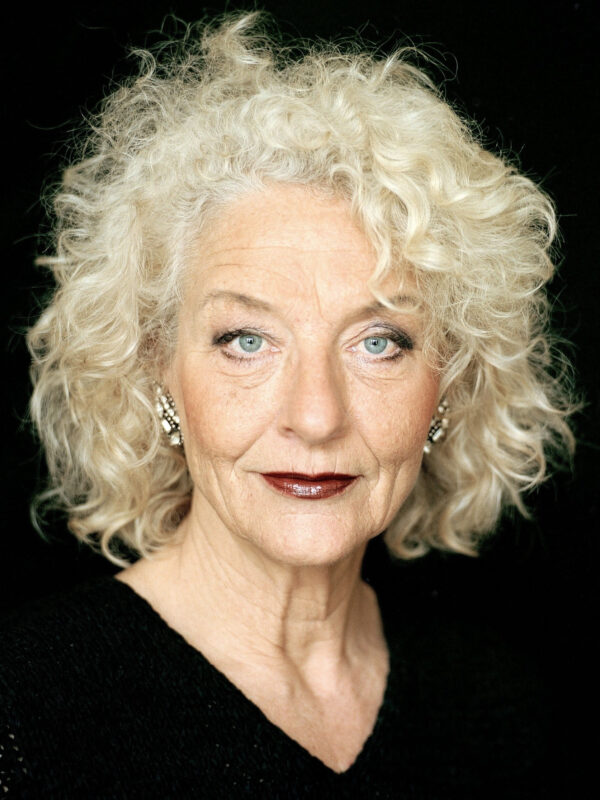
Nelleke Noordervliet

(Netherlands, 1945) writes novels, stories, essays, lectures and columns with a strong historical bent. She debuted with 1987's Tine of de dalen waar het leven woont (Tine, or the Valleys Where Life Lives), a fictitious biography of 19th-century Dutch writer Multatuli's first wife. Her book De naam van de vader (The Name of the Father) won the 1994 Multatuli Prize. In 2002 she wrote Pelican Bay, about slavery in the Caribbean and the Netherlands. Her essay collection Schatplicht (Tribute) appeared in 2013, and her 2016 novel Aan het eind van de dag (At the End of the Day) is simultaneously a portrait of a career woman and a snapshot of the second half of the 20th century. De val van Thomas G. (The fall of Thomas G.) tells about the publisher of a controversial book. Noordervliet's body of work was awarded the 2018 Constantijn Huygens Prize.
20181203095828 1

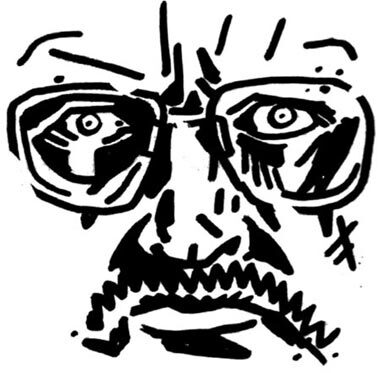
Willem

(pseudonym of Bernard Holtrop, 1941) is a cartoonist. Holtrop lives in France, where he is known for his sharp political drawings, which appear daily in the leftwing newspaper Libération. Having worked as a cartoonist in France for over thirty years, he still supplies weekly political cartoons to HP/De Tijd. In addition, the weekly Vrij Nederland publishes his cartoons on a regular basis. After art school in Arnhem and Den Bosch Holtrop made cartoons for various magazines, including the student magazine Propria Cures. In the 1960s he became the in-house cartoonist for the magazine Provo. In 1966 a cartoon in which queen Juliana prostituted herself caused a scandal. Between 1993 and 2002 he travelled to among others the Ivory Coast, the Baltic states, New Hampshire, Moscow and Yaoundé, the capital of Cameroon, where he wrote and drew diary-like reports, commissioned by Libération (see his book Razende Reporter - Raging Reporter, 2002). In France he was honoured with the ‘Medaille d’Honneur’. In Holland he recieved the Stripschapprijs for his entire oeuvre (2000) as well as the Inktpotprijs (2006, 2007).
20071126111348

Discover

20 May 2026

Get your 2027 tickets!

Get your Early Bird tickets for the big festival nights, Friday & Saturday Night Unlimited!