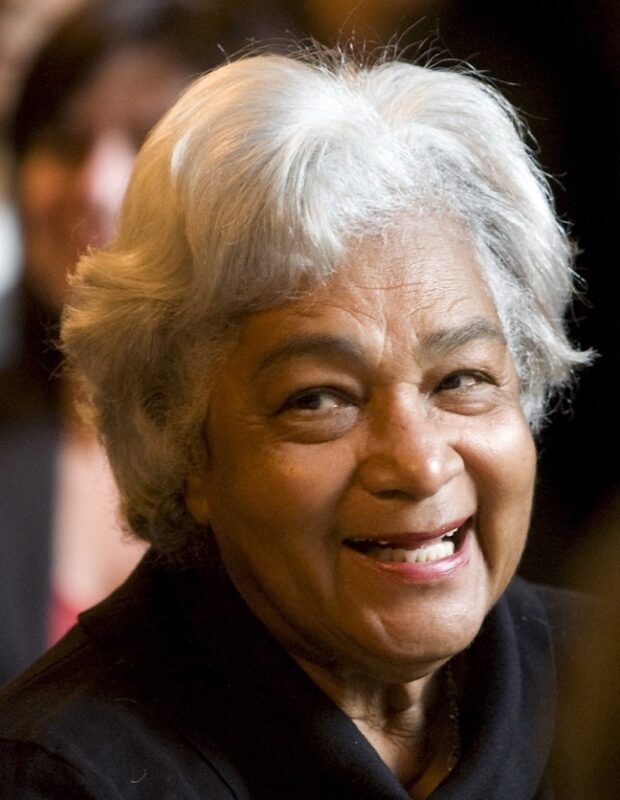
Tutuba - A Meet & Greet with Cynthia McLeod
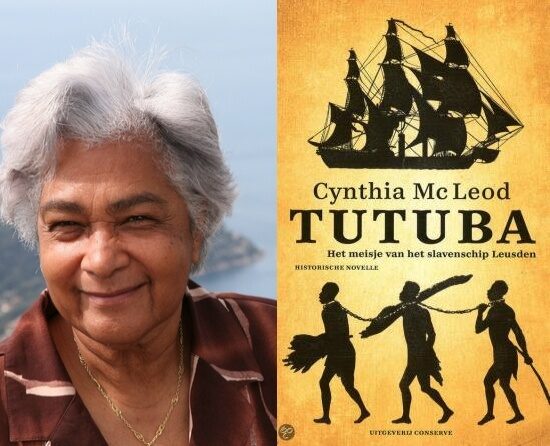
20141023115856 1

An Afro-Surinamese afternoon at the Vaillant Theatre in the heart of The Hague's Schilderswijk neighbourhood. Writer Cynthia McLeod takes you into the history of Suriname and the Netherlands, to the 1737 disaster of the slave ship Leusden. She reads from her novel Tutuba, which tells the story of the girl who survived. You will have every opportunity to talk to the writer. Of course there will also be singing and dancing and tasty Afro-Surinamese food.

This programme has been put together by  Ricardo Lemmer of the Mosaic Foundation in collaboration with the Vaillant Theatre and Writers Unlimited.

Information

Date and time Sunday 18 January 2015 from 16:00 to 19:00 hrs
Location Theater De Vaillant

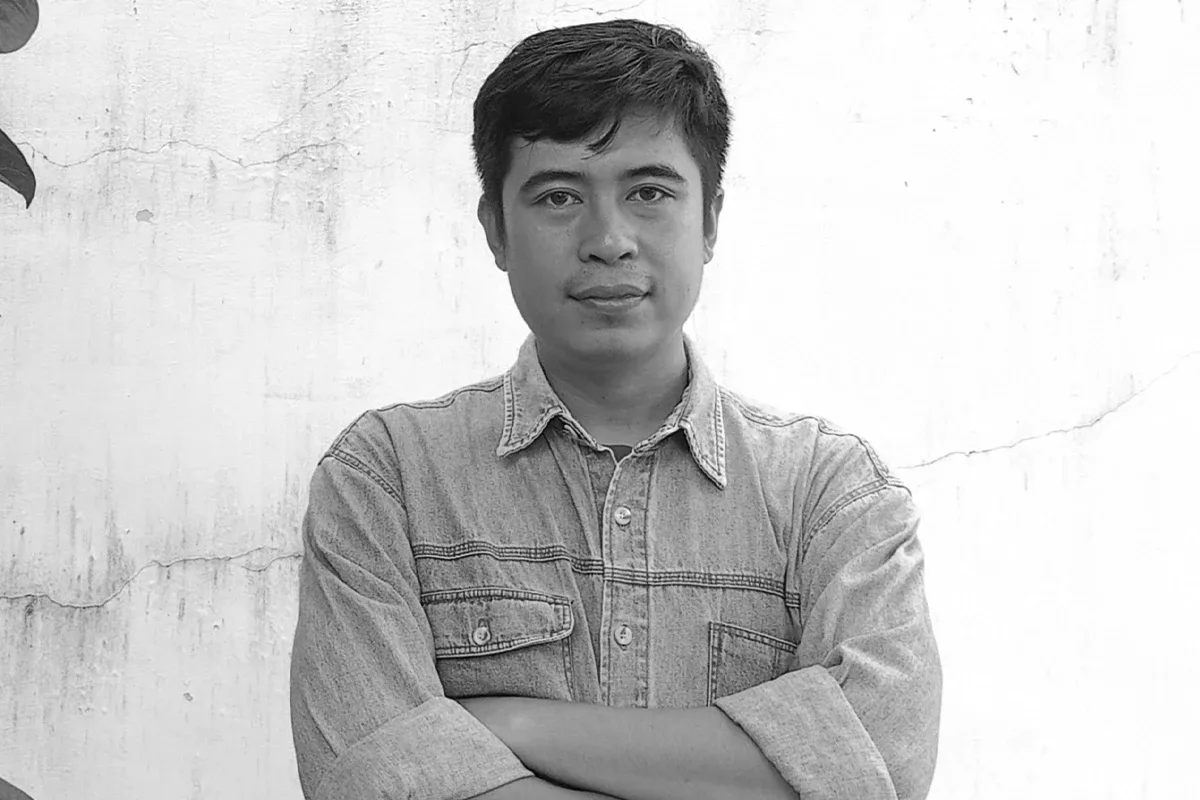
Cynthia Mc Leod

(Suriname, 1936) made her writer's debut with Hoe duur was de suiker? (How Costly Was the Sugar?, 1987), the novel that made her the most famous Surinamese writer overnight and was adapted for film in 2013. She was the first to describe the history, the slaving past and the colonization of her country from a Surinamese perspective. As an expert in the field, she lectures about the history of slavery at US and Canadian universities and organizes educational field and city trips. She has written historic novels, including De Vrije Negerin Elisabeth, gevangene van kleur (The Free Negress Elizabeth, Prisoner of Colour, 1992), as well as studies, children's books and children's musicals. Her No kwik in het bos (No Mercury in the Forest, 2017) is a YA novel about a ten-year-old girl and the dangers of mercury in the gold-mining process. McLeod is a daughter of Johan Ferrier, the first president of Suriname.
20141009112654 1

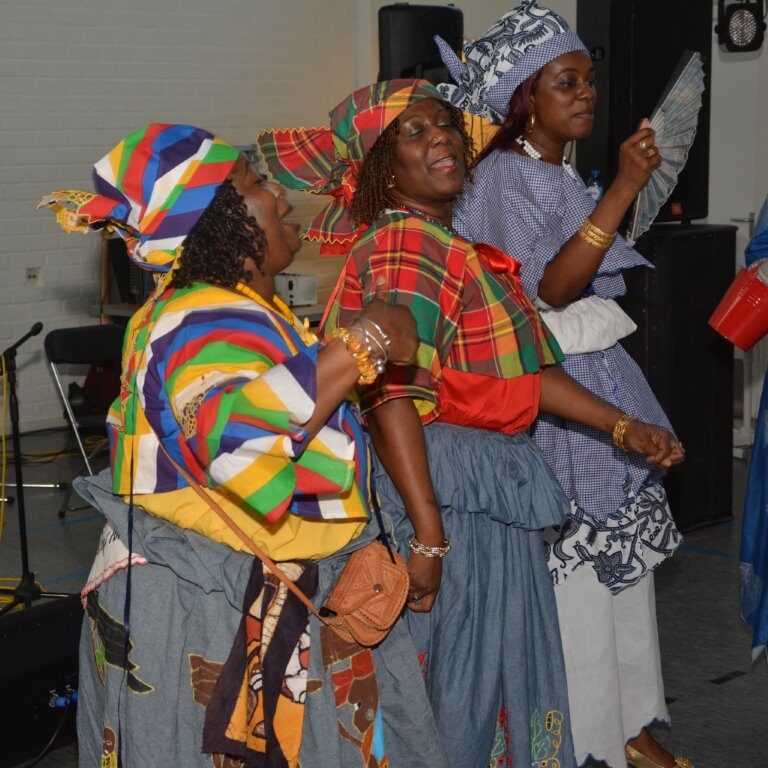
Bromelia

is a group from The Hague, led by Virginia Prade and Shirley Seymonson, that performs cultural and traditional Afro-Surinamese song and dance. Examples are the "Lobie Singi," love songs and songs from the time of slavery and afterwards. The women dance the "Kamalang," the "Kawina" and, when necessary, the "Kaseko Prisirie." Kawina music was brought to Suriname from Africa in the slave era, and involves only vocals and percussion. Bromelia performs at birthdays, for companies, and at various theatrical venues in the region.
20141203143809 1

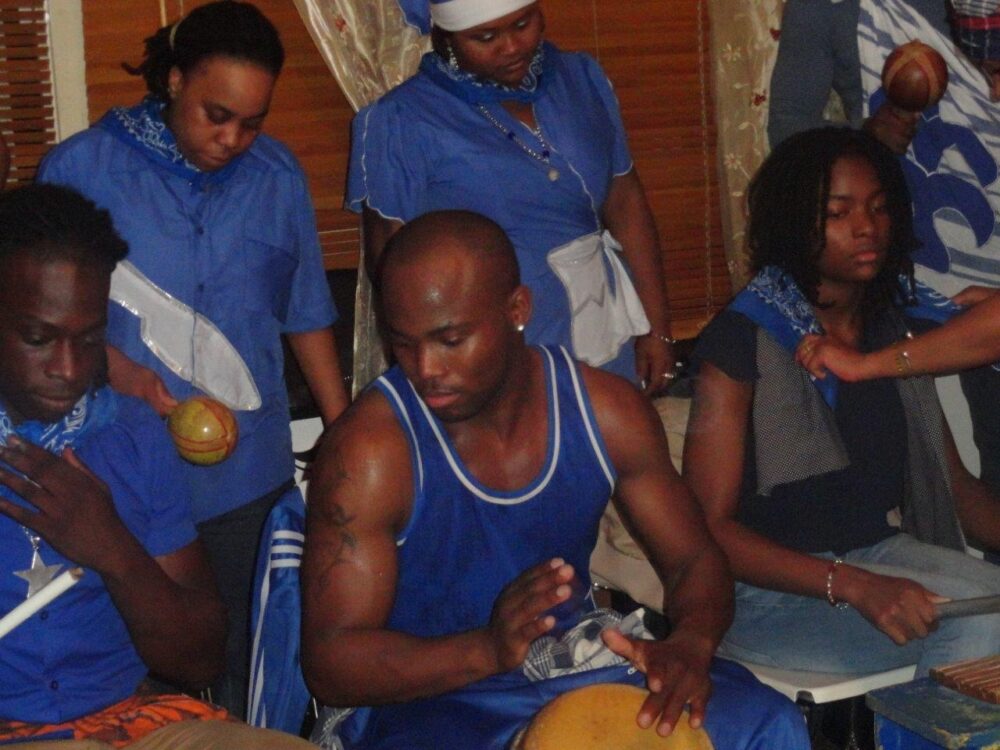
Nolly Kawina

plays Creole folk music, which has traits in common with gospel and polyphonic call-and-response styles but is accompanied by all kinds of Surinamese percussion. Typical are double-skinned drums, the zigzag or box rattle, and the kwa-kwa bangi. Like with much South American music, the kawina's rhythms originated in Africa. Colonists shipped Africans to the Americas in the 16th century, where they were forced to work on plantations as slaves. These slaves brought their religions and music along. To pass the time they sang during work, often in a pattern of one voice calling out and a chorus answering in unison. This music was so rhythmic in Suriname that it became a dance: the kawina. The lyrics have always remained in call-and response style. In the late 1990s, kawina was rediscovered by young Surinamese born and living in the Netherlands.
20141211134825 1

Discover

20 May 2026

Get your 2027 tickets!

Get your Early Bird tickets for the big festival nights, Friday & Saturday Night Unlimited!