This is Our Way — Public Discussion

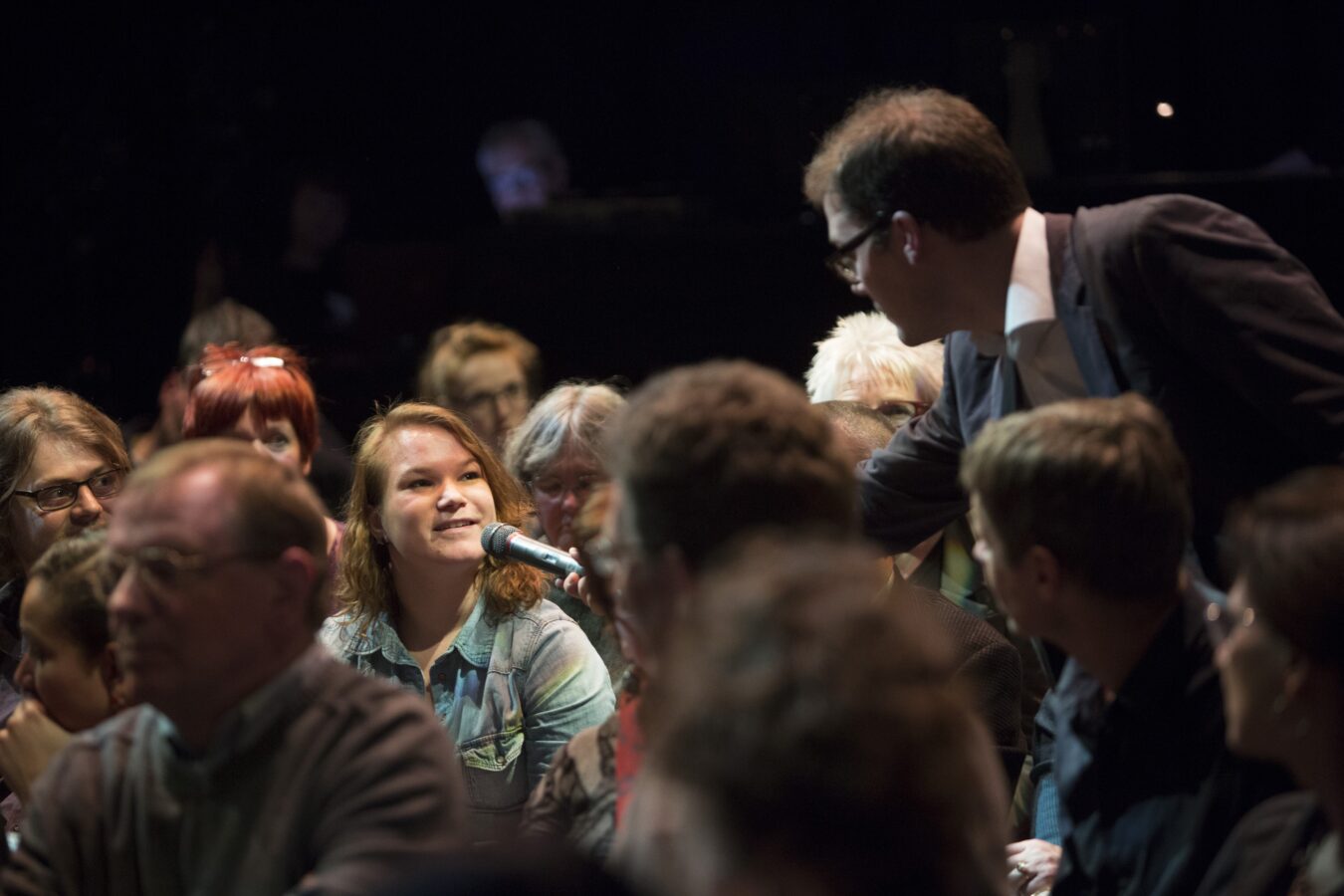
This is our way, and that is their way... How do you deal with one another in an environment where so many cultures live side by side? What language do you speak? What do you do on one another's holidays? Tonight three writers—two of them from countries with long histories of multiculturalism—provide ideas for dos and don'ts. No laws, just manners. The public will discuss these ideas. Do we adopt them or not? WithVamba Sherif, Cynthia McLeod, Bas Heijne and moderator Ruben Maes.
20140122103937 14

Information

Date and time Saturday 17 January 2015 21:55 tot 22:50 uur
Location Theater aan het Spui - Zaal 1

This is our way, and that is their way... How do you deal with one another in an environment where so many cultures live side by side? What language do you speak? What do you do on one another's holidays? In the Netherlands we can't quite figure it out. Tonight three writers—two of them from countries with long histories of multiculturalism—provide ideas for dos and don'ts. No laws, just manners. The public will discuss these ideas. Do we adopt them or not? In Dutch.

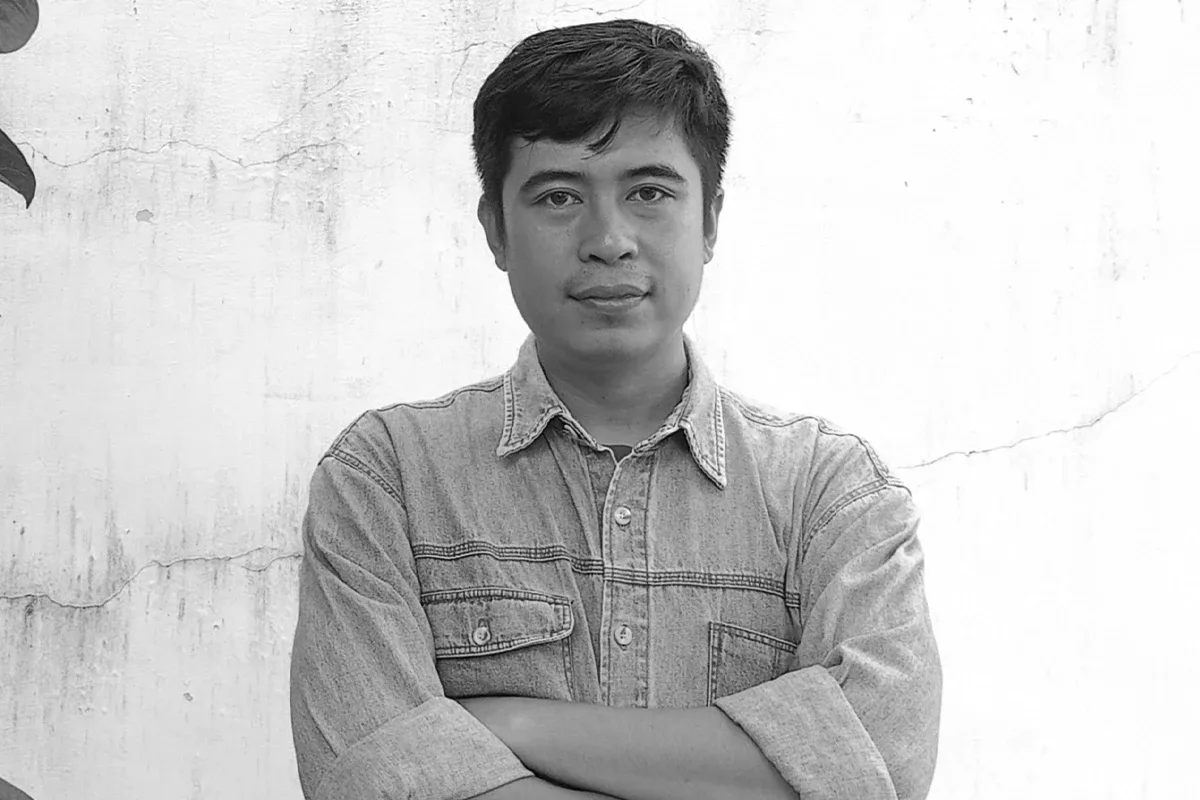
Ruben Maes

began his career as vice chair of the Dutch Young Liberals of the Dutch Liberal (Conservative) Party, then changed course and joined Niet Nix (Not Nothing), a movement linked to the Dutch Labour Party. In the meantime he has become a much-in-demand chairman and moderator of debates, symposia, and conferences, combining his journalistic intuition with a fine sense of atmosphere. Maes also gives media training and teaches others to become moderators. He studied political science and subsequently joined a research agency focussed on strategic campaign advice. In addition he freelanced for BNR Nieuwsradio and PM Den Haag. Maes founded his own agency, &MAES, in 2003.
20121101134841

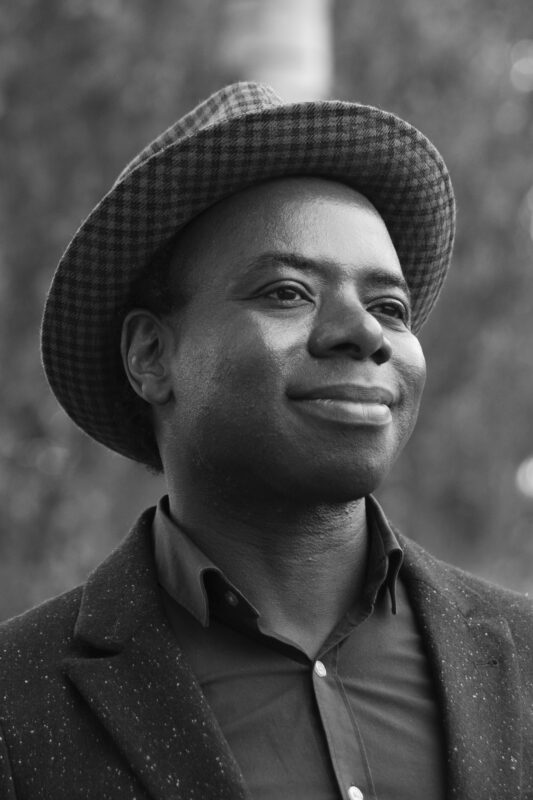
Vamba Sherif

(Liberia, 1973) is a novelist, essayist, journalist and film critic. His debut novel Land of the Fathers (1999) is partly based on his grandmother's stories and deals with the clash between slaves returning from the US and other Liberians. The novel The Black Napoleon (2015) portrays Samori Touré, who founded the Wasulu-empire in western Africa in the 19th century. His journalism, including film reviews, appears in publications such as The New York Times, Trouw and One World. Together with  Ebissé Rouw he compiled Zwart (Black, 2018), a collection of stories by Afro-European authors from the Low Countries. Ongekende liefde (Unprecedented Love), in which he tells his life story to his ten-year-old daughter Bendu, was published in 2021. Sherif's historical novel The Emperor’s Son (2023) follows Zaiwulo, a young prodigy who trains under sage Talata of the Haidarah family in Musadu. Entangled in the intrigues of Emperor Samori, the 'Black Napoleon,' Zaiwulo matures into a formidable soldier.
20240930103308 2

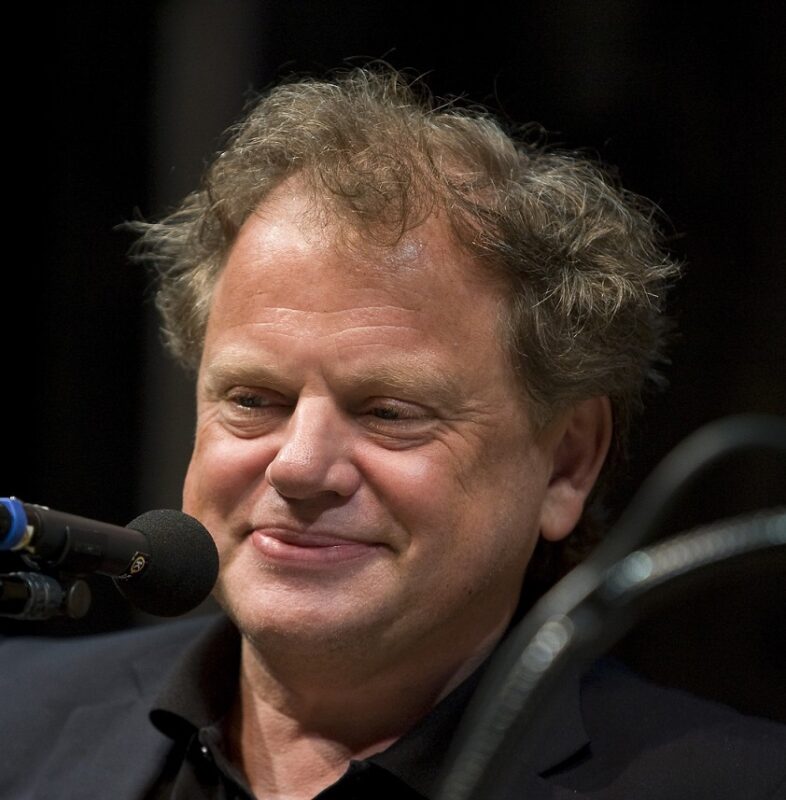
Bas Heijne

(Nijmegen, NL, 1960) writes essays, short stories and plays, and is a columnist with the daily newspaper NRC Handelsblad. He published the novels Laatste woorden (Last words) and Suez and received the Henriëtte Roland Holst Prize in 2005. In 2011's Moeten wij van elkaar houden, het populisme ontleed (Do We Have to Love One Another? Populism Dissected) Heijne shows how globalisation and individualism pave the way for populism. Angst en schoonheid (Fear and Beauty) was published in 2013, an essay about Dutch writer Louis Couperus, whom Heijne admires. In the same year his documentary about Couperus was broadcast. In 2015 he hosted the five-part documentary De volmaakte mens (The Perfect Human). In 2016 his essay Onbehagen – nieuw licht op de beschaafde mens (Discontent - new light on civilized man) was published. In 2017 Heijne received the P.C. Hooft Award for his essayistic works.
20131029170754 1

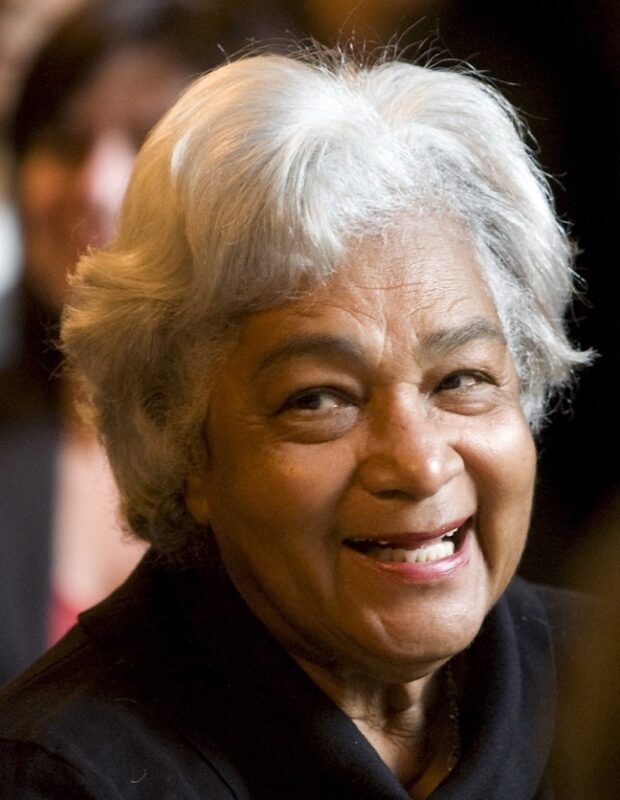
Cynthia Mc Leod

(Suriname, 1936) made her writer's debut with Hoe duur was de suiker? (How Costly Was the Sugar?, 1987), the novel that made her the most famous Surinamese writer overnight and was adapted for film in 2013. She was the first to describe the history, the slaving past and the colonization of her country from a Surinamese perspective. As an expert in the field, she lectures about the history of slavery at US and Canadian universities and organizes educational field and city trips. She has written historic novels, including De Vrije Negerin Elisabeth, gevangene van kleur (The Free Negress Elizabeth, Prisoner of Colour, 1992), as well as studies, children's books and children's musicals. Her No kwik in het bos (No Mercury in the Forest, 2017) is a YA novel about a ten-year-old girl and the dangers of mercury in the gold-mining process. McLeod is a daughter of Johan Ferrier, the first president of Suriname.
20141009112654 1

Discover

20 May 2026

Get your 2027 tickets!

Get your Early Bird tickets for the big festival nights, Friday & Saturday Night Unlimited!