It really happened

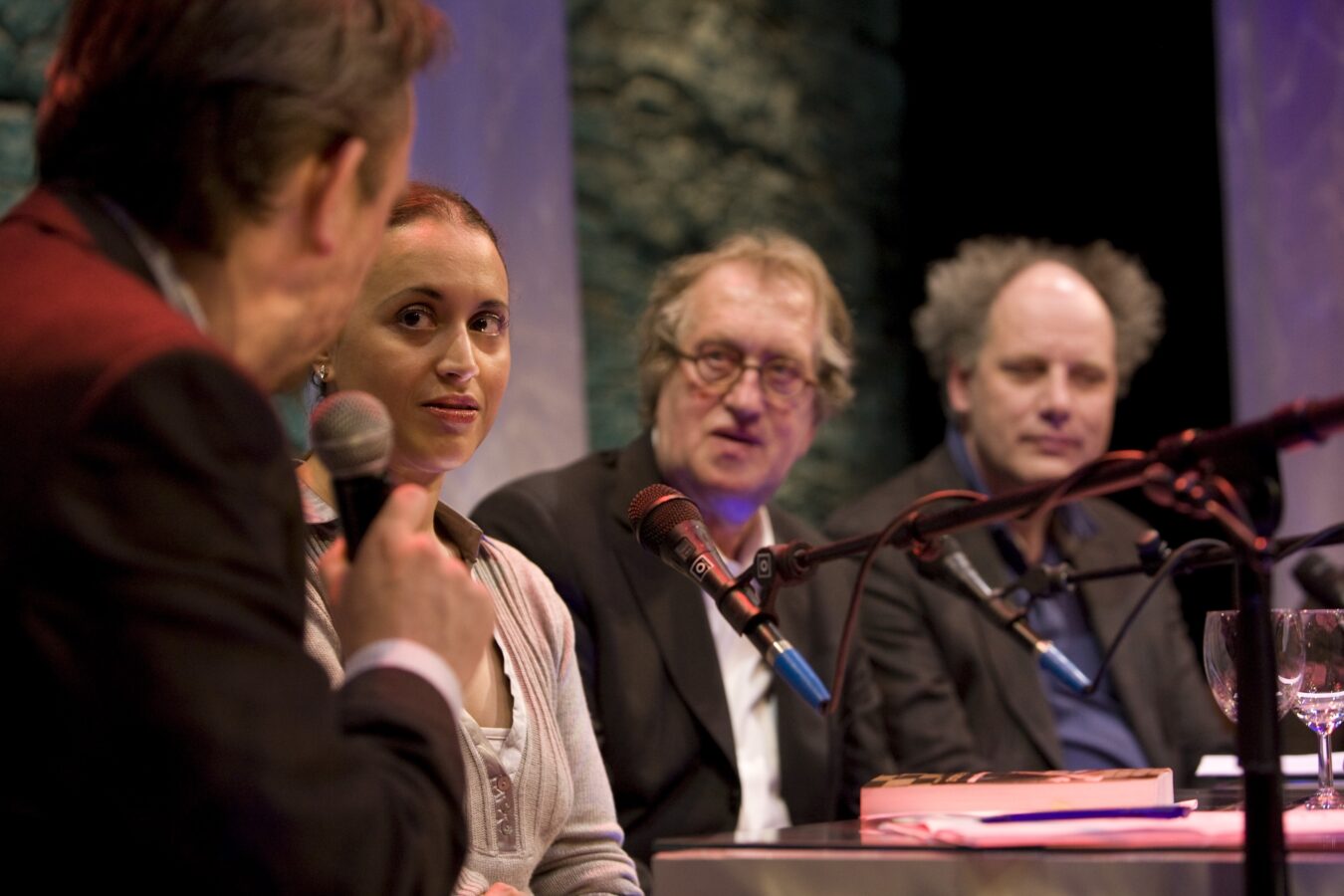
Gerrit Komrij, Kristien Hemmerechts, P.F. Thomése and Naima el Bezaz in a debate on the question: how real is literary non-fiction really? Komrij opens with a pamphlet. Hosted by Koen Kleijn. In Dutch.
20090126154952

Information

Date and time Friday 16 January 2009 23:10 tot 00:00 uur
Location Theater aan het Spui - grote zaal

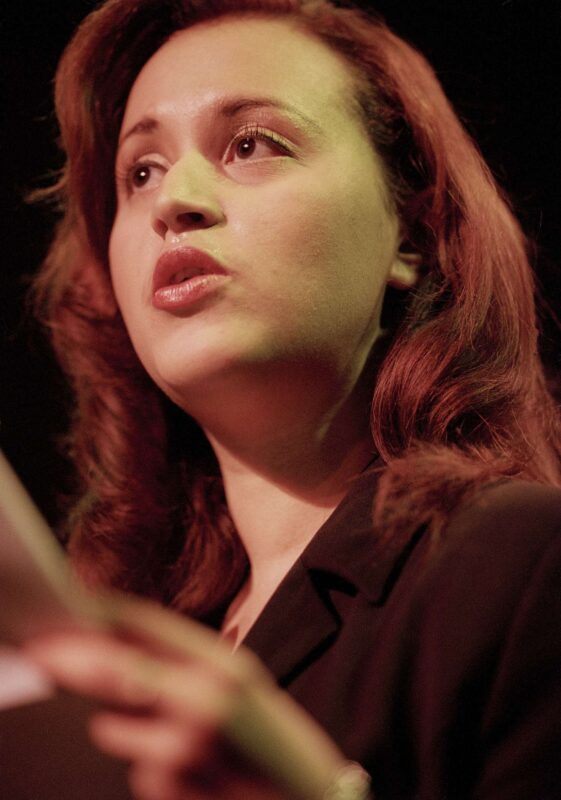
Contemporary readers yearn for true strories. In the bookstores there are piles of books with literary non-fiction and the jury of the AKO literature prize never nominated so much nonfiction. Why does the genre have such an appeal to readers and writers alike? And: how true is non-fiction really? How does the writer keep guard over the boundaris of pure fabrication? Gerrit Komrij, Kristien Hemmerechts, Naima el Bezaz and P.F. Thomése debated with practical instances from their own non-fiction. Komrij opened with the pamphlet Fake Buttocks, which was published in the weekly the Groene Amsterdammer the week after the festival. Host: Koen Kleijn.
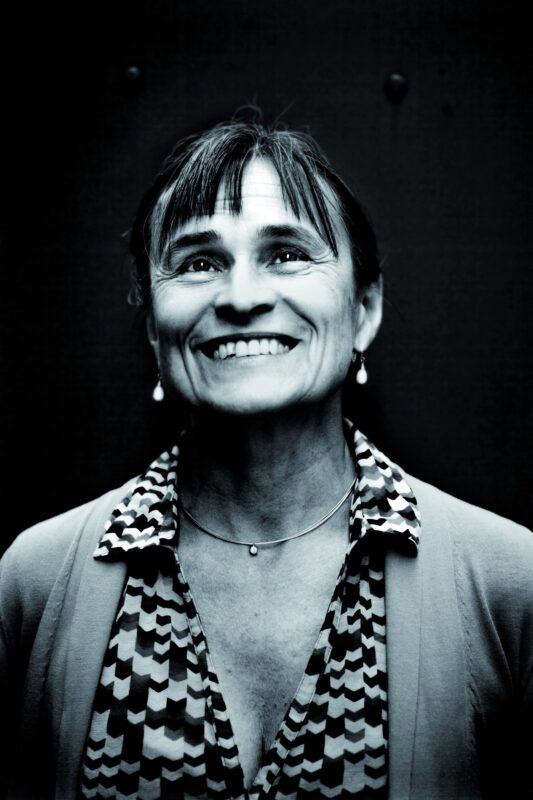
Kristien Hemmerechts

(Belgium, 1955) writes widely on wide-ranging topics, from poetry about her late husband Herman de Coninck in Taal zonder mij (Language without Me, 1998) to the struggle of an anorexia patient in her book Ann (2008). The human condition is always central to her extensive oeuvre. Her work also pays a noticeable amount of attention to the female sexual experience. In her novel De waar gebeurde geschiedenis van Victor en Clara Rooze (The True History of Victor and Clara Rooze), Hemmerechts plays with fact and fiction: a writer with writer's block tackles a story of incest to give free reign to her thoughts about writing and literature. Haar Bloed (Her Blood) appeared in 2012, for which she spent time in a hematology ward. In 2014 she caused an uproar with De vrouw die de honden eten gaf (The Woman Who Fed the Dogs), a novel inspired by the Dutroux case. Her latest novel Alles verandert (Everything Changes) closely follows the plot of J.M. Coetzee's In Ongenade (Disgrace), but with a female protagonist. How much does the gender of literary characters determine our view of their actions?
20150923122708 1

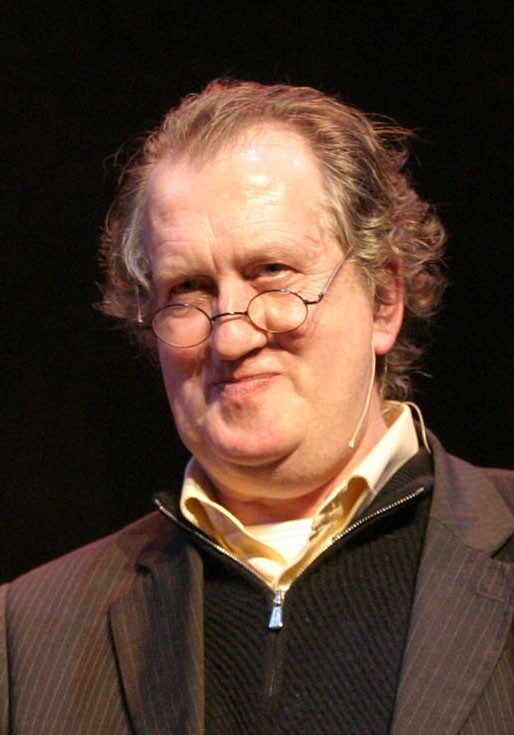
Gerrit Komrij

(Winterswijk, 1944) was the first Poet Laureate of the Netherlands. He is considered one of the best columnists in the country, a novelist, renowned translator, and an enhtusiastic reviewer of poetry. Komrij is a cat in a Strange Warehouse, as he called a book of collected essays that came out in 2001. The world is never a trusted or obvious place, but if you look good, there's always something surprising around. 'I don't think I'm a no-nonsense guy. There's too much noise inside of me'. Komrij, who has lived in Portugal since 1984, is one of the most productive Dutch writers. Since 1968 he has published several works annually. Recently Komrij's choice of the one-hundred best Dutch poems (2008) appeared, in addition to an anthology of Dutch children's poetry in over 1000 poems (2007) and Kakafonie (2006), an 'encyclopaedia of shit'. In 2005 he published Eendagsvliegen (Ephemera, literary diary entries) and a volume of poetry Fata Morgana.
20050226145252

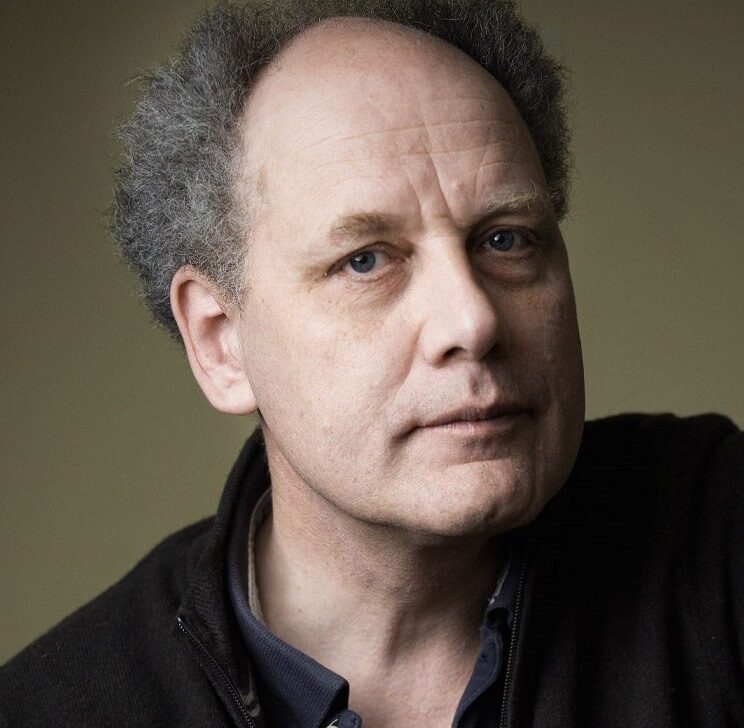
P.F. Thomése

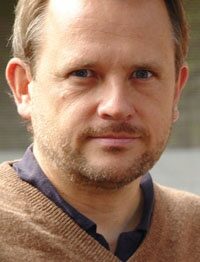
(Doetinchem, NL, 1958) is a highly versatile writer who constantly changes up his work. Sometimes his tone is serious, as in Schaduwkind (Shadow Child, 2003), about the death of his young daughter. This bestseller was translated into more than fifteen languages. In 2009's  J. Kessels, The Novel he channels an altogether different voice. A semi-parody of the hard-boiled crime novel, it features one of Thomése’s favourite recurring characters, J. Kessels, living it up a he smokes cigarettes and devours deep-fried meatballs. The book was made into a film in 2015, starring Frank Lammers and Fedja van Huêt. De onderwaterzwemmer (The Underwater Swimmer, 2015) about the life Tin, who as a child loses his father on a dark night in wartime, shows that only man himself can alter his destiny. In 1991 Thomése won the AKO Literature Prize for Zuidland (Southland), and in 2012, the Bob den Uyl Prize for Grillroom Jeruzalem.
20131031162516 1

Naima el Bezaz

(Morocco, 1974) her motto is: ‘Taboos are there to be broken', and she managed just that with her latest novel Het Gelukssyndroom (The Happiness Syndrome; 2008). In this story the Moroccan Layla gives in to sombre feelings until she realizes that her dying friend, the blonde Marit, needs her. The novel is based on El Bezaz’s own experience. The writer suffered from a depression - often taboo in the Muslim community - after the death of a friend and threats as a result of her novel De Verstotene (The Outcast). This novel was dubbed by her publisher ‘the Lady Chatterley's Lover of the Muslim community', owing to the fierce social criticism and explicit sex. El Bezaz's books are highly popular at secondary schools. Her novel Minnares van de Duivel (The Devil's Lover) was a downright best-seller in 2002 after she had read an erotic passage in a satirical tv programme.
20050302144511

Koen Kleijn

(Harderwijk, 1963) is deputy editor-in-chief and heads the cultural desk of the Dutch weekly De Groene Amsterdammer. He studied art history and co-wrote a number of books on the architectural history of Amsterdam and the history of Dutch architecture. Right now he is busy writing a book on Soestdijk Palace and a book on cultural entrepreneurship in Amsterdam. For De Groene Amsterdammer he wrote among others articles on the globalisation of visual arts in Peking, Vilnius, Istanbul and Liverpool as well as film reviews. Kleijn used to work for IdtV and was responsible for documentaries and made programmes on 19th and 20th centruy classical music.
20090105165218

Discover

20 May 2026

Get your 2027 tickets!

Get your Early Bird tickets for the big festival nights, Friday & Saturday Night Unlimited!