Past Evils, Present Problems. Winternachten lecture by Susan Neiman

How do nations deal with their problematic pasts? Susan Neiman finds links between processing the past and the attitude of European states toward current challenges, such as the refugee crisis. After the lecture, a debate on this subject will take place.
20150916143542 1

Information

Date and time Saturday 16 January 2016 20:00 tot 21:15 uur
Location Theater aan het Spui - Zaal 1

German-American philosopher Susan Neiman delivers this year’s Winternachten Lecture. She zooms in on the way nations deal with their problematic pasts. Do Germans set a good example with their “Vergangenheitsaufarbeitung”? What about the Americans’ handling of Hiroshima, or slavery? And the Europeans, with their colonial histories? Neiman finds links between processing the past and the attitude of European states toward current challenges, such as the refugee crisis. After the lecture, Sheila Sitalsing moderates a debate on this subject between Neiman, Geert Mak and Neel Mukherjee. In English

Neel Mukherjee replaces Tariq Ali, who had to cancel his appearance for personal reasons.


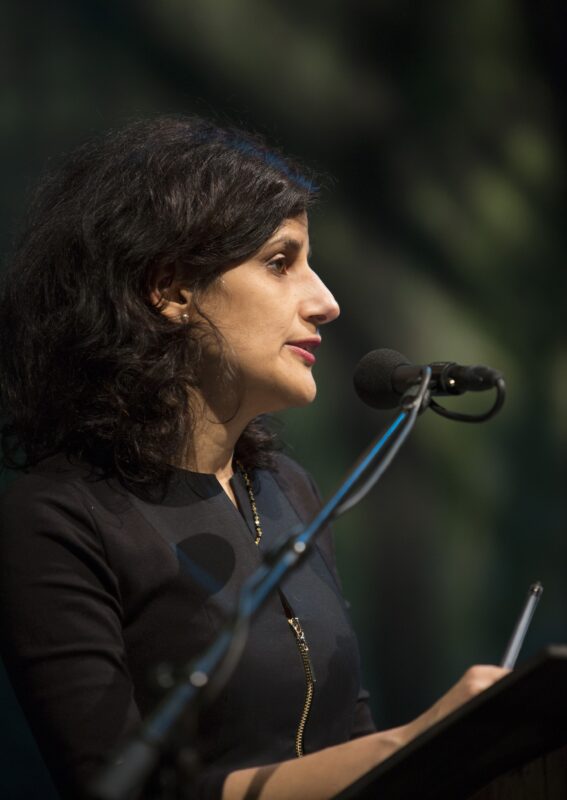
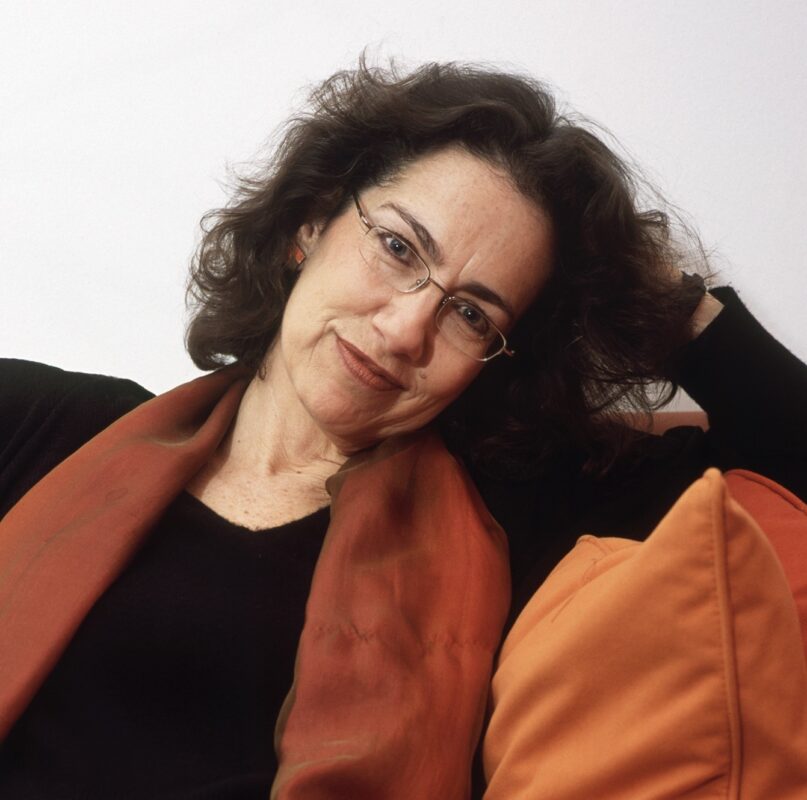
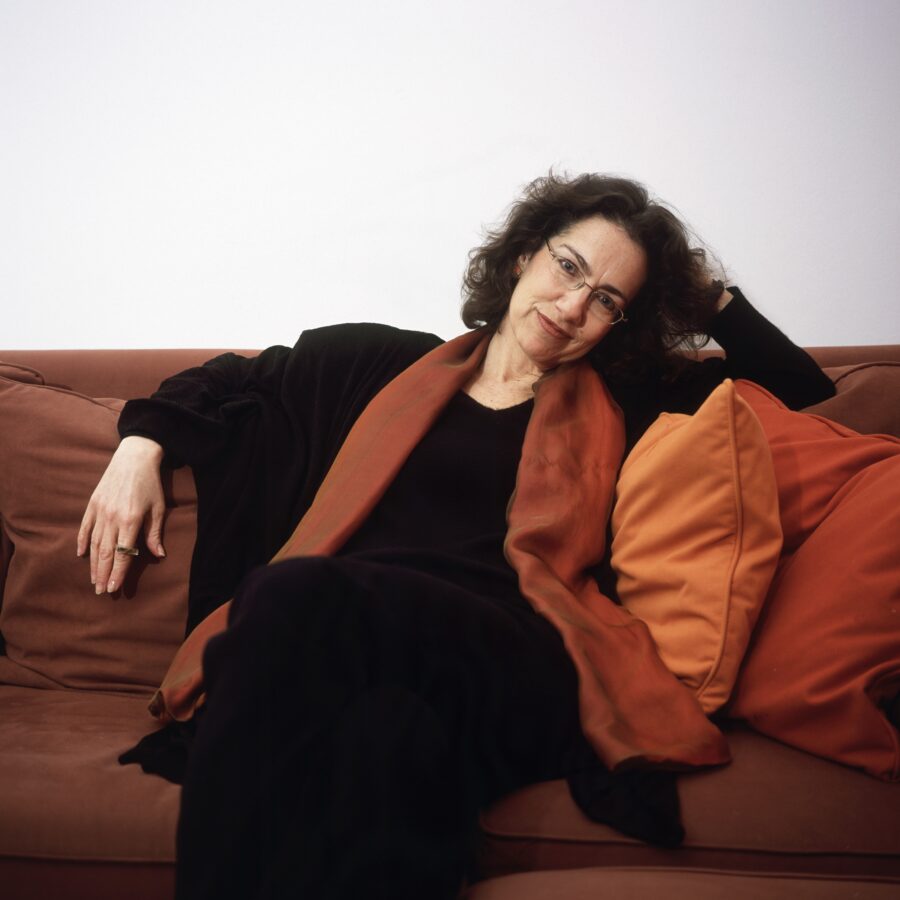
Susan Neiman

(USA, 1955) is a philosopher, commentator, essaysist and director of the Einstein Forum in Potsdam. She combines old ideals of freedom, equality and brotherhood with cynical realism: "Idealism for grownups," as she calls it. In 2014 she won the Spinoza Lens, a biannual Dutch prize for an "internationally renowned thinker on ethics and society." Neiman, a Jewish-American, became known with Evil in Modern Thought: An Alternative History of Philosophy. In Why Should You Grow Up? (2015), she uses the work of famous philosophers like Kant, Rousseau and De Beauvoir to show that ideals need not be lost to the passing years, and are especially needed, for example, to counteract the kind of evil embraced by IS youth. "It is precisely our society's materialism that drives young people into the clutches of radical ideology." She holds politicians responsible for no longer daring to promote their own Enlightenment-inspired European culture. 

20150916144703 1

Sheila Sitalsing

(Suriname, 1968) is a journalist, writer, and economist. She writes books, essays and columns on politics and society. For eleven years, she wrote a widely read column in Dutch national daily newspaper de Volkskrant every other day, for which she was awarded the Heldring Prize for best columnist in the Netherlands. In 2024, she received an honorary doctorate from the University of Humanistic Studies. She wrote the political biography Mark, portret van een premier (2017Mark, portrait of a prime minister) and compiled her columns about the COVID pandemic year 2020 in Dagboek van een krankzinnig jaar (Diary of a Mad Year). In 2025, her book Waar ik me voor schaam (What I am ashamed of) was published, a non-fictional, perceptive account of a search for the workings of intergenerational shame and totalitarian temptation.
20140121183237 13

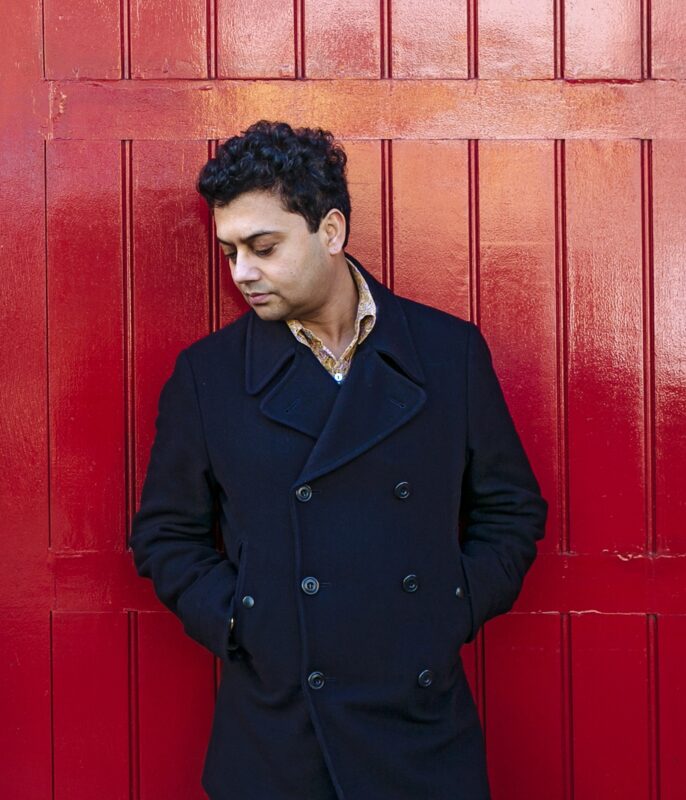
Neel Mukherjee

(India, 1970) grew up and was educated in Calcutta, Oxford and Cambridge. His book The Lives of Others, about life in Calcutta, was nominated for the prestigious Booker Prize and highly praised in the international press. The novel, which will be released in Dutch translation during the festival, portrays a bourgeois Calcutta family. When one of the sons joins a radical political group, its already complicated relationships come into sharp focus. The ruling hierarchy of the family, three generations of which live under one roof, reflects the complex Indian caste sytem. Mukherjee's first novel, A Life Apart, is about an Indian man who moves from Calcutta to London to build a new life. Mukherjee is a critic for The Times and The Sunday Telegraph, and has written for The Daily Telegraph, The Observer, The New York Times and other papers.
20151019111907 1

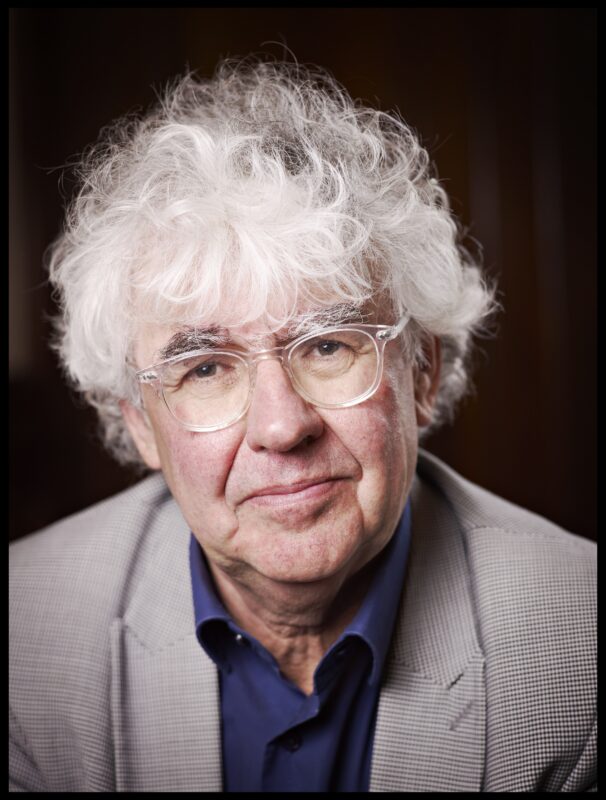
Geert Mak

(Vlaardingen, NL, 1946) is a lawyer and writer. After a series of books on Dutch and world history he made his 1991 breakthrough with Hoe God verdween uit Jorwerd (How God Disappeared from Jorwerd), about the demise of European peasant culture. Eight years later he published De eeuw van mijn vader (My Father's Era), a 20th-century history of the Netherlands, partly based on his own family history. In 1999 Mak travelled across Europe, writing short daily reports for NRC Handelsblad newspaper. These travels formed the basis for his international best-seller In Europe, which was made into a 35-part TV series; a theatrical interpretation runs at the NTGent theatre until April 2016. In 2013's Reizen zonder John (In America: Travels with John Steinbeck), Mak follows in the late author's footprints to look for remaining bonds between Europe and the US. Mak was an acclaimed journalist, lecturer in constitutional and immigration law, and professor of urban issues. In 2015 he won the Golden Quill award for his engagement with national and international history and current events.
20131016135700 1

Discover

20 May 2026

Get your 2027 tickets!

Get your Early Bird tickets for the big festival nights, Friday & Saturday Night Unlimited!