In search of the independent mind - part 2

Visual artist Marlene Dumas, biologist Tijs Goldschmidt and composer Theo Loevendie discuss the (im)possibility of autonomous creation. Michaël Zeeman chairs the discussion. Dutch spoken.
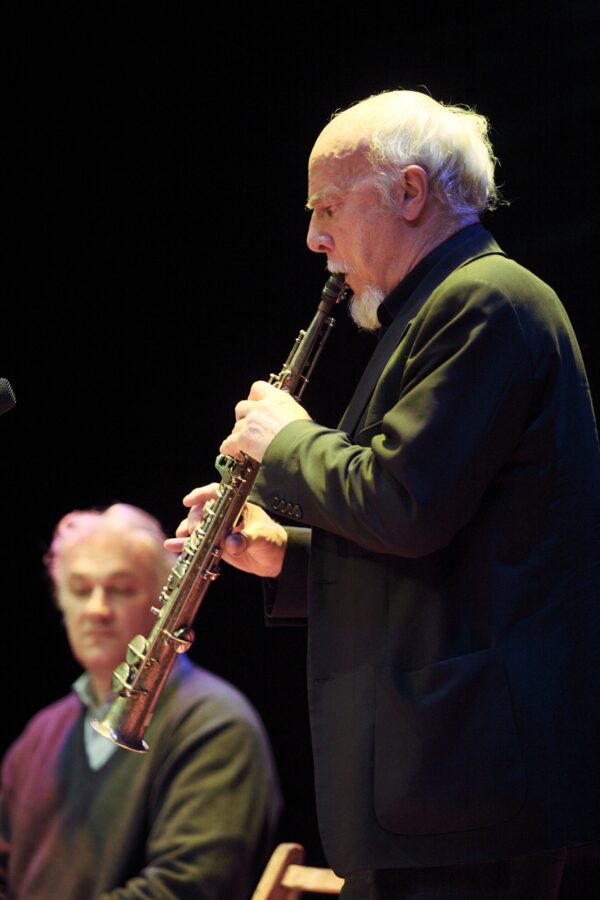
20060123225639

Information

Date and time Friday 20 January 2006 21:35 tot 22:35 uur
Location Theater aan het Spui - grote zaal

In the second part of the search visual artist Marlene Dumas, biologist Tijs Goldschmidt and composer Theo Loevendie discuss the (im)possibility of autonomous creation. Maybe we should take our lead from such eminant autonomous creators as the painting ape Congo and the carefree composing birds around us? Michaël Zeeman chairs the discussion. Dutch spoken.
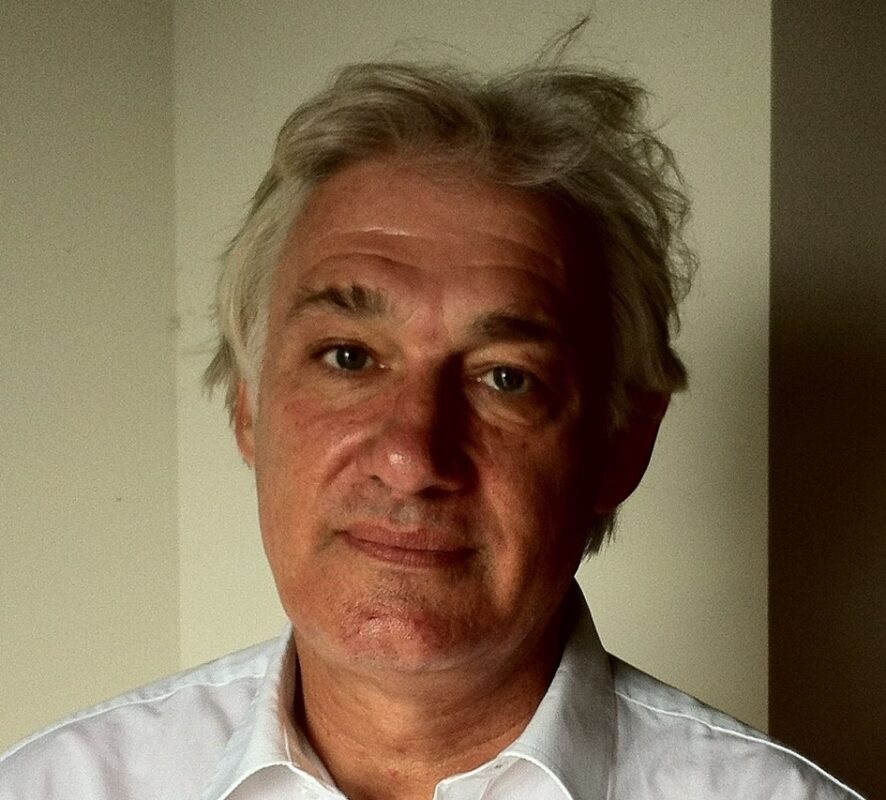
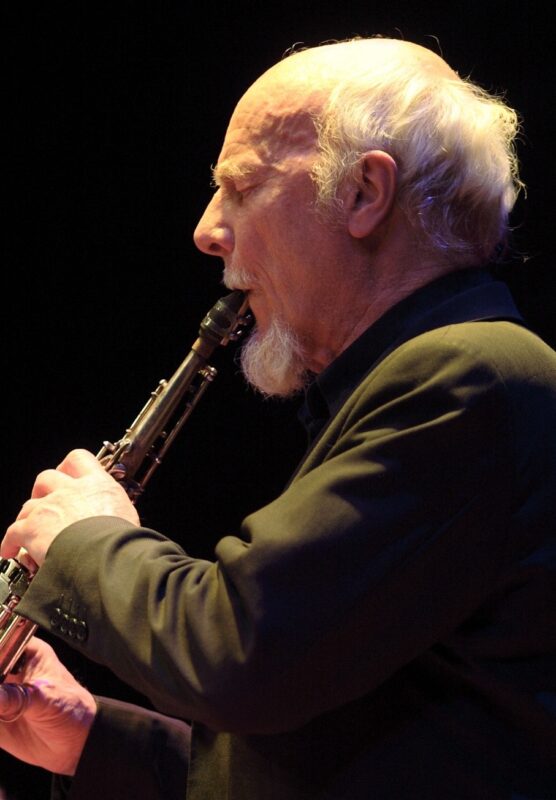
Theo Loevendie

studied composition with Ernest W. Mulder and Leon Orthel and clarinet with Ru Otten at the Amsterdam Conservatory. As composer and improvisor (on soprano and alt saxophone) and as leader of the Boy Edgars Big Band and his own Theo Loevendie Consort, he became an internationally renowned jazzmusician. In 1968 he entered the world of the composed music with his composition Scaramuccia for clarinet and orchestra. Since then Loevendie has developed a varied oeuvre. Highlights are the song cyclus Six Turkish folkpoems (1977), the putting to sound of Andersens fairy-tale The Nightingale (1979) and an orchestra piece, Flexio (1979). In de eighties and nineties Loevendie developed more and more into a composer of opera. His first opera is Naima (1985). From 1970 up to 1988 Loevendie taught composition at the Rotterdam conservatory, and since then at the Royal conservatory in The Hague.
20060209102757

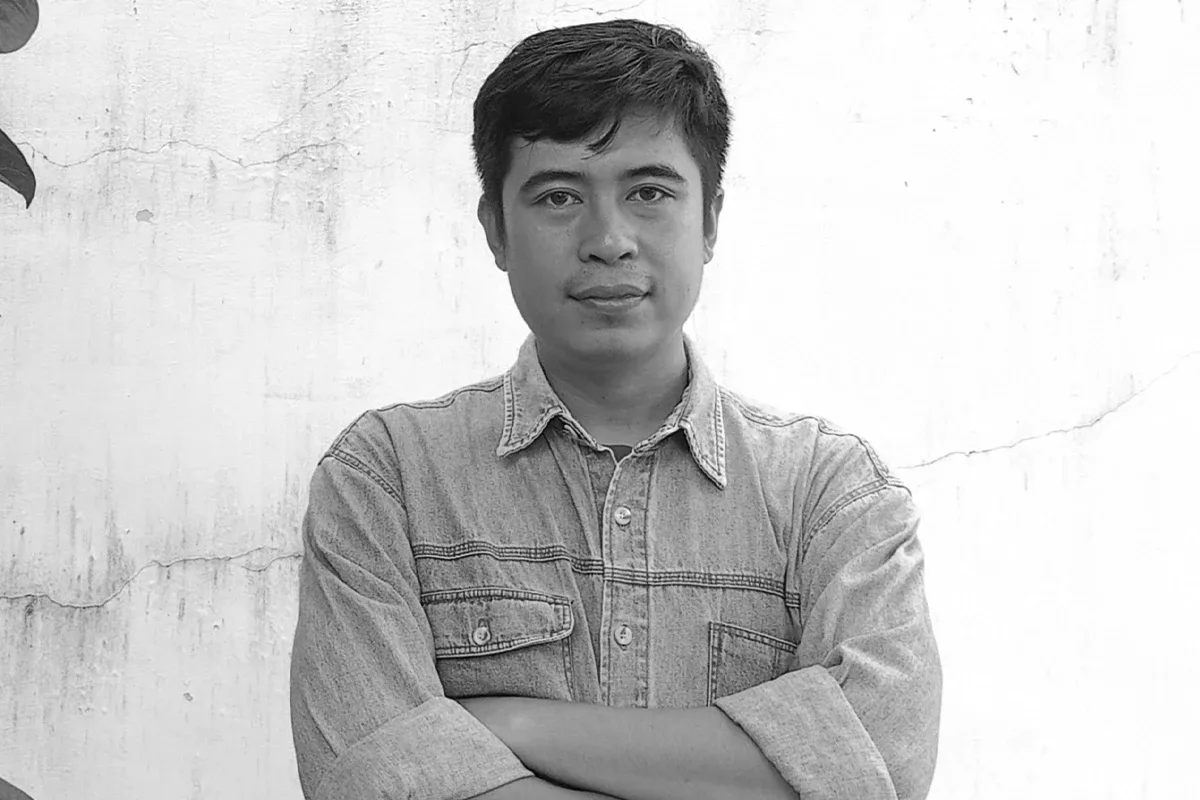
Tijs Goldschmidt

(Amsterdam, NL 1953) is an evolutionary biologist and a writer. In his essays he presents himself as the missing link between the arts and the sciences. Again and again he places science in a broader cultural framework. In his collections of essays Vis in Bad (Fish in the Bath, 2014) and Kloten van de engel (Angels' Balls; 2007) he shows that culture is often much more natural than we think. In september 2016 a collection of his essays, The Other Left Side will be published by Seven Stories Press in New York. After graduation Goldschmidt left for Tanzania for five years to study cichlids (Percidae) in Lake Victoria. That study resulted in a Ph.D. thesis and a book combining his scientific findings with personal experiences: Darwin's Dreampond (1994). This debut was translated in English, French, German, Japanese and Chinese, among others. In 1993 Goldschmidt decided to give up his academic career to become a fulltime writer. In 2007 he delivered the Huizinga Lecture in Leiden entitled Pretending to pretend. Since 2009, Tijs Goldschmidt is advisor to the State Academy of Fine Arts in Amsterdam.
20131107173641 1

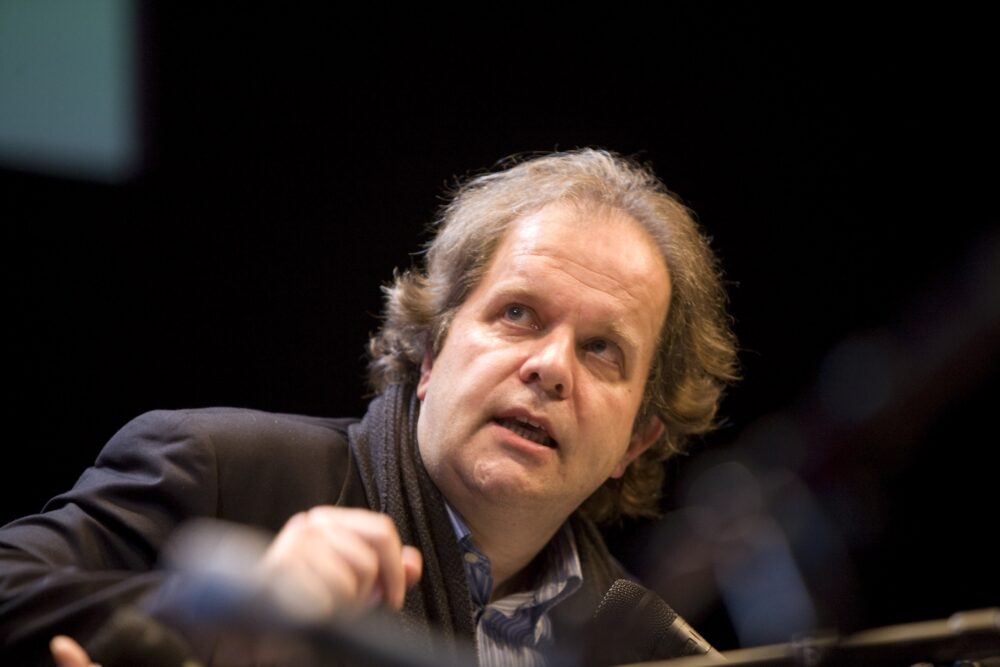
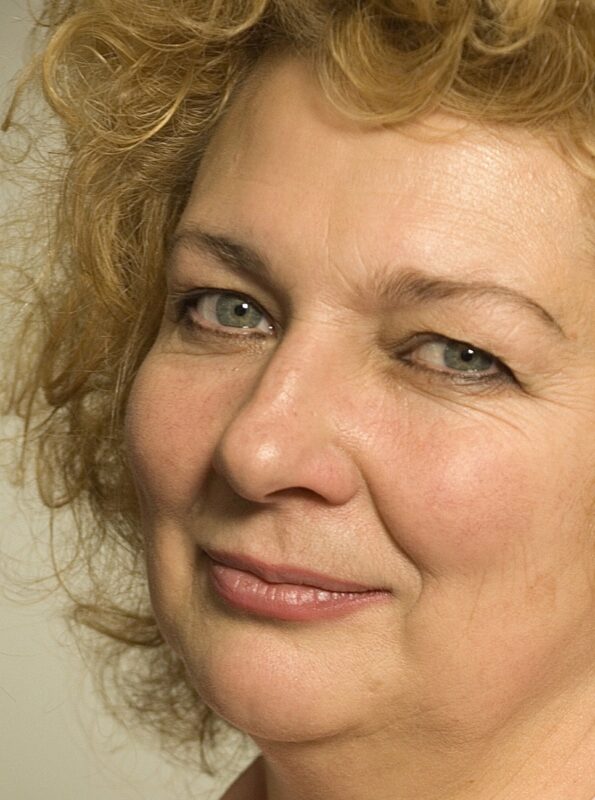
Marlene Dumas

is a visual artist. An important part of her work consists of drawings and watercolours, predominantly figures and portraits. Through her work Marlene Dumas is able to deliver a sentient commentary on role patterns and social relations that have become habitual. With the "Black Drawings" (1991-92), which consist of 111 individual portraits, Dumas enters into a discourse about stereotyped racial classification and skin colour, that leaves no room for the appreciation of the individual. The series "Defining in the Negative" (1988) and "Strong Works" (1990) are a comment on traditional roles given to women, such as a model, muse or lover. Also the role of mother and sexuality are subjects for many of her drawings. The work of Marlene Dumas is often characterized by a combination of directness and intimacy. Her most recent work consist of a series of portraits of blindfolded Palestinian men and is a reaction to the situation in the Middle East.
20051108185557

Michaël Zeeman

(Marken, 1958-2009) was a poet, a writer and a commentator, with a regular column on the Forum page and the book pages of the Volkskrant. Zeeman was the editor of the arts section of the Volkskrant and from 2006-2007 its Rome correspondent. In 2006 he and the writer Abdelkader Benali published an exchange of letters, exchanging ideas on politics, life, love and literature. In 2002 Zeeman received the Gouden Ganzenveer (Golden Goose Quill) for his merits for Dutch literature. Zeeman became well-known in the 1990s as the host of his monthly book programme 'Late at night after a short walk', later to be renamed 'Zeeman with books'. In 1991 he published his first volume of poetry, Beeldenstorm (Iconoclasm), winning him the C. Buddingh Prize. His second volume Verhoudingen (Relationships) appeared in 1995. In the same year he published short stories entitled De Verduistering (The Darkening). He died in 2009.
20080206143715

Discover

20 May 2026

Get your 2027 tickets!

Get your Early Bird tickets for the big festival nights, Friday & Saturday Night Unlimited!