In search of the independent mind - part 1

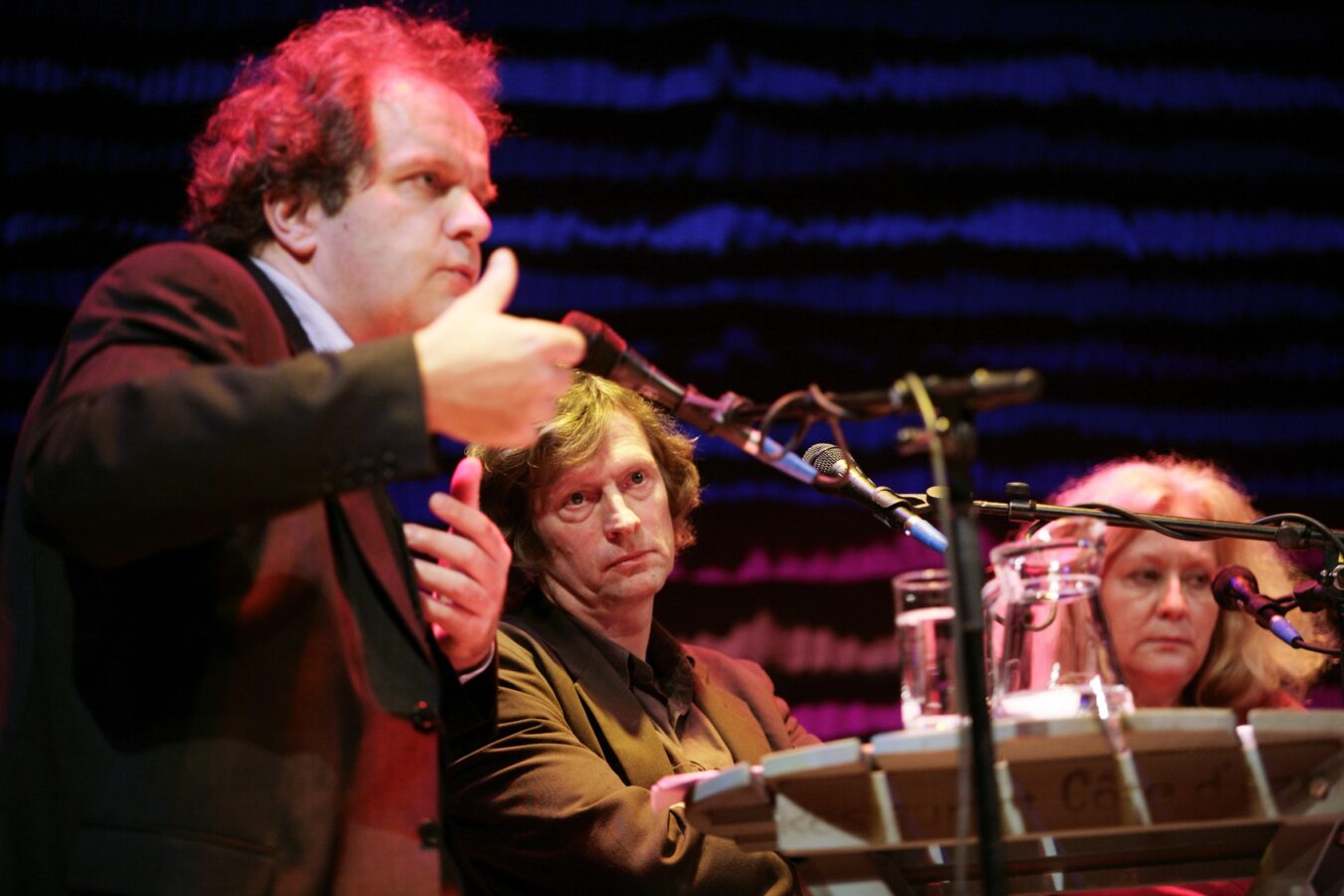
Breyten Breytenbach presents us his Manual for the Independent Mind, and discusses this opening essay with Herman Franke and Marja Brouwers. Michaël Zeeman chairs the discussion. Dutch spoken.
20060123215701

Information

Date and time Friday 20 January 2006 20:15 tot 21:15 uur
Location Theater aan het Spui - grote zaal

Do they still exist, the independent thinkers, the non-conformists? Are they still given some elbow-room in our shrinking world? The South African writer Breyten Breytenbach provides us with a manual of do's and don'ts to help us preserve our independent mind. Together with the writers Herman Franke and Marja Brouwers he goes in search of our present day heroes of the mind. Michaël Zeeman chairs this search. Dutch spoken.
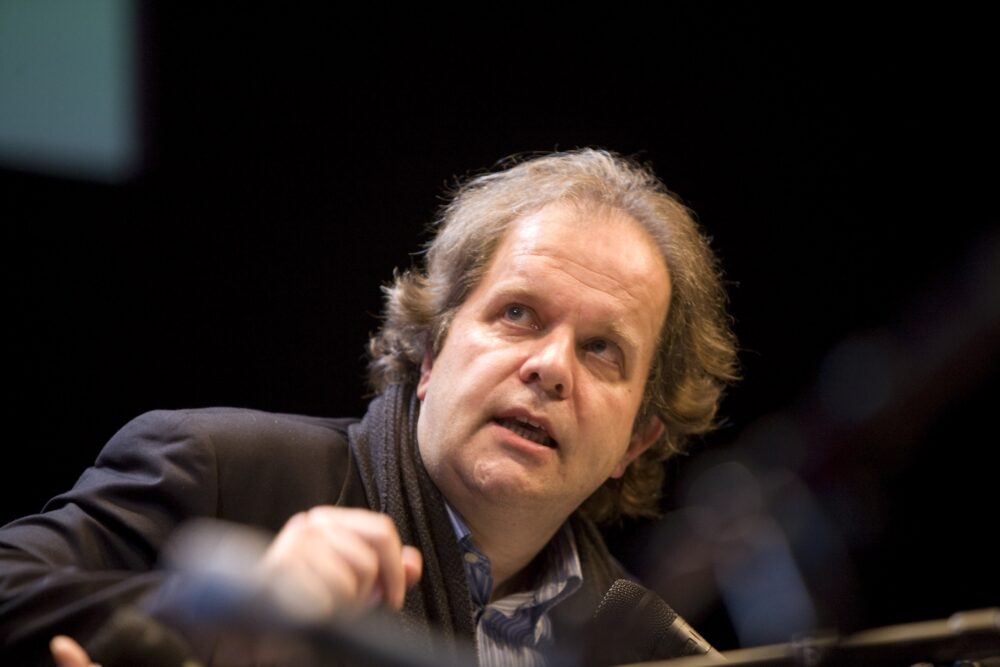
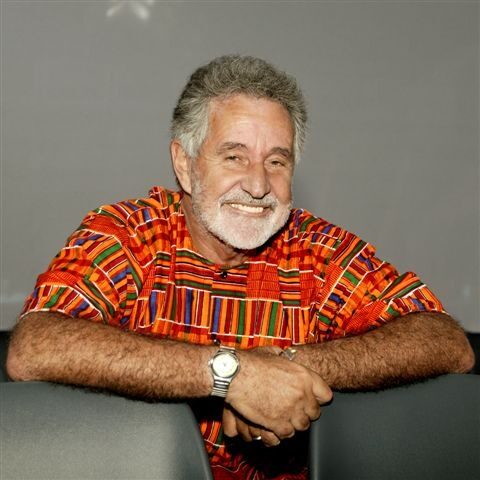
Breyten Breytenbach

(1939, Bonnievale) is a South-African writer and painter with French citizenship. He studied at the University of Cape Town. He became a committed opponent of apartheid and left South Africa for Paris in the early 1960s. On returning to South Africa in 1975 he was arrested and sentenced to nine years of imprisonment. In his work The True Confessions of an Albino Terrorist he describes aspects of his imprisonment. After his release in 1982 he returned to Paris. Breytenbach wrote poetry, novels, essays and plays. His poems are rich in metaphores and are a complex mixture of references to Buddhism, Afrikaans idiomatic speech, and memories of the South African landscape. Breytenbach is also known as a painter. Many of his paintings portray surreal human and animal figures, often shown in captivity. He has been honored with numerous literary and art awards. Breytenbach is active in different organizations for South-African political exiles.
20051116094751

Michaël Zeeman

(Marken, 1958-2009) was a poet, a writer and a commentator, with a regular column on the Forum page and the book pages of the Volkskrant. Zeeman was the editor of the arts section of the Volkskrant and from 2006-2007 its Rome correspondent. In 2006 he and the writer Abdelkader Benali published an exchange of letters, exchanging ideas on politics, life, love and literature. In 2002 Zeeman received the Gouden Ganzenveer (Golden Goose Quill) for his merits for Dutch literature. Zeeman became well-known in the 1990s as the host of his monthly book programme 'Late at night after a short walk', later to be renamed 'Zeeman with books'. In 1991 he published his first volume of poetry, Beeldenstorm (Iconoclasm), winning him the C. Buddingh Prize. His second volume Verhoudingen (Relationships) appeared in 1995. In the same year he published short stories entitled De Verduistering (The Darkening). He died in 2009.
20080206143715

Herman Franke

(1948-2010) studied sociology at the University of Amsterdam. After years of being a prominent criminologist, he turned to literature, which he considers to be a small step: 'Writers are criminals', wrote Franke in the newspaper Trouw (2000), referring to the moral freedom that writers permit themselves. In 1992 he made his debut with the novel Weg van loze dromen (Road of idle dreams). For his novel De verbeelding (The imagination) Franke was awarded the Generale Bank Literatuur prize, presently known as the AKO Literatuurprijs. He regularly writes for newspapers literary magazines, including a fortnightly column for the Dutch newspaper de Volkskrant. In 2004 a collection of his columns was published, entitled Waarom vrouwen betere lezers zijn (Why women are better readers). A year earlier he published his extensive novel Wolfstonen (Wolves tones) and in 2004 the collection of ultra-short stories Notulen (Minutes). Franke regularly exchanges the cherished solitude of his study with public appearances. Herman Franke died in 2010.
20050301215303

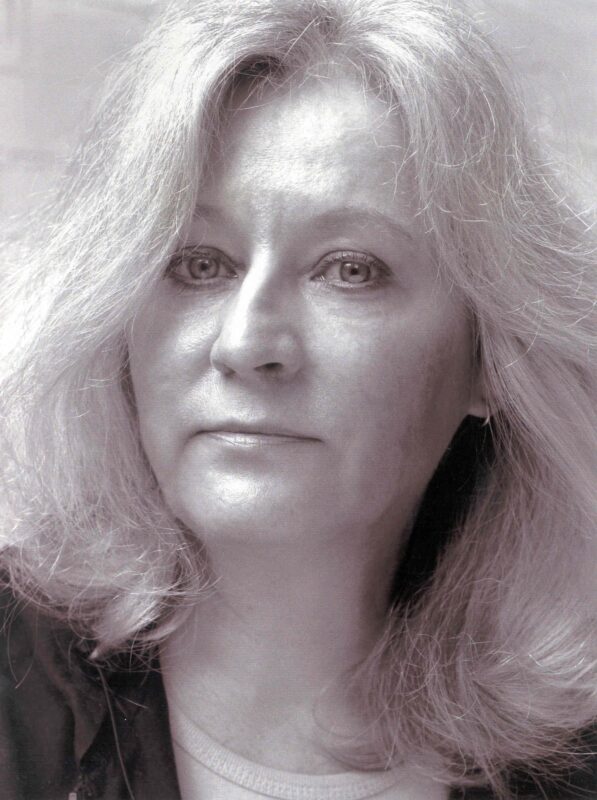
Marja Brouwers

(Bergen op Zoom, 1948) is a Dutch prose writer. In 1984 she made her debut with Havinck, a novel about the lack of depth in relationships. The novel was favourably received. Her approach to prose is simple and realistic, describing reality in a businesslike and ironic style. This also applies to her novel De Feniks. Een familiekroniek (The phoenix. A family chronicle) (1985), however differing from Havinck, this story of three generations is not told in chronological order. In 1989 her novel De Lichtjager (The Lighthunter) was published. Her novels are about the inability to understand the nearest and dearest to us. In her most recent novel Casino (2004) Marja Brouwers illustrates the delusions of the consumer society of the last decennium, in which economic and sexual standards keep on shifting.
20051011145356

Discover

20 May 2026

Get your 2027 tickets!

Get your Early Bird tickets for the big festival nights, Friday & Saturday Night Unlimited!