Masculinity in Crisis
A panel discussion about masculinity, loneliness, emancipation and why men also benefit from feminism. With three experts, namely: men!
Information
| Date and time | Friday 17 June 2022 22:40 tot 23:30 uur |
|---|---|
| Location | Paard Kleine Zaal |
| Price |
29,50 15,- (CJP, Students, Ooievaarspas) |
Are there still angry men at this festival!?! - with Jens van Tricht, Raoul de Jong, Linda Duits and Robin Block
While all kinds of emancipation are taking place at great speed, one group seems to be missing the boat: the white, heterosexual, cisgender man. Until recently, this group was in charge and able to say anything, but now more and more often feels silenced and unheard. And naturally, that leads to anger and sadness. In this panel discussion we addressed the question of why young men more and more frequently find connection in (online) subcultures such as inceldom (involuntary celibacy). In many cases, loneliness and an inflated idea of masculinity play a role.
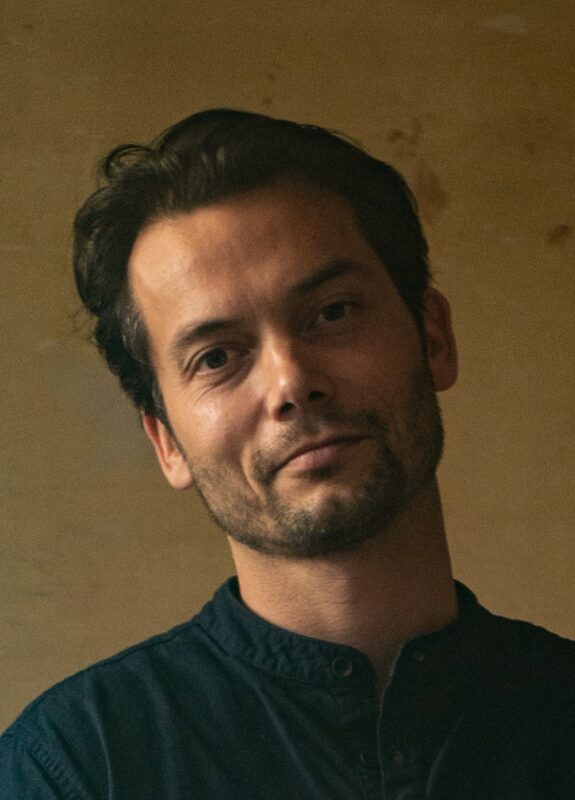
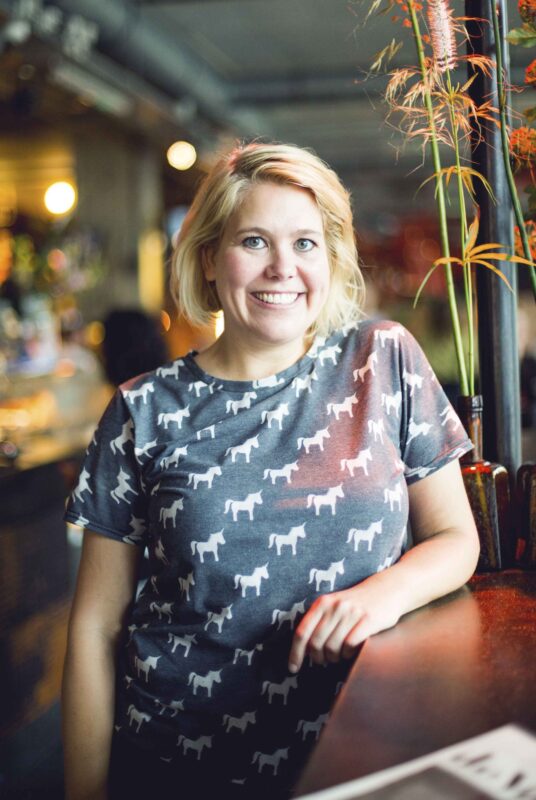
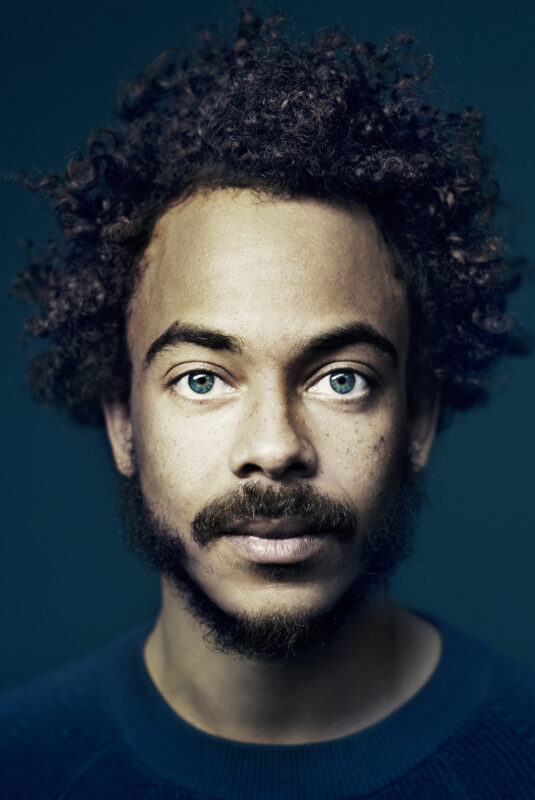
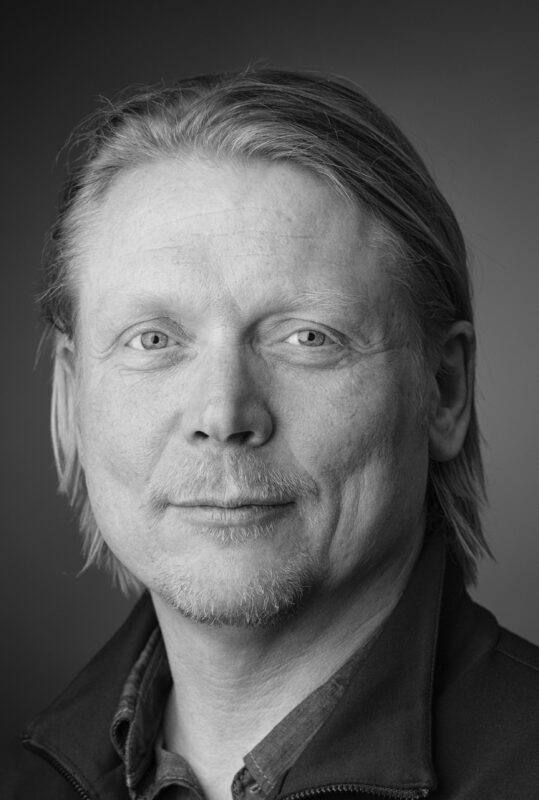
Has the emancipation of all non-men (and others) led to a crisis of masculinity? How can we better understand angry men - via empathy? And why, actually, are there so few men on stage at Winternachten? Autor and researcher Linda Duits discussesed this matter with as many as three men at once. While they are not representatives of the angry white hetero male, they are experts in all aspects of masculinity. First of all, there was poet and musician Robin Block, who heads a men's group in his free time and knows all too well how important a "community" of their own is for men. He was joined by Jens van Tricht, author and founder of the men's emancipation platform Emancipator, who can explain in great detail why men need feminism. Author and dancer Raoul de Jong was already the subject of documentary about masculinity in 2005 and brings another perspective: do we even still need to talk about masculinity and femininity as if they were mutually exclusive?
Together, in this event they opened the discussion on a phenomenon that, as we all know, can elicit a great deal of resistance. But this was an important topic under the banner of the Whose House is This? theme. We need everyone - men, women, and those who don't feel at home in these categories, angry or not - to make up an equitable society. Therefore, it was time to understand and get to know angry men better.
Dutch spoken.
Line-up
Discover
21 October 2026
Week van het Nederlands! Maud & Roan brengen taal in beweging
Een unieke dubbelvoorstelling van Maud Vanhauwaert en Roan Kasanmonadi tijdens de Week van het Nederlands (
13 October 2026
Week van het Nederlands! Maud & Roan brengen taal in beweging
Een unieke dubbelvoorstelling van Maud Vanhauwaert en Roan Kasanmonadi tijdens de Week van het Nederlands (
6 October 2026
Week van het Nederlands! Maud & Roan brengen taal in beweging
Een unieke dubbelvoorstelling van Maud Vanhauwaert en Roan Kasanmonadi tijdens de Week van het Nederlands (