Literature: The Great Whitewasher

Family plays an important part in Nazmiye Oral's columns, Ernest van der Kwast's novel and Ger Beukenkamp's scripts. Asis Aynan talks to them about literature as a way of whitewashing (family) histories. In Dutch.
20110124152638

Information

Date and time Saturday 22 January 2011 21:05 tot 22:00 uur
Location Theater aan het Spui - grote zaal

The writers Nazmiye Oral, Ernest van der Kwast and Ger Beukenkamp all write about family; Oral especially in her columns, Van der Kwast in his novel Mama Tandoori and Beukenkamp in scripts like De Kroon (The Crown) and Den Uyl en de affaire Lockheed. (Den Uyl and the Lockheed Affair). Oral's latest novel revolves around forgiveness, among other things. Scriptwriter and playwright Ger Beukenkamp likes to play political and constitutional dramas down to recognizable dilemmas of faithfulness, loyalty and love between spouses and their children. Asis Aynan will ask the writers about the whitewashing of (family) histories with literature and other forms of narration. Can writing be a form of forgiveness? In Dutch.

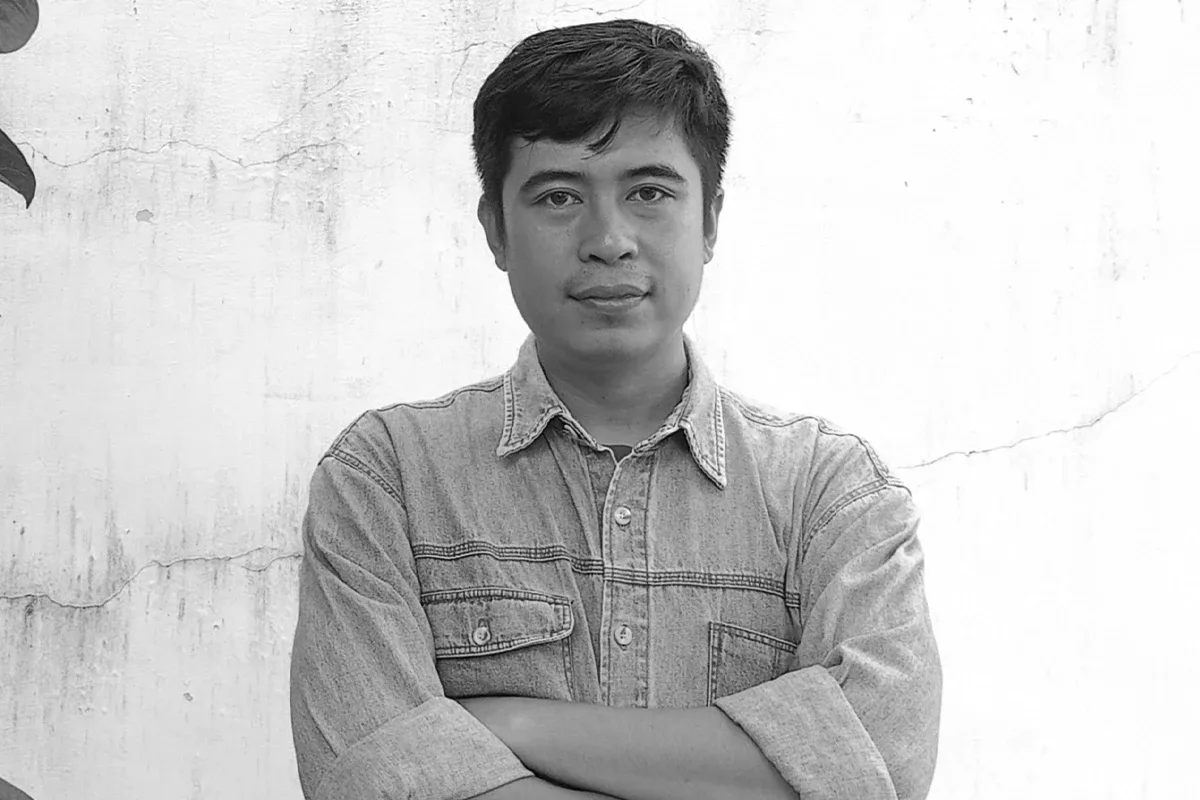
Nazmiye Oral

is a writer, actress and theatre artist. Her 2011 debut novel Zehra features a Turkish girl who is disowned because she is different. All her work poses one central question: how does one relate to those with different opinions without denying oneself? As an actress, Nazmiye Oral performed in Oesters van Nam Kee, Combat, Hertenkamp and Baantjer. She also toured the Netherlands, Belgium and US with Gesluierde Monologen (Veiled Monologues). She wrote one of these monologues, about a wife who loses contact with her husband. In 2010 Retour Hollands Spoor premiered, her second play for the Nationale Theatre, which she wrote with Gerardjan Rijnders. In 2020, she was a featured guest in prominent Dutch TV interview program Zomergasten (Summer Guests).
20201217105355 2

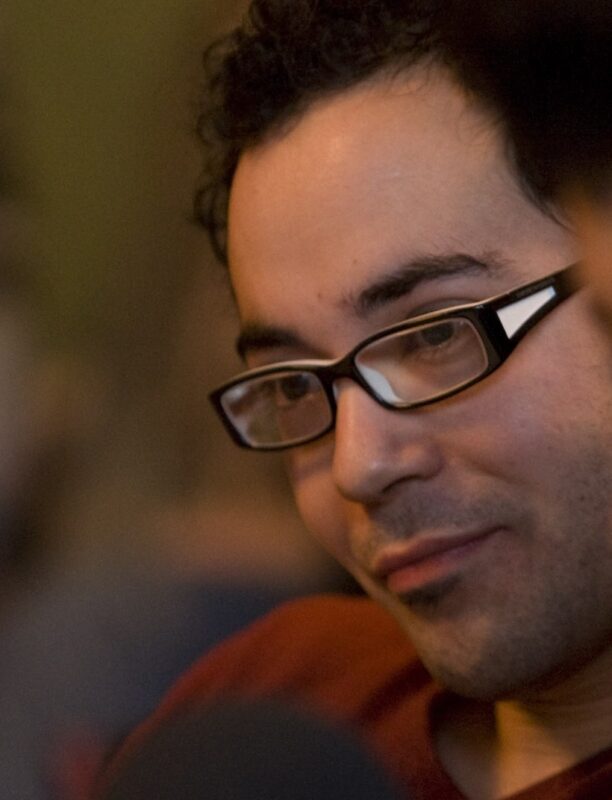
Ernest van der Kwast

(Bombay, 1981) is a literary jack-of-all-trades. Van der Kwast discovered his writing talent in the first year of gymnasium (grammar school) when he started writing plays. In his final exam year he made his debut with a short story in the literary magazine Passionate, becoming its editor-in-chief three months later. In 2001 he and Jorg Schellekens started the multicultural and interdisciplinary literary stage Nur Literatur, dubbed by Tommy Wieringa ‘the best literary festival in the Netherlands’. As Yusef el Halal he and various fellow writers published the collection of short stories Man zoekt vrouw om hem gelukkig te maken (Man seeks woman to make him happy) in 2003, called ‘the funniest debut’ of 2004 by Het Parool. In February 2005 his own debut followed, under his own name, Soms zijn dingen mooier als er mensen klappen, (Sometimes things are more beautiful when people start clapping) described by NRC Handelsblad as ‘heartrendingly beautiful’. In 2010 the romanticised story of his Indian mother appeared, Mama Tandoori that was nominated for the NS Publieksprijs 2010. Under the pseudonym Stieger Sloot he published the absurdist novel Stand-in in 2007.
20100930173028

Ger Beukenkamp

(1946) confesses to a deep-rooted fascination with the Dutch royal family. ‘Our stories are more beautiful than those of the English royals. Certainly those coming from the 19th century, which tend to be forgotten,’ he said when his history play De Troon (The Throne) was televised in March 2010. Beukenkamp has written some one hundred scripts for the theatre, film and television. Most recently Majesteit (Majesty), a feature film with Carine Crutzen as Queen Beatrix. His tv-drama De Kroon (The Crown) about the Zorreguieta affair won him a Golden Calf in 2005. Beukenkamp was recipient of numerous other awards, including the Lira prize, the Prix d’Italia and another four Golden Calf nominations. In 2003 Beukenkamp published De verborgen schrijver (The hidden writer), which was updated and published again in 2009. This handbook goes into writing dialogue, the struggle between form and content and is interspersed with real-life anecdotes. Beukenkamp teaches at the Scriptschool, the Dutch Film Academy, the University of Utrecht and the Theaterschool Amsterdam.
20101123113608

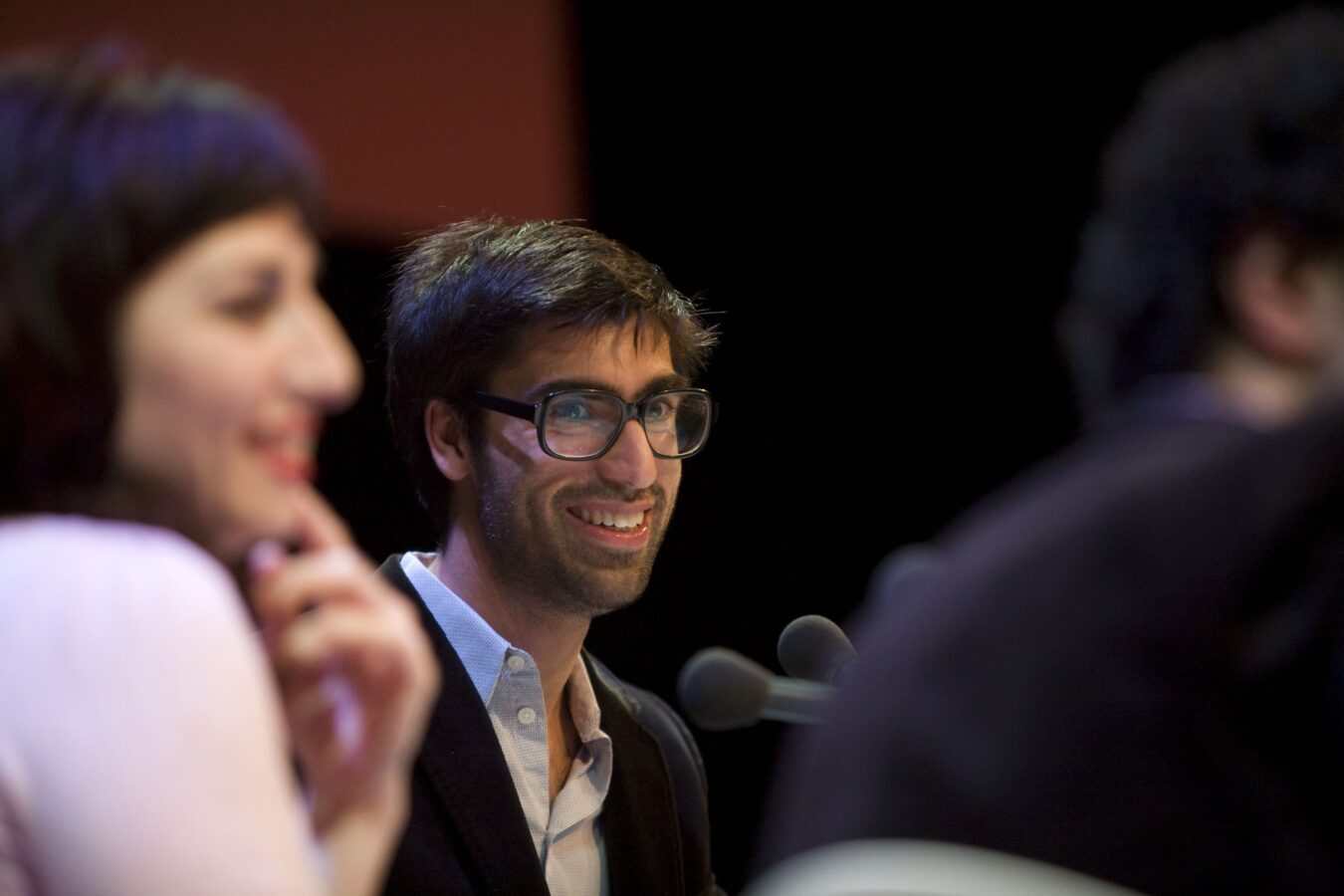
Asis Aynan

(Haarlem, NL, 1980) studied philosophy at the University of Amsterdam. Aynan, the son of Moroccan immigrants, is an active advocate of Berber culture. His debut Veldslag en Andere Herinneringen (Battle and Other Memories) was published in 2007, about his youth or, as he calls it, his "Catholic-Islamic-Berber background". Aynan is the creator of the Berber Library, a series of classics from Berber countries translated into Dutch. He further wrote Ik, Driss  (I, Driss, together with Hassan Bahara), the short-story collection Gebed zonder eind (Endless Prayer, 2014) and Linoleumkoorts (Linoleum Fever, 2019). Aynan works as a teacher at Hogeschool van Amsterdam; his articles have appeared in the NRC, Het ParoolFolia and Trouw.
20080131132856

Discover

20 May 2026

Get your 2027 tickets!

Get your Early Bird tickets for the big festival nights, Friday & Saturday Night Unlimited!