Linguistic Colonization: Then and Now
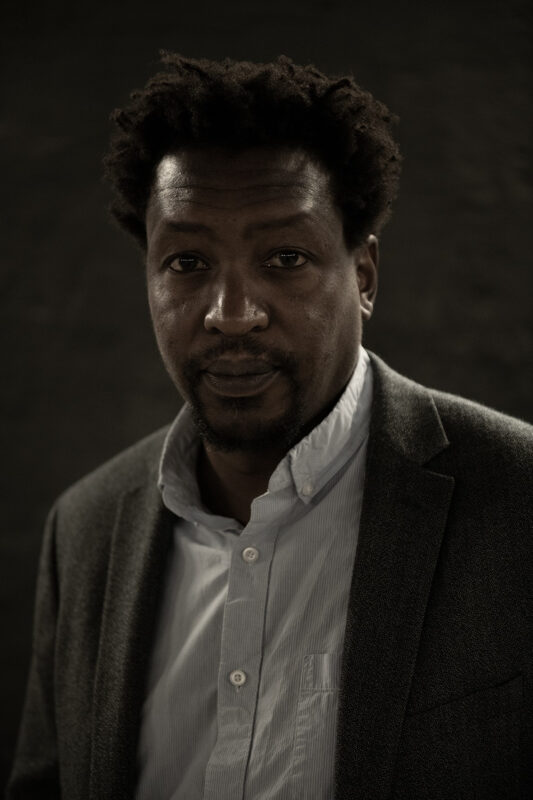
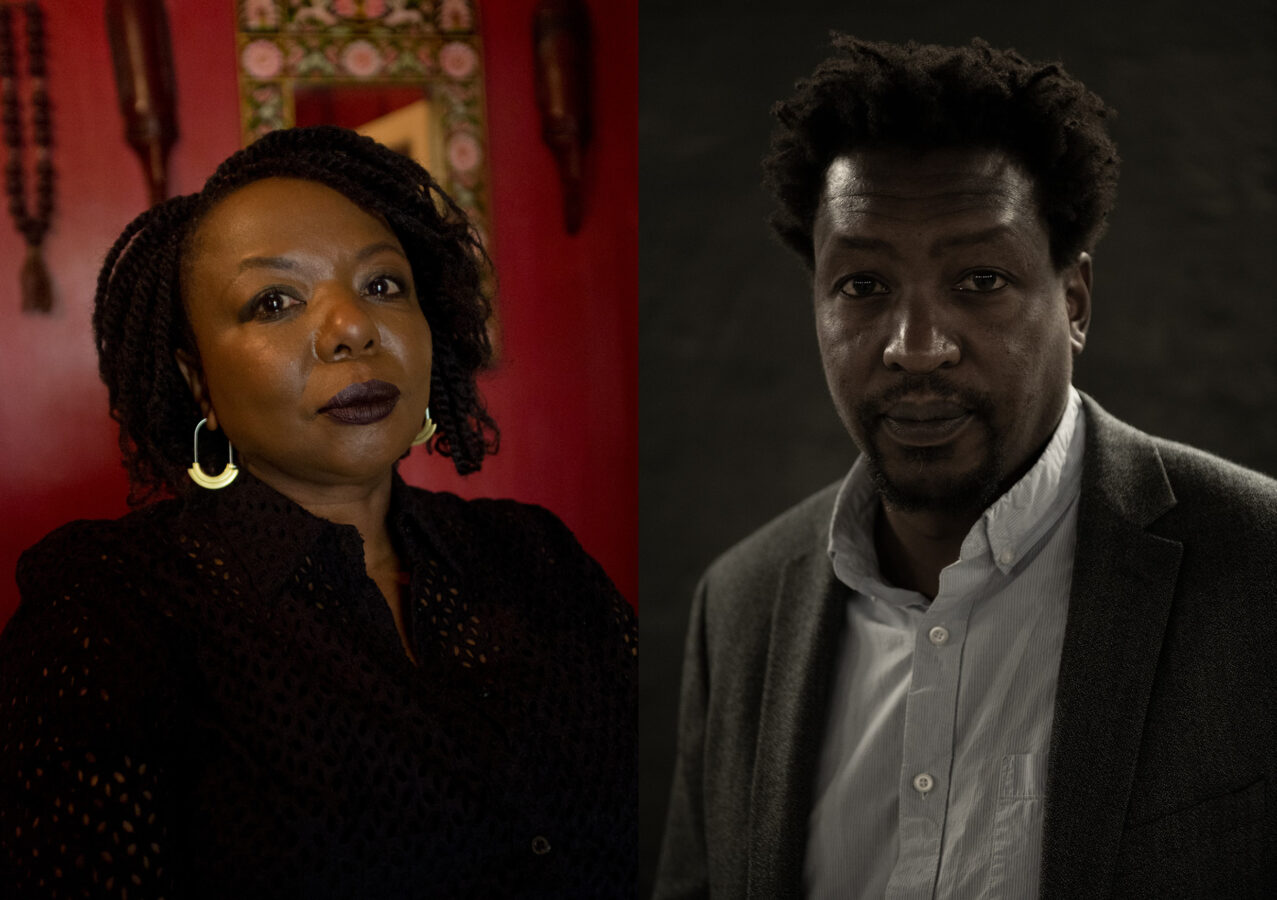
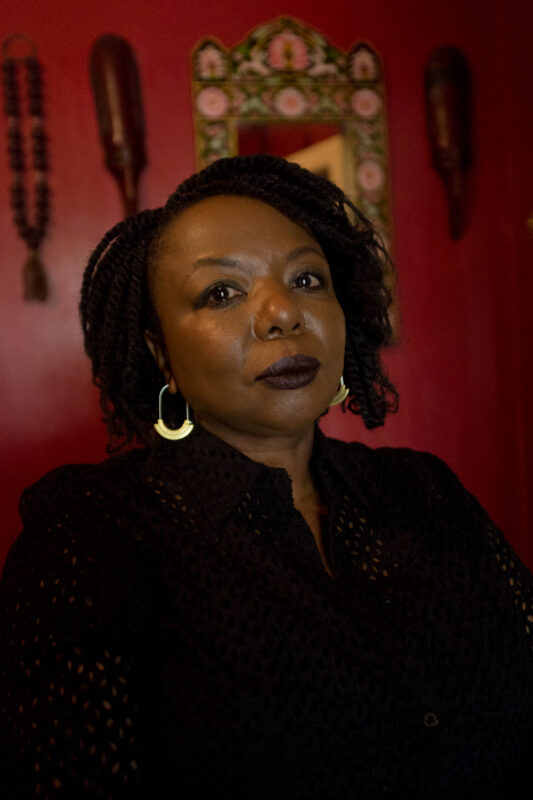
To what extent has African literature been able to wrest itself free of linguistic colonization? Can the predominance of English still be stopped, or is it a lost cause? A conversation with the American-Kenyan writer, poet, university lecturer in English and activist Mukoma Wa Ngugi and with Ellah Wakatama, Editor-at-Large of Scottish publishing firm Cannongate Books. She is also a senior Research Fellow at Manchester University and Chair of the Caine Prize for African Writing.
Information
| Date and time | Friday 17 January 2020 22:15 tot 22:55 uur |
|---|---|
| Location | Theater aan het Spui - Zaal 2 |
To what extent has African literature been able to wrest itself free of linguistic colonization? And what about other languages? Can the predominance of English still be stopped, or is it a lost cause? Liberian-Dutch writer and poet Vamba Sherif discusses the issue with American-Kenyan writer, poet, university lecturer in English and activist Mukoma Wa Ngũgĩ and with Ellah Wakatama, Editor-at-Large of Scottish publishing firm Cannongate Books. She is also a senior Research Fellow at Manchester University and Chair of the Caine Prize for African Writing.
Tip: Mukoma Wa Ngũgĩ also appears at the Storytelling Symposium "Decolonising the Mind: What Happened to You?" on Thursday, 16 January, at the International Institute of Social Studies.
Line-up
Discover
21 October 2026
Week van het Nederlands! Maud & Roan brengen taal in beweging
Een unieke dubbelvoorstelling van Maud Vanhauwaert en Roan Kasanmonadi tijdens de Week van het Nederlands (
13 October 2026
Week van het Nederlands! Maud & Roan brengen taal in beweging
Een unieke dubbelvoorstelling van Maud Vanhauwaert en Roan Kasanmonadi tijdens de Week van het Nederlands (

6 October 2026
Week van het Nederlands! Maud & Roan brengen taal in beweging
Een unieke dubbelvoorstelling van Maud Vanhauwaert en Roan Kasanmonadi tijdens de Week van het Nederlands (