Like me. Please like me. Opening Lecture by Amin Maalouf

Guest of honour Amin Maalouf ponders the deeper layers and consequences of a simple request: Like me. The lecture is followed by a debate with Aminatta Forna, Fouad Laroui and Andrés Neuman chaired by Sheila Sitalsing. In English.
20140121183237 16

Information

Date and time Friday 17 January 2014 20:00 tot 21:30 uur
Location Theater aan het Spui - Zaal 1

See me. Hear me. Read me. Appreciate me. Be like me. Do like me. Join me: with the democratisation of the media owing to the Internet and the social media, there is a growing longing for recognition. Not only do celebrities have a stage to sparkle on, all those with a blog, Facebook or Twitter account  can create their own little kingdom and think themselves a poet, a writer, a political expert or an expert on the environment.  Boundaries fade; idols and politicians can be reached on Twitter, making it seem as if one really counts. And a  like or a retweet is the reward. New online communities are formed, not hindered by national borders or local politics. The new world citizen creates his own virtual society of kindred spirits. What does it mean to live in a virtual world and what are the consequences for people's identities? Amin Maalouf ponders the deper layers and consequences behind a simple request: Like me. Followed by a debate on the topic. In English.
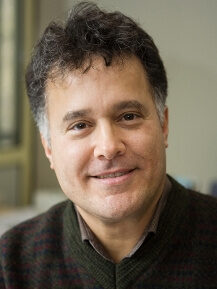
Amin Maalouf

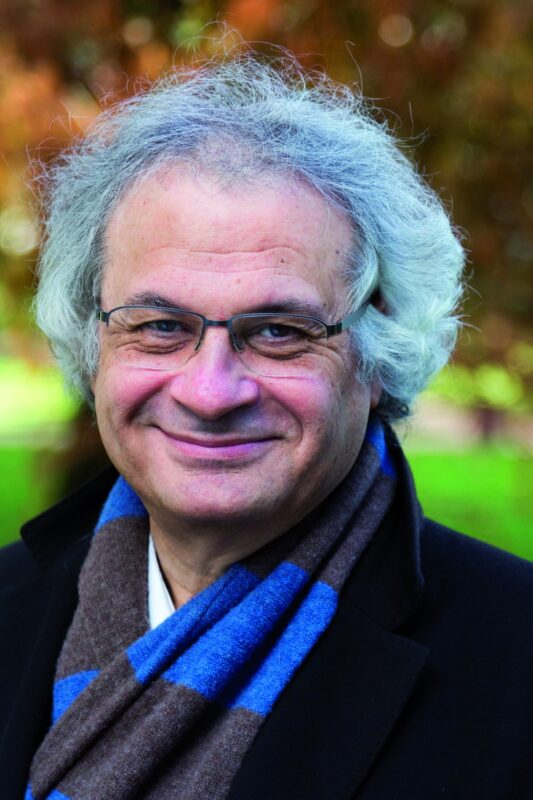
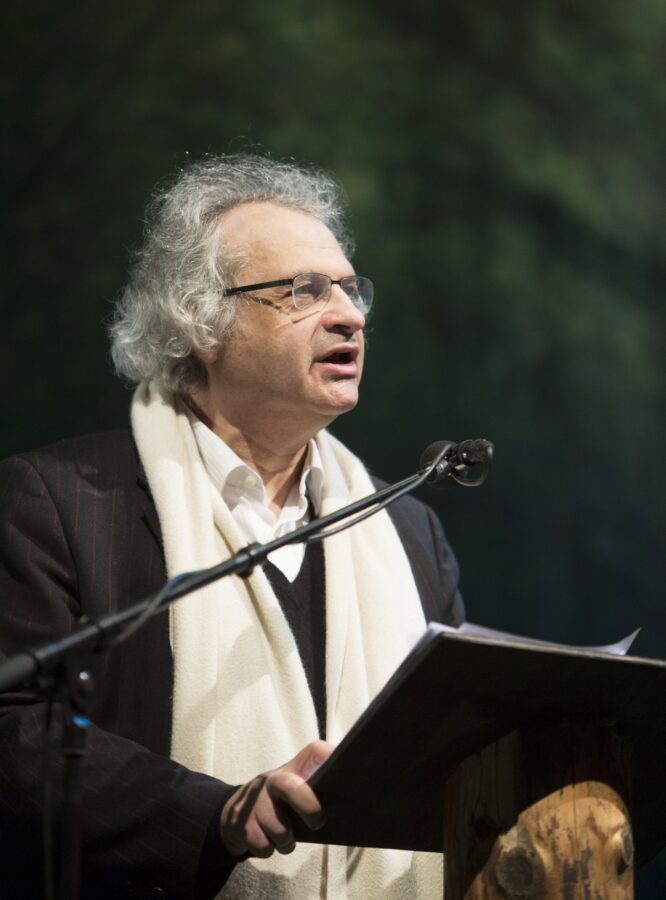
(Lebanon, 1949) is a journalist, writer and winner of the Prix Goncourt. Since 2011 is has been a member of the Académie Française. Trained as a sociologist and economist he decided at a young age to become a journalist. In 1976 he fled the civil war in his country and settled in France. After the success of his The Crusades through Arab Eyes (1983) he chose to become a full-time writer. Eight of his titles have appeared in the Netherlands so far. In his latest book Les emigrés a historian, much-admired in France, returns to Lebanon to say goodbye to a dying friend. He meets people from his youth who have made other, gruesome decisions. But is he allowed to judge them from his own luxurious position? An intriguing novel which, according to Le Figaro ‘continues to vibrate’. The struggle with his background plays a role in earlier work. In the essay Murdering Identities Maalouf pleads for a multicultural identity.
20130925104745 1

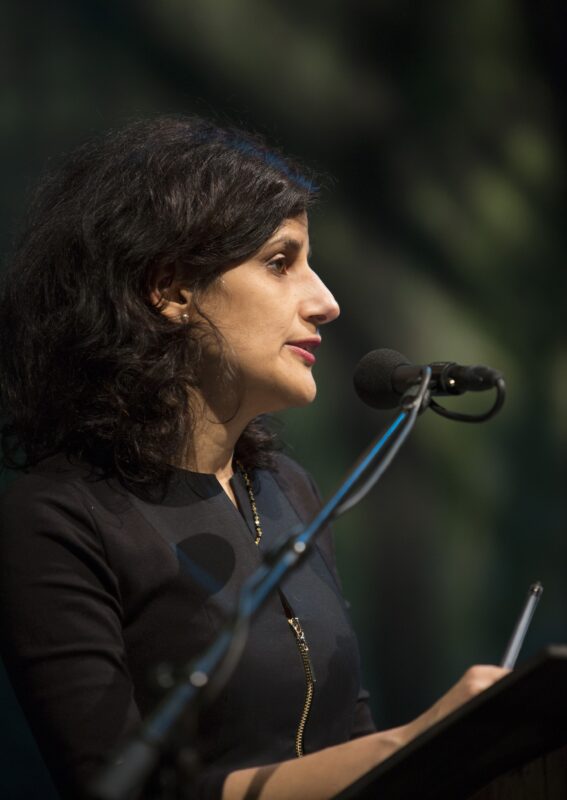
Aminatta Forna

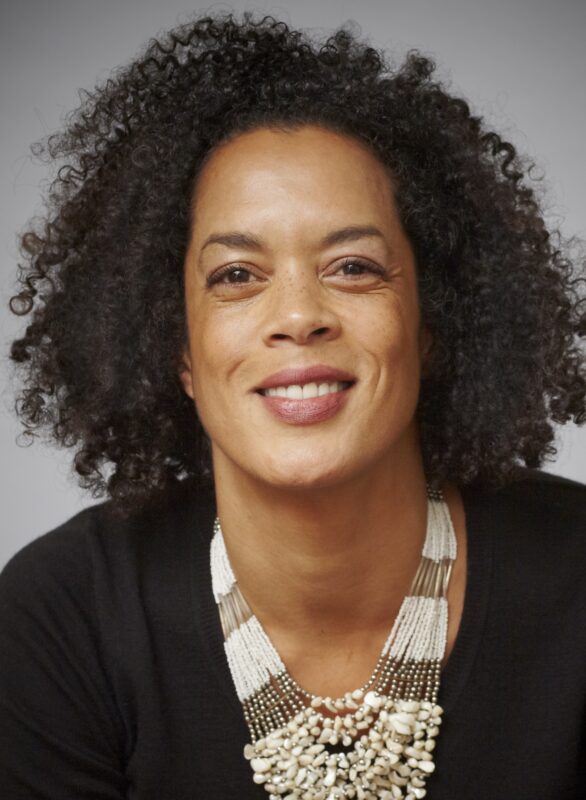
(United Kingdom, 1964) focuses in her work on how horrors of war are remembered. Forna spent a part of her childhood in Sierra Leone where her father, a politician, was falsely accused of treason and hanged. These events were the subject of her memoir The Devil that Danced on the Water (2003). Before her debut as a writer, Aminatta Forna worked as a reporter and documentary filmmaker with the BBC, where she wrote and directed several notable documentaries about African history and culture. In her novel Ancestor Stones (2006) four elderly Sierra Leonian aunts tell stories of the past to their niece. And in the novel The Memory of Love (2010) a British psychologist in Freetown attempts to penetrate a collective silence about the past. In The Hired Man (2013) Forna brilliantly paints lingering tensions in one village in postwar Croatia. In Happiness (2018), a Ghanaian psychiatrist visiting London offers a view of Europe through African eyes.
20231106160842 2

Sheila Sitalsing

(Suriname, 1968) is a journalist, writer, and economist. She writes books, essays and columns on politics and society. For eleven years, she wrote a widely read column in Dutch national daily newspaper de Volkskrant every other day, for which she was awarded the Heldring Prize for best columnist in the Netherlands. In 2024, she received an honorary doctorate from the University of Humanistic Studies. She wrote the political biography Mark, portret van een premier (2017Mark, portrait of a prime minister) and compiled her columns about the COVID pandemic year 2020 in Dagboek van een krankzinnig jaar (Diary of a Mad Year). In 2025, her book Waar ik me voor schaam (What I am ashamed of) was published, a non-fictional, perceptive account of a search for the workings of intergenerational shame and totalitarian temptation.
20140121183237 13

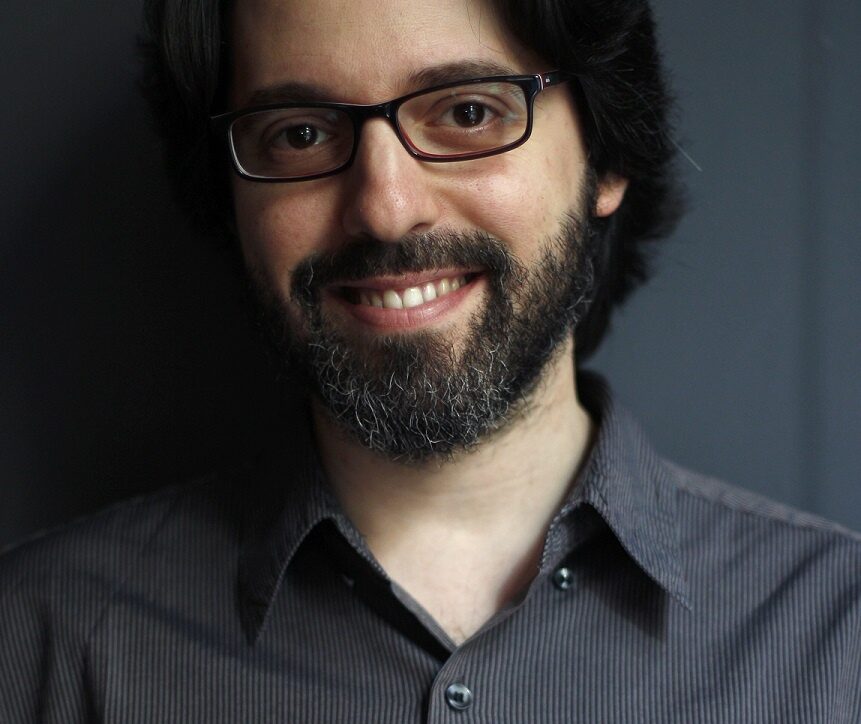
Andrés Neuman

(Argentina, 1977) is a writer, poet, translator, columnist and blogger. Born in Argentina and the son of a violinist and an hoboist he grew up in the Spanish town of Granada from the age of fourteen. He studied Spanish letters and lectured Latin American literature at the University of Granada before breaking through with the tome Traveller of the Century. The story takes place in a fictitious 19th century European village, involving an impossible relationship between the translator Hans and his intellectual peer Sophie. According to the Volkskrant this novel equals A Hundred Years of Solitude and The Green House ‘in terms of ambition, erudition and vitality’. In his latest novel Talking to Ourselves a terminally ill man, his wife and son each tell their own story, confronted with the approaching death of the father. Neuman is a fanatical blogger. According to the cultural magazine El Cultural his blog Microrréplicas is one of the best literary blogs in Spanish.
20131031120105 1

Fouad Laroui

(Morocco, 1958) in 2013 won  the Prix Goncourt de la Nouvelle for his collection of short stories The Curious Case of Dassoukine's Trousers. Since his debut in 1996 humor has been his weapon against intolerance, both in his novels and in his other work. In his fiction, such as the collection of short stories Poldermarokkanen (2010), the novels Une année chez les Français (2011) and La femme la plus riche de Yorkshire (2011), Laroui describes time and again the collision between North African culture and Western culture. Laroui grew up in Casablanca and studied econometry, mathematics, physics and architecture in Paris. He lectures French literature and Arab culture at the University of Amsterdam.
20181217095441 1

Discover

20 May 2026

Get your 2027 tickets!

Get your Early Bird tickets for the big festival nights, Friday & Saturday Night Unlimited!