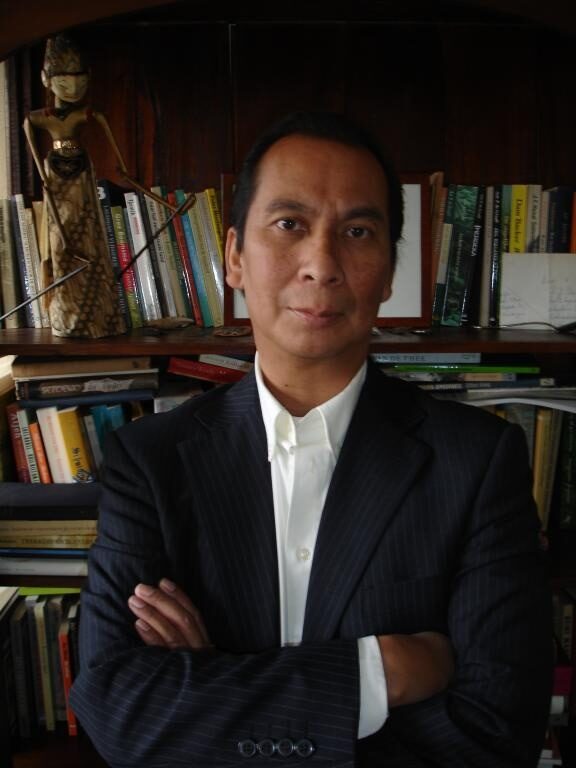
Unmasking Colonial Myths

Are we dealing with stubbornly clinging myths about colonial times, also in our literature?
20191125115836 1

Information

Date and time Saturday 18 January 2020 20:00 tot 21:05 uur
Location Theater aan het Spui - Zaal 1

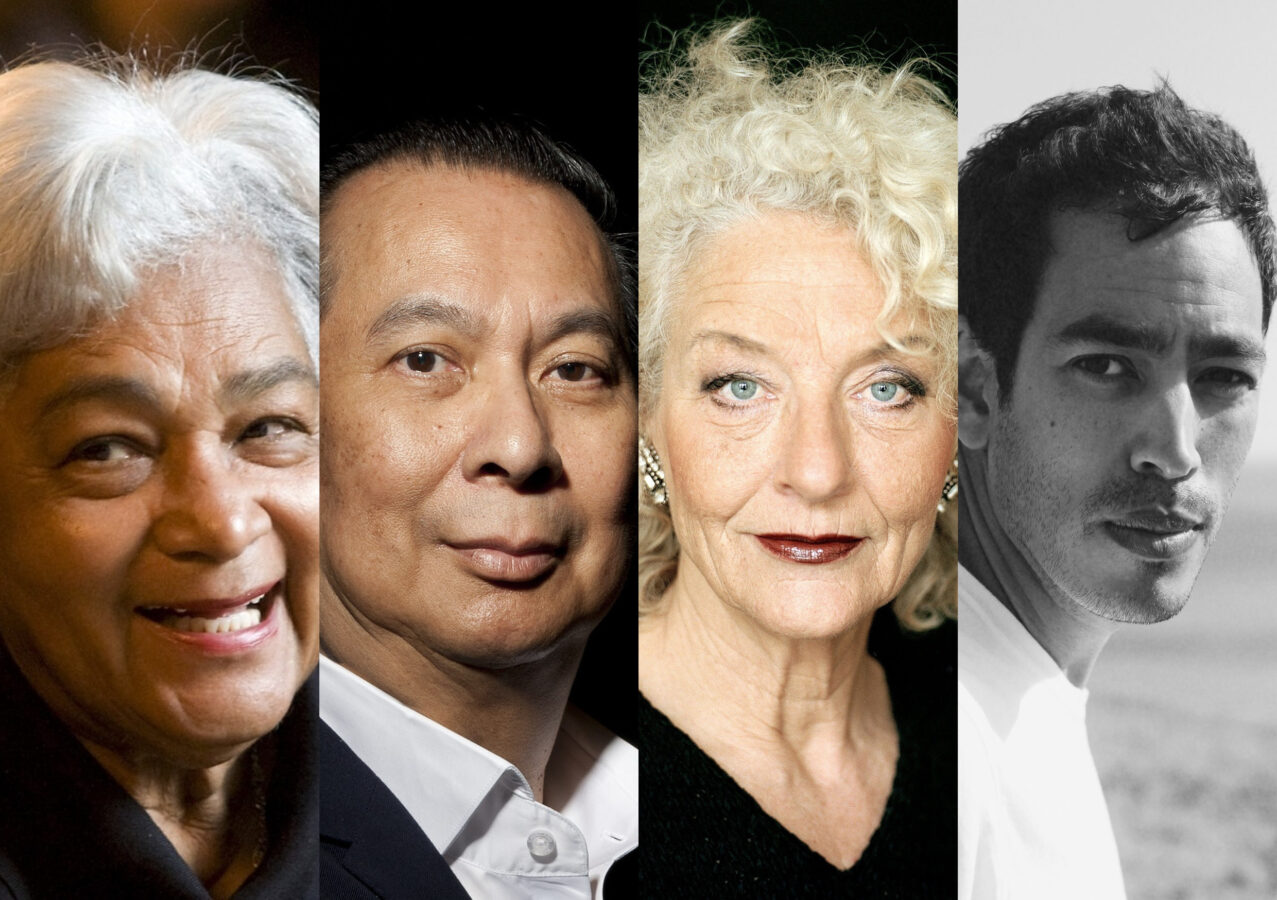
Are we dealing with stubbornly clinging myths about colonial times? Writers Reggie Baay, Cynthia McLeod and Johan Fretz discuss colonial myths under the guidance of moderator Sarah Sluimer, with an introductory reading by Nelleke Noordervliet.

The romantic idea lives on that the Netherlands introduced civilization and welfare as a colonizer. But wasn't something specific taken away before that, namely spices and raw materials, at the cost of the local population? Do these myths manifest themselves only in our thoughts or do they also creep into our literature? Have we learned from our history?
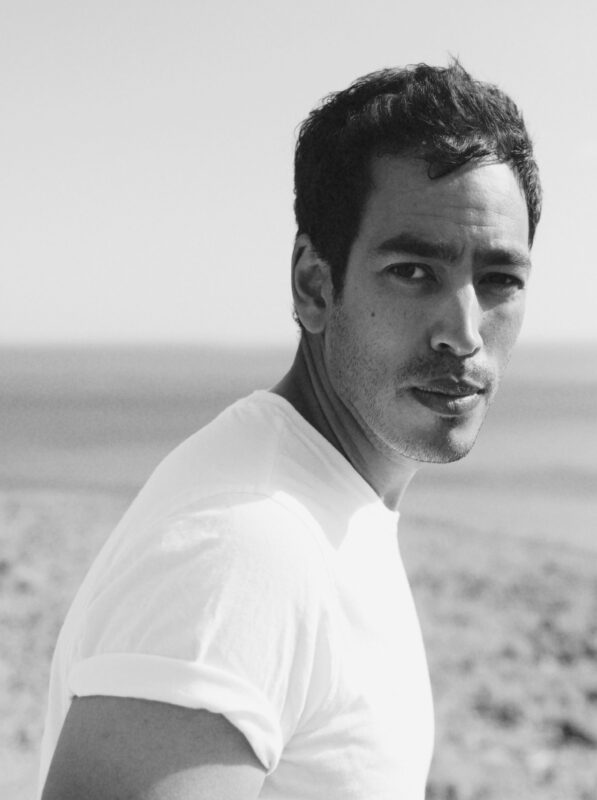
Reggie Baay

(Netherlands, 1955) won much praise for his books about the njai, women in the Dutch East Indies who lived in concubinage and had children with Dutch men. He debuted in 2006 with the semi-autobiographical novel De ogen van Solo (Solo’s Eyes), dealing with the rootlessness of people from the Dutch East Indies. Gebleekte ziel (Bleached Soul, 2012) is a novel based on historical fact about the son of a Balinese nobleman sent to the Netherlands to be "bleached", to erase his indigenous identity. Daar werd wat gruwelijks verricht (Something Horrible Happened There) is a non-fiction book about the unknown history of slavery in the Dutch East Indies. In 2018 he published the documentary novel Het kind met Japanse ogen (The Child with Japanese Eyes), a personal quest and historical investigation into the life of his father.
20090827201152

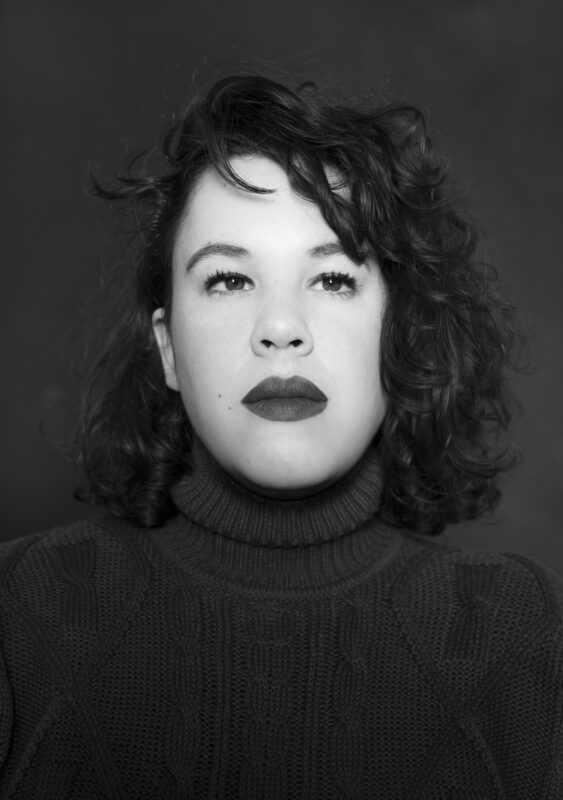
Nelleke Noordervliet

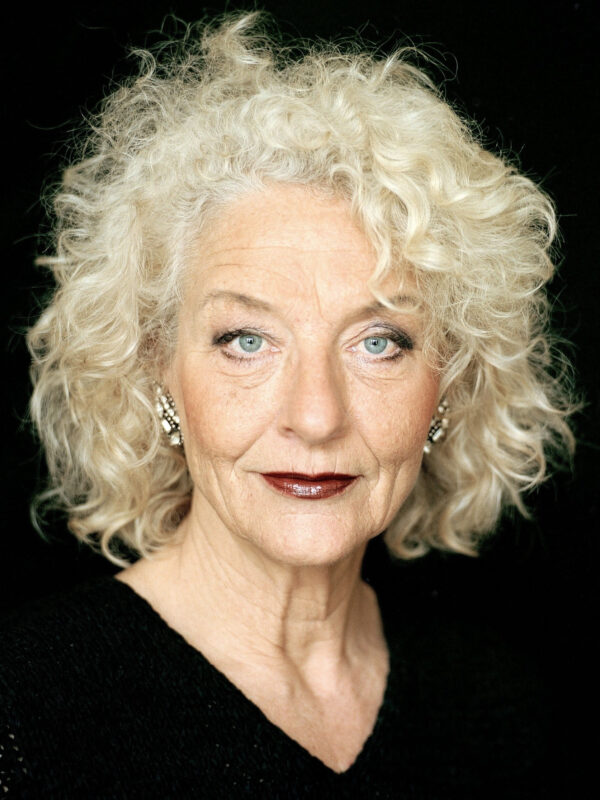
(Netherlands, 1945) writes novels, stories, essays, lectures and columns with a strong historical bent. She debuted with 1987's Tine of de dalen waar het leven woont (Tine, or the Valleys Where Life Lives), a fictitious biography of 19th-century Dutch writer Multatuli's first wife. Her book De naam van de vader (The Name of the Father) won the 1994 Multatuli Prize. In 2002 she wrote Pelican Bay, about slavery in the Caribbean and the Netherlands. Her essay collection Schatplicht (Tribute) appeared in 2013, and her 2016 novel Aan het eind van de dag (At the End of the Day) is simultaneously a portrait of a career woman and a snapshot of the second half of the 20th century. De val van Thomas G. (The fall of Thomas G.) tells about the publisher of a controversial book. Noordervliet's body of work was awarded the 2018 Constantijn Huygens Prize.
20181203095828 1

Cynthia Mc Leod

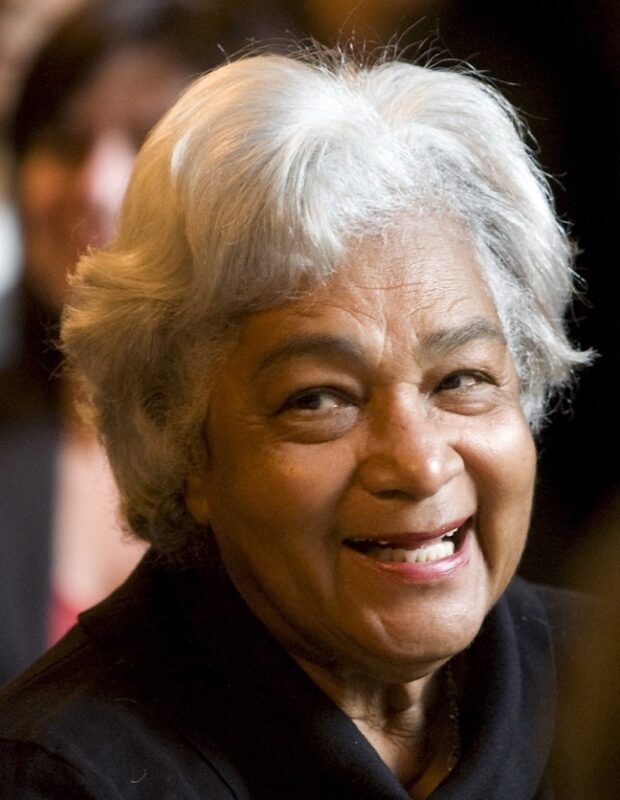
(Suriname, 1936) made her writer's debut with Hoe duur was de suiker? (How Costly Was the Sugar?, 1987), the novel that made her the most famous Surinamese writer overnight and was adapted for film in 2013. She was the first to describe the history, the slaving past and the colonization of her country from a Surinamese perspective. As an expert in the field, she lectures about the history of slavery at US and Canadian universities and organizes educational field and city trips. She has written historic novels, including De Vrije Negerin Elisabeth, gevangene van kleur (The Free Negress Elizabeth, Prisoner of Colour, 1992), as well as studies, children's books and children's musicals. Her No kwik in het bos (No Mercury in the Forest, 2017) is a YA novel about a ten-year-old girl and the dangers of mercury in the gold-mining process. McLeod is a daughter of Johan Ferrier, the first president of Suriname.
20141009112654 1

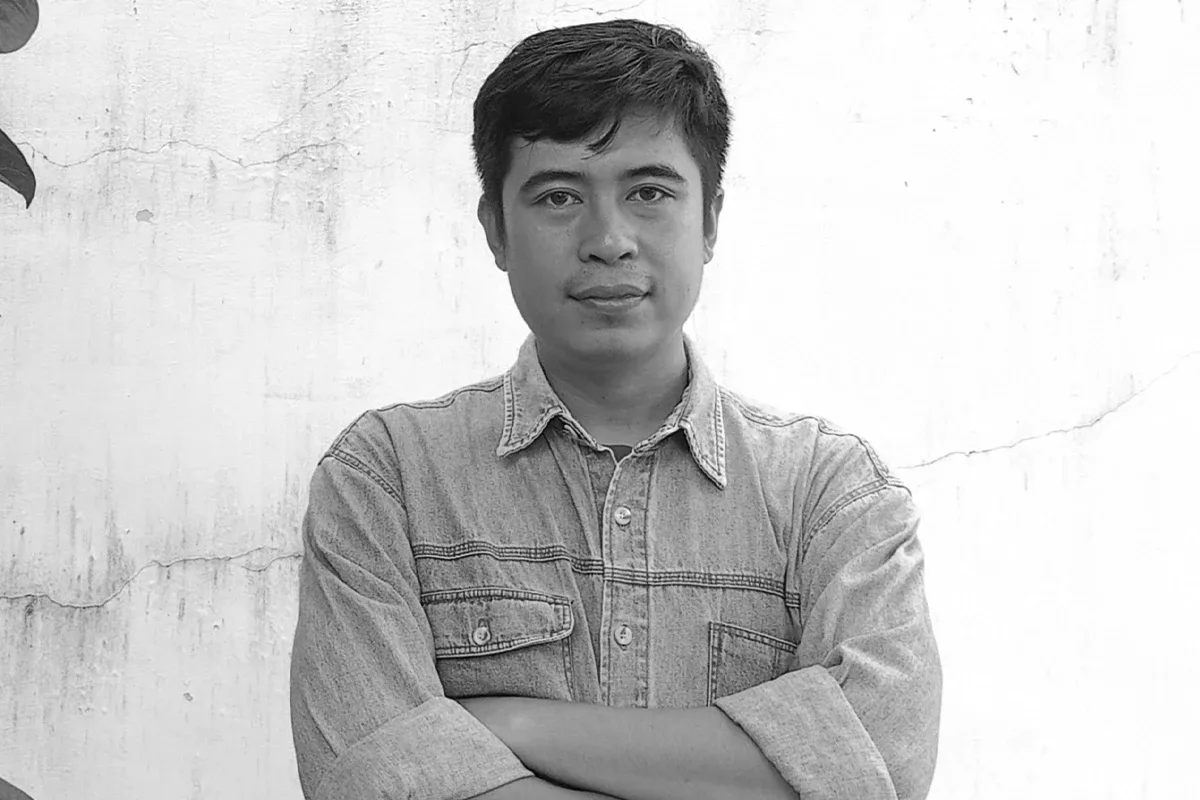
Johan Fretz

(1985) is a writer, theatre and documentary filmmaker. He successfully made cabaret performances, first with Marcel Harteveld and then solo, was a columnist for Het Parool for a decade and in 2012 published his novel Fretz 2025, in which a young idealist aspires to become prime minister of the Netherlands. His second novel, Onder de paramariboom, won him the Boekhandelsprijs in 2019. In it, he tells the story of a hilarious and disarming road trip through Suriname; a quest for roots and identity as a 'double-blood' and for reconciliation between a mother and a son. 2022 saw the broadcast of the documentary What's Left, which he made with Juul Op den Kamp, about the decline of social democracy, and the publication of his book Met vriendelijke groet (Best regards), a collection of his most important pieces, stimulating and layered reflections, with which Fretz celebrates ten years of authorship. In 2023, his literary non-fiction book Onvrijheid (Lack of Freedom) will be published.
20191106141839 1

Sarah Sluimer

(1985), writer, theatre maker, columnist, wrote her debut novel (2018) with Keizer, about a celebrated Amsterdam theatre director who meets his Nemesis in New York. In 2020, she published her novella De Stilte (The Silence). She has a regular Saturday column in Dutch national daily newspaper NRC. Her columns from the past eight years will be collected under the title Geef je over (Surrender) and will be released in February 2024. In December, a play she wrote premieres with Orkater, titled En ze maakte een kind (And She Made a Child). She is working on a new novel.
20191106105007 1

Discover

20 May 2026

Get your 2027 tickets!

Get your Early Bird tickets for the big festival nights, Friday & Saturday Night Unlimited!