It's the War, Stupid!

How do extreme circumstances turn normal people into monsters capable of heinous crimes? How did 'Srebrenica' come about? This year, Frank Westerman published his Balkan reports and Slavenka Drakulić looked into the background of Yugoslavian war criminals to find a reason.
20151014115421 1

Information

Date and time Friday 15 January 2016 20:45 tot 21:45 uur
Location Theater aan het Spui - Zaal 2

How do extreme circumstances turn normal people into monsters capable of heinous crimes? In her book They Wouldn't Hurt a Fly, Slavenka Drakulić looked into the background of Yugoslavian war criminals to find reasons for their later misdeeds. Frank Westerman experienced these crimes up close. This year, his Balkan reports were published in De slag om Srebrenica (The Battle for Srebrenica). And what about us: how do we deal with atrocities perpetrated by earlier generations? The writers discuss this subject under the guidance of Johan de Boose. In English

This event replaces "It's the System, Stupid," which was cancelled since Tariq Ali is unable to attend the festival.


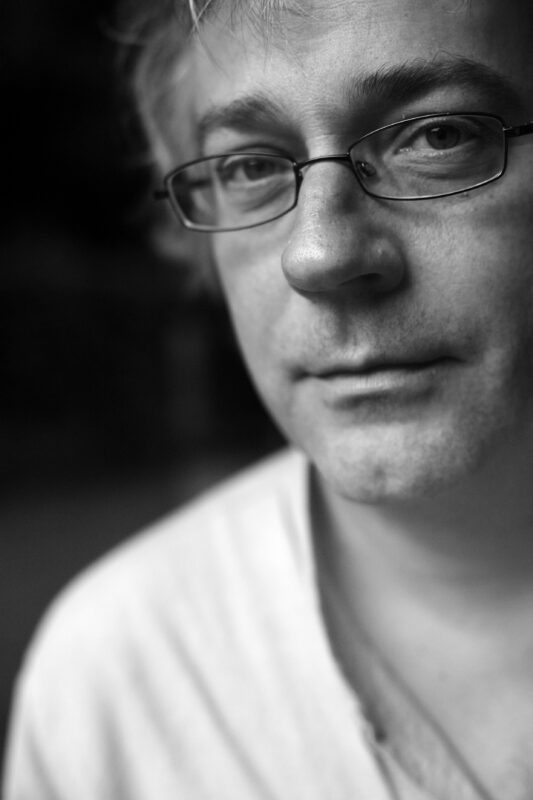
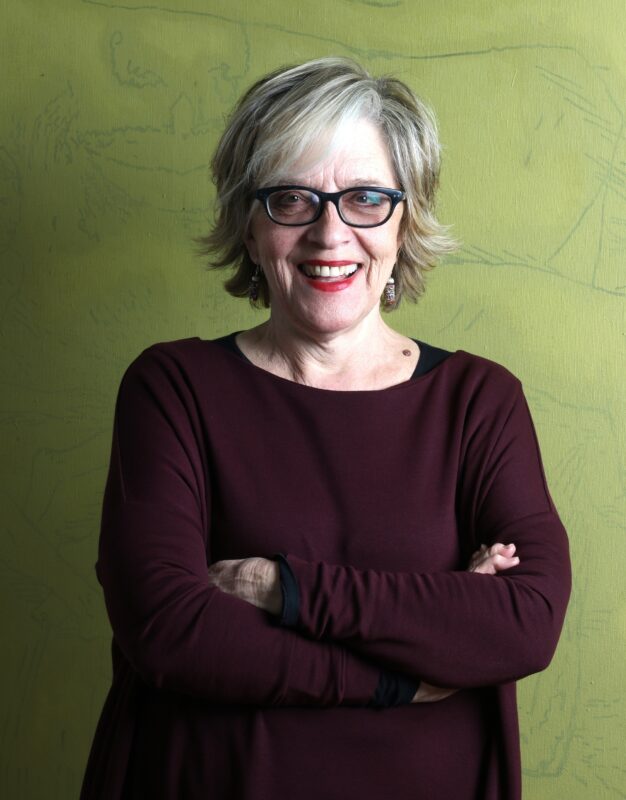
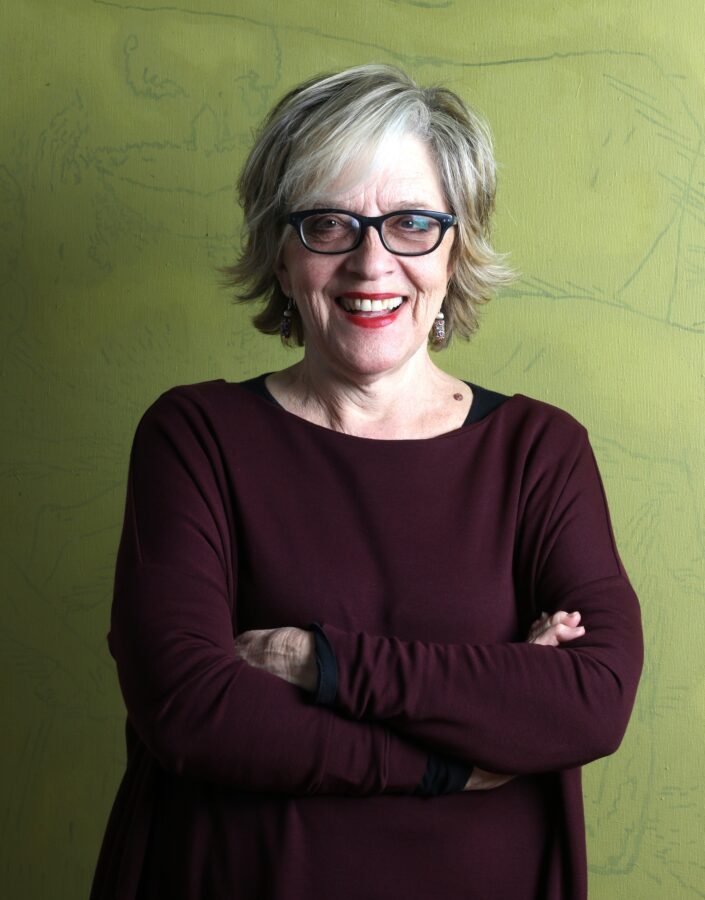
Slavenka Drakulić

(Yugoslavia, 1949) is a Croatian writer and journalist who divides her time between Stockholm and Zagreb. From 1982 to 1992 she wrote on feminist issues for Croatian media. After receiving threats due to her position on the rape of women during the Balkan War, she moved to Sweden in the early 1990s. She now writes for a wide range of publications, including La Stampa and Frankfurter Allgemeine. The war in the former Yugoslavia is the main focus of her work, both in her novels and non-fiction. She gave voice to women abused during the Balkan War in As If I Am Not There. And in They Would Never Hurt a Fly, she asks how people can be capable of extreme crimes in circumstances of war, referring to cases before the ICTY in The Hague. Nine books by Drakulić were published in Dutch between 1993 and 2003.
20151014115421 1

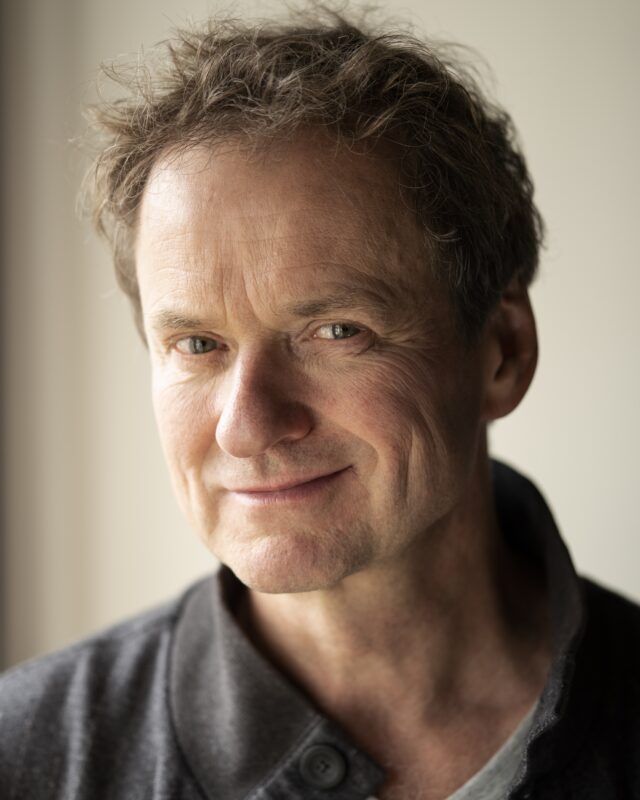
Johan de Boose

(Belgium, 1962) is a Slavicist, writer and actor. He made is debut with the novel Fluweel van leegte (Velvet Emptiness) in 1994. His poetry debut followed in 1996, after which he produced a novel, poetry collection, or travel book every year. He's currently acting in a monologue, Bloedgetuigen (Blood Witnesses), based on his own 2011 novel, which describes the 20th-century struggle between Eastern and Western Europe from various perpectives in 734 pages. Part three of his trilogy Het Vloekhout (Cursed Wood) will soon be published - a tragicomic story about our times, about belief and terrorism, about aging people's fear of total futility. De Boose has also curated an exhibition on Polish avant-garde artist Tadeusz Kantor, with whom he studied, and is working on a graphic novel about the Russian Revolution of 1917. In 2008, he received the Henriette Roland-Holst Prize for De Grensganger, reis langs de ruïnes van het IJzeren Gordijn (Border Walker: Travels along the ruins of the Iron Curtain).
20151202103012 1

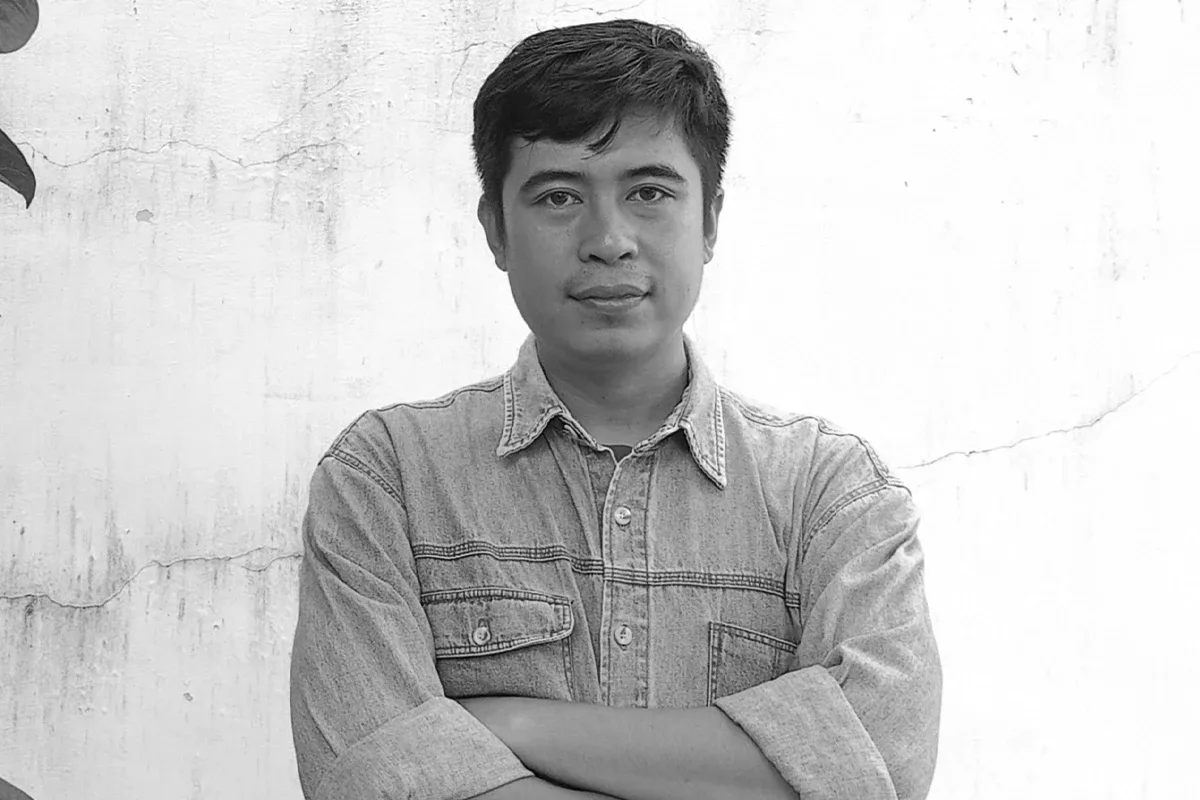
Frank Westerman

(Emmen, NL, 1964) studied tropical agricultural engineering and was a correspondent for the Volkskrant and NRC Handelsblad newspapers in Belgrade and Moskow. He wrote about his time there in 1994's De Brug over de Tara (The Bridge over the River Tara). Together with journalist Bart Rijs he wrote 1997's  Srebrenica, Het zwartste scenario (Srebrenica, the Blackest Scenario). Ingenieurs van de ziel (Engineers of the Soul) was published in 2002, an inquiry into the foundations of the Soviet system and the role of writers. De Graanrepubliek (The Grain Republic), about the struggle between rich gentlemen farmers and communist workers in Groningen, was published earlier. Westerman's novel El Negro en ik (El Negro and Me), inspired by a preserved South African in a Spanish museum, was published in 2004 and won the Gouden Uil prize. His revised and augmented 2015 edition of De Slag om Srebrenica (The Battle for Srebrenica) won the Prinsjes Book Prize for best political book. Een woord een woord (One Word One Word) appeared in 2016, in which he tests the strength of free speech under the pressure of terrorist threats. As a child, he experienced the Molukkan train hijacking at close quarters; as a correspondent, he witnessed Chechen terror in Russia. Drawing on these gripping experiences, he describes a series of hostage dramas. In Zeven dieren bijten terug (Seven Animals Bite Back), Frank Westerman encounters seven magnificent creatures in the wake of Willem Barentsz. Along the way, the reader becomes captivated by the wondrous tale of seven polar animals and what they have to tell us at our latitude.
20250218135334 1

Discover

20 May 2026

Get your 2027 tickets!

Get your Early Bird tickets for the big festival nights, Friday & Saturday Night Unlimited!