International poetry: The Right Word

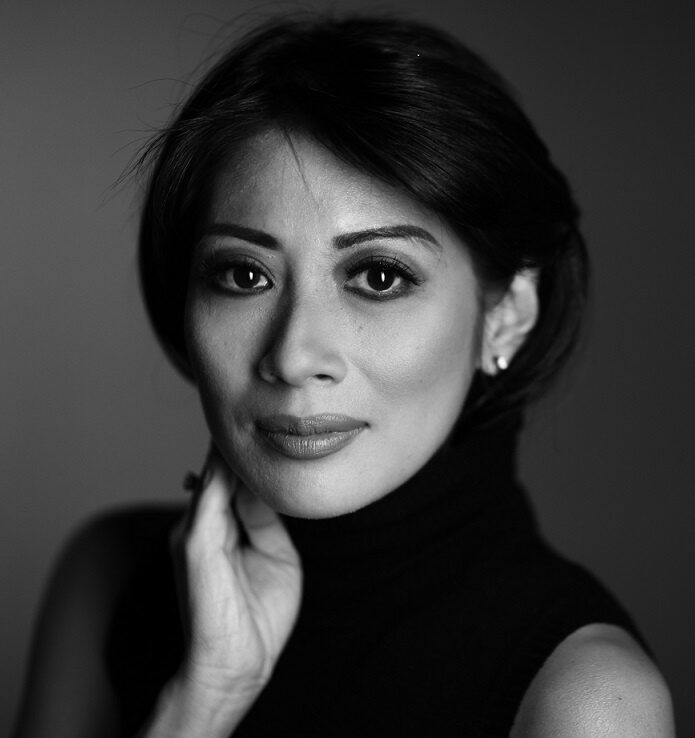
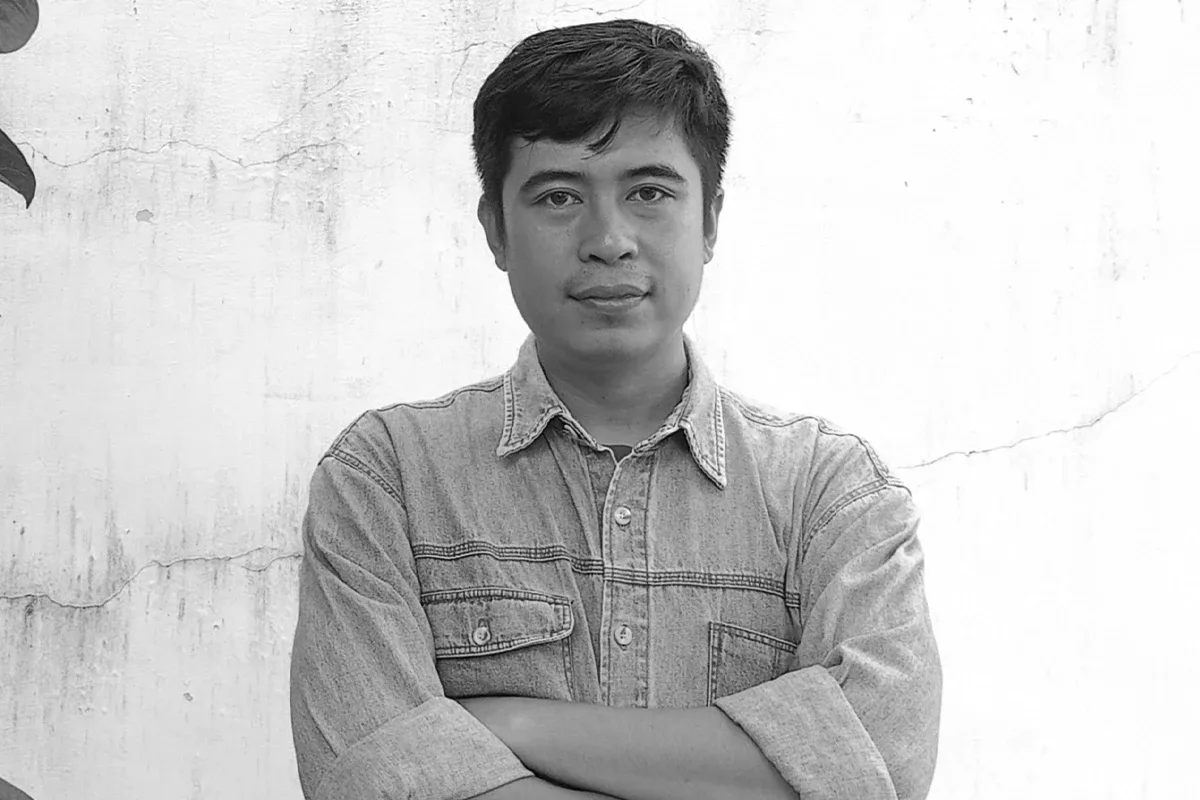
The renowned poets Esther Jansma, Joumana Haddad, Nese Yasin and Laksmi Pamuntjak read and talk about their quest for the right word. Host: Tsead Bruinja. In English.
20090123142349

Information

Date and time Saturday 17 January 2009 22:10 tot 23:00 uur
Location Theater aan het Spui - kleine zaal

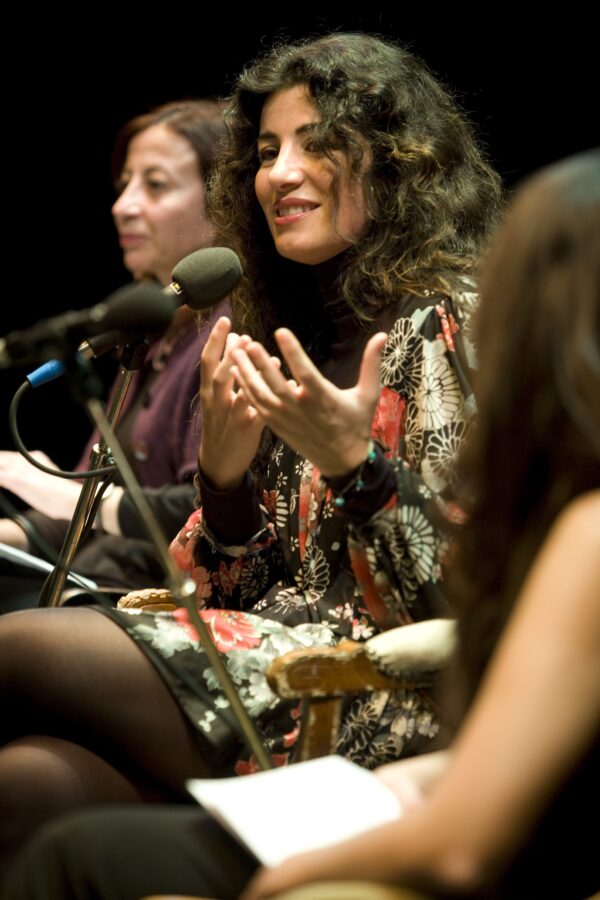
‘It only needed to be found,’ Esther Jansma writes in her poem ‘Everything is new’. In this international poets' programme four poets of stature talked to each other about their quest for words. With Esther Jansma, the Lebanese poet Joumana Haddad, the Turkish/Cypriot Nese Yasin and Laksmi Pamuntjak (Indonesia). Hosted by the poet Tsead Bruinja.
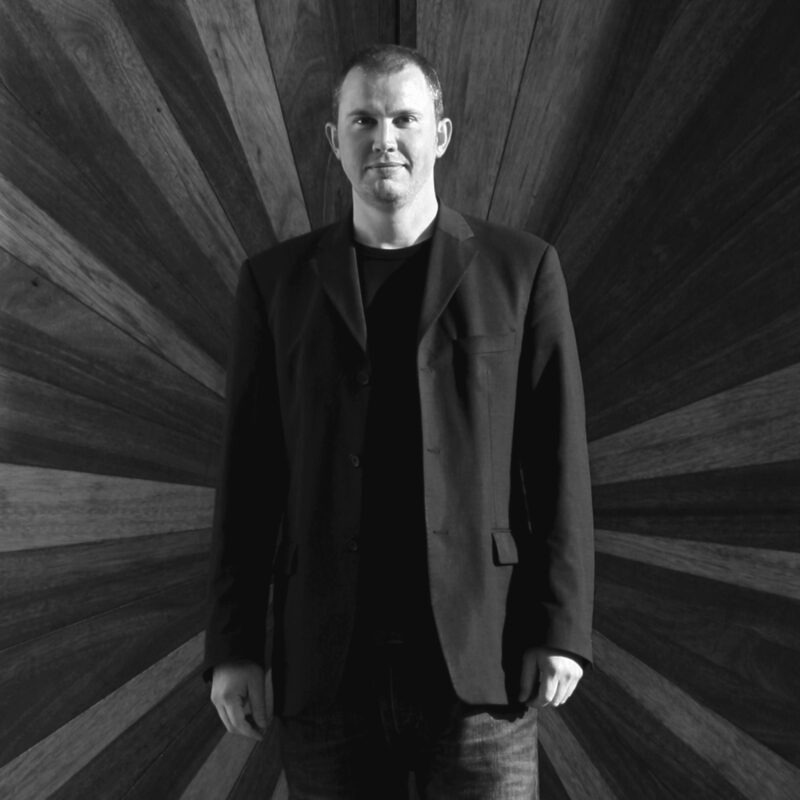
Tsead Bruinja

(Rinsumageest, 1974) made his debut in 2000 with Frisian volume of poetry De wizers yn it read (The Needles in the Red). In 2008 a bilingual anthology appeared of his Frisian poetry, De Berte fan it swarte hynder (The Birth of the Black Horse). Bruinja translated the poems himself, and in many instances revised them. In this volume he evokes his youth in the Frisian countryside, whereby the illness and death of his mother plays a prominent role. Bruinja edited various anthologies, among others Droom in blauwe regenjas (Dream in a Blue Raincoat; 2004), a compilation of Frisian poems, Klotengedichten (Bollocks Poems; 2005, poetry about the scrotum) and Kutgedichten (Cunt Poems; 2005, on the female genitals). In 2007 the volume Bang voor de bal (Fear of the Ball) appeared. Tsead Bruinja wrote poetry reviews for newspapers, magazines, and radio. He combines his poetry readings with live music, such as flamenco, trance and hiphop and frequently interviews other poets before an audience.
20081202104718

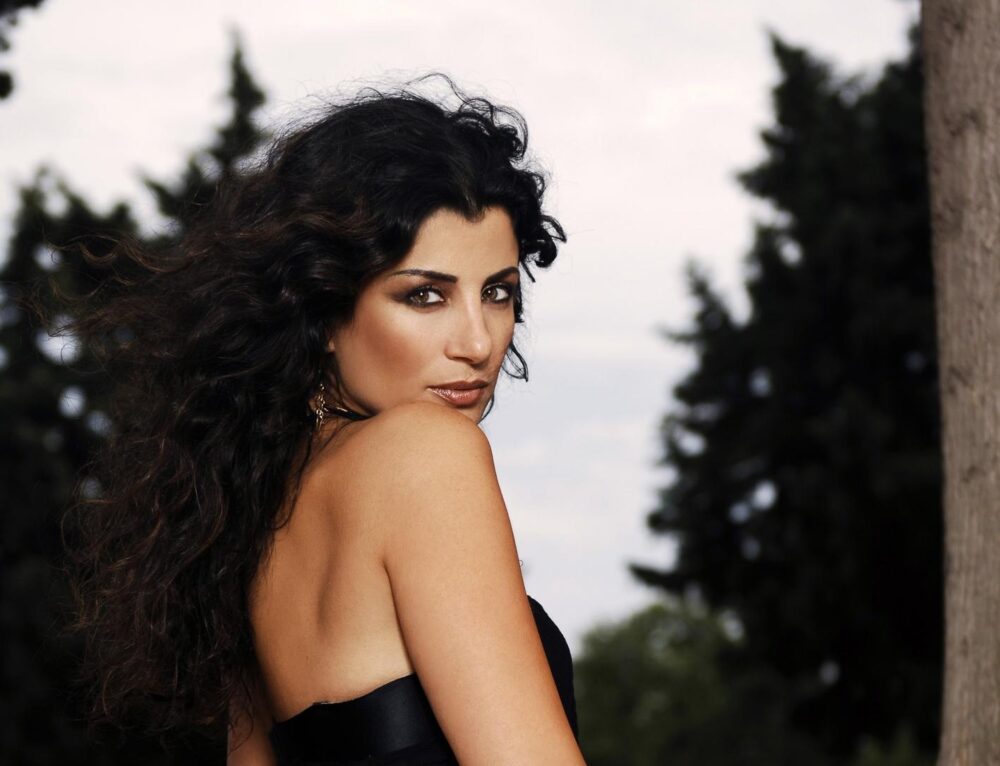
Joumana Haddad

(Lebanon, 1970) is a poet, journalist, translator, editor and consultant. In her work she focuses on eroticism and the liberation of Arab women from their paternalistic yoke. Hoe ik Sheherazade heb vermoord, bekentenissen van een boze Arabische vrouw (How I killed Scheherazade, confessions of an angry Arab woman) in 2010 attracted a great deal of international attention. In this autobiographical essay she stood up for the sexual liberation of Arab women - at the same time condemning western clichés. Haddad speaks seven languages and has translated various works of prose and poetry into and from Arabic. As head of the cultural pages of the Lebanese daily An Nahar she interviewed well-known writers such as Umberto Eco, Wole Soyinka and Paul Auster. By the end of 2008 she launched Jasad (Arabic for body), the first Arab erotic cultural magazine. The flamboyant writer now works on a Ph.D. at the Sorbonne on the translation of the Marquis de Sade in Arabic. A selection of her poetry can be read in English translation on www.joumanahaddad.com. Her work has been translated into many languages, including French, German, Spanish, Polish, English and Italian, and she has won numerous international literary prizes.
20080916104425

Nese Yasin

(Cyprus, 1959) in her poetry not only tries to build a bridge between the Greek and Turkish part of Cyprus, but also in daily life. Her most famous poem ‘Which part' she wrote in 1974 but it is still important to her: ‘My father says: Do you love your fatherland? My fatherland has been split in half, which part must I love?’. The division of Cyprus remains an important theme in her work, but she also writes about youth traumas and love. The daughter of the Turkish poet Ozker Yasin, Yasin was born on the Turkish part of Cyprus, but lives in the Greek southern part. In 2006 she was the first Turkish Cypriot since 1963 to enter the parliamentary election on the Greek part. Yasin teaches Turkish-Cypriot literature at the Greek-speaking University of Cyprus. She also works as a radio journalist. She has published five books of poetry and a novel and has won several literary prizes. Her work has been translated into Greek, Hungarian, German and English. In the Netherlands a number of her poems were published in an anthology of Cypriot literature Wij wonen in een taal (We Live in a Language; 2004).
20080929102855

Laksmi Pamuntjak

(Indonesia, 1971) had her debut novel Amba published in 2012 in Indonesia. It has already been published in English, German and Dutch. The novel is a modern take on the story of Amba and Bhisma in the Mahabharata, set against the context of one of the 20th century's bloodiest Communist purges and the Buru penal colony in the Moluccas. In November 2014, Pamuntjak released her second novel, Aruna dan Lidahnya. By mid December, it had become a national bestseller and is now already in its 2nd edition. Pamuntjak, one of the few Indonesian writers to publish in English, made her breakthrough internationally in 2005 with her first volume of poetry, Ellipsis, proclaimed by the Herald UK as one of the best books of the year. Her latest volume, The Anagram, appeared in 2007. In addition to poetry Pamuntjak writes short stories. Recurring themes in her often sensual work are identity and tolerance, food as metaphor for culture, complex love relationships and the relationship between mother and daughter. Pamuntjak has also published articles on art, literature, classical music, politics, film and food in the weekly Tempo and The Jakarta Post, among others. Early 2008 she launched the gastronomical guide Jakarta Good Food Guide 2008-2009, which was well-received.
20150915095854 1

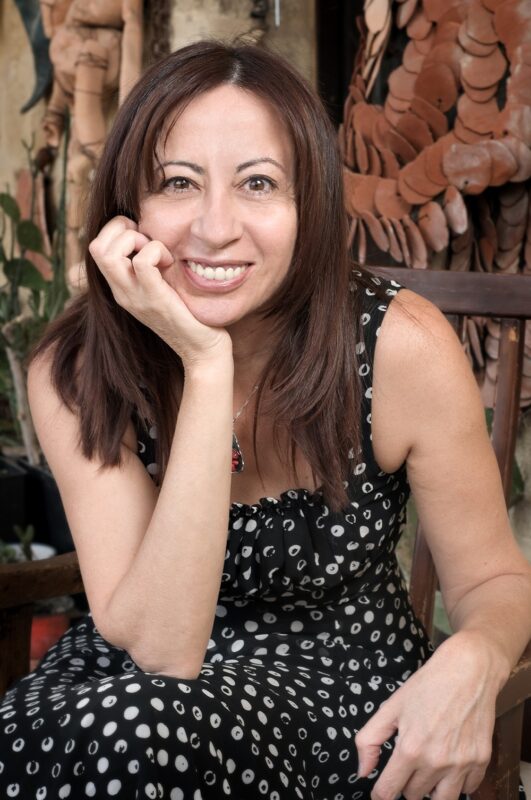
Esther Jansma

(Amsterdam, 1958) made her debut in 1988 with the book of poetry Stem onder mijn bed (Voice Underneath My Bed), followed by a new volume every two years. The press was instantly positive, but real recognition followed only eleven years later with the VSB Poetry Prize for Hier is de tijd (Here is the Time). In 2006 she was recipient of the prestigious A. Roland Holst medal for her entire oeuvre and in the same year she received the Jan Campert Prize for Alles is nieuw (Everything is New). Her collected proze and poetry appeared in 2006 entitled Altijd vandaag (Always Today). Striking elements in her work are the musicality and the evocative language. According to her, her poems are strongly determined by her unsafe youth. Her father died when she was six and she remained behind with a heartless mother. The death of her unborn daughter and newly born son have marked her work, respectively Bloem, steen (Flower, Stone; 1990) and Hier is de tijd (1998). In addition to being a poet Ms Jansma is a translator and a professor of dendrochronology.
20081204174057

Discover

20 May 2026

Get your 2027 tickets!

Get your Early Bird tickets for the big festival nights, Friday & Saturday Night Unlimited!