In the beginning there was the image...
20050222124800

Information

Date and time Friday 21 January 2005 20:15 tot 21:10 uur
Location Theater aan het Spui - grote zaal

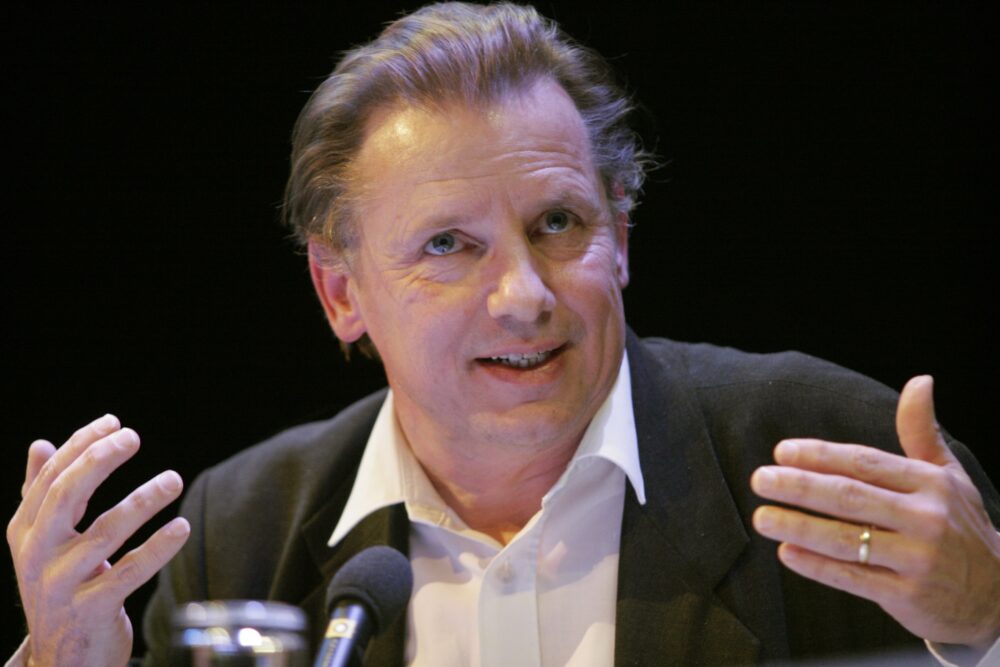
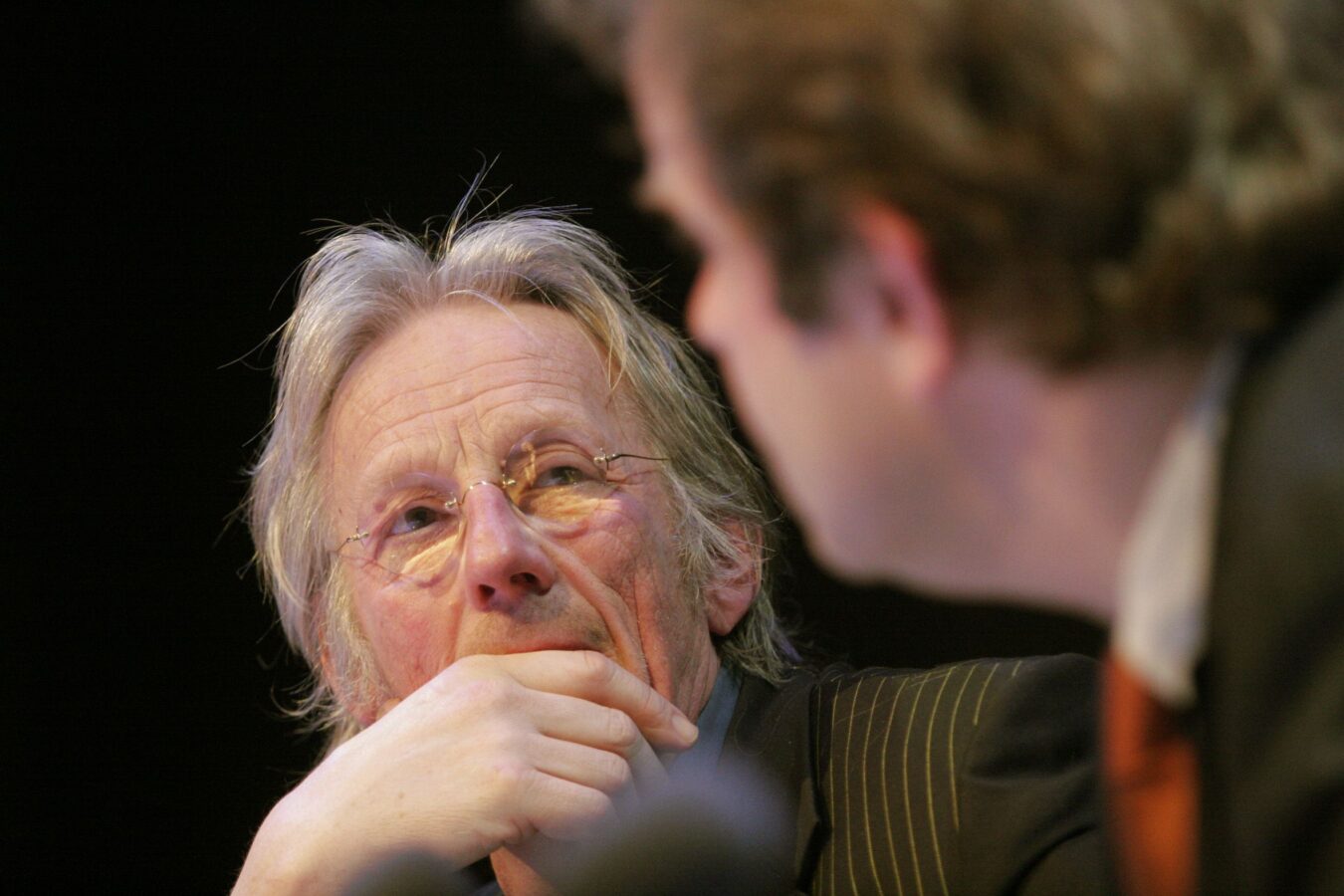
In the beginning there was the image, and the image was with God and the Word was Willem Jan Otten's. In an opening speech, especially written for Winternachten, the poet, writer, essayist and playwright gives his vision of this Winternachten theme: word versus image. Cabaret artist Freek de Jonge is the first to give a reaction. Michaël Zeeman leads the following discussion about worshipping and rejection of word and image.

Dutch spoken

Willem Jan Otten

(Amsterdam, 1951) writes poems, prose, plays, reviews and essays. The Constantijn Huygens Prize for his entire oeuvre is only one of many awards for his work, which, in translation, has reached readers in Italy, France, Germany and Sweden. Otten knows how to touch upon socially sensitive issues, like pornography in his essay Denken is een lust (Thinking is a lust, 1985), euthanasia in the novel Ons mankeert niets, (We're all right, 1994) and catholicism in his pamphlet Het wonder van de losse olifanten (The miracle of the loose elephants, 1999). He made his poetic debut with Een zwaluw vol zaagsel (A swallow stuffed with sawdust, 1973), which won him the Reina Prinsen Geerligs Prize. For the collection Ik zoek het hier (I seek it here, 1980) he received the Herman Gorter Award, for Paviljoenen (Pavillions, 1992) the Jan Campert Award, while the collection Eindaugustuswind (End of August wind, 1998) earned him a nomination for the VSB Poetry Award. He was again nominated for that prize with his eleventh anthology, Gerichte gedichten (Targeted Poems) as it raises issues such as 'loss, emptiness and inescapable existential questions'.
20050224135911

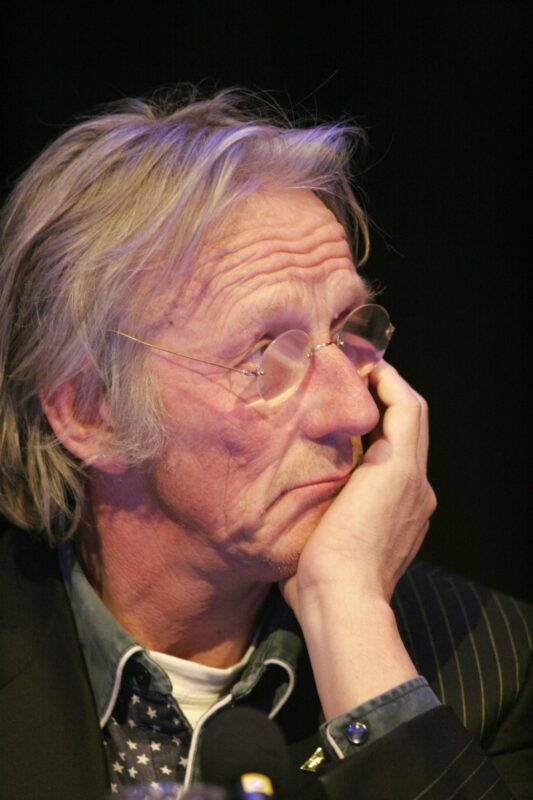
Freek de Jonge

(Westernieland, 1944) became widely known in the seventies with the cabaret duo Neerlands Hoop (Dutch hope), that he formed together with Bram Vermeulen. After the breaking up of Neerlands Hoop in 1979, Freek de Jonge continued with a solo career. His first solo project, in 1980, was the theatre show De Komiek (The comedian). Over the years Freek de Jonge has grown to become one of the most famous cabaret artists in the Netherlands. Alongside his theatre shows De Jonge writes books and two films have been made under his name. In 1993 he played the jester in the play King Lear by Het Nationale Toneel (National Theatre). In 1997 he had a national hit with his song Leven na de Dood (Life after death). Freek de Jonge's most recent show is De Vergrijzing (The ageing), 2004. His most recent novel Door de knieën (Submitting) was published in the same year.
20050224123148

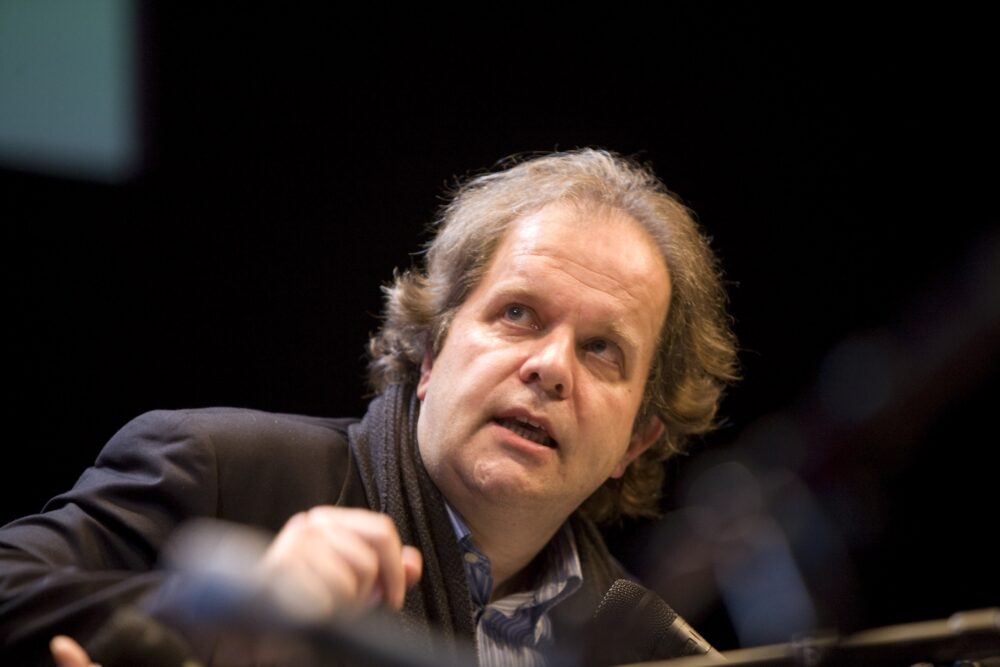
Michaël Zeeman

(Marken, 1958-2009) was a poet, a writer and a commentator, with a regular column on the Forum page and the book pages of the Volkskrant. Zeeman was the editor of the arts section of the Volkskrant and from 2006-2007 its Rome correspondent. In 2006 he and the writer Abdelkader Benali published an exchange of letters, exchanging ideas on politics, life, love and literature. In 2002 Zeeman received the Gouden Ganzenveer (Golden Goose Quill) for his merits for Dutch literature. Zeeman became well-known in the 1990s as the host of his monthly book programme 'Late at night after a short walk', later to be renamed 'Zeeman with books'. In 1991 he published his first volume of poetry, Beeldenstorm (Iconoclasm), winning him the C. Buddingh Prize. His second volume Verhoudingen (Relationships) appeared in 1995. In the same year he published short stories entitled De Verduistering (The Darkening). He died in 2009.
20080206143715

Discover

20 May 2026

Get your 2027 tickets!

Get your Early Bird tickets for the big festival nights, Friday & Saturday Night Unlimited!