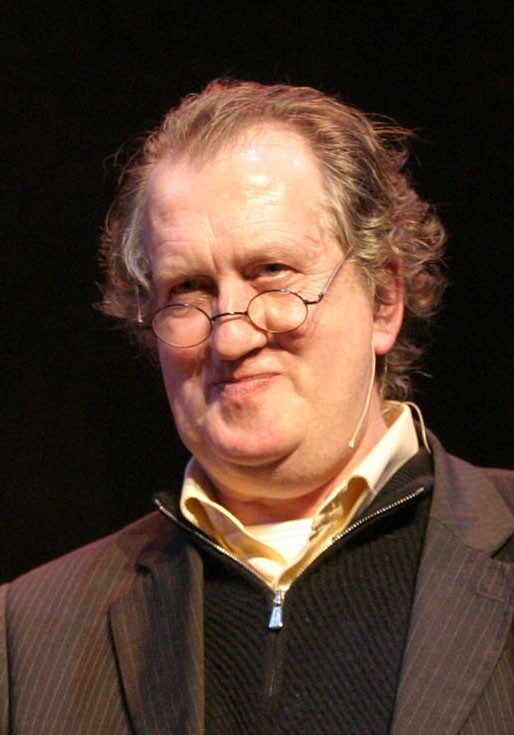
Film: Korreltjie niks is my dood

20050302161318

Information

Date and time Friday 18 January 2002 22:20 tot 23:45 uur
Location Filmhuis - zaal 1

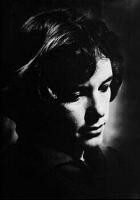
(Grain of nothing will kill me, 55 min., beta sp, 2001) Director: Saskia van Schaik (for VPRO television). A documentary about South African poet Ingrid Jonker. In the night of 18 to 19 July, 1965, she walked into the sea near Three Anchor Bay, Cape town. She left behind a daughter, a small but beautiful body of work, consisting of three poetry collections. Jonker's work not only had great influence on the work of generations of African poets after her, but she also conquered the hearts of many readers. Jonker was brought back into attention when Nelson Mandela reader her famous poem 'The child' during the opening of the Parliament. The documentary opens and closes with the poem, read by Mandela and by the mother of the child that died during the riots in Sharpville. The poem became a symbol for unity, reconciliation and healing for all South Africans. With an introduction from the author of the scenario Henk van Woerden (writer, painter), Gerrit Komrij (compiled an anthology of Jonker's work in cooperation with Henk van Woerden), and writer André Brink. Dutch/Afrikaans spoken.

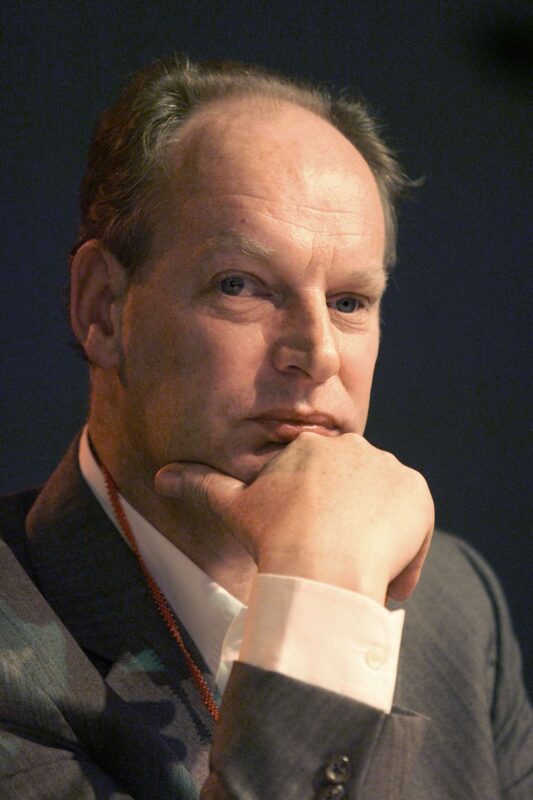
Gerrit Komrij

(Winterswijk, 1944) was the first Poet Laureate of the Netherlands. He is considered one of the best columnists in the country, a novelist, renowned translator, and an enhtusiastic reviewer of poetry. Komrij is a cat in a Strange Warehouse, as he called a book of collected essays that came out in 2001. The world is never a trusted or obvious place, but if you look good, there's always something surprising around. 'I don't think I'm a no-nonsense guy. There's too much noise inside of me'. Komrij, who has lived in Portugal since 1984, is one of the most productive Dutch writers. Since 1968 he has published several works annually. Recently Komrij's choice of the one-hundred best Dutch poems (2008) appeared, in addition to an anthology of Dutch children's poetry in over 1000 poems (2007) and Kakafonie (2006), an 'encyclopaedia of shit'. In 2005 he published Eendagsvliegen (Ephemera, literary diary entries) and a volume of poetry Fata Morgana.
20050226145252

Henk van Woerden

(1947-2005) was a painter and writer. He lived in South Africa since he was nine and after his studies in the arts remigrated to Europe. In 2001 Henk van Woerden made an international breakthrough. In that year he received for his book Een mond vol glas (A mouthful of glass) (1998) the prestigious Sunday Times Fiction/ Alan Paton Award, the award for the best book in South Africa. Een mond vol glas, a chronicle about Tsafendas, the murderder of prime minister Verwoerd, is the last section of a triptych about South Africa. His prose debut Moenie kyk nie (Don't look) (1993), which was crowned with the Geertjan Lubberhuizen award, was the first section. The second section was the novel Tikoes (1996). By the end of 2002 Notities van een luchtfietser (Notes from an air cyclist) appeared, in which van Woerden writes about both his imaginary and his real travels. In February 2003 Henk van Woerden received the Frank Kellendonk award. In October 2005 his last novel was published, Ultramarijn. It was awarded the Flemish literary prize the Gouden Uil in 2006.
20050226183336

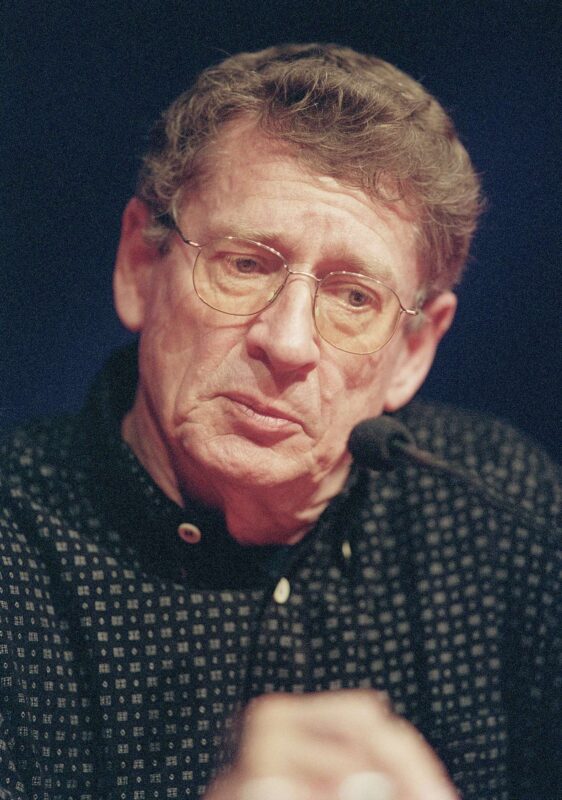
André Brink

(Vrede, 1935 - 2015) teached English at the University of Capetown. He spent some time in Paris as well. In his novels he experimented with themes as well as form matters. A Dry White Season (1979) was banned in South-Africa due to the similarities with the Steve Biko stories. International reactions were positive, and Brink was awarded the Martin Luther King Memorial Prize for his work. In South Africa he was awarded the important literary CNA Prize. He died in February 2015.
20050302152904

Discover

20 May 2026

Get your 2027 tickets!

Get your Early Bird tickets for the big festival nights, Friday & Saturday Night Unlimited!