Don't mention the War: China and Japan

How do we look back on the role of China and Japan in WO II? China and Japan expert Ian Buruma and the Chinese writer Geling Yan talk to Mathijs Deen about coping with war traumas, using film extracts. In English.
20140106104237 1

Information

Date and time Saturday 18 January 2014 21:05 tot 21:55 uur
Location Theater aan het Spui - Zaal 2

China and Japan share a war past; a subject that was unmentionable for a long time. At present the traumatic events and troubled relations are increasingly dealt with in film and literature. Geling Yan's film adaptation of her novel Thirteen Girls from Nanjing is about a bloodbath in 1937 in the city of Nanjing, a very important theme in modern Chinese literature. Ian Buruma is an expert on China and Japan and wrote the historical novel The China Lover about a Japanese film heroine at the time of the Japanese occupation of China (1937-1945). How are both the roles of China en Japan in WOII reviewed? A conversation about coping with war traumas in China and Japan, with the use of film extracts. In English.

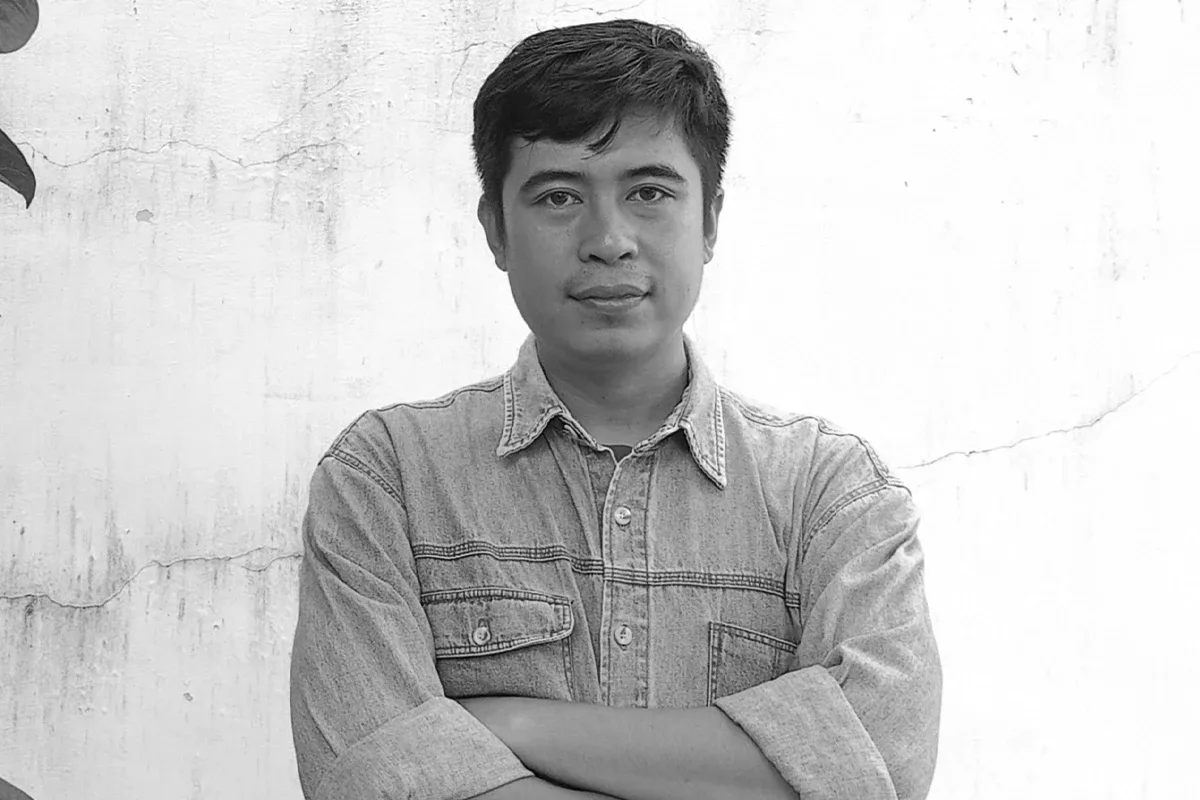
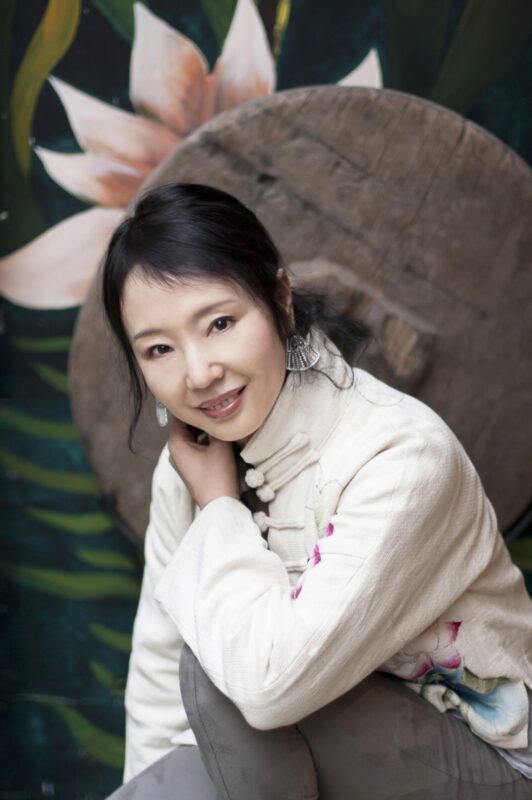
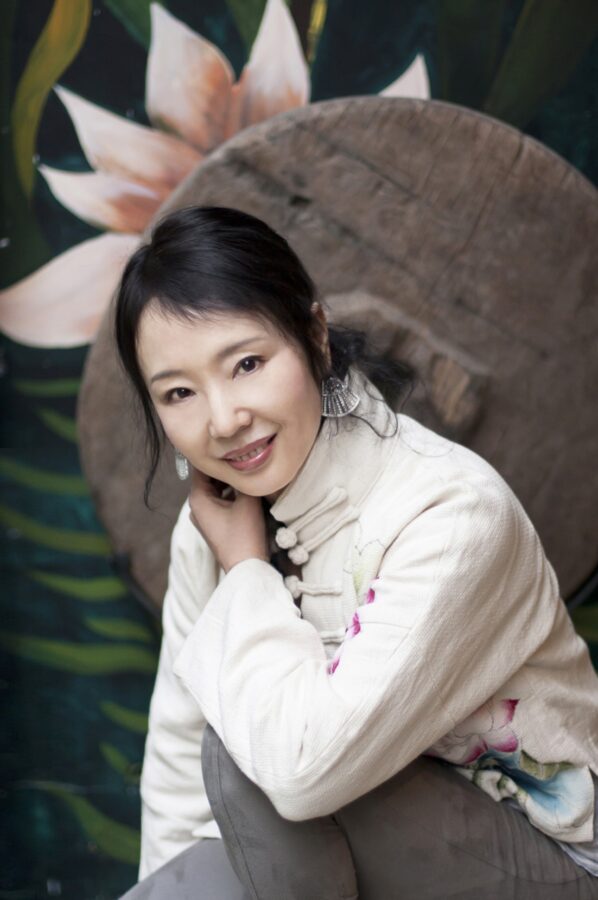
Geling Yan

(1958, China) was eight when the Cultural Revolution broke out. At age twelve she danced in the ballet of the People's Liberation Army and at twenty-one she was a war correspondent during the Chinese-Vietnamese war. In that time she began to write fiction. In 1989 she came to the US. In Holland Yan is known for the De laatste dochter van het geluk (Fortune's Last Daughter, 2002), set in the Chinese community of San Francisco around 1870, and Dertien meisjes van Nanjing (Thirteen Girls from Nanjing, 2012), which has the massacre of Nanjing in 1937 during the Chinese-Japanese war as a backdrop. In 2006 she wrote the English language novel The Banquet Bug (also: The Uninvited), a satire on corruption in modern China. Geling Yan adapted her stories for films by Joan Chen (Xiu Xiu, the Sent-Down Girl, 1998) and Zhang Yimou, who recently filmed her story about the massacre of Nanjing with the title The Flowers of War. Zhang Yimou is working on a new film based on her work: Return, starring Gong Li and Chen Daoming. Geling Yan lives in Berlin.
20140106104237 1

Ian Buruma

(The Hague, NL, 1951) is a sinologist, japanologist, journalist and writer. Asian culture, democracy, religion, politics, Islamic fundamentalism, and the aftermath of World War II are returning subjects in his vast body of work. His essays have appeared in publications such as The New York Times, The GuardianNRC and The New York Review of Books. Buruma grew up in The Hague, the child of a British mother and a Dutch father. His book Their Promised Land: My grandparents in times of love and war tells the story of his London-born, German-Jewish grandparents. He has been a professor of democracy, human rights and journalism in New York since 2003. He received the Erasmus Prize in 2008.
20131017100551 1

Mathijs Deen

(Hengelo, NL 1962) is a radio journalist and a writer. His most recently published book is De Wadden (The Frisian islands; 2013), a poetic history of the Frisian islands. His book of short stories Brutus heeft honger (Brutus is hungry, 2011) was nominated for the AKO Literature Prize. Eating being the leitmotiv, Deen jumps through world history. The forty-four historical stories are fine miniatures of scarcely one and a half page long. After having studied Dutch in Groningen Deen worked for Radio Noord for some years. His radio columns from those days were collected in two publications. Since 2001 Deen has been programme maker with VPRO radio, hosting the historical radio programme OVT. A number of historical documentaries which he made for VPRO radio has been published as an audiobook. The radio series De lange weg naar Darwin (Long road to Darwin) appeared on cd and as a podcast. Deen was programme coordinator of the Winternachten Festival between 2009 and 2011.
20091203105902

Discover

20 May 2026

Get your 2027 tickets!

Get your Early Bird tickets for the big festival nights, Friday & Saturday Night Unlimited!