The last journey

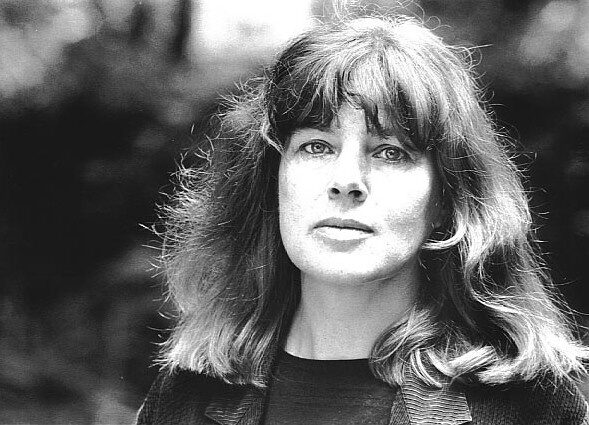
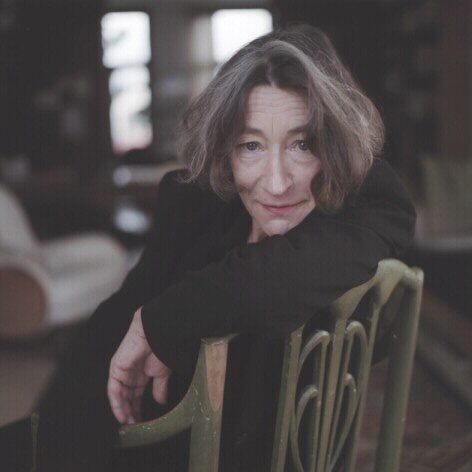
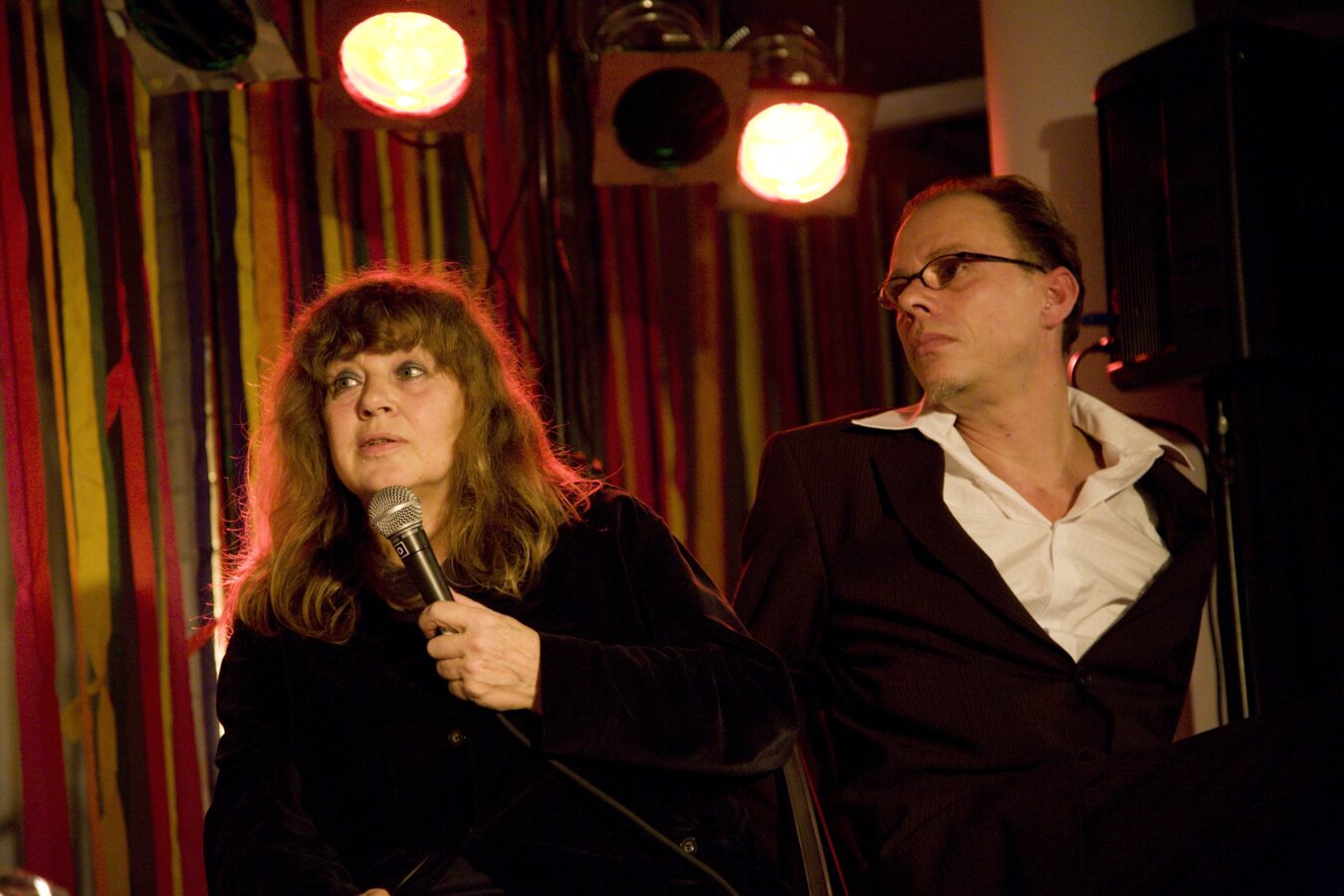
It happens a number of times a year in our country: a funeral where no one turns up. Alfred Schaffer presents poets who now write poems for these lonely funerals. With Frank Starik, Neeltje Maria Min and Anneke Brassinga. Dutch spoken.
20070122094236

Information

Date and time Friday 12 January 2007 21:40 tot 22:01 uur
Location Filmhuis - zaal 7

It happens a number of times a year in our country: a funeral where no one turns up. There are no surviving relatives or they show no interest in the deceased. The coffin is lowered into the ground under the watchful eye of the civil servant of social services. Enough, some poets thought. Now they write poems for these lonely funerals. Frank Starik, Neeltje Maria Min and Anneke Brassinga on the power of poetry. Dutch spoken.

The child

There is a mother in our life, she is
the ground and knows why we were born,
wherever we go she leads the way, where even
we didn't dare to walk - on
untrod earth in the underworld
as if she were laid to rest there,
as if she turned a hundred and nearly became our kid.

You follow her as if she summoned:
Klara, daughter, come you're dearly missed.
Was there no man or animal to talk to?
The longcase clock struck every quarter, chat-
tering refrain of silence. Twelve weeks
you were an orphan - twelve centuries?
Now rest in peace, be reunited permanently.

[Anneke Brassinga]


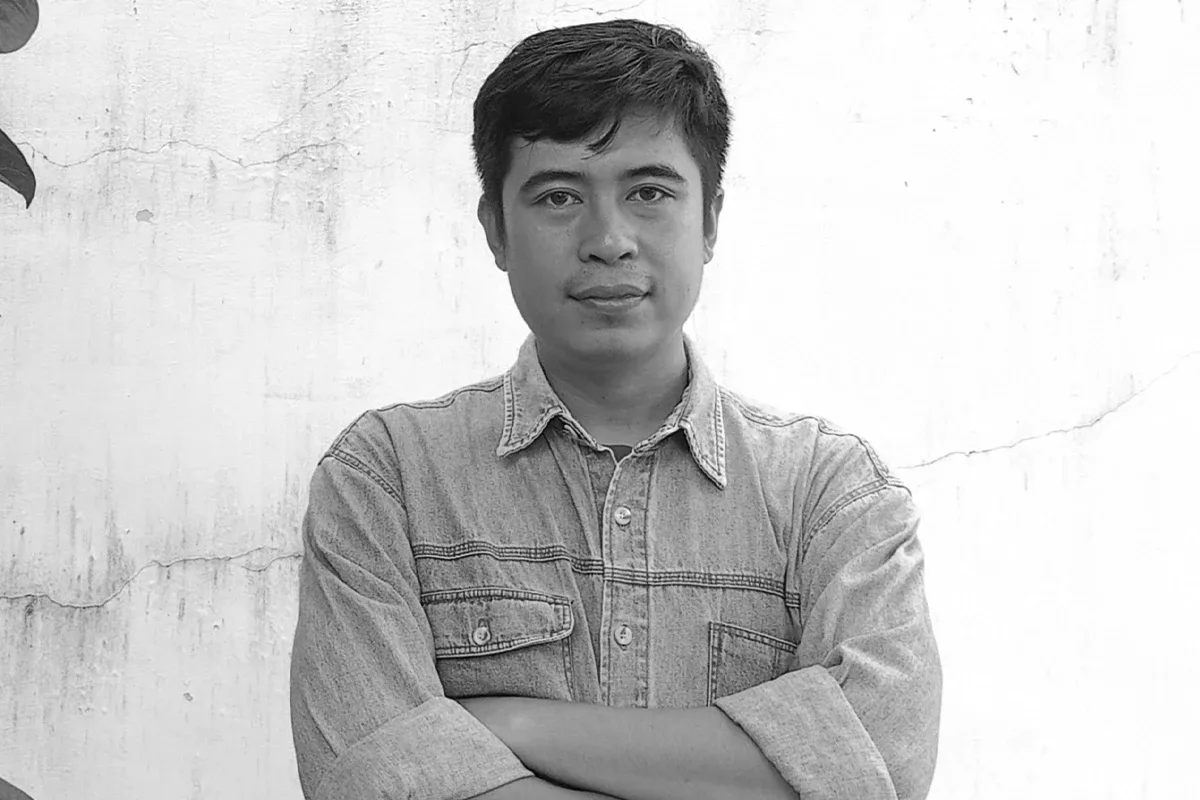
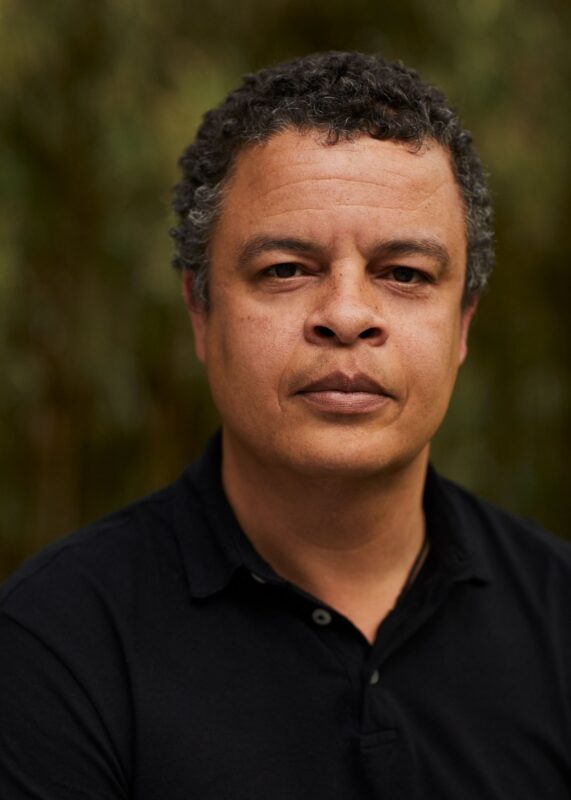
Alfred Schaffer

(Leidschendam, 1973) is a poet, translator and lecturer at the University of Stellenbosch, South Africa. He made his debut in 2000 with the poetry collection Zijn opkomst in de voorstad (His Rise in the Suburb). Over the years, his poetry collections were often awarded or nominated for several important prizes, and translations appeared in English, Afrikaans, French, Chinese, Indonesian, Swedish and other languages. For the collection Kooi he received the Jan Campert Prize and the Ida Gerhardt Poetry Prize in 2008. His work is sometimes humorous, sometimes matter-of-fact and at the same time full of absurd inventions. In 2014, he published his, again critically acclaimed collection Mens Dier Ding. In 2021, he published the personal collection Wie was ik?, for which he received the Herman De Coninck Prize. That same year, Alfred Schaffer was awarded the P.C. Hooft Prize, the largest annual oeuvre prize in Dutch literature.
20250116131023 1

F. Starik

(Apeldoorn, 1958) is a poet, writer, singer and artist. He studied photography and mixed media. In 1987 his official debut appeared, Nepvuur (Fake Fire), swiftly followed with the controversial anthology Maximaal. In 1993 he published his novel in letters, Mijn leven als museum (My Life as a Museum). He has worked as a visual artist and a singer for several years. From 2002 the volumes Simpele ziel (Simple Soul), De grote vakantie (The Big Holiday, 2003), Rode vlam (Red Flame) and De verdwijnkunstenaar (The Disappearing Act Artist), both in 2004, appeared. Since 2002 Starik has been in charge of the Poule des Doods (Poule of Death), a group of poets of various make-up who write and recite poetry for lonely burials. The book Eenzame uitvaart (Lonely Burial) with the poems appeared in 2005.
20070129113054

Neeltje Maria Min

(Bergen North Holland, 1944) published poems using the pen name Sophie Perk in Algemeen Handelsblad. Poet Ed Hoornik, who worked for the newspaper, contacted her. Shortly afterwards her poems appeared in the literary magazine De gids. Her debut was published in 1966. Selling eighty-thousand copies it was one of the most successful Dutch volumes of poetry in the 20th century. Her second volume appeared in 1985, followed by a third one in 1995.
20061023143238

Anneke Brassinga

(Schaarsbergen, 1948) published her first prose and poetry in 1974 under the pseudonym of A. Tuinman in De revisor. She made her debut as a poet in 1987 with the volume Aurora and as a novelist with Hartsvanger (Heartcatcher). She also won fame with her translations of among others Vladimir Nabokov, Oscar Wilde, Sylvia Plath, Jules Verne and W.H. Auden. Her themes are nature and love, but language as well. She is often lauded for her rich vocabulary and her language virtuoso. In her poetry Brassinga deals intimate pin-pricks. She refused the Nijhoff Prize for her translation of Nabokov's The Gift. She did accept other prizes, such as the Herman Gorter Prize, the Paul Snoek Prize and the VSB Poetry Prize. From the very beginning her poetry was received well by most critics.
20061102104620

Discover

20 May 2026

Get your 2027 tickets!

Get your Early Bird tickets for the big festival nights, Friday & Saturday Night Unlimited!