Chat GPT - The New Bestseller Author
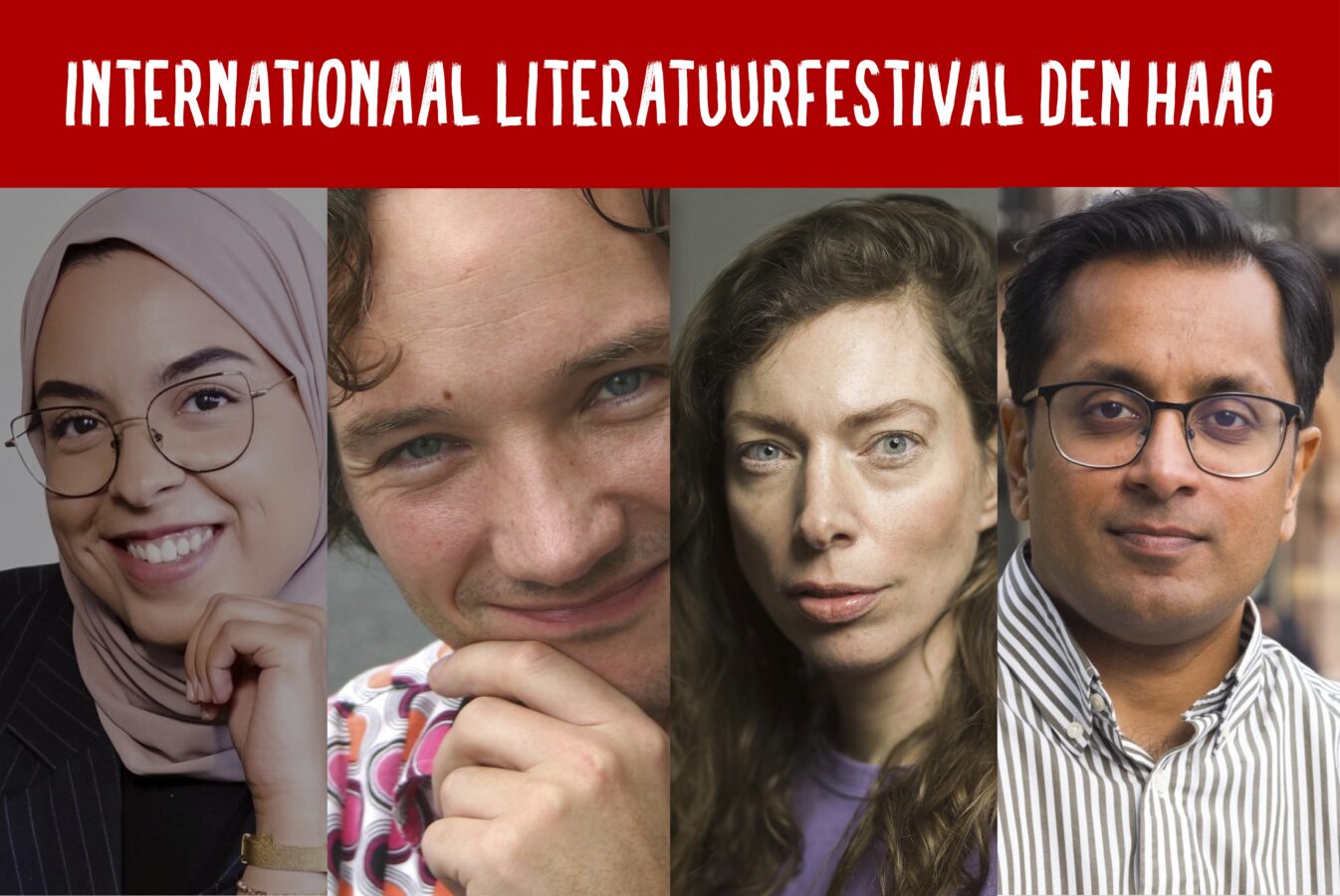
With: Hanna Bervoets, Ilyaz Nasrullah, Bas Haring and Oumaima Hajri
Information
| Date and time | Saturday 20 January 2024 21:10 tot 22:05 uur |
|---|---|
| Location | Theater aan het Spui - Zaal 1 |
| Price |
Early bird price until 26 December €25 Regular €30 All up to 30 years / Ooievaarspas €15 DenHaagPas €27,50 |
Humans and machines always seemed to reinforce each other. Since the advent of AI and a tool such as Chat GPT, the relationship between humans and machines has been on edge. What is the human voice? And what does AI's influence on the human voice mean for literature? Is ChatGPT a friend or foe for authors?
Bas Haring opened this event with a spoken essay addressing artificial intelligence and what it means for humans, and writers in particular.
Learn more about the possibilities and impossibilities of AI and ChatGPT in a conversation between writer Hanna Bervoets, who follows the developments in the field of AI and has experimented with ChatGPT; digital strategist Ilyaz Nasrullah; and philosopher Bas Haring. Moderator Oumaima Hajri researches artificial intelligence and ethics.
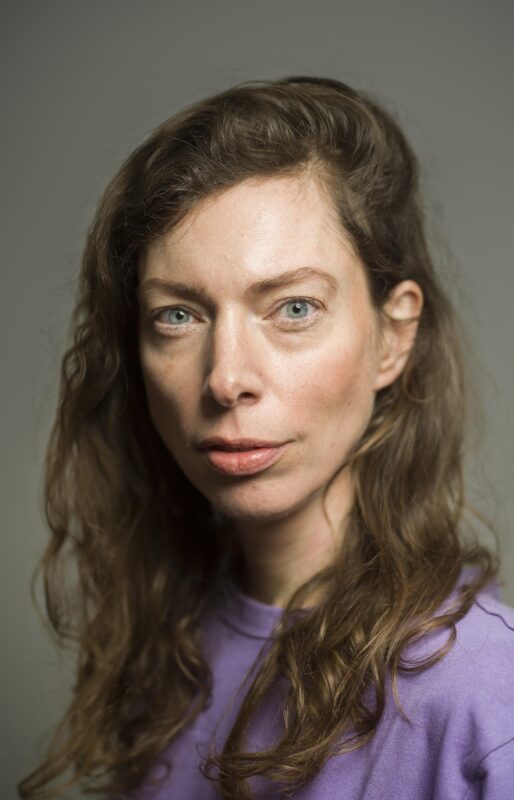
Hanna Bervoets is a writer of seven novels, several screenplays, stories and essays. in 2017 she won the BNG Bank Literature Prize for Ivanov, and in the same year, the Frans Kellendonk Prize for her entire oeuvre. In her novels, she often investigates the influence of science and technology on humans. Her novel Leer me alles wat je weet (Teach me all you know) was published recently. Bervoets also writes essays and reviews about media and popular (Internet) culture.
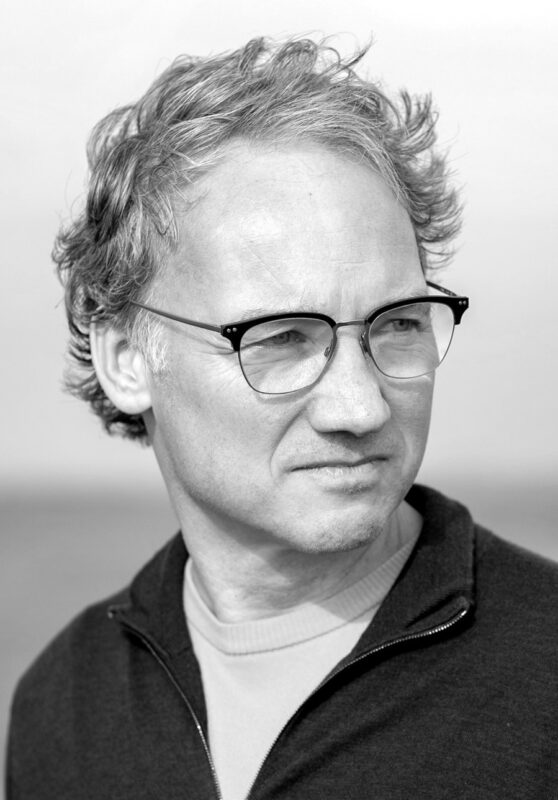
Bas Haring is a philosopher who holds a PhD in artificial intelligence and is professor of Public Understanding of Science at Leiden University. In his latest book Kunstmatige intelligentie is niet eng (Artificial intelligence Isn't scary), he writes, among other things, that "computer smarts" will make our lives a lot easier. But it is also suspenseful, because what is in store for all of us?
Ilyaz Nasrullah stresses that he is first and foremost a human, and only then an IT graduate in Data Sciences from TU Delft and a consultant advising companies and governments on digital strategy and innovation. According to him, digital technology is too often seen as an end in itself, which loses sight of people. The columns for Trouw newspaper stand out because they make difficult topics easier to understand.
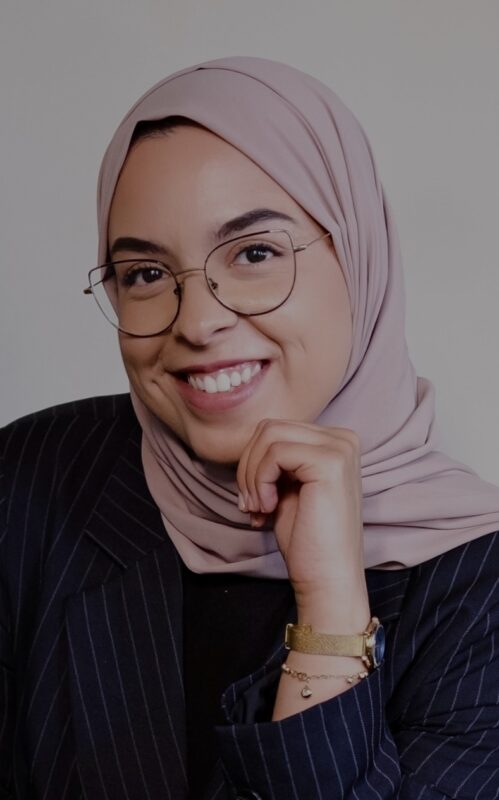
Oumaima Hajri uses her expertise at the intersection of technology, ethics and society. She currently holds the role of Senior International Advisor at the Dutch Personal Data Authority, where she works on AI, algorithms and European legislation. She is also engaged in decolonisation and demystification of AI at the University of Cambridge, aiming to stop the negative impact of digitalisation on society, especially vulnerable minorities. She holds a BSc in International Relations, an MSc in Data Science & Society and is a board member at Public Spaces. She is also the initiator of the Alliance Against Military AI and co-founder of the AI Better World platform.
Festivaltip: after this programme, in Filmhuis Den Haag's Zaal 2 from 23:00-23:35 hours five brilliant short films (including an Oscar winner) were screened that come to grips with AI and the man-machine relationship.
Discover
21 October 2026
Week van het Nederlands! Maud & Roan brengen taal in beweging
Een unieke dubbelvoorstelling van Maud Vanhauwaert en Roan Kasanmonadi tijdens de Week van het Nederlands (
13 October 2026
Week van het Nederlands! Maud & Roan brengen taal in beweging
Een unieke dubbelvoorstelling van Maud Vanhauwaert en Roan Kasanmonadi tijdens de Week van het Nederlands (

6 October 2026
Week van het Nederlands! Maud & Roan brengen taal in beweging
Een unieke dubbelvoorstelling van Maud Vanhauwaert en Roan Kasanmonadi tijdens de Week van het Nederlands (