Burger King and Citizenship

The debate on the role of the citizen in democracy is in the spotlights. But is the ordinary citizen waiting for such a king's role? Why not have an election every so often? David Van Reybrouck, Bas Heijne and Willem Schinkel in search of the answer, talking to Paul van der Gaag. Nelleke Noordervliet opens with a column, diving into the history of Dutch democracy. In Dutch.

Information

Date and time Saturday 19 January 2013 20:00 tot 20:50 uur
Location Theater aan het Spui - grote zaal

The debate on the role of the citizen in democracy is in the spotlights. But is the ordinary citizen waiting for such a king's role? Wouldn't he rather fulfil the role of consumer and doesn't he think that going to the ballot poll once every four years is quite enough? Isn't the call for more citizen participation first and foremost a flickering of a small elitist flame? Five writers in search of the answer. Nelleke Noordervliet opens with a column, diving into the history of Dutch democracy. In Dutch.
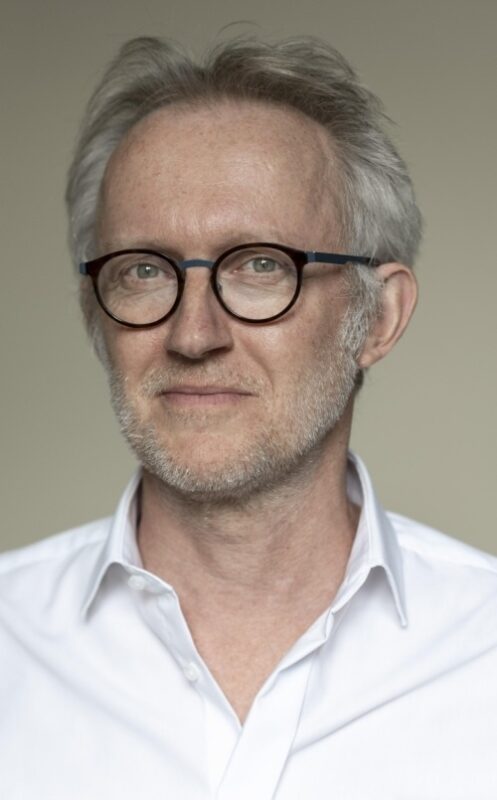
Paul van der Gaag

(Netherlands, 1958) has produced and presented the VPRO radio programme OVT since 2002, a two-hour show about the historical roots of current events as well as newly released historical books, films, commemorations, and anything else related to history. The show features live interviews, reportage, columns and a weekly documentary during the last half hour. He was already linked to OVT since 1992 as a programmer and previously freelanced for other national Dutch broadcasters such as VARA and IKON.
20120204162040

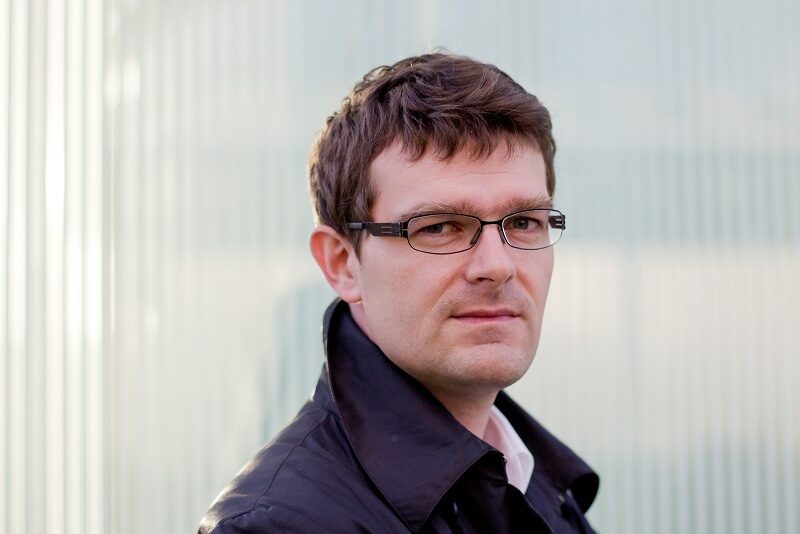
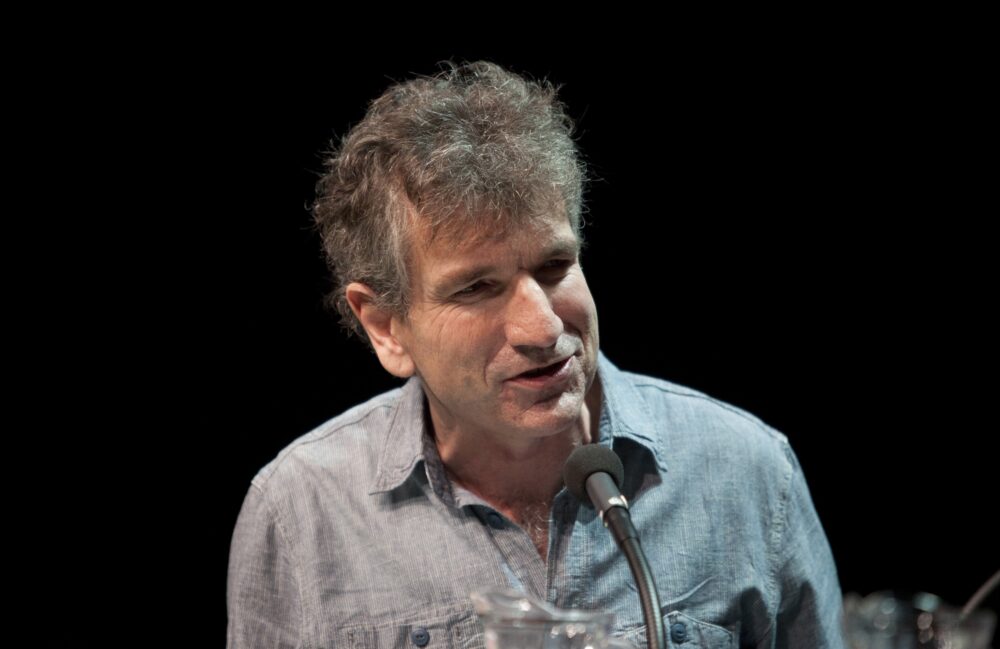
Bas Heijne

(Nijmegen, NL, 1960) writes essays, short stories and plays, and is a columnist with the daily newspaper NRC Handelsblad. He published the novels Laatste woorden (Last words) and Suez and received the Henriëtte Roland Holst Prize in 2005. In 2011's Moeten wij van elkaar houden, het populisme ontleed (Do We Have to Love One Another? Populism Dissected) Heijne shows how globalisation and individualism pave the way for populism. Angst en schoonheid (Fear and Beauty) was published in 2013, an essay about Dutch writer Louis Couperus, whom Heijne admires. In the same year his documentary about Couperus was broadcast. In 2015 he hosted the five-part documentary De volmaakte mens (The Perfect Human). In 2016 his essay Onbehagen – nieuw licht op de beschaafde mens (Discontent - new light on civilized man) was published. In 2017 Heijne received the P.C. Hooft Award for his essayistic works.
20131029170754 1

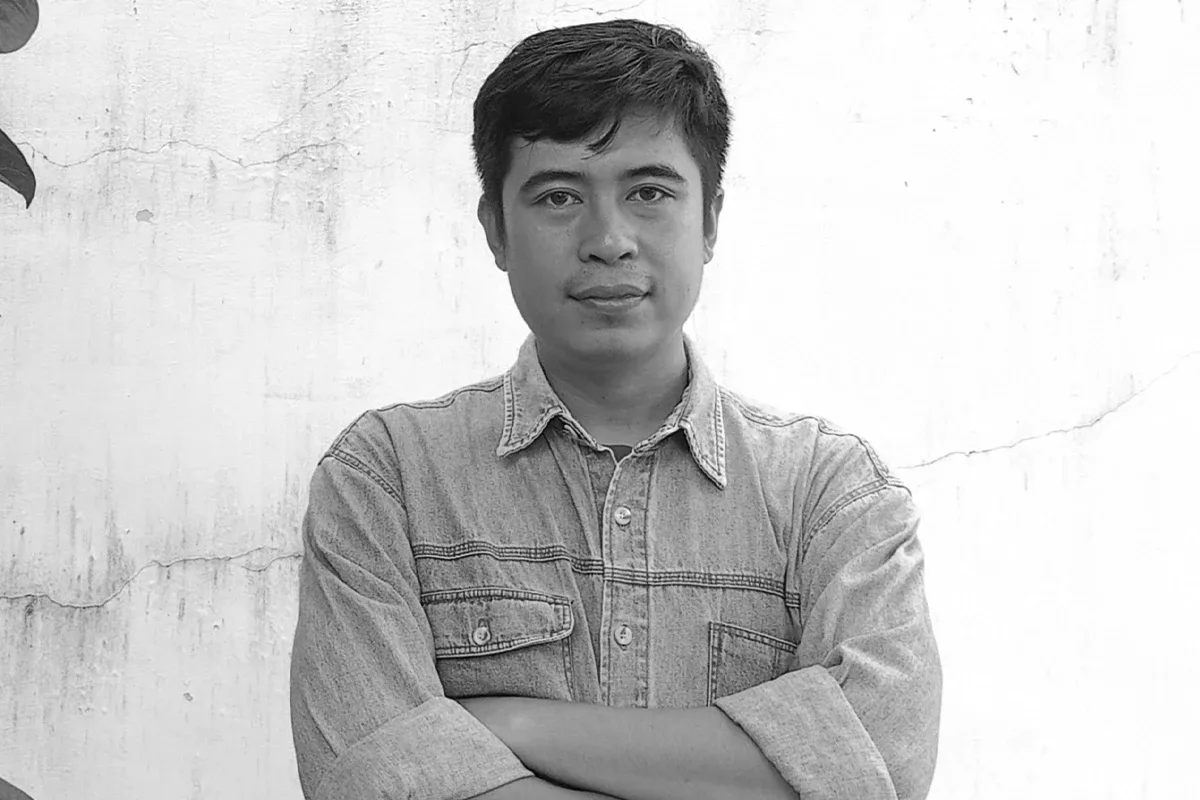
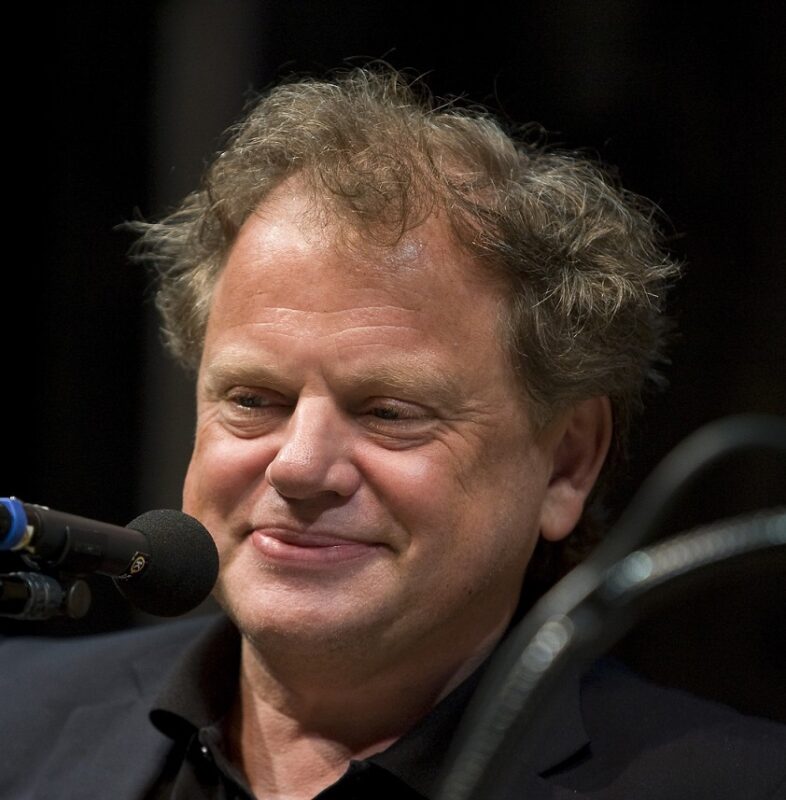
David Van Reybrouck

(Belgium, 1971) is an author, historian and archaeologist, known for his multifaceted contributions to literature and intellectual discourse. He is currently Philosopher Laureate of the Low Countries. Upon his appointment, he published De wereld en de aarde (The World and the Earth, 2025), in which he makes a groundbreaking proposal to radically broaden our thinking—and our politics. For the greatest security issue of our time is not the world with its mutual conflicts, but the earth, which is becoming increasingly disrupted. His oeuvre covers a range of genres, including historical non-fiction, poetry, and theater. Among his best-known works are Congo (2010), about the country's bewildering history, and Revolusi (2020), which places Indonesia's struggle for independence in a global perspective through eyewitness accounts. In addition to his literary work, Van Reybrouck is known as ‘one of Europe's leading intellectuals’ (Tagesspiegel), whose ideas relate to themes such as democracy, climate, and colonialism. He regularly publishes opinion pieces in international publications. 

Go to the website of David Van Reybrouck
Instagram: @david.vanreybrouck
20251015162805 1

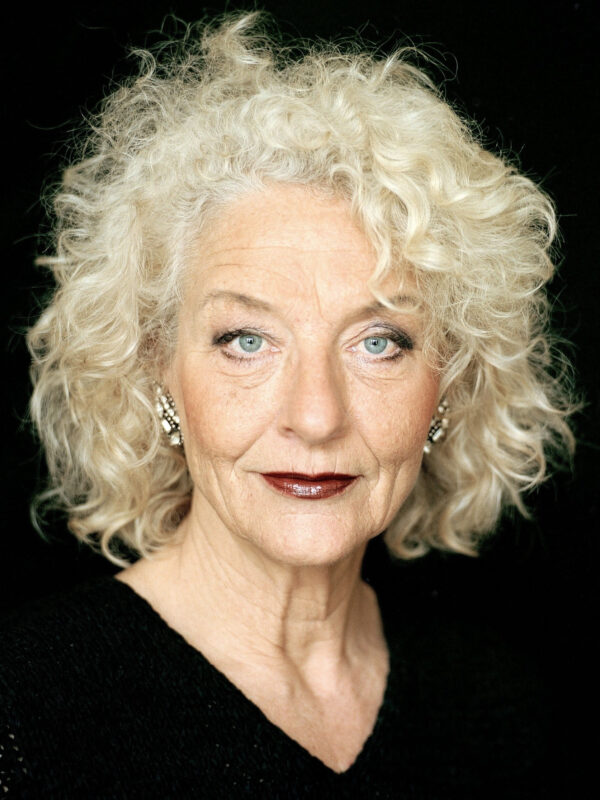
Nelleke Noordervliet

(Netherlands, 1945) writes novels, stories, essays, lectures and columns with a strong historical bent. She debuted with 1987's Tine of de dalen waar het leven woont (Tine, or the Valleys Where Life Lives), a fictitious biography of 19th-century Dutch writer Multatuli's first wife. Her book De naam van de vader (The Name of the Father) won the 1994 Multatuli Prize. In 2002 she wrote Pelican Bay, about slavery in the Caribbean and the Netherlands. Her essay collection Schatplicht (Tribute) appeared in 2013, and her 2016 novel Aan het eind van de dag (At the End of the Day) is simultaneously a portrait of a career woman and a snapshot of the second half of the 20th century. De val van Thomas G. (The fall of Thomas G.) tells about the publisher of a controversial book. Noordervliet's body of work was awarded the 2018 Constantijn Huygens Prize.
20181203095828 1

Willem Schinkel

(Kampen, 1976) is a sociologist and a well-read essayist at NRC and Groene because of his often unorthodox views on politics and society. Schinkel works at the Erasmus University in Rotterdam. In his De nieuwe democratie, naar andere vormen van politiek (The New Democracy, towards Other Forms of Politics, 2012) he argues that democracy is in fact not a democracy because it lacks fundamental differences of opinion about the organisation of society. His Politieke stenogrammen (Political Stenograms, 2019) provides ammunition for anyone who wants to combat right-wing views on themes such as climate, economy and racism; his notes are a call for a different way of thinking and a different way of dealing with each other and with our earth. In De hamsteraar (The Hoarder, 2020) he shows how dangerous the 'efficiency' of logistical capitalism is and how the empty shelves at the start of the COVID-19 crisis can initiate a different way of life.
20121113151332

Discover

20 May 2026

Get your 2027 tickets!

Get your Early Bird tickets for the big festival nights, Friday & Saturday Night Unlimited!