20050226145252

Information

Date and time Friday 7 November 2008 from 20:00 to 22:40 hrs
Location Prakwaki - Paramaribo

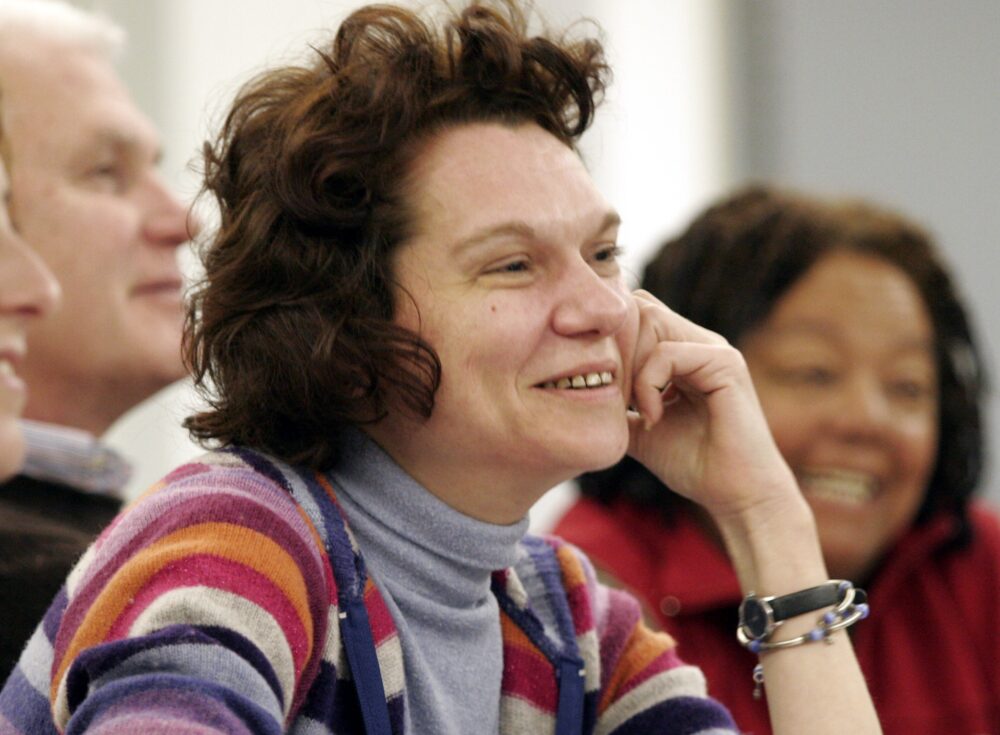
Asli Erdogan

(Istanbul, 1967) studied computer science and physics at the university of Bogazici. Up until 1992 she worked as a physicist at the European Nuclear Research Centre (CERN). She has also taught English for two years in South America, writes for the magazine Atlas and from 1998 to 2000 had a weekly column in the newspaper Radikal. In 1994 Erdogan made her debut with the novel Kabuk Adam. After that her collection of stories Mucizevi Mandarin (1996) and her very succesful second novel Kirmizi Pelerinli Kent ( City in a red cape) (1998) were published. This stifling novel is situated in Rio de Janeiro. In 1990 Erdogan was awarded the Deutsche Welle Preis for one of her unpublished short stories. The main themes in her works are: violence against women, the situation in prisons and Kurdish rights.
20050223212156

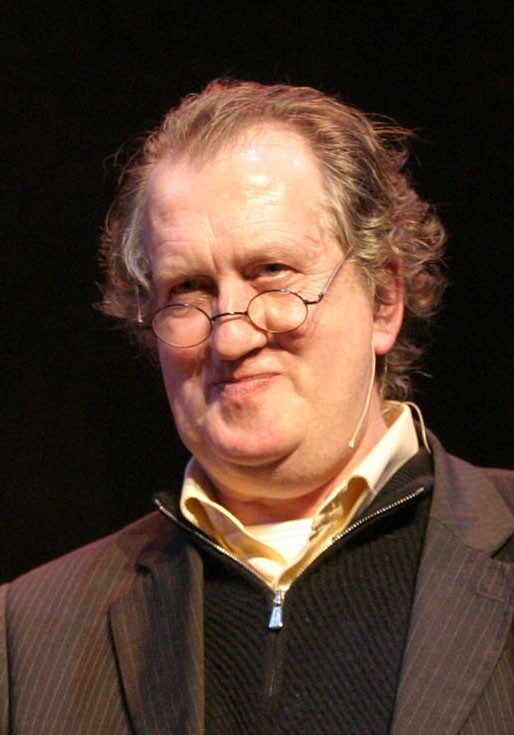
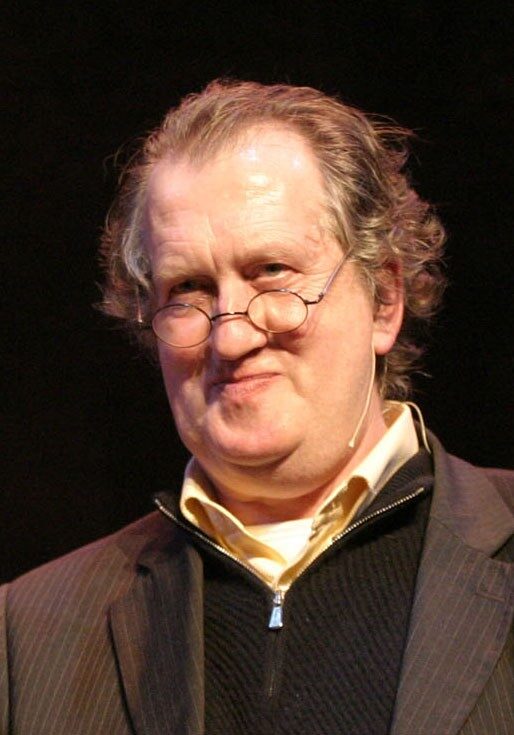
Gerrit Komrij

(Winterswijk, 1944) was the first Poet Laureate of the Netherlands. He is considered one of the best columnists in the country, a novelist, renowned translator, and an enhtusiastic reviewer of poetry. Komrij is a cat in a Strange Warehouse, as he called a book of collected essays that came out in 2001. The world is never a trusted or obvious place, but if you look good, there's always something surprising around. 'I don't think I'm a no-nonsense guy. There's too much noise inside of me'. Komrij, who has lived in Portugal since 1984, is one of the most productive Dutch writers. Since 1968 he has published several works annually. Recently Komrij's choice of the one-hundred best Dutch poems (2008) appeared, in addition to an anthology of Dutch children's poetry in over 1000 poems (2007) and Kakafonie (2006), an 'encyclopaedia of shit'. In 2005 he published Eendagsvliegen (Ephemera, literary diary entries) and a volume of poetry Fata Morgana.
20050226145252

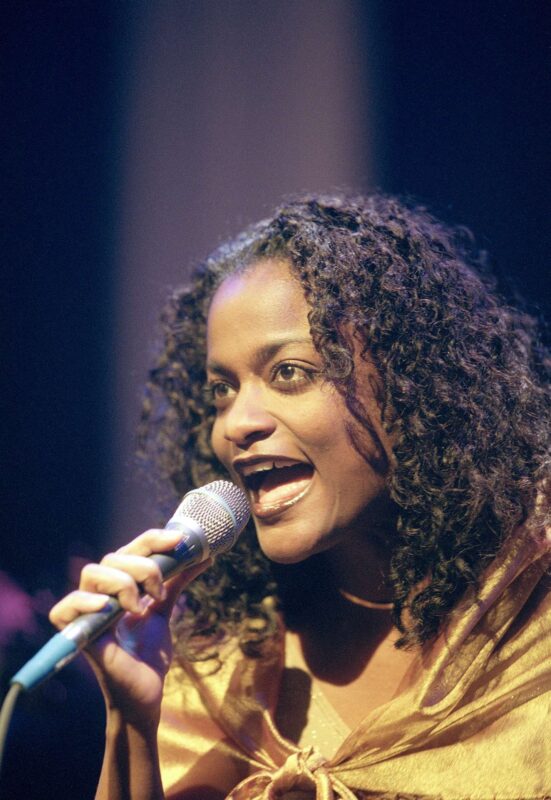
Izaline Calister

(Curaçao, 1969) is a singer-songwriter as well as a composer. In her compositions she intertwines the traditional music of her island of birth, Curaçao, with jazz. A speciality of Calister is that she is recognized internationally, while singing jazz in a minority language, Papiamento. On Curaçao she scored two number one hits with it. Calister came to the Netherlands when she was eighteen and studied singing at a conservatory. She performs with her own band, but frequently works with other groups and theatrical companies. Commissioned by Winternachten, she collected stories on the Dutch Antilles, Aruba, in South Africa, Indonesia, Suriname and the Netherlands, adapting them to music. Thus giving rise to a repertoire of sung stories about the spider Anansi, the legend of Borobudur and The Saleswoman of Stavoren, among others.
20050302171733

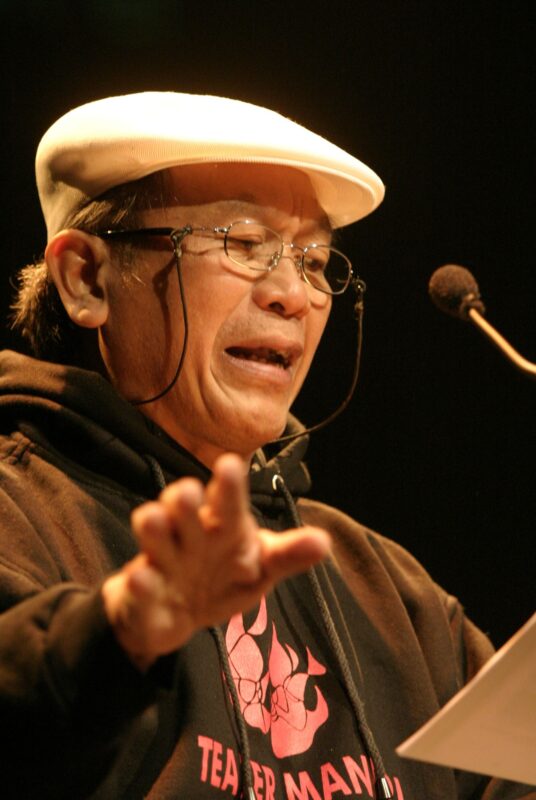
Putu Wijaya

(Bali, 1944) after completing his law study in Yogyakarta followed his artistic vocation and became a writer, dramatist, scriptwriter, journalist and essayist. He gained a lot of experience abroad. From 1985 to 1988 he worked as writer and director for various universities in the U.S.A and he taught modern Indonesian literature and theater. He has his own theater group Mandiri, which he founded at the beginning of the 1970's. In his short stories Putu Wijaya likes to shock and desorientate his readers; according to him he places 'mental time bomb's' in the ordinairy life of ordinairy people. Surrealism and absurdism, humor and violence form the foundations of his stories. Putu Wijaya avoids analysing and moralizing; he leaves the end open and the reader confused.
WIN2003


20050225205732

Peter Snyders

20080901145734

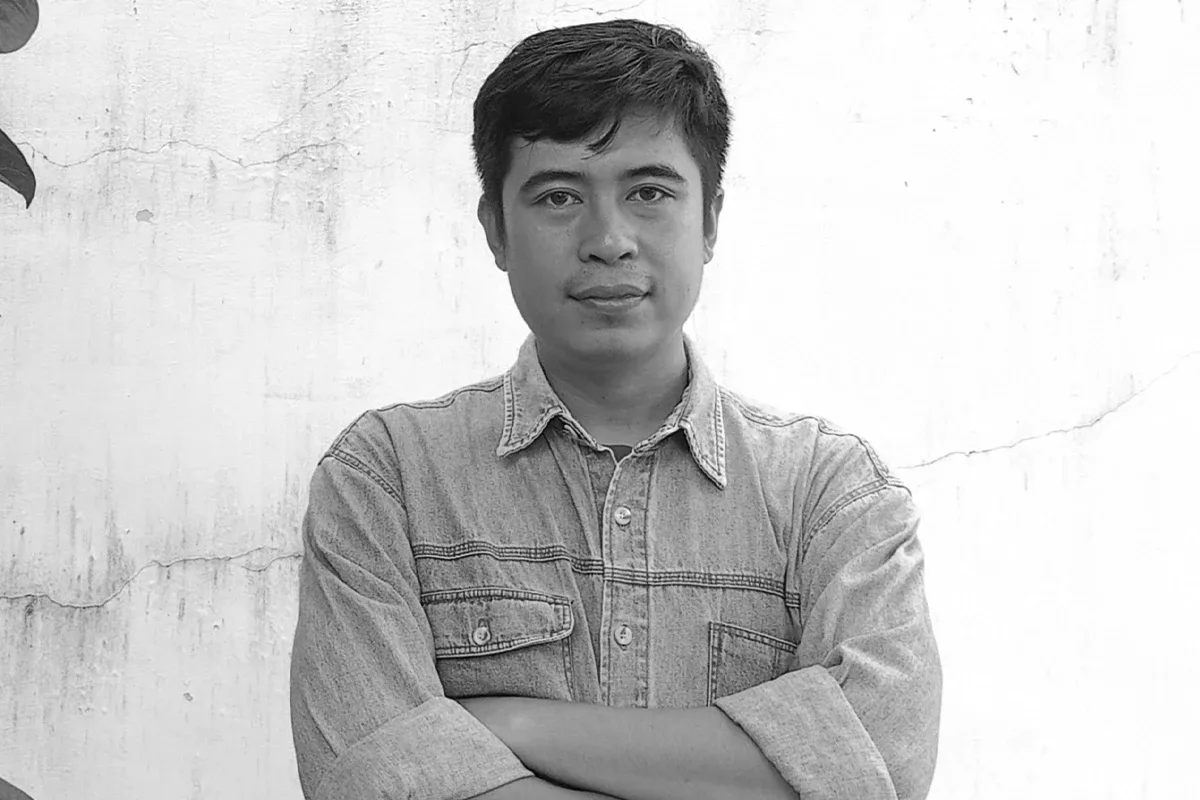
Youssouf Amine Elalamy

(1961, Morocco) acquired fame with his novel Les Clandestins (The Clandestines; (2000), which was translated into Dutch. In this story he gives a face to the Moroccans who in a last desperate effort try to reach Europe and lose their lives. Elalamy belongs to the new crop of young writers who grew up after Moroccan independence from France. The Moroccan identity forms an important leitmotiv in his work. His collection of short stories Tqarqib Ennab (Rumours) from 2004 is the first book fully written in darija, the Moroccan dialect of Arabic. ‘To show it is a real language, alive and creative,’ he said about it in an interview with Trouw. Elalamy has three novels to his name, of which Les Clandestins was awarded the Grand Prix Atlas 2001. In 2004 he published a series of portraits of Moroccans in Morocco (Miniatures). Apart from being a writer Elalamy is a visual artist and a teacher of style and media at the university of Kenitra. In 2009 he made the literary installation Nomad. In Morocco sharp analyses of his literary collages have led to censorship of his visual art. His novels have been translated into Dutch, Arabic, English, Spanish and Italian.
20080908143303

Antoine de Kom

(Netherlands, 1956) is a psychiatrist, writer and poet. He is a grandson of the Surinamese anti-colonialist, nationalist and resistance fighter Anton de Kom. He has published the poetry volumes Tropen (Tropics, 1991), De kilte in Brasilia (The Chill in Brasilia, 1995), Zebrahoeven (Zebra Hooves, 2001), Chocoladetranen (Chocolate Tears, 2014) and De lieve geur van zijn of haar (The Sweet Smell of Him or Her, 2008). For years De Kom worked as a psychiatrist at the Pieter Baan Centrum. In 2012 he published Het misdadige brein (The Criminal Brain), in which he employs fictitious conversations with historical criminals to show how reports of suspects are drawn up. He won the VSB Poetry Award for  Ritmisch zonder string (Rhythmically without String, 2013).
20191112030504 1

Celestine Raalte

(Paramaribo, 1948) is a poet, writer, reciter and does school theatre. She has published two volumes of poetry: Akwenda Streven en Ma Awitya. 'My biggest inspiration are the grandma's from the working-class area I used to live when I was a kid. Furthermore all the single mothers who have to work hard to raise their children.' She was honoured on several occasions, for instance when she got the Kwakoe Award for her contribution to Surinamese art. She gives workshops at primary and secondary schools. She is a contributor to the Studium Generale of the Hogeschool in Rotterdam. In Amsterdam she is busy with the workshop Life Lines. Here themes are: the power of women, apartheid, hope, love and everything that moves her.
20060222101801

Ellen Ombre

(Paramaribo, Surinam, 1948) moved as a teenager, together with her family, to Amsterdam where she attended secondary school and afterwards studied social sciences. Working in mental healthcare provided her with inspiration for her books. At the age of 44 Ellen Ombre made her debut with the much praised book Maalstroom (Maelstrom) (1992). In this collection of short stories she reflects on her early years in the Netherlands. She also wrote Wie goed bedoelt (Who means well) (1996), an autobiographical travel journal, in which she sketches a picture of the triangular slave trading route between Surinam, the Netherlands and Benin. In 2000 she published the novel Valse verlangens (False desires), where she touches on the prejudices between the Surinamese and the Dutch. In 2004 she published Negerjood in Moederland (Negro-jew in the motherland). Ombre is a member of the international advice committee of the Prins Claus Fund. In 2005 she returned to Surinam.
20050226143637

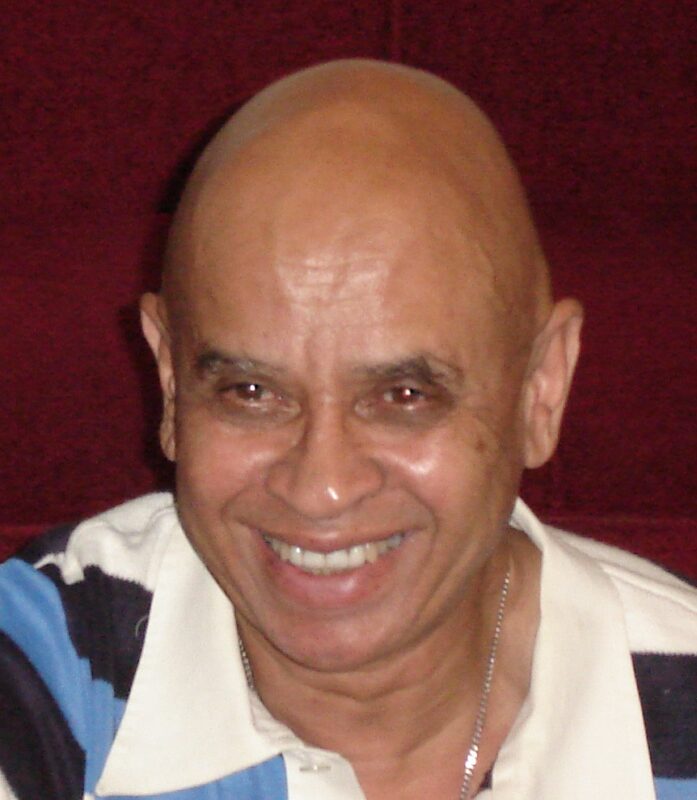
Jit Narain

(Jidt Narainsingh Baldewsingh, Livorno, Surinam, 1948) Born in Suriname, Jit Narain is the grandson of Indian immigrants. In 1969 he went to the Netherlands to study medicine and became a doctor in The Hague. He returned to Suriname in 1991. Since then he has been heading the head of an outpatients clinic in Saramacca. He is a fervent defender of the emancipation of Sarnami, the Hindu-Surinamese language and for his efforts received the Rahman Khan prize. Narain writes poems which can be read and sung. The poems reflect the history and memories of Hindustan immigrants in Suriname. He writes in Sarnami and in Dutch, approaching the same secret history of immigrants from different perspectives. He made his debut in 1977 with the poetry collection in Sarnami Dal Bhat Chatni (Rice, yellow peas and chutney). His debut has been followed by six other collections of poetry.
20050302172427

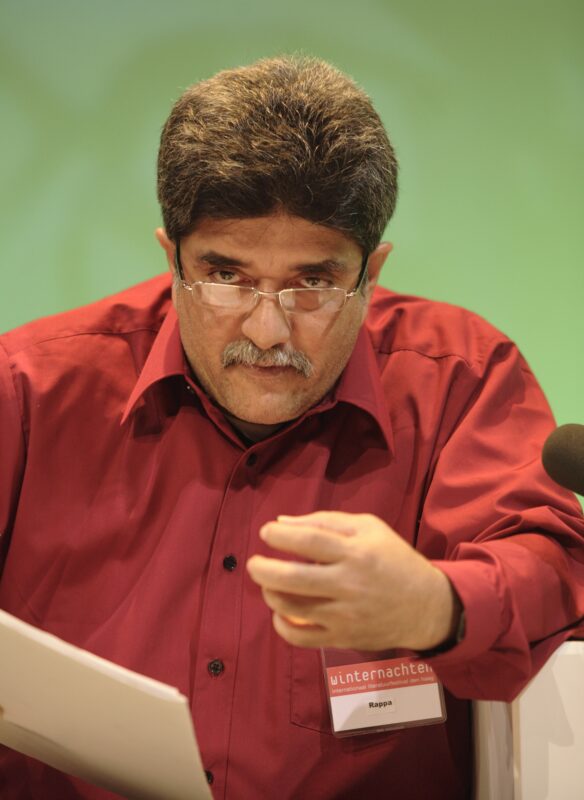
Rappa

is the pseudonym for Robby Jonathan Parabirsing (Paramaribo, 1954). He made his debut in 1980 with Friktie Tories, a collection of humorous and socially critical stories. Others works by him are Opa Djannie en andere verhalen (Granddad Djannie and other stories), Een vlek uit het verleden (A stain from the past) (1982), Silvy en Hexa en andere verhalen (Silvy and Hexa and other stories) (1983), Fromoe Archie (1984), De Tapoe (1995), Verdwaald in het bos (Lost in the woods) (1998) and the collection Nieuwe Friktie Tories (New Friktie Tories) (1999). Rappa's publishing house Ralicon acts as an excellent sounding board for many debutants. Ralicon published amongst others the first edition of the well known book Ter dood veroordeeld (Condemned to death) by John de Bye. To stimulate reading, Rappa publishes a reader, entitled De stripbieb (Strip Library) , which contains short stories and critical, humorous and cynical sayings. In daily life Rappa is a teacher of Dutch language and literature.
20060124140337

Alakondre

Ingrid Ameraali

Discover

20 May 2026

Get your 2027 tickets!

Get your Early Bird tickets for the big festival nights, Friday & Saturday Night Unlimited!