Live Anthology: taboos of love and literature
20050302154453

'These are the same people who used to think that anything goes and everything should be allowed. Now they want to prohibit everything which they suspect might bring enjoyment to someone else' (Gerrit Komrij).
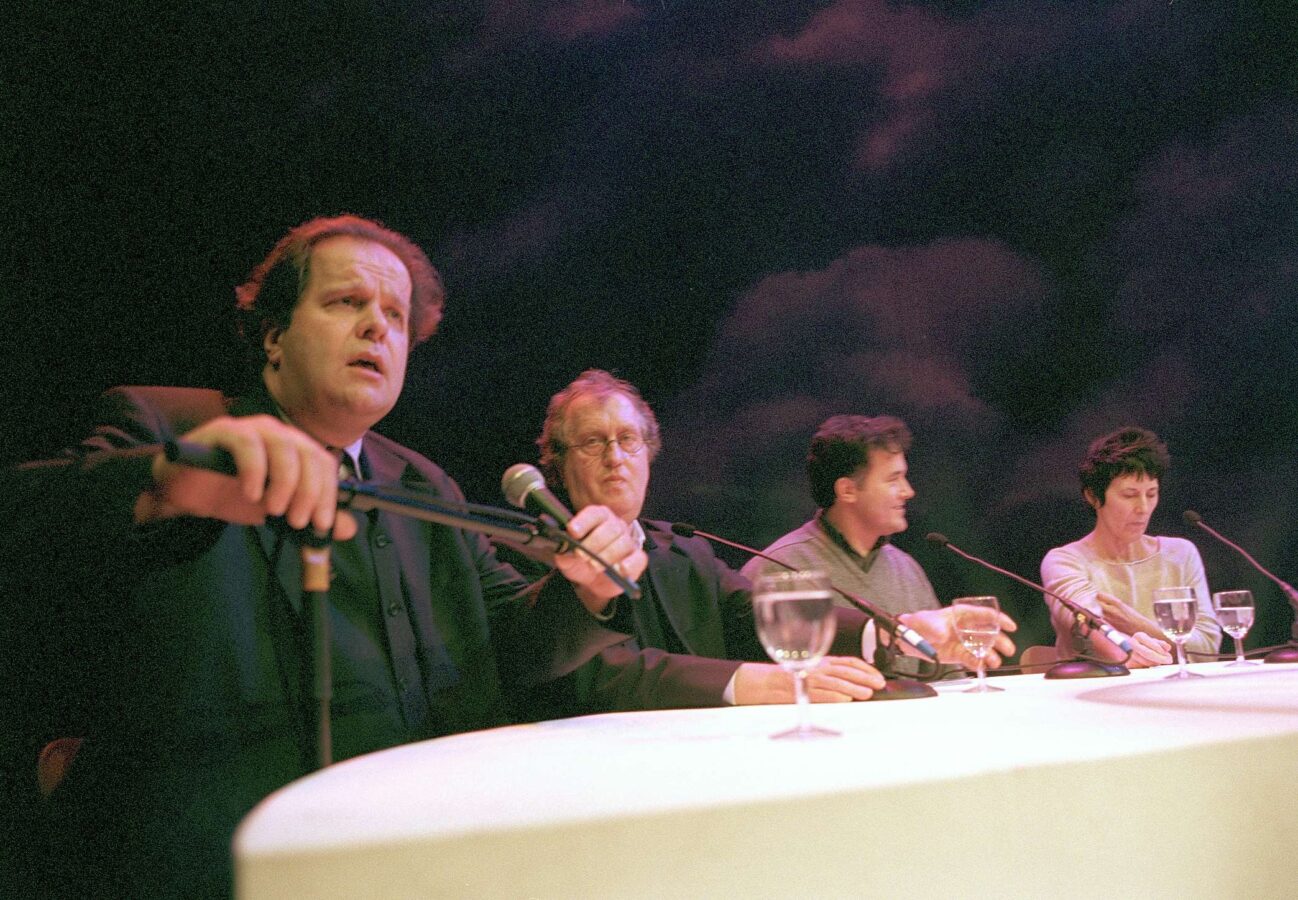
Maybe 'taboo' is the most culturally specific notion possible. In the Netherlands, taboos in love or literature seem out of date since the 1960s. But in South Africa, a novel about homosexuality comes as a shock, and a South African makes internationally controversial movies about power, love and violence. Cultures collide when talking about taboos, so this should be a great starting point for a discussion with a collection of internationally renowned authors. This afternoon, eight writers read their favorite fragments from world literature with the theme of the taboo. In the ensuing conversation, the boundaries of culture and religion become apparent. Dutch/English spoken.

Information

Date and time Sunday 20 January 2002 from 14:00 to 16:30 hrs
Location Theater aan het Spui

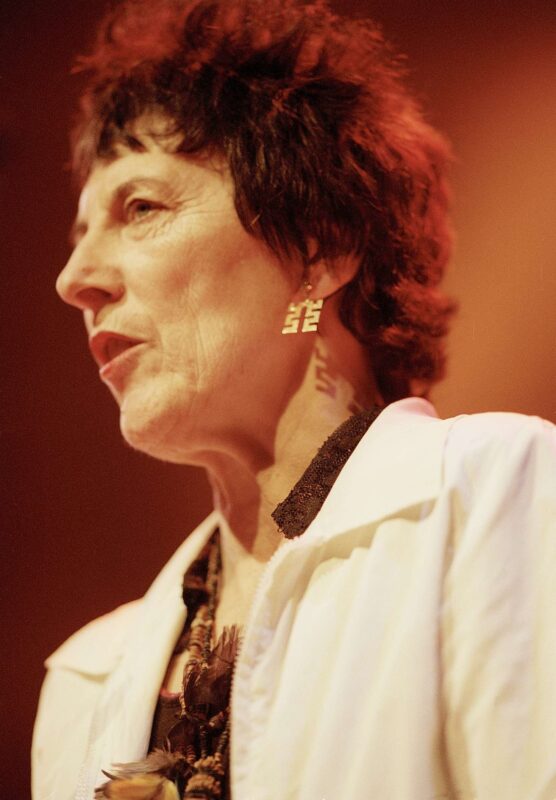
Antjie Krog

(South Africa, 1952) is a poet, writer, academic and a cherished reciter. Her book Country of My Skull (2000, adapted for film in 2004) is a personal account of the proceedings of the Truth and Reconciliation Commission. She published her autobiographical memoirs as A Change of Tongue (2003). Krog has won many prizes, including the Hertzog prize in South Africa and the 2018 Gouden Ganzenveer in the Netherlands. An anthology of her poetry was published in Dutch in 2010, titled Hoe zeg je dat (How Do You Say That), and Begging to be Black, the sequel to Country of My Skull and A Change of Tongue.
20190107121937 1

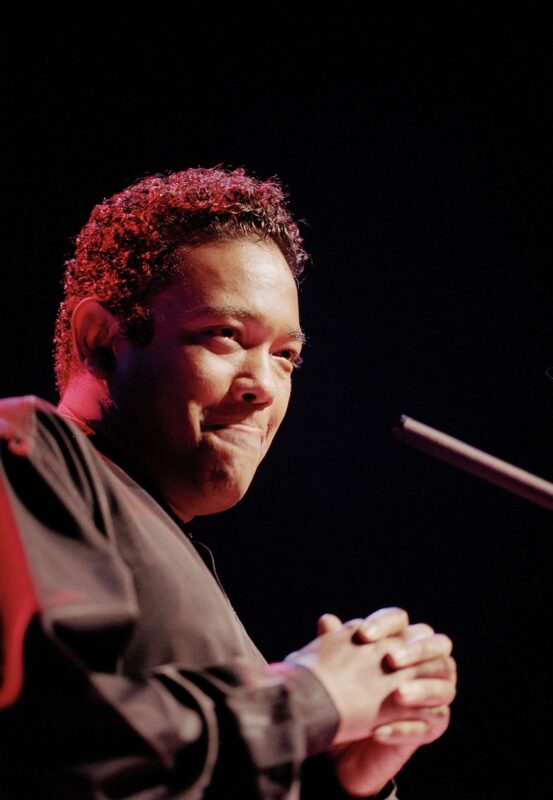
Basil Appollis

20050302153855

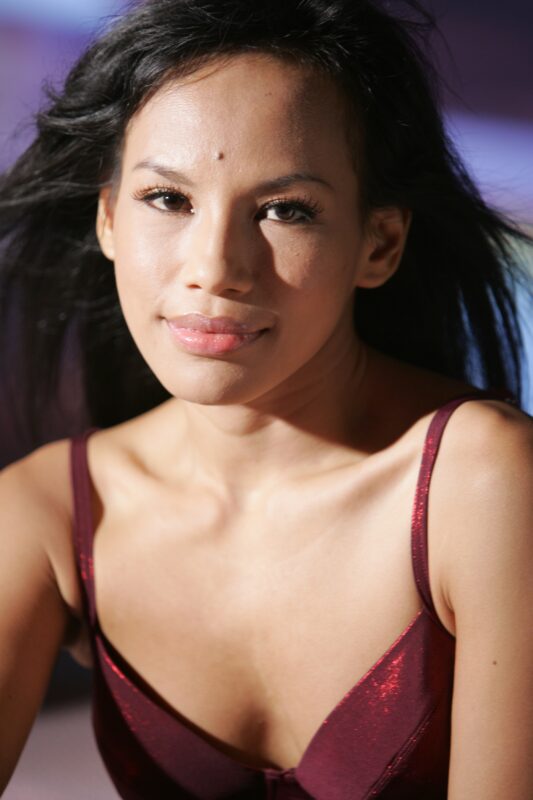
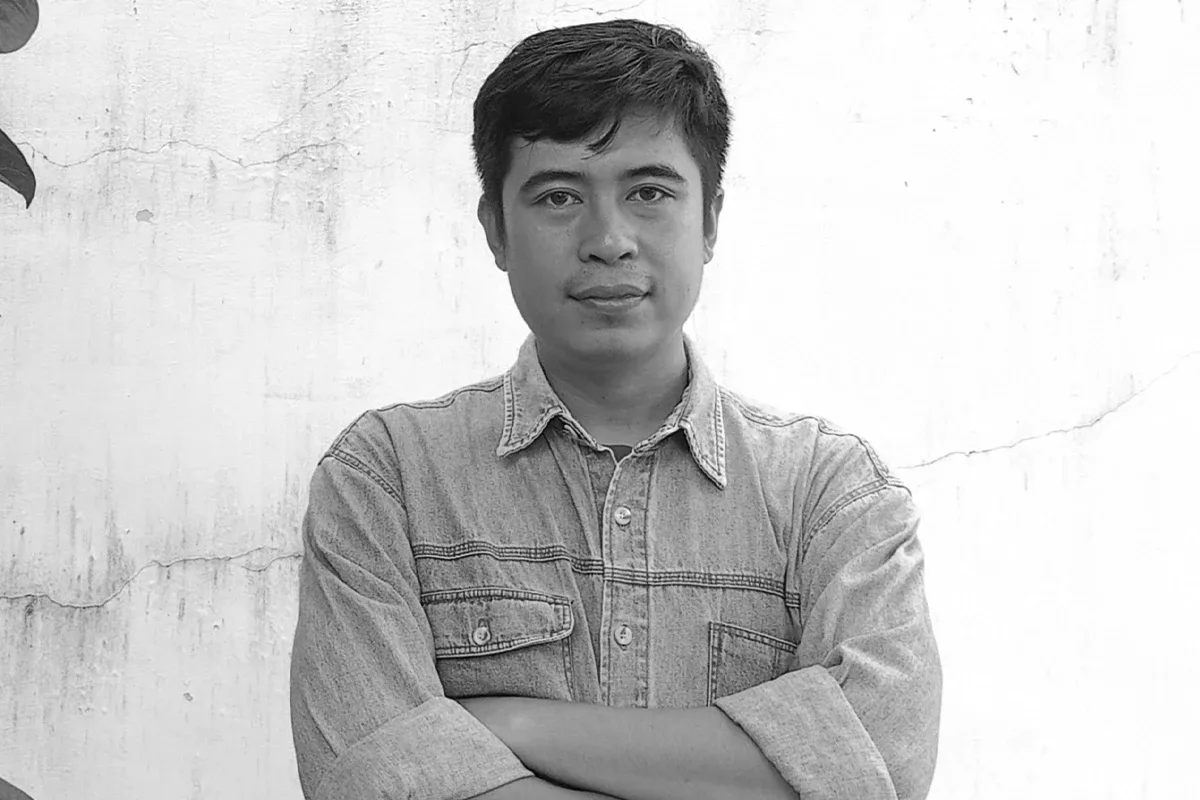
Ayu Utami

(West Java, Indonesia, 1968) is a leading voice among the new generation of Indonesian artists and writers emerging after the fall of Suharto. Utami was born in Bogor and grew up in the Indonesian capital, Jakarta. She studied Russian language and literature. During her college years she had already begun publishing reports and essays in various newspapers. She has been a journalist for various Indonesian magazines, including Humor, Matra, Forum Keadilan, and D&R. Shortly after Suharto banned three magazines in 1994, Ayu joined Aliansi Jurnalis Independen (Independent Journalist Alliance) in protesting the ban. She continued her journalistic work underground, which included the anonymous publication of a black book on corruption in the Suharto regime. Utami's first novel, Saman, appeared in 1998, only a few weeks before the fall of Suharto, helping to signal the changing cultural and political landscape in Indonesia. The novel caused a sensation, and controversy, among Indonesian artists and intellectuals. It was acclaimed by many reviews and was considered as a new milestone in Indonesian literature. Saman has sold over 100,000 copies and been reprinted 34 times. The sequel to Saman, Larung was published in 2001. Her new play and book protesting anti-pornography legislation, Pengadilan Susila (Susila's Trial) appeared in 2008. Ayu Utami currently works for Radio 68H, an independent news radio station that is broadcast all over the country as well as a writer for the cultural journal Kalam and in Teater Utan Kayu/Teater Salihara in Jakarta.
20090702113819

Ernest Pépin

Novelist and poet Ernest Pépin is one of the key figures of the Creole movement. Born in Guadeloupe in 1950 and a former lecturer in literature, Pépin has published several works in French and in Creole. His work has been awarded the Caraïbes Prize (1994), the RFO Book Prize (1997) and the Arc-en-ciel Prize (1999). He received the Casa de los Americas Prize in 1990 for his novel Boucans de mots libres, and has drawn his inspiration from local musical traditions. In his book Salve et salive, he pays homage to Velo, a famous percussionist. He has also drawn his inspiration from magical-religious beliefs and relationships between men and women, as can be seen in Le Tango de la haine. A man of letters and a politician, he is presently Chargé des Affaires culturelles at the General Council Office in Guadeloupe, where he lives. Ernest Pépin’s style is marked by the uproar of the sea and tormented by the hurricanes of the islands. The French he uses in his writings sounds like a Creole rhythm and denounces the historical misunderstandings between Africa and the West Indies, with the intention to have them reconciled into an Afro-West Indian literature.
20050302145528

Fouad Laroui

(Morocco, 1958) in 2013 won  the Prix Goncourt de la Nouvelle for his collection of short stories The Curious Case of Dassoukine's Trousers. Since his debut in 1996 humor has been his weapon against intolerance, both in his novels and in his other work. In his fiction, such as the collection of short stories Poldermarokkanen (2010), the novels Une année chez les Français (2011) and La femme la plus riche de Yorkshire (2011), Laroui describes time and again the collision between North African culture and Western culture. Laroui grew up in Casablanca and studied econometry, mathematics, physics and architecture in Paris. He lectures French literature and Arab culture at the University of Amsterdam.
20181217095441 1

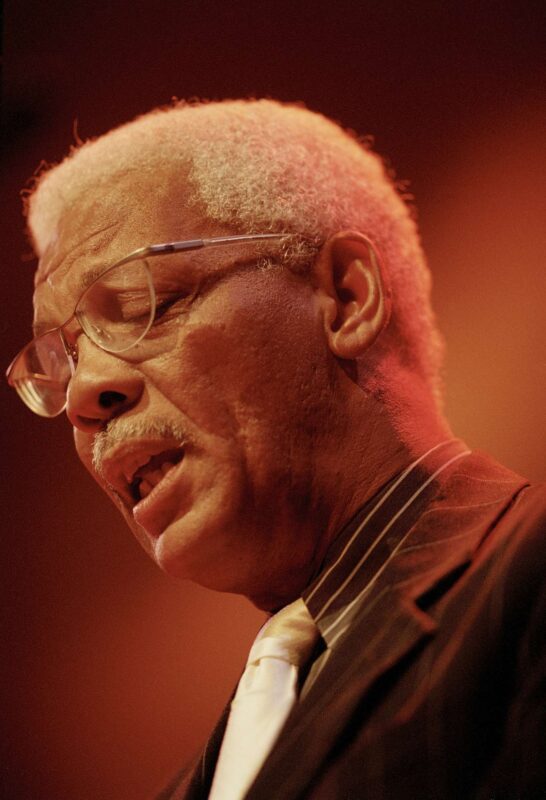
Frank Martinus Arion

(Curaçao, 1936) studied Dutch Language and Literature at Leyden University. He lectured at Amsterdam University and from 1975 to 1981 taught at a teacher training college in Surinam. After that he returned to Curaçao to be appointed head of the Instituto Lingkwistiko Antiano. He founded a Papiamento secondary school based on humanistic principles: the Kolegio Erasmo. He writes stories, essays, poetry and novels. His successful debut novel Dubbelspel (Double Play, 1973) is presently being adapted for the screen. Following Dubbelspel the novels Nobele wilden (Noble savages, 1979) and De laatste vrijheid (The last freedom 1995) appeared, which won him the Cola Debrot Prize in 2001. In November 2001 the collection of stories De eeuwige hond (The eternal dog) appeared. His latest novel De deserteurs (The deserters) was published in 2006.
20060123143953

Gerrit Komrij

(Winterswijk, 1944) was the first Poet Laureate of the Netherlands. He is considered one of the best columnists in the country, a novelist, renowned translator, and an enhtusiastic reviewer of poetry. Komrij is a cat in a Strange Warehouse, as he called a book of collected essays that came out in 2001. The world is never a trusted or obvious place, but if you look good, there's always something surprising around. 'I don't think I'm a no-nonsense guy. There's too much noise inside of me'. Komrij, who has lived in Portugal since 1984, is one of the most productive Dutch writers. Since 1968 he has published several works annually. Recently Komrij's choice of the one-hundred best Dutch poems (2008) appeared, in addition to an anthology of Dutch children's poetry in over 1000 poems (2007) and Kakafonie (2006), an 'encyclopaedia of shit'. In 2005 he published Eendagsvliegen (Ephemera, literary diary entries) and a volume of poetry Fata Morgana.
20050226145252

Manon Uphoff

(The Netherlands, 1962) is a Dutch writer, screenwriter and visual artist. She made her debut in 1995 with the collection of short stories Begeerte (Desire), which was nominated for the AKO Literature Prize, the Anton Wachter Prize and the ECI Prize. The title story was awarded the Rabobank Spring Prize for Literature. Her first novel Gemis (1997) was nominated for the Libris Literature Prize. Her most recent book, Vallen is als vliegen (Falling is Like Flying, 2019), was shortlisted for both the 2019 Bookspot Literature Prize and the 2020 Libris Literature Prize. The novel was named the best Dutch-language novel of 2019 by NRC Handelsblad and Humo. Uphoff was editor of the literary magazine De Revisor and board member and president of PEN Netherlands. As a screenwriter, she wrote the feature film screenplay Een Groot Geweld (Topkapi Films).
20211028115638 1

Michaël Zeeman

(Marken, 1958-2009) was a poet, a writer and a commentator, with a regular column on the Forum page and the book pages of the Volkskrant. Zeeman was the editor of the arts section of the Volkskrant and from 2006-2007 its Rome correspondent. In 2006 he and the writer Abdelkader Benali published an exchange of letters, exchanging ideas on politics, life, love and literature. In 2002 Zeeman received the Gouden Ganzenveer (Golden Goose Quill) for his merits for Dutch literature. Zeeman became well-known in the 1990s as the host of his monthly book programme 'Late at night after a short walk', later to be renamed 'Zeeman with books'. In 1991 he published his first volume of poetry, Beeldenstorm (Iconoclasm), winning him the C. Buddingh Prize. His second volume Verhoudingen (Relationships) appeared in 1995. In the same year he published short stories entitled De Verduistering (The Darkening). He died in 2009.
20080206143715

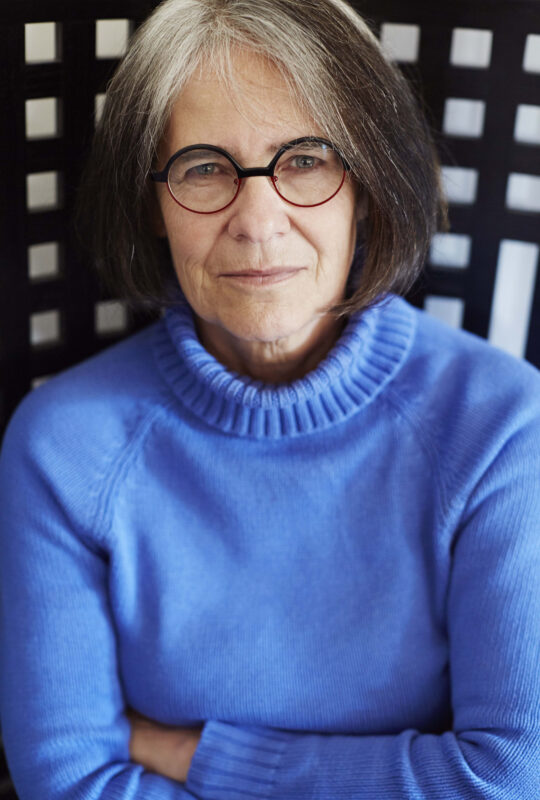
Pauline Melville

(Guyana 1959). Her father is from Guyana, her mother is English. She lived and worked in Jamaica and French Guyana for some time. She now lives in London. In 1997, she was awarded the prestigious Whitbread First Novel Award for The Ventriloquist’s tale. A year later she was nominated for the Orange Prize, the literary prize for the best women’s novel. She also wrote two collections of short stories: Shape-Shifter (1991) and Migration of Ghosts (1998).
WN 2001
20050302145501

Discover

20 May 2026

Get your 2027 tickets!

Get your Early Bird tickets for the big festival nights, Friday & Saturday Night Unlimited!