Live Anthology and Debate

20050302170725

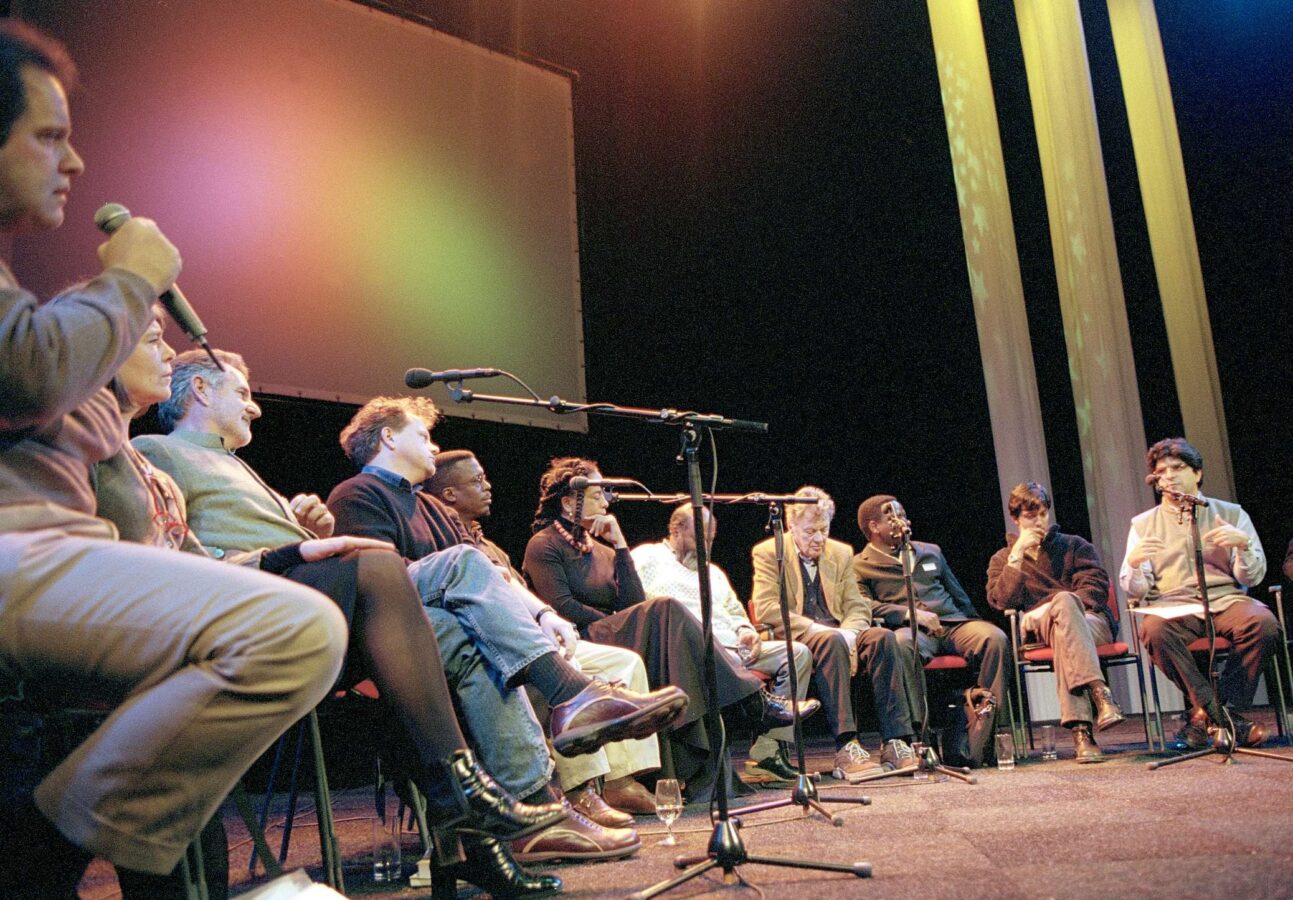
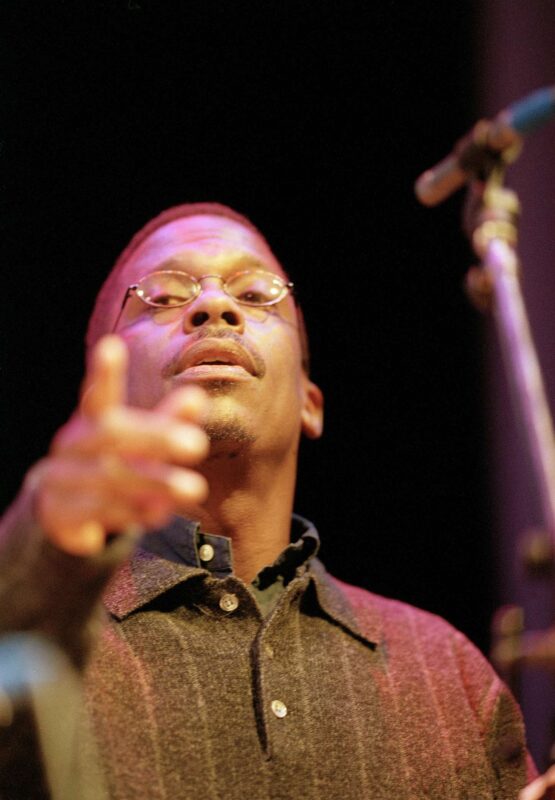
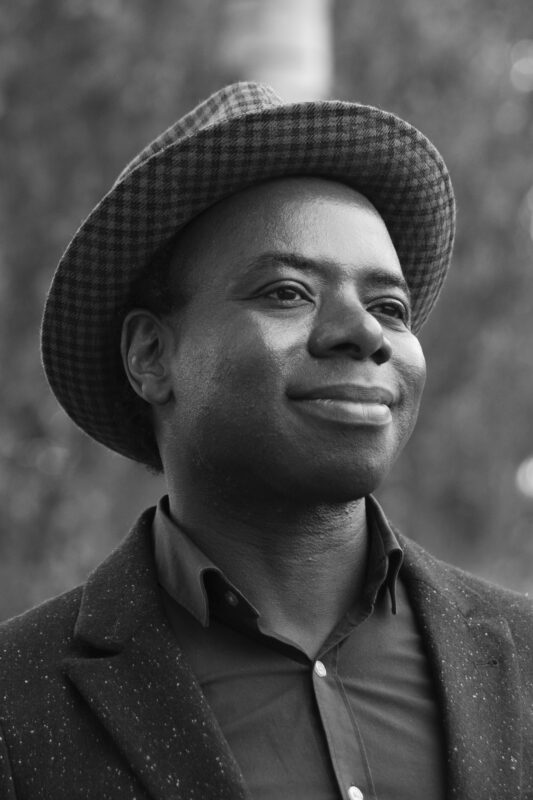
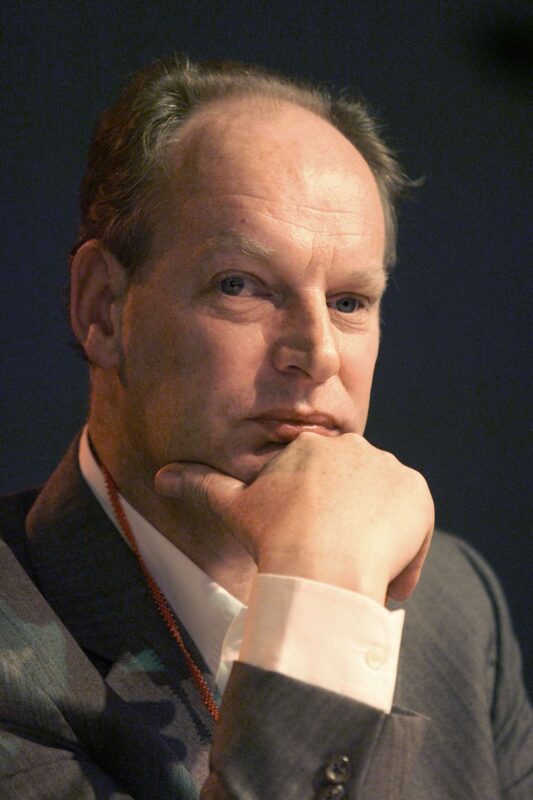
What is the most beautiful poem on diaspora? A number of Winternachten guests read their favourite poem from each other's literatures. The writers were introduced by Basil Appollis.
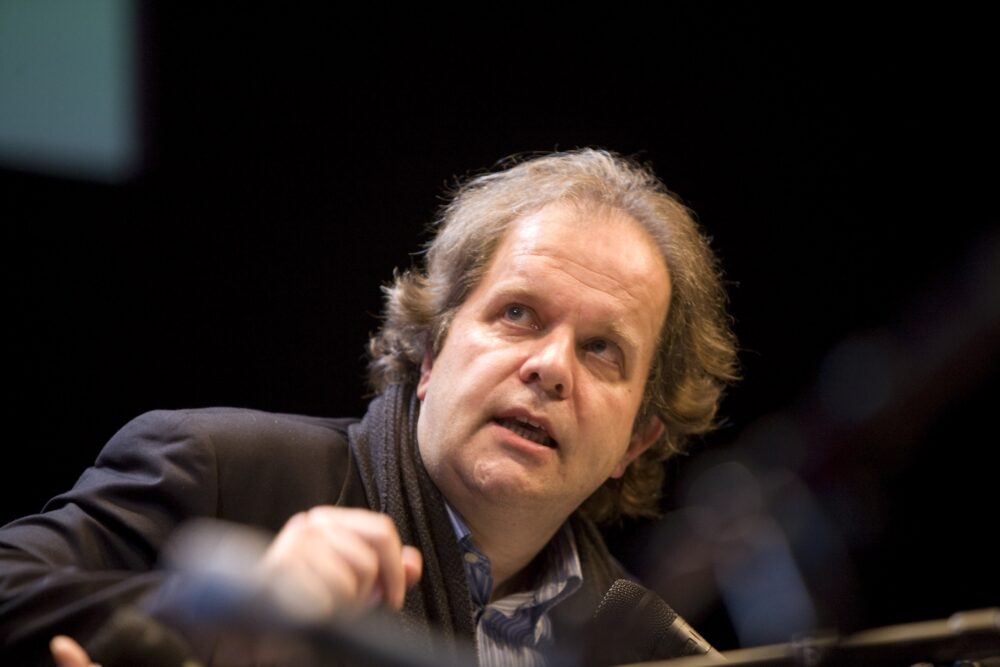
Dutch writer Henk van Woerden gave the introductory lecture (in Dutch) to a debate on the theme of 'diaspora and the writer'. This debate (in English), hosted by Michaël Zeeman, appeared to be a good start for the Boekenweek, a annual event for the promotion of Dutch literature, following a few weeks later in The Netherlands.

Information

Date and time Sunday 21 January 2001 from 14:00 to 16:30 hrs
Location Theater aan het Spui

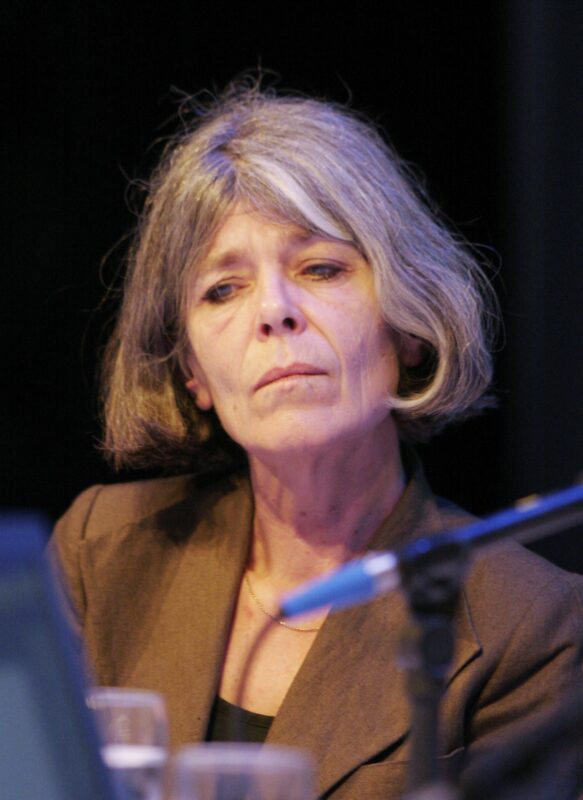
Anna Enquist

(Amsterdam, 1945) studied piano and psychology. Up until the year 2000 she worked as a psychoanalyst. In 1991 she made her debut with her collection of poems Soldatenliederen (Soldier’s Songs) for which she was awarded the C. Buddingh’ Prize. Her second collection, Jachtscènes (Hunting Scenes) appeared in 1992 and it earned her the Lucy B. en C.W. van der Hoogt award. Her first novel Het meesterstuk (The Masterpiece) (1994) sold 70.000 copies within two years. This novel was awarded the Debutant prize. Her second novel Het geheim (The secret) was published in January 1997 and it won the Trouw Publieksprijs (Trouw public award). In the spring of 1999 Enquists first collection of stories De kwetsuur (The injury) appeared. Her most recent publications are the novel De Sprong (The jump) (2003) and the collection of poems Tussentijd (Between time) (2004). Anna Enquist regularly publishes poems and short stories in the literary football magazine Hard Gras.
WN2005


20050223120437

Ardashir Vakil

20050302173056

Bas Heijne

(Nijmegen, NL, 1960) writes essays, short stories and plays, and is a columnist with the daily newspaper NRC Handelsblad. He published the novels Laatste woorden (Last words) and Suez and received the Henriëtte Roland Holst Prize in 2005. In 2011's Moeten wij van elkaar houden, het populisme ontleed (Do We Have to Love One Another? Populism Dissected) Heijne shows how globalisation and individualism pave the way for populism. Angst en schoonheid (Fear and Beauty) was published in 2013, an essay about Dutch writer Louis Couperus, whom Heijne admires. In the same year his documentary about Couperus was broadcast. In 2015 he hosted the five-part documentary De volmaakte mens (The Perfect Human). In 2016 his essay Onbehagen – nieuw licht op de beschaafde mens (Discontent - new light on civilized man) was published. In 2017 Heijne received the P.C. Hooft Award for his essayistic works.
20131029170754 1

Basil Appollis

20050302153855

Breyten Breytenbach

(1939, Bonnievale) is a South-African writer and painter with French citizenship. He studied at the University of Cape Town. He became a committed opponent of apartheid and left South Africa for Paris in the early 1960s. On returning to South Africa in 1975 he was arrested and sentenced to nine years of imprisonment. In his work The True Confessions of an Albino Terrorist he describes aspects of his imprisonment. After his release in 1982 he returned to Paris. Breytenbach wrote poetry, novels, essays and plays. His poems are rich in metaphores and are a complex mixture of references to Buddhism, Afrikaans idiomatic speech, and memories of the South African landscape. Breytenbach is also known as a painter. Many of his paintings portray surreal human and animal figures, often shown in captivity. He has been honored with numerous literary and art awards. Breytenbach is active in different organizations for South-African political exiles.
20051116094751

Ellen Ombre

(Paramaribo, Surinam, 1948) moved as a teenager, together with her family, to Amsterdam where she attended secondary school and afterwards studied social sciences. Working in mental healthcare provided her with inspiration for her books. At the age of 44 Ellen Ombre made her debut with the much praised book Maalstroom (Maelstrom) (1992). In this collection of short stories she reflects on her early years in the Netherlands. She also wrote Wie goed bedoelt (Who means well) (1996), an autobiographical travel journal, in which she sketches a picture of the triangular slave trading route between Surinam, the Netherlands and Benin. In 2000 she published the novel Valse verlangens (False desires), where she touches on the prejudices between the Surinamese and the Dutch. In 2004 she published Negerjood in Moederland (Negro-jew in the motherland). Ombre is a member of the international advice committee of the Prins Claus Fund. In 2005 she returned to Surinam.
20050226143637

Ian Buruma

(The Hague, NL, 1951) is a sinologist, japanologist, journalist and writer. Asian culture, democracy, religion, politics, Islamic fundamentalism, and the aftermath of World War II are returning subjects in his vast body of work. His essays have appeared in publications such as The New York Times, The GuardianNRC and The New York Review of Books. Buruma grew up in The Hague, the child of a British mother and a Dutch father. His book Their Promised Land: My grandparents in times of love and war tells the story of his London-born, German-Jewish grandparents. He has been a professor of democracy, human rights and journalism in New York since 2003. He received the Erasmus Prize in 2008.
20131017100551 1

Jit Narain

(Jidt Narainsingh Baldewsingh, Livorno, Surinam, 1948) Born in Suriname, Jit Narain is the grandson of Indian immigrants. In 1969 he went to the Netherlands to study medicine and became a doctor in The Hague. He returned to Suriname in 1991. Since then he has been heading the head of an outpatients clinic in Saramacca. He is a fervent defender of the emancipation of Sarnami, the Hindu-Surinamese language and for his efforts received the Rahman Khan prize. Narain writes poems which can be read and sung. The poems reflect the history and memories of Hindustan immigrants in Suriname. He writes in Sarnami and in Dutch, approaching the same secret history of immigrants from different perspectives. He made his debut in 1977 with the poetry collection in Sarnami Dal Bhat Chatni (Rice, yellow peas and chutney). His debut has been followed by six other collections of poetry.
20050302172427

Lasana M. Sekou

(Aruba, 1959) Lasana M. Sekou is the author of 13 books of poetry, short stories, monologues and essays. Born Harold Hermano Lake in Aruba in 1959, he grew up in Sint Maarten. Sekou studied political science and mass communication in the USA, where he changed his name to Lasana (poet) Sekou (warrior). His books, such as The Salt Reaper and Nativity, have been required reading at Caribbean and North American universities. He is the editor of National Symbols of St. Martin and The Independence Papers – Readings on a New Political Status for St. Maarten/St. Martin. He also produced Fête – The first recording of traditional St. Martin festive music. Sekou lectures on history, culture, politics and literature at schools, universities and festivals throughout the world. His poetry has appeared in journals such as The Massachusetts Review, Del Caribe, De Gids, and Boundary 2. In 1982, Sekou founded House of Nehesi Publishers in New York. In 1984, he established the small press in Sint Maarten, where he lives and continues to publish well-known and new writers www.houseofnehesipublish.com.
20050302171602

Rajeev Balasubramanyam

20050302173111

Vamba Sherif

(Liberia, 1973) is a novelist, essayist, journalist and film critic. His debut novel Land of the Fathers (1999) is partly based on his grandmother's stories and deals with the clash between slaves returning from the US and other Liberians. The novel The Black Napoleon (2015) portrays Samori Touré, who founded the Wasulu-empire in western Africa in the 19th century. His journalism, including film reviews, appears in publications such as The New York Times, Trouw and One World. Together with  Ebissé Rouw he compiled Zwart (Black, 2018), a collection of stories by Afro-European authors from the Low Countries. Ongekende liefde (Unprecedented Love), in which he tells his life story to his ten-year-old daughter Bendu, was published in 2021. Sherif's historical novel The Emperor’s Son (2023) follows Zaiwulo, a young prodigy who trains under sage Talata of the Haidarah family in Musadu. Entangled in the intrigues of Emperor Samori, the 'Black Napoleon,' Zaiwulo matures into a formidable soldier.
20240930103308 2

Henk van Woerden

(1947-2005) was a painter and writer. He lived in South Africa since he was nine and after his studies in the arts remigrated to Europe. In 2001 Henk van Woerden made an international breakthrough. In that year he received for his book Een mond vol glas (A mouthful of glass) (1998) the prestigious Sunday Times Fiction/ Alan Paton Award, the award for the best book in South Africa. Een mond vol glas, a chronicle about Tsafendas, the murderder of prime minister Verwoerd, is the last section of a triptych about South Africa. His prose debut Moenie kyk nie (Don't look) (1993), which was crowned with the Geertjan Lubberhuizen award, was the first section. The second section was the novel Tikoes (1996). By the end of 2002 Notities van een luchtfietser (Notes from an air cyclist) appeared, in which van Woerden writes about both his imaginary and his real travels. In February 2003 Henk van Woerden received the Frank Kellendonk award. In October 2005 his last novel was published, Ultramarijn. It was awarded the Flemish literary prize the Gouden Uil in 2006.
20050226183336

Michaël Zeeman

(Marken, 1958-2009) was a poet, a writer and a commentator, with a regular column on the Forum page and the book pages of the Volkskrant. Zeeman was the editor of the arts section of the Volkskrant and from 2006-2007 its Rome correspondent. In 2006 he and the writer Abdelkader Benali published an exchange of letters, exchanging ideas on politics, life, love and literature. In 2002 Zeeman received the Gouden Ganzenveer (Golden Goose Quill) for his merits for Dutch literature. Zeeman became well-known in the 1990s as the host of his monthly book programme 'Late at night after a short walk', later to be renamed 'Zeeman with books'. In 1991 he published his first volume of poetry, Beeldenstorm (Iconoclasm), winning him the C. Buddingh Prize. His second volume Verhoudingen (Relationships) appeared in 1995. In the same year he published short stories entitled De Verduistering (The Darkening). He died in 2009.
20080206143715

Jan Eijkelboom

(1926, Ridderkerk). In 1945, shortly after the liberation of The Netherlands, he joined the Dutch army. In the next five years he takes part in the Dutch colonial war in Indonesia. Its horrors he afterwards suppresses, instead of trying to digest the experiences. Back in The Netherlands, he starts his studies English and Political Science. He becomes the editor of Propria Cures when Aad Nuis and Renate Rubintsein also wrote for it. In 1957 he joins the editorial staff of Tirade. Two years later he becomes vice principal editor in chief of Vrij Nederland for which he already worked as a journalist. He also wrties for De Dordtenaar and Het Vrije Volk. He starts writing poetry when under psychotherapeutic treatment (in relation to his Indonesian experiences). In 1980 the collection Wat blijft komt nooit terug (What remains never returns) appears, in 1983 he is awarded the Herman Gorter Prize for his collection De gouden Man (The Golden Man). He died in 2008.
20050302170244

Discover

20 May 2026

Get your 2027 tickets!

Get your Early Bird tickets for the big festival nights, Friday & Saturday Night Unlimited!