Islam and disrupted childhood

20060404164657

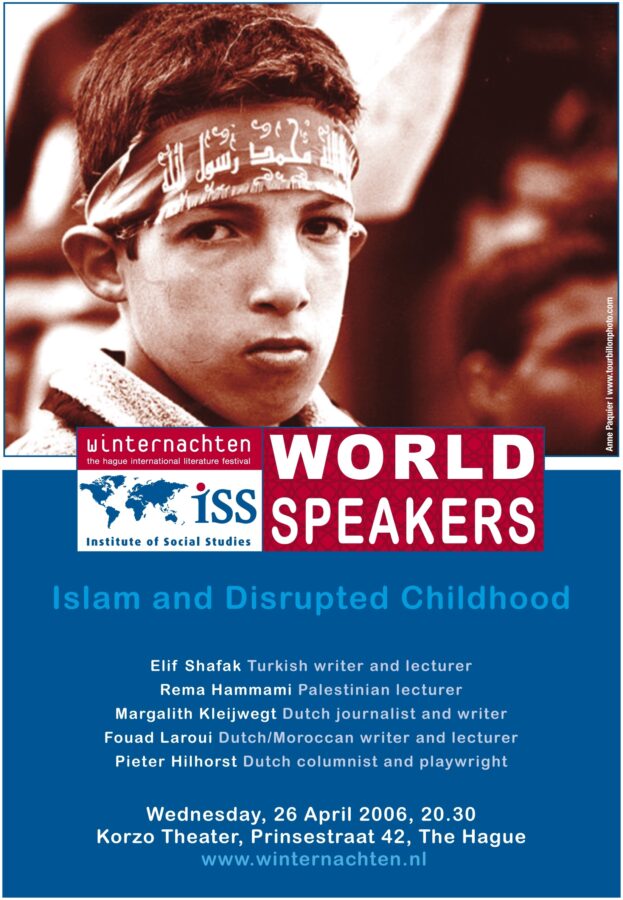
This was the first programme in the series 'World Speakers' in Korzo Theatre in The Hague, organised by Winternachten and the Institute of Social Studies. The debate looked at traditions and Islam in the education of children in changing and hostile social environments. Participants were Elif Shafak, a writer from Istanbul and lecturer in gender studies in the USA, Rema Hammami from Palestine, lecturer in anthropology and women's studies, Dutch journalist Margalith Kleijwegt, writer of Onzichtbare ouders - de buurt van Mohammed B. (Invisible parents – the neighbourhood of Mohammed B.) and writer Fouad Laroui, raised in Morocco, emigrated to Paris, now living in Amsterdam. Moderator was Pieter Hilhorst.

We compared three situations: immigrants in the jungle of Dutch cities, migrants from Turkish rural areas to Istanbul and other Turkish cities, and Palestinian youth in the ‘war zone’. In these situations parents lose control of their children. They rely on school, neighbourhood and government to keep their children on the right track. But in these situations things get out of hand. The traditional Islamic organisations seem to provide a refuge: they give the children structure and a traditional religious education, in Turkey as well as in Palestine and the Netherlands. Rema Hammami’s opinion is that the success of the Hamas in Palestine has to do with this kind of social support they offer.

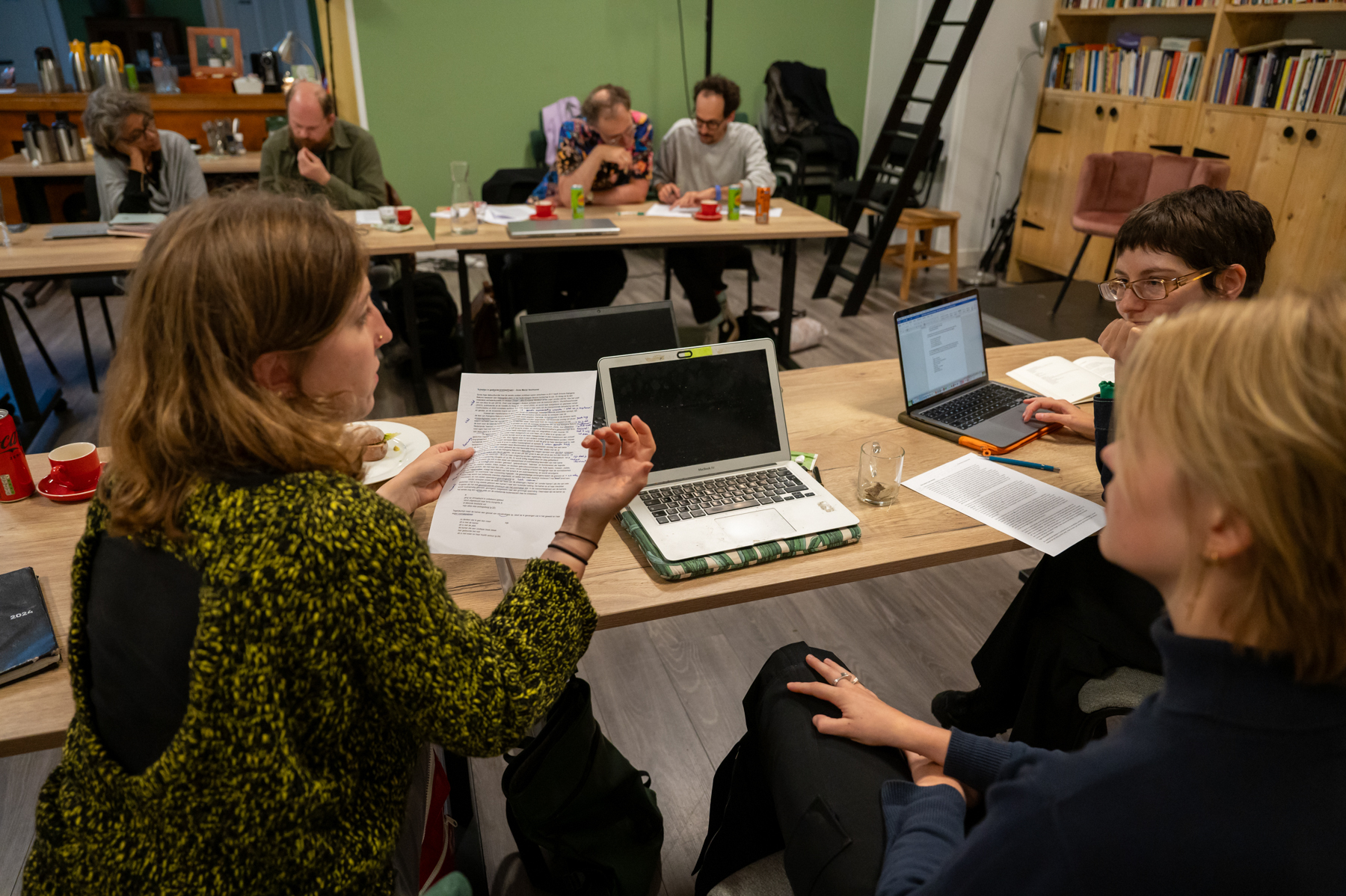
The first part of the evening was a discussion with the four guests. The writers (Fouad Laroui, Elif Shafak, Margalith Kleijwegt) read from their literary work (in the original language, with simultaneous projection of the English translation). In the second part a panel of students from the ISS took part in de debate. The debate was in English.

Information

Date and time Wednesday 26 April 2006 from 20:30 to 22:30 hrs
Location Korzo grote zaal

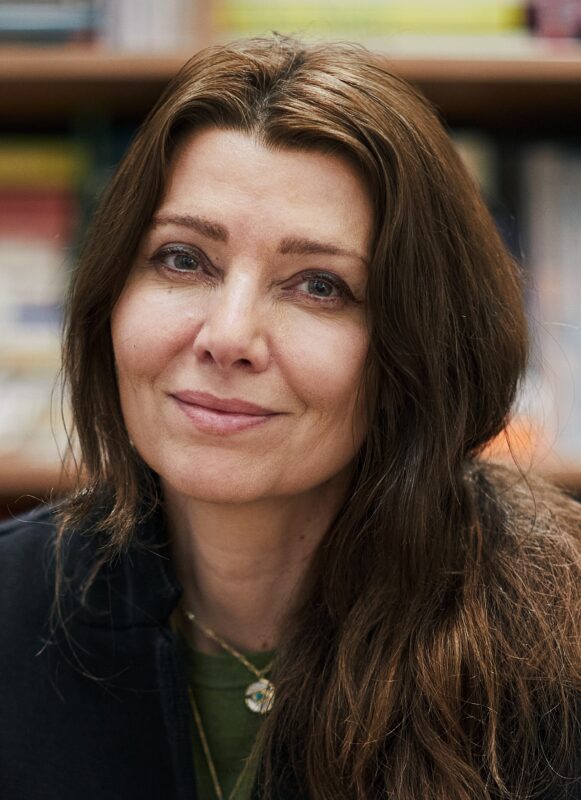
Elif Shafak

(France, 1971) is an award-winning British-Turkish novelist and storyteller. She has published 21 books, 13 of which are novels and her books have been translated into 58 languages. The Island of Missing Trees was a finalist for the Costa Award, British Book Awards and a Reese Witherspoon Book Club Pick. 10 Minutes 38 Seconds in this Strange World was shortlisted for the Booker Prize and RSL Ondaatje Prize; and was Blackwell’s Book of the Year. The Forty Rules of Love was chosen by BBC among the 100 Novels that Shaped Our World. The Architect’s Apprentice was chosen for The Queen’s Reading Room. Shafak holds a PhD in political science and she has taught at various universities in Turkey, the US and the UK, including St Anne's College, Oxford University, where she is an honorary fellow. She also holds an honorary Doctorate of Humane Letters from Bard College. Shafak is a Fellow and a Vice President of the Royal Society of Literature and has been chosen among BBC’s 100 most inspiring and influential women. An advocate for women's rights, LGBTQ+ rights and freedom of expression, Shafak is an inspiring public speaker and twice TED Global speaker. She contributes to major publications around the world and she was awarded the medal of Chevalier de l’Ordre des Arts et des Lettres. In 2024, Shafak was awarded the British Academy President's Medal for "her excellent body of work which demonstrates an incredible intercultural range". Her website can be found at www.elifshafak.com and her Substack is called "Unmapped Storylands".
20241003171839 4

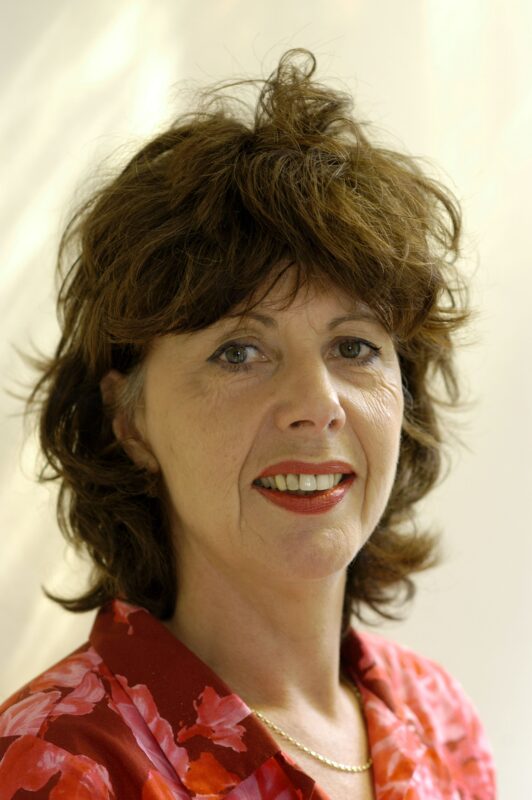
Margalith Kleijwegt

is a journalist for the news magazine Vrij Nederland and wrote Onzichtbare ouders – De buurt van Mohammed B. (Invisible parents – the neighbourhood of Mohammed B.). For this book she followed pupils from a ‘black’ secondary school in the west of Amsterdam. She wondered how the foreign parents of these children live, and what they expect from their children. The result of her research is a revealing and oppressive view of isolation, fear and ignorance. Margalith Kleijwegt has worked and lived in Brixton. As a social worker she observed several trouble spots in London. She is known as a reporter who explores sociological problems with an eye for the human story. She is working with her colleague Max van Weezel on a book about the multicultural society: Het land van haat en nijd (The Land of Hate and Spite).
20060404124100

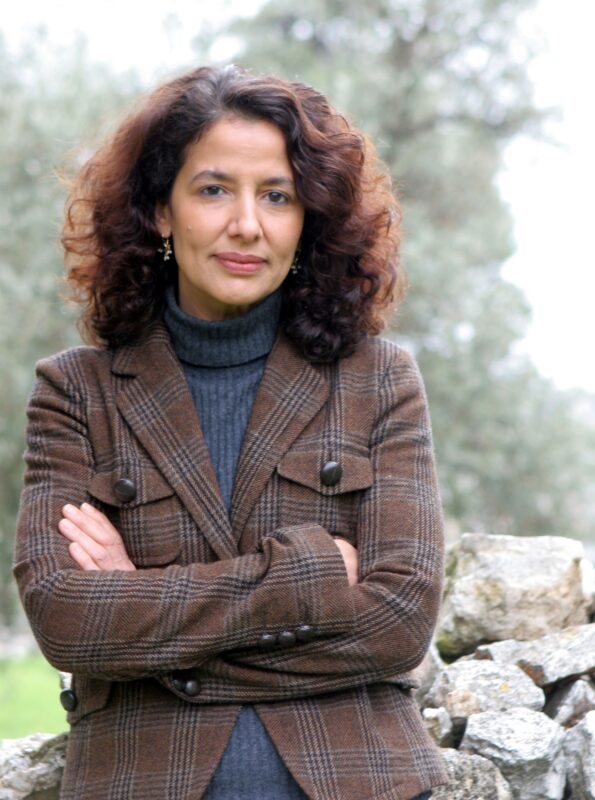
Rema Hammami

studied Political Science at the University of Cincinatti and Cultural Anthropology at the Temple University in Philadelphia. At the same university she earned her PhD in 1994 with the dissertation Between Heaven and Earth; Transformation in Religiosity and Labor among Peasant Refugee Women in South Coastal Palestine/Gaza Strip 1922-1992. Hammami is Assistant Professor of Anthropology at the Institute of Women's Studies of the Birziet University in Palestine. On Thursday 20 April 2006 she will accept her appointment to the Prince Claus Chair in Development and Equity 2005/2006 with her inaugural address Human Agency at the Frontiers of Global Inequality: An Ethnography of Hope in Extreme Places. Hammami has been nominated for the chair because of her impressive academic contribution as an intellectual protagonist for peace and co-existence in Palestine.
20060321103004

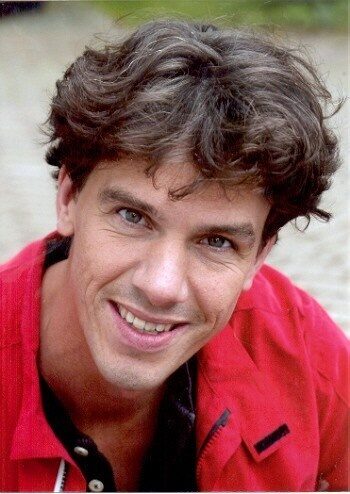
Pieter Hilhorst

(Voorburg, 1966) studied political science in Amsterdam. He is a columnist for the daily Volkskrant and for TM, a magazine for the performing arts. He has presented radio and TV programmes and is a playwright. He wrote the plays Lijfstraf (Corporal Punishment), Spong, Stemvee (Voting Cattle), Afstammelingen (Descendents) and Hetze (Smear Campaign). Together with Rik Delhaas he wrote the satire Willens en Wetens (Wittingly). In 2001 he published De Wraak van de Publieke Zaak (The Revenge of Public Interest), a critical study of the latest trends in public government. In 2005 his fiction debut Souffleur van de Macht (Prompter of Power) was published.
20060223114328

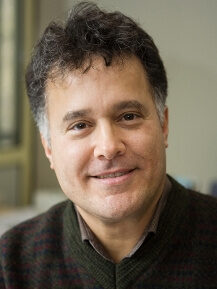
Fouad Laroui

(Morocco, 1958) in 2013 won  the Prix Goncourt de la Nouvelle for his collection of short stories The Curious Case of Dassoukine's Trousers. Since his debut in 1996 humor has been his weapon against intolerance, both in his novels and in his other work. In his fiction, such as the collection of short stories Poldermarokkanen (2010), the novels Une année chez les Français (2011) and La femme la plus riche de Yorkshire (2011), Laroui describes time and again the collision between North African culture and Western culture. Laroui grew up in Casablanca and studied econometry, mathematics, physics and architecture in Paris. He lectures French literature and Arab culture at the University of Amsterdam.
20181217095441 1

Discover

20 May 2026

Get your 2027 tickets!

Get your Early Bird tickets for the big festival nights, Friday & Saturday Night Unlimited!