International Storytelling Symposium

20200113233108 1

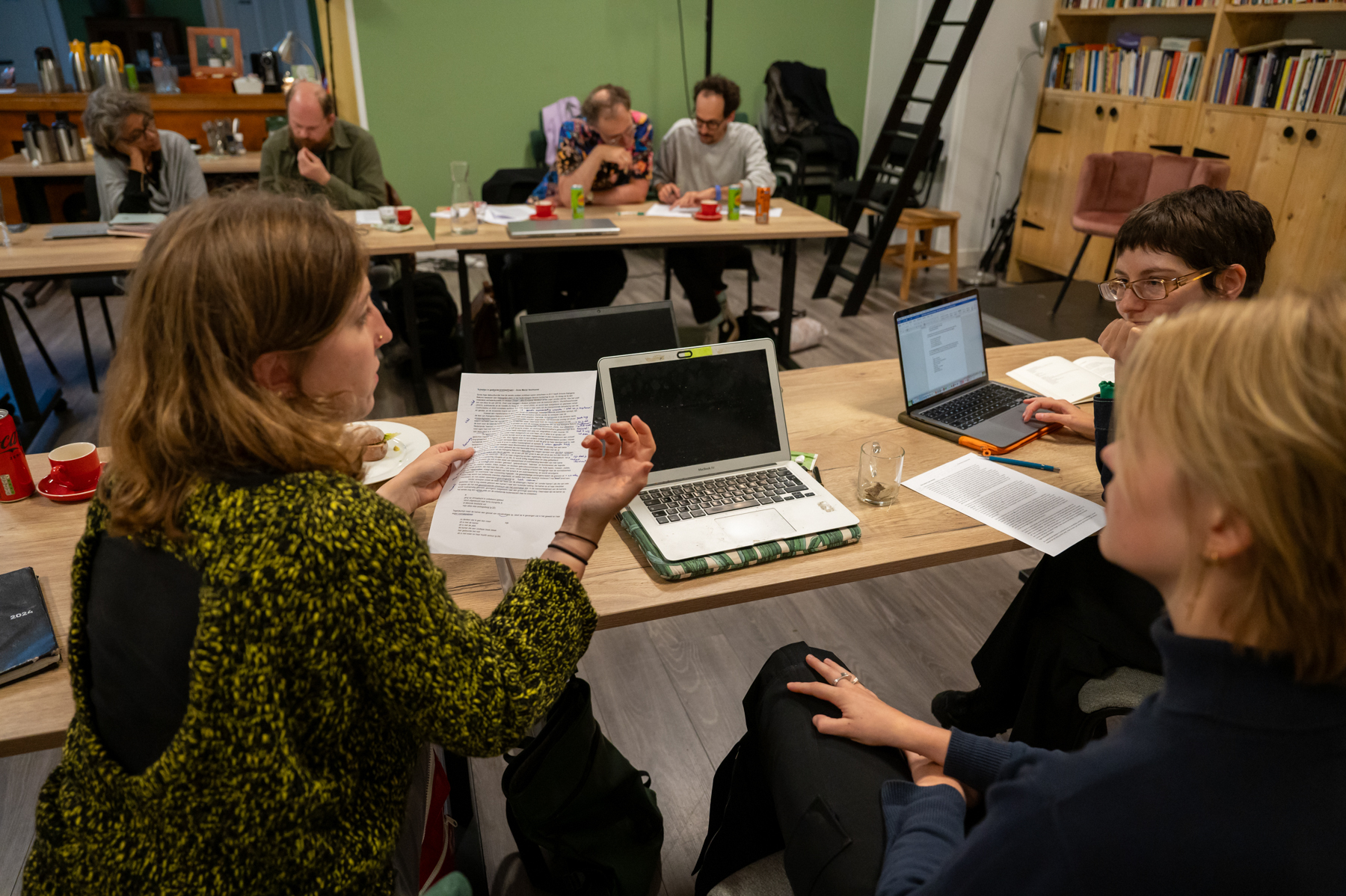
This program at the Institute of Social Studies has become a much-loved classic at Winternachten Festival. Visitors, writers, students and teachers tell each other stories. This time around, the theme was "decolonisation", which has quickly become a key word in the world of museums, universities and society at large. But how are you dealing with this individually? How are you decolonising your thinking or your life, at your workplace or at home? What are you experiencing, and what challenges do you encounter? 

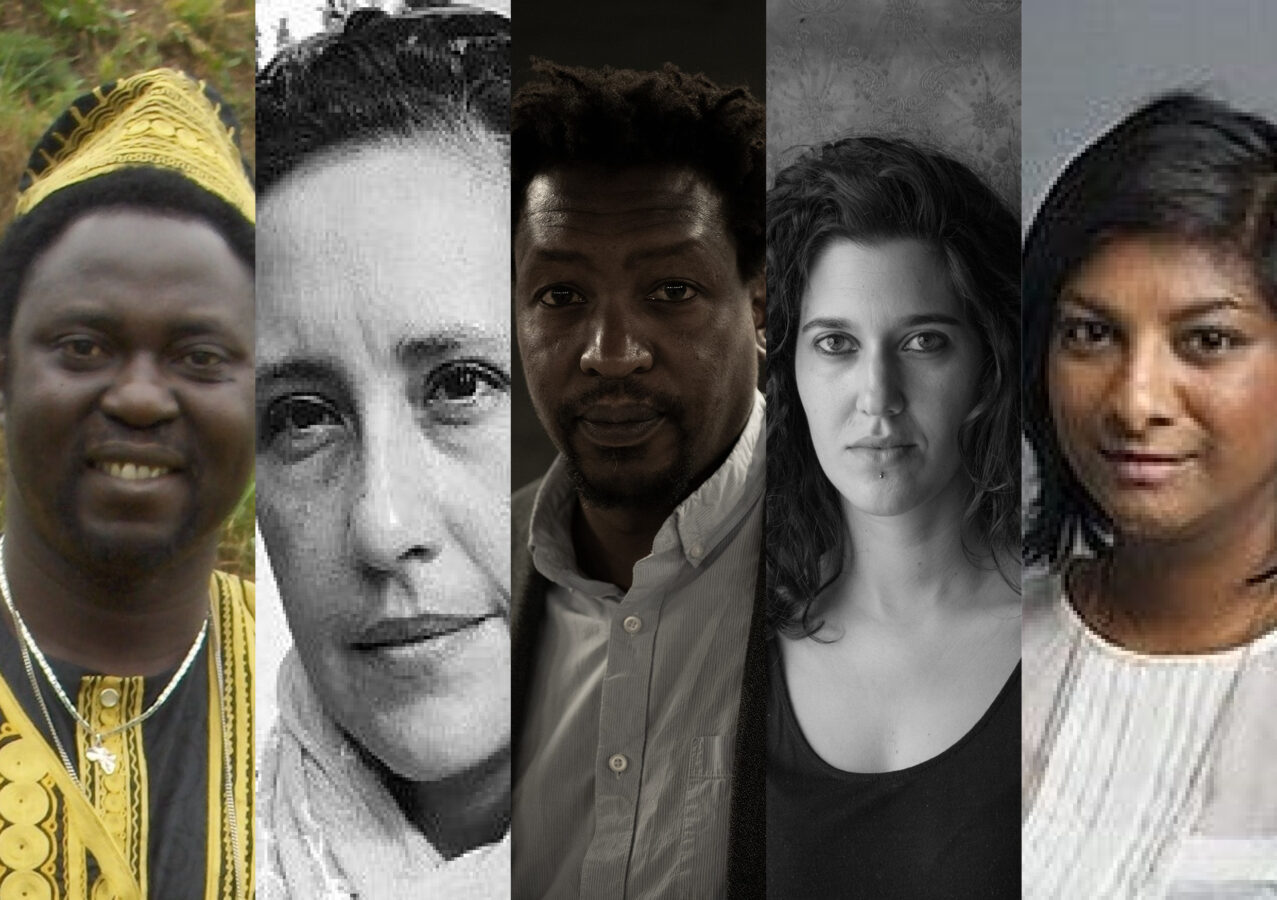
Llsten to stories from all over the world and, if you like, share your own story! Maximum 5 minutes and in English only - no other protocol. Among the participants were writer, poet, essayist and literary scholar Mukoma Wa Ngũgĩ - who was born in the US and grew up on Kenya. Asmaa Azaizeh, Palestinian poet and essayist, Zuleika Sheikh and Rosalba Icaza, teachers at the Institute of Social Studies, also talked about their experiences with "decolonising the mind". The stories were interspersed by muscial performances by Lamin Kuyateh.

The 25th anniversary edition of Writers Unlimited festival payed special attention to liberation and, more specifically, to the decolonisation of (Western) thinking. How free is our mind, what does that freedom mean, and are we really free or are we trapped in the framework of our culture, society and history? This theme was partly based on Decolonizing the Mind, an essay by Mukoma Wa Ngũgĩ''s father, the Kenyan writer and social activist Ngugi wa Thiong'o. The essay is about colonised language and its still-noticeable influence. With this theme, the festival also established a link to its early editions, which focused on The Netherlands' relationship with Indonesia, Surinam, the Antilles and South Africa.

Read here the article that Mukoma Wa Ngũgĩ published in 2018 in Literary Hub about the meaning of the essay Decolonizing the Mind (1986) by his father Ngũgĩ wa Thiong’o.

Information

Date and time Thursday 16 January 2020 from 16:00 to 18:00 hrs
Location Institute of Social Studies

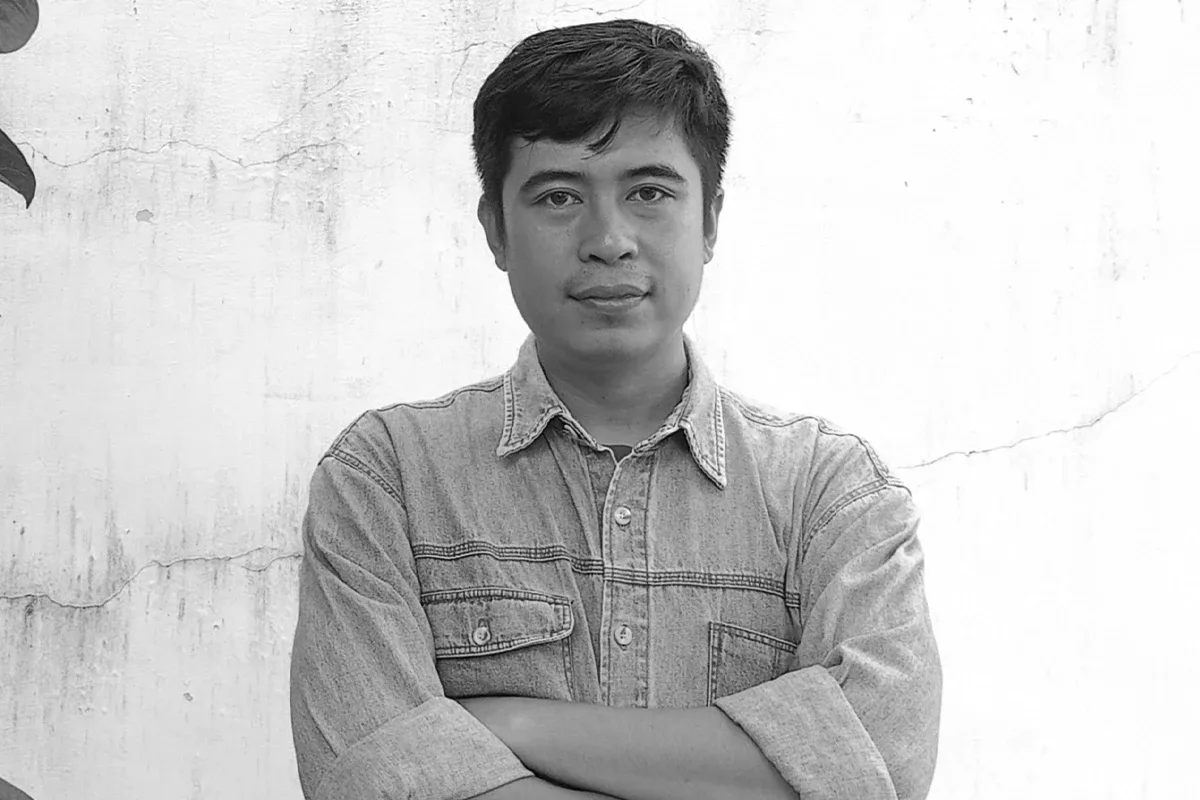
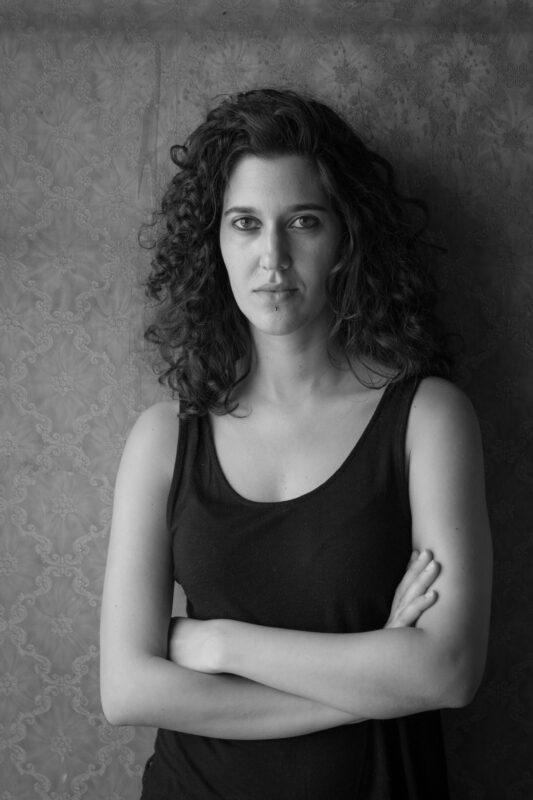
Asmaa Azaizeh

(1985) is a Palestinian poet and essayist who became the first Director of the Mahmoud Darwish Museum in Ramallah in 2012. She currently works as a cultural curator in Haifa. She was born in Lower Galilee, the region in the northern district of Israel and studied English literature and journalism at the University of Haifa. Her first poetry collection, Liwa, was published in Amman in 2011, after she had won the A.M. Qatan Foundation Award. Four years later the collection As The Woman From Lod Bore Me (2015) was published and in 2019 Do Not Believe Me Were I Talk to You About War. Her poetry has been translated into languages including English, German, Italian, Spanish, Swedish, Hebrew and Persian.
20191104162657 1

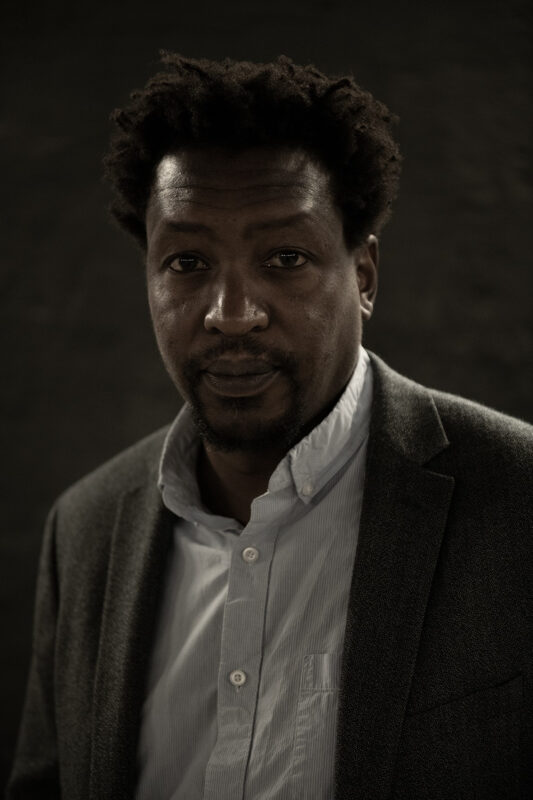
Mukoma Wa Ngũgĩ

(USA, 1971) grew up in Kenya but returned to the US to study political science, English and creative writing. He is a writer, political analyst and columnist for BBC Focus on Africa Magazine. Wa Ngũgĩ wrote several novels, including Nairobi Heat (2009), Black Star Nairobi (2013) and Mrs. Shaw (2015), as well as two volumes of poetry: Hurling Words at Consciousness (2006) en Logotherapy a decade later. He also wrote non-fiction titles, including Conversing with Africa: Politics of Change (2003) and The Rise of the African Novel: Politics of Language, Identity and Ownership (2018). He has written many political essays and columns for publications like the LA Times and World LIterature Today. Wa Ngũgĩ is a professor of English at Cornell University in New York and the son of the Kenyan writer Ngũgĩ wa Thiong'o.
20191104100225 1

Zuleika Sheik

is a South African PhD candidate at the Institute of Social Studies, Erasmus University in The Hague. Her current research addresses the experiences of women of colour in Dutch academia in relation to epistemic diversity. Her research interests include decoloniality, postcolonial theory, cultural studies, development studies, gender, racism and qualitative research methods. She worked previously in corporate communications before pursuing postgraduate studies at The Centre for Communication, Media and Society at the University of Kwa-Zulu Natal in Durban, where she graduated summa cum laude with a Masters in Media and Cultural Studies. She has also been a visiting scholar at Hogskolan Gavle in Sweden.
20191123110338 1

Rosalba Icaza Garza

is Associate Professor at the International Instute of Social Studies, Erasmus University Rotterdam. Before coming to ISS and the Netherlands, she was an activist in Mexico City working for a network of social movements opposing the North American Free Trade Agreement (NAFTA). She moved to the UK and obtained her PhD from the University of Warwick (UK) on the political economy of transborder civic resistance to open/neo-liberal regionalism. She explains her research agenda at ISS as one that seeks to understand how place-based social resistances contribute to global epistemic justice.
20191123110055 1

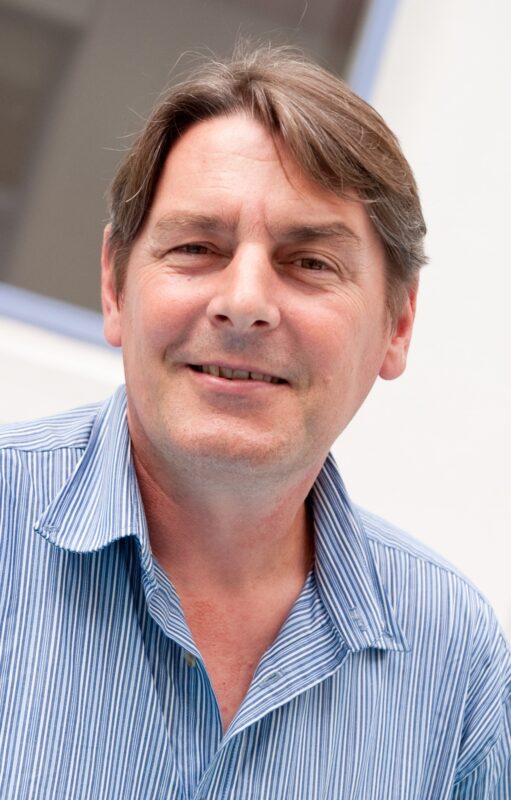
Kees Biekart

is a political scientist at the International Institute of Social Studies (ISS, part of Erasmus University Rotterdam) in The Hague and interested in transformative change and social movements, Together with his international students, he looks for alternative ways to support political democracy at a grassroots level. He constantly seeks out new forms of research, including "storytelling", which has become an increasingly important research method.
20241024162734 2

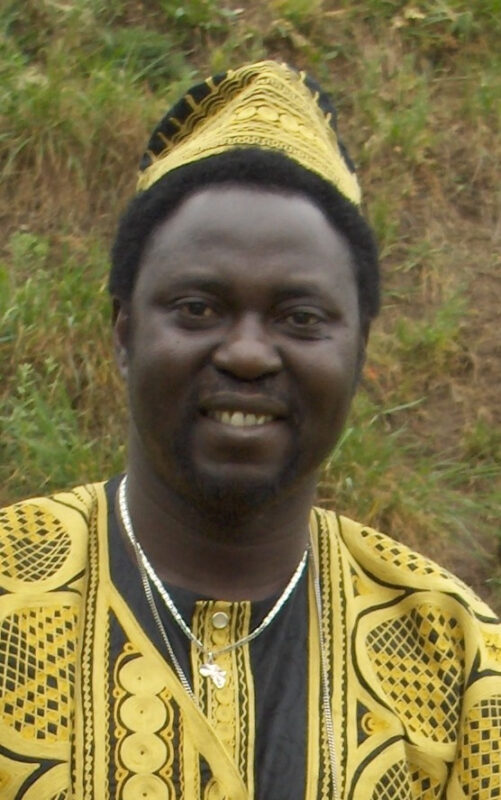
Lamin Kuyateh

(Gambia, 1964) was raised on culture: as of his fifth birthday, he studied to become a kora player. He is a true "jalli" (griot), meaning someone who passes on history though song and music. The Fiscoband, which he founded in 1993, was one of the first groups to combine kora with Western instruments. Kutayeh has lived in the Netherlands since 1996, and has performed at many festivals and venues with his Jalliya Ensemble, such as at the Concertgebouw, Tivoli Vredenburg, Melkweg, Philips Cenrum and the Schiecentrale. Later, he also founded the successful ensembles Jalliyabaa and KoraFusion, in which he frequently collaborates with musicians from all kinds of disciplines. Since 2000 he has given kora lessons at the Amsterdam Conservatory.
20190108165620 1

Discover

20 May 2026

Get your 2027 tickets!

Get your Early Bird tickets for the big festival nights, Friday & Saturday Night Unlimited!