I capitulate - a debate about threats, solidarity and self-censorship in art and journalism
20060123164815

Freedom of speech is under pressure in the Netherlands. Almost every artist or journalist who has appeared in the news as a result of receiving threats, has capitulated. From theatre director Johan Doesburg (Fassbinder's The dirt, the city and death) to Hasna el Maroudi (columnist for the newspaper NRC Handelsblad, 2005).

Each time two aspects came under threat: the person in question, who as a result sought shelter, and the freedom of speech, which after a wave of public indignation is abandoned until the next incident. Afshin Ellian, lawyer, poet and columnist of NRC Handelsblad, opens the program with an introductory essay. Followed by a debate with Sybrand van Haersma Buma (spokesman for the ministry of justice of the Christian democratic party, lower chamber), Bas Heijne (writer) and Marjolijn Februari (philosopher, lawyer and writer). The situation in the Netherlands is given an international perspective by the presence of South African poet and former anti-apartheid activist Breyten Breytenbach. Joesoef Isak, publisher, journalist and champion of the free word in Indonesia, was announced to take part in this discussion, but he had to cancel. Because of ill health he cannot make the trip to the Netherlands. Michaël Zeeman chairs the debate.
Dutch spoken

Information

Date and time Friday 20 January 2006 from 14:00 to 16:30 hrs
Location Theater aan het Spui - grote zaal

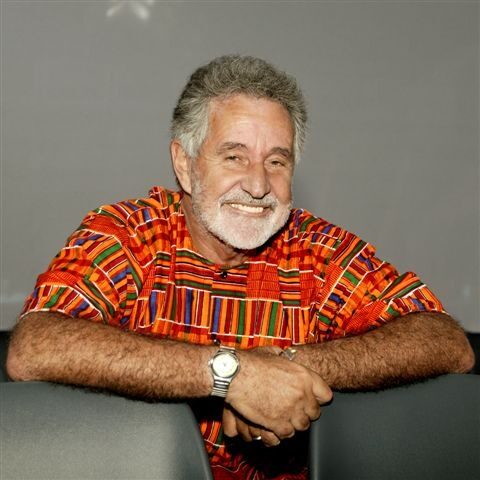
Breyten Breytenbach

(1939, Bonnievale) is a South-African writer and painter with French citizenship. He studied at the University of Cape Town. He became a committed opponent of apartheid and left South Africa for Paris in the early 1960s. On returning to South Africa in 1975 he was arrested and sentenced to nine years of imprisonment. In his work The True Confessions of an Albino Terrorist he describes aspects of his imprisonment. After his release in 1982 he returned to Paris. Breytenbach wrote poetry, novels, essays and plays. His poems are rich in metaphores and are a complex mixture of references to Buddhism, Afrikaans idiomatic speech, and memories of the South African landscape. Breytenbach is also known as a painter. Many of his paintings portray surreal human and animal figures, often shown in captivity. He has been honored with numerous literary and art awards. Breytenbach is active in different organizations for South-African political exiles.
20051116094751

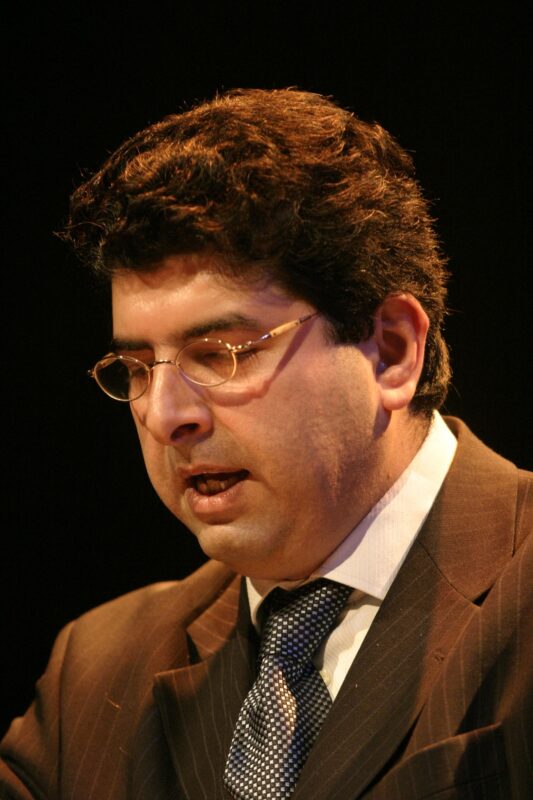
Afshin Ellian

(Teheran, 1966) in 1983 fled Iran and the regime of Ayatolla Khomeiny. After six years in Kabul, where he studied medicine, he was invited to come to the Netherlands in 1989. He studied criminal law, international law and philosophy at the Catholic University in Tilburg. In June 2003 he obtained his doctorate with research and a thesis on the Truth- and Reconciliation committee in South Africa. He has published two collections of poems: Mensenherfst (Human autumn), in which he illustrates aspects of a culture in exile, and Verrijzenis van woorden (Resurrection of words). He is a columnist for the NRC Handelsblad en regularly writes articles for several newspapers. Since June 1st 2005 he has become professor of Social cohesion, citizenship and multi culture at the faculty of Jurisprudence at the University of Leiden. Alongside his scientific work he is often found at the forefront of the debate about the multi cultural society. This year he published Hoe nog verder? 42 visies over de toekomst, (Where do we go from here? 42 visions of the future), Dialoog met Mohammed (Dialogue with Mohammed) and Brieven van een Pers (Letters from a Persian).
20050226125551

Michaël Zeeman

(Marken, 1958-2009) was a poet, a writer and a commentator, with a regular column on the Forum page and the book pages of the Volkskrant. Zeeman was the editor of the arts section of the Volkskrant and from 2006-2007 its Rome correspondent. In 2006 he and the writer Abdelkader Benali published an exchange of letters, exchanging ideas on politics, life, love and literature. In 2002 Zeeman received the Gouden Ganzenveer (Golden Goose Quill) for his merits for Dutch literature. Zeeman became well-known in the 1990s as the host of his monthly book programme 'Late at night after a short walk', later to be renamed 'Zeeman with books'. In 1991 he published his first volume of poetry, Beeldenstorm (Iconoclasm), winning him the C. Buddingh Prize. His second volume Verhoudingen (Relationships) appeared in 1995. In the same year he published short stories entitled De Verduistering (The Darkening). He died in 2009.
20080206143715

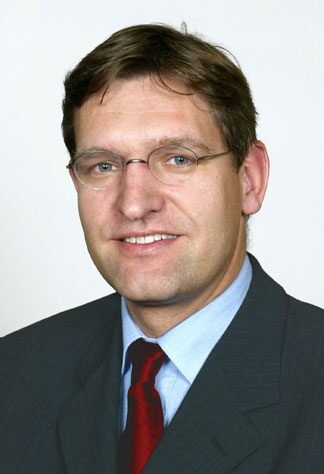
Sybrand van Haersma Buma

(Workum, 1965) studied law at the Rijksuniversiteit in Groningen. Since May 2002 he is a CDA member of the Lower House faction . He was policy staff member for the justice department and substitute civil secretary for the CDA Lower House faction. In the Lower House he is concerned mainly with judicial matters and internal affairs. It is his ambition in the Lower House to contribute to a safe and committed society, in which people have respect for one another and take responsibility.
20051027145214

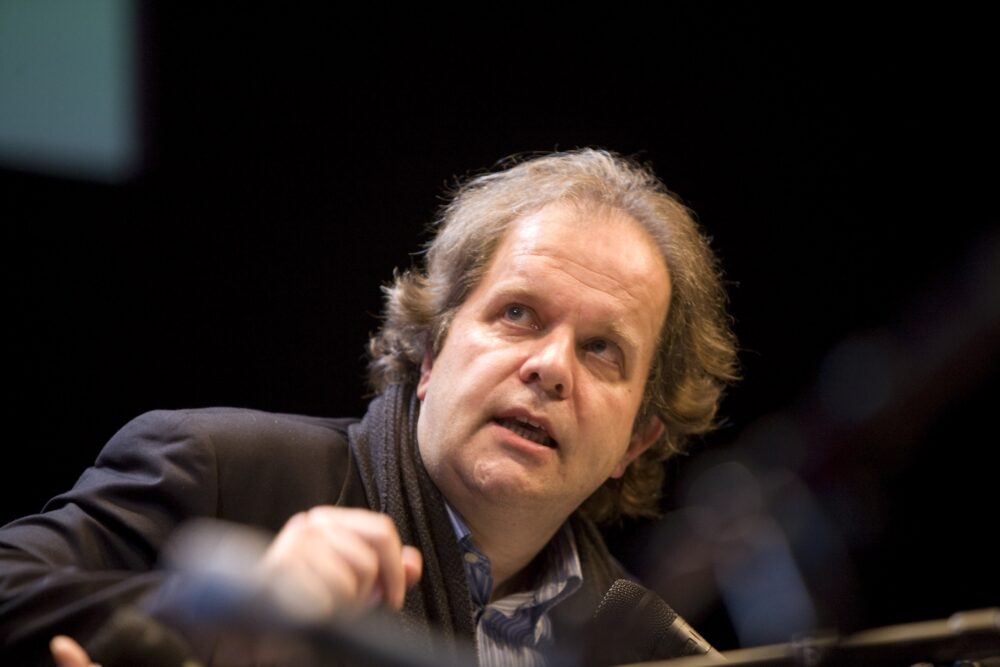
Bas Heijne

(Nijmegen, NL, 1960) writes essays, short stories and plays, and is a columnist with the daily newspaper NRC Handelsblad. He published the novels Laatste woorden (Last words) and Suez and received the Henriëtte Roland Holst Prize in 2005. In 2011's Moeten wij van elkaar houden, het populisme ontleed (Do We Have to Love One Another? Populism Dissected) Heijne shows how globalisation and individualism pave the way for populism. Angst en schoonheid (Fear and Beauty) was published in 2013, an essay about Dutch writer Louis Couperus, whom Heijne admires. In the same year his documentary about Couperus was broadcast. In 2015 he hosted the five-part documentary De volmaakte mens (The Perfect Human). In 2016 his essay Onbehagen – nieuw licht op de beschaafde mens (Discontent - new light on civilized man) was published. In 2017 Heijne received the P.C. Hooft Award for his essayistic works.
20131029170754 1

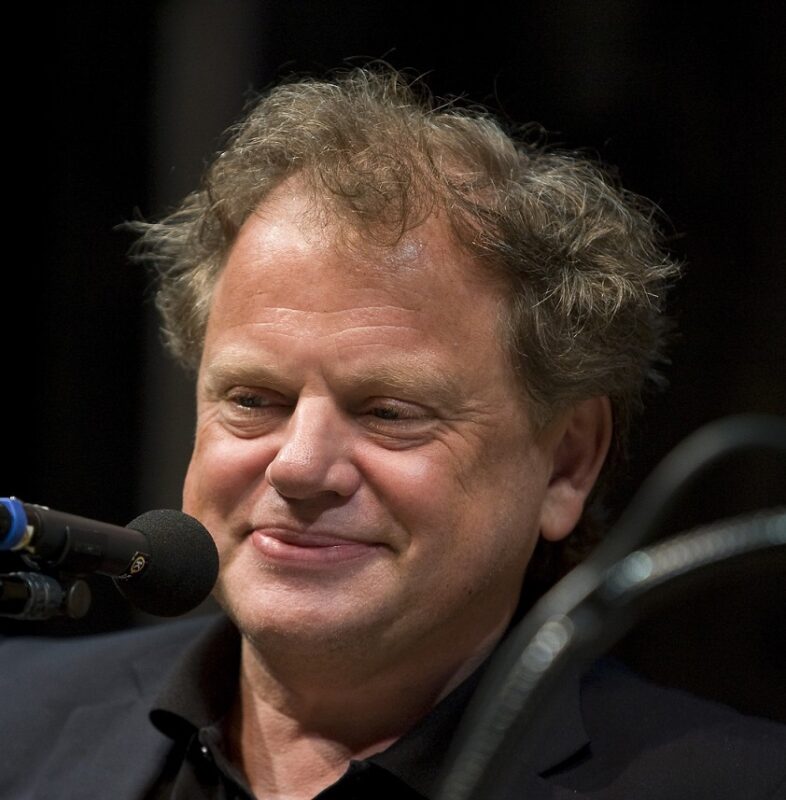
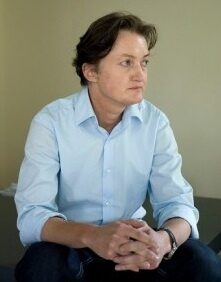
Maxim Februari

(Coevorden, NL, 1963) was born as Marjolijn Drenth. Besides being a writer, he is an ethicist, an art historian, and a lawyer. Februari understands the art of turning moral dilemmas and legal issues into elegant prose. "It's got to be exciting and entertaining. If you write a pamphlet, no one will read it," he commented. His novel De literaire kring (The Book Club, 2007), on the morals of the Dutch cultural elite, got a very positive reception. From 2001 to 2010 Februari wrote columns for the Volkskrant newspaper. Some of these columns were published in Park Welgelegen - Notities over Morele Verwarring (Welgelegen Park: Notes on Moral Confusion, 2004). In his PhD thesis Een Pruik van Paardenhaar & Over het Lezen van een Boek (A Wig of Horse's Hair & On Reading a Book, 2000), nominated for the Golden Owl Award, he examines the relationship between economics and ethics. Currently he writes a weekly column for opinion page of NRC Handelsblad. Some of these, together with some Volkskrant columns, have been anthologised in Ons soort mensen (Our Kind of People, 2011). De maakbare man (The Makeable Man), notes on transsexuality, was published in 2013.
20121213162959

Discover

20 May 2026

Get your 2027 tickets!

Get your Early Bird tickets for the big festival nights, Friday & Saturday Night Unlimited!