Five Do's and Don'ts for Barack Obama

20090122115059

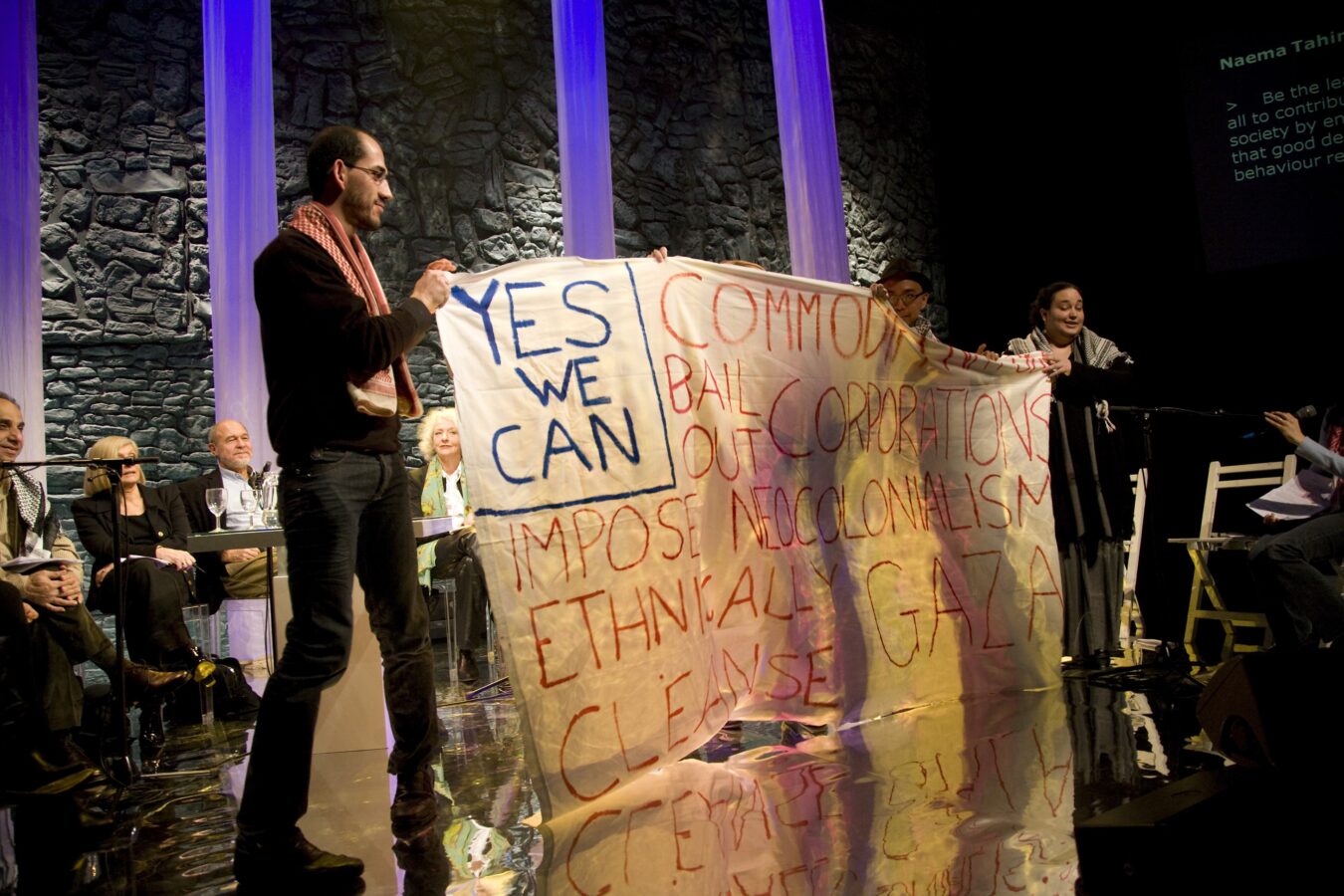
Five writers and thinkers from four corners of the globe came together at Winternachten to provide Barack Obama with their do’s and don’ts. After formulating their piece of advice students of the Institute of Social Studies reacted on the comments.
Host Michaël Zeeman was surprised by the cynical and even activistic reaction of the students. Where the writers are eager and hopefull for the change this new president can bring, the students turned out to be very sceptical.

Participants of the debate were writers Nelleke Noordervliet and Naema Tahir, the British-Belgian political philosopher Chantal Mouffe, Turkish writer and psychologist Gündüz Vassaf and development economist Ashwani Saith from India. They each formulated one piece of advice for Obama. Students of the Institute of Social Studies (ISS), hailing from southern countries, were to react to these recommendations. Once decided on, the following do's and dont's were shipped to the White House:

Do’s and don’t’s for Barack Obama Ashwani Saith:
Palestine! Dismantle walls, build justice!
Share a cigar with Fidel!
Disarm! Transfer farm subsidies to African peasants
Think of multilateralism, not neo-imperialism
Confluence, not clash of civilisations
Nurture nature, don’t sell it
Protect workers, not tycoons
Social, not ‘bastard’ Keynesianism
And, oh, yes - keep sharing your toys …
Chantal Mouffe:
Acknowledge that the world is multi-polar and that the US cannot behave any more as the sole legitimate centre of power. Diversity exists. Diversity and identity underpin everything.
Gündüz Vassaf:
Think also as a world citizen.
Be bold, focus on right not re-election. Make peace, not war.
You’re a giant – tread lightly.
Prioritise without partisanship: Israel/Palestine
Nelleke Noordervliet:
Appoint a court-jester who keeps telling you the truth.
Be more a Philosopher-King than a King-Warrior
Naema Tahir:
Be the leader who inspires all to contribute to the good of society by encouraging the belief that good deeds and good behaviour rests in all
Students of the Institute of Social Studies:
Do no harm to foreign countries
Don’t be the leader of the world
Don’t impose yourself on others
Remember the principles you had in your campaign
Imagine other paradigms
Act!

On Friday 1 May 2009 their will be a follow-up of the debate, in cooperation with the ISS, exacly 100 days after his inauguration.

Information

Date and time Friday 16 January 2009 from 14:00 to 16:30 hrs
Location Theater aan het Spui - grote zaal

Gündüz Vassaf

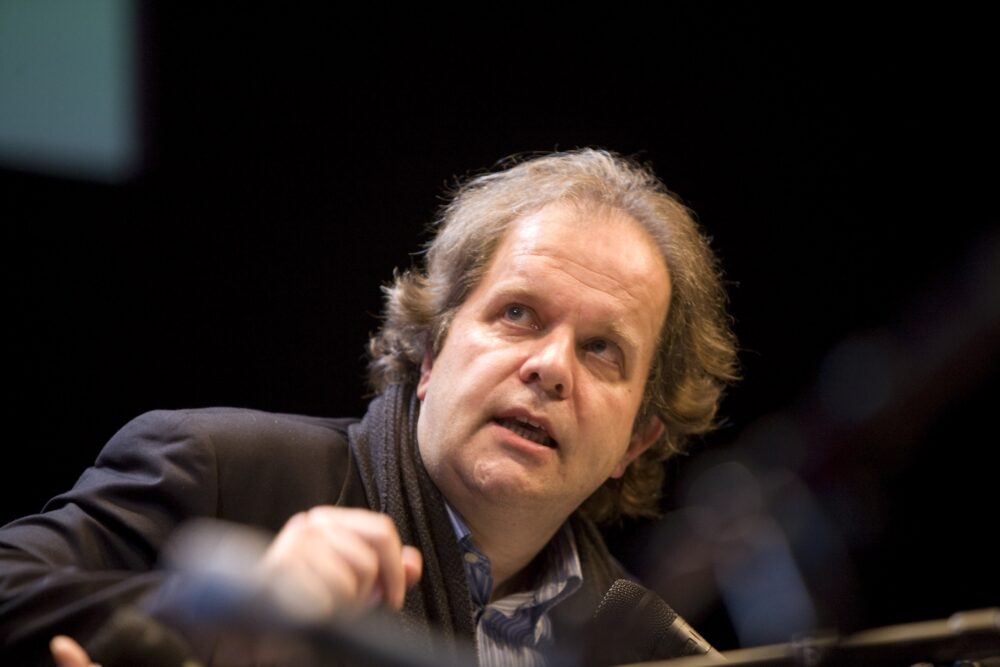
(Turkey, 1946) has been called 'the spokesperson of our phantasies, the freest spirit of our prose' by none other than Orhan Pamuk. In his penetrating work Vassaf deals with varying themes like migrant labour, historiography, the falsification of history and the failure of capitalism. Vassaf, a writer in addition to being an internationally respected psychologist, mixes stories with essay-like passages and philosophy with literature. Vassaf is a leading figure in the public debate in Turkey. He has had a weekly column in de newspaper Radikal since 1997. These columns were put together in a book in 2008, entitled Turkey, where are you?. Hell Be Praised (1992), on the result of totalitarianism in daily life was a best-seller in Turkey and published in English. In 2008 the book was translated into Russian. We Still Need to Be Heard (1983) was re-issued in 2003 and translated into French and German. It is pioneering work with keen observations of Turkish workers' children in Western Europa. His latest book, from 2013 is titled Mostari: A Bridge Keeper’s Diary, around his stay in Mostar, and the bridge that was demolished in the war, and was recently rebuilt. As Vassaf indicates "It is a novel, an epic poem, the love story of a passerby who becomes enamoured by the bridge."
20090122125123

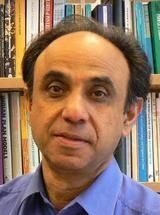
Ashwani Saith

(India) has been a professor of rural economy at the Institute of Social Studies (ISS) in The Hague since 1981. He is also professor of development issues at the London School of Economics. Saith studied economics in the 1960s in Delhi and Cambridge and started in 1969 as junior researcher at the University of Delhi. In his academic career spanning forty years he has written an great number of books and articles on reform and development, focussing on agriculture in various Asian countries. He publishes regularly on international and domestic migration, notably in India and China. One of his latest books, written with two other scholars, is ICT’s and Indian Social Change (2008), in which he takes a closer look on the effects of the information technology on the development of India.
20081209103457

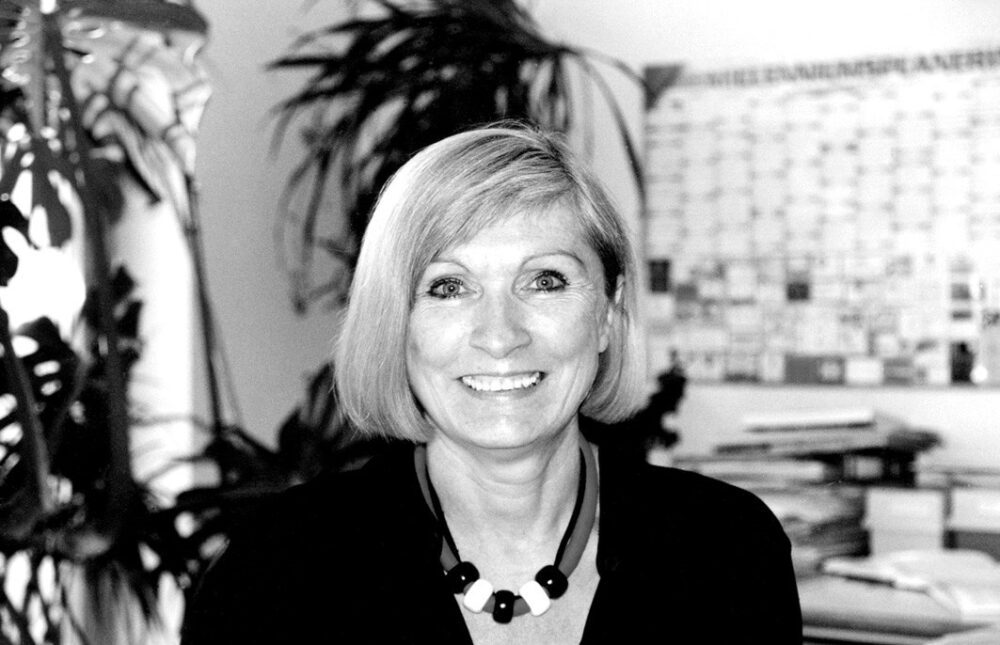
Chantal Mouffe

(Charleroi, 1943) is a political scientist specialising in political theory. In her work Mouffe critisises the present Western consensus democraty. Her book On politics (2008) shows how dangerous it is to sweep all political diffences under the carpet. Eventually everyone who doesn't feel at home in the new ‘post-traditional era’ will raise his voice, which will lead to extreme excesses, she claims. As an example she takes the rise of Haider in Austria and the success of Fortuyn in liberal cum social democratic Netherlands in the 1990s, but also the war in Iraq. In the 1960s Mouffe was active in the student and feminist movements. In 1985 she and Ernesto Laclau published Hegemony and Socialist Strategy, an influential book in which she stood up for a radical pluralist democracy. Mouffe is a professor at the University of Westminster and lectured at other European, US and Latin America universities.
20081209153721

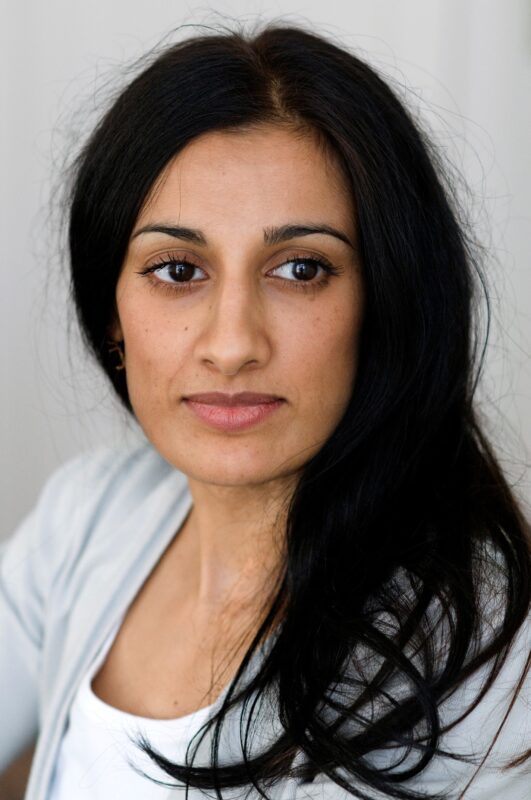
Naema Tahir

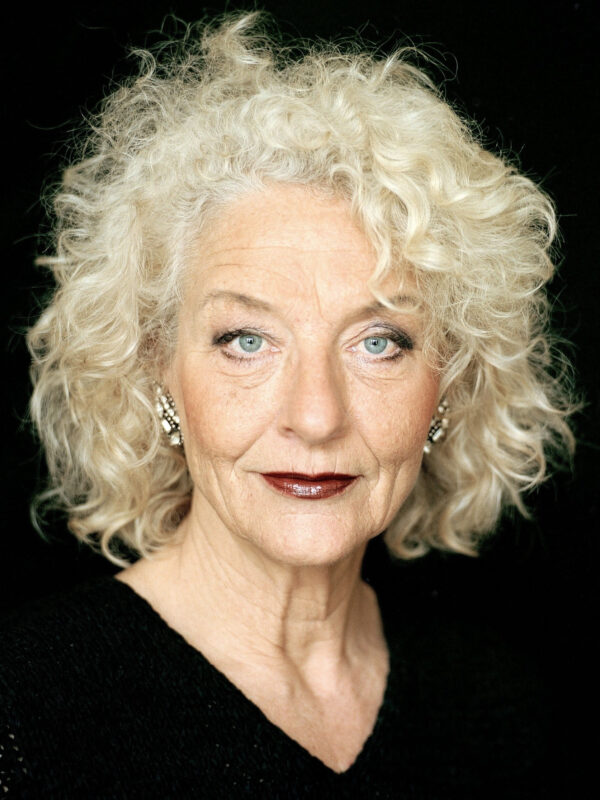
(Great Britain, 1970) came to The Netherlands at age nine with her Pakistani parents. She read law and worked for various government ministries, the UNHCR and the Council of Europe in Strassbourg. In 2006, however, she decided to settle in the Netherlands and focus on her writer's career. In the fall of 2008 her book of Muslim fairy tales Little Green Ridinghood And the Converted Wolf appeared, in which she jocularly deals with the clash of civilizations. In Lonely Present (2008) a migrant child tells about its feeling of being uprooted. Tahir made her debut with the nonfiction anthology A Muslima Unveiled, dealing with themes such as Muslims' self-criticism and women's liberation. Her fiction debut Precious Property (2006), a book with candid erotic stories, was a great success. Tahir is a regular contributor to the public debate. Her articles have been published by Volkskrant en NRC-Handelsblad among others. In 2008 she was one of the guests in the VPRO television programme Zomergasten (Summer Guests).
20111024104557

Michaël Zeeman

(Marken, 1958-2009) was a poet, a writer and a commentator, with a regular column on the Forum page and the book pages of the Volkskrant. Zeeman was the editor of the arts section of the Volkskrant and from 2006-2007 its Rome correspondent. In 2006 he and the writer Abdelkader Benali published an exchange of letters, exchanging ideas on politics, life, love and literature. In 2002 Zeeman received the Gouden Ganzenveer (Golden Goose Quill) for his merits for Dutch literature. Zeeman became well-known in the 1990s as the host of his monthly book programme 'Late at night after a short walk', later to be renamed 'Zeeman with books'. In 1991 he published his first volume of poetry, Beeldenstorm (Iconoclasm), winning him the C. Buddingh Prize. His second volume Verhoudingen (Relationships) appeared in 1995. In the same year he published short stories entitled De Verduistering (The Darkening). He died in 2009.
20080206143715

Nelleke Noordervliet

(Netherlands, 1945) writes novels, stories, essays, lectures and columns with a strong historical bent. She debuted with 1987's Tine of de dalen waar het leven woont (Tine, or the Valleys Where Life Lives), a fictitious biography of 19th-century Dutch writer Multatuli's first wife. Her book De naam van de vader (The Name of the Father) won the 1994 Multatuli Prize. In 2002 she wrote Pelican Bay, about slavery in the Caribbean and the Netherlands. Her essay collection Schatplicht (Tribute) appeared in 2013, and her 2016 novel Aan het eind van de dag (At the End of the Day) is simultaneously a portrait of a career woman and a snapshot of the second half of the 20th century. De val van Thomas G. (The fall of Thomas G.) tells about the publisher of a controversial book. Noordervliet's body of work was awarded the 2018 Constantijn Huygens Prize.
20181203095828 1

Discover

20 May 2026

Get your 2027 tickets!

Get your Early Bird tickets for the big festival nights, Friday & Saturday Night Unlimited!