Declic: Prospects of Dialogue in Post Chaos Time
20160512151751 1

How were the dialogues between the antagonistic parties and ideas reconceived in the post chaotic times in the past? What are our prospects today for a post-chaotic world? How can we prepare for it intellectually?

Information

Date and time Friday 20 May 2016 from 16:30 to 18:30 hrs
Location Center for Cross Cultural Learning - Conference Room - Rabat

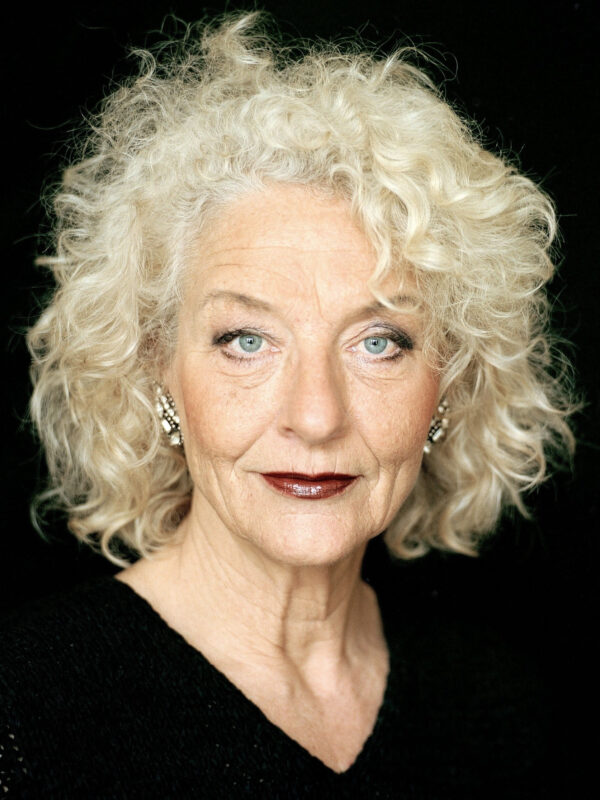
Nelleke Noordervliet

(Netherlands, 1945) writes novels, stories, essays, lectures and columns with a strong historical bent. She debuted with 1987's Tine of de dalen waar het leven woont (Tine, or the Valleys Where Life Lives), a fictitious biography of 19th-century Dutch writer Multatuli's first wife. Her book De naam van de vader (The Name of the Father) won the 1994 Multatuli Prize. In 2002 she wrote Pelican Bay, about slavery in the Caribbean and the Netherlands. Her essay collection Schatplicht (Tribute) appeared in 2013, and her 2016 novel Aan het eind van de dag (At the End of the Day) is simultaneously a portrait of a career woman and a snapshot of the second half of the 20th century. De val van Thomas G. (The fall of Thomas G.) tells about the publisher of a controversial book. Noordervliet's body of work was awarded the 2018 Constantijn Huygens Prize.
20181203095828 1

Ngwatilo Mawiyoo

(Kenya, 1983) as a child took singing and acting lessons. Now she combines poetry, music and the theatre. In 2011 she recorded the album Introducing Ngwatilo. In Kenya she is called the high priestess of the poetry performance because of her appearance, her performance and the themes she brings up. She performed at various festivals in Africa and Europe. In her Puesic Project she mixes music with poetry, dance and film. Her first collection of poetry Blue Mothertongue (2010) deals with the life in her native city of Nairobi and the African diaspora. For her latest project she wants to turn the stories of twenty rural families into poetry. The result will find its audience through radio, the international media and the digital highway.
20121029114901

Bejan Matur

(Turkey, 1968) is of Kurdish descent. In 2011 Dağın Ardına Bakmak (Looking Behind the Mountain) appeared, for which she took to the mountains to interview PKK rebels, the first time a writer sketched the personal stories and traumas of the Kurdish fighters. In 2011 Doğunun Kapısı: Diyarbakır (The Gate of the East: Diyarbakir) also appeared, a portrait of the 3000 year old capital of Kurdistan. As a columnist for the English language newspaper Zaman Matur writes regularly about the Kurdish question. In addition she chairs the Diyarbakır Cultural Art Foundation. She also leads social projects for women, children and adolescents and makes a tv-programme on culture, art and politics. She read law at the University of Ankara. Since the publication of her first book of poetry in 1996, Rüzgâr Dolu Konaklar (Wind-Filled Countryhouses) she has created her own mythology - inspired by age-old Sufi traditions from the region of her birth. Meanwhile she has six books of poetry to her name and an anthology with poems she translated. Her work has been translated in seventeen languages.
20071031143034

Andrej Koerkov

(Russia, 1961) is a Ukrainian writer world famous for the mix of harsh realism and absurdist humour in his novels and non fiction books. He is a respected commentator on the situation in his country. In The President's Last Love, Kurkov employs humour and cynicism to describe how a boy manages to work his way up to become the most powerful man in the country. Ukraine Diaries: Dispatches from Kiev, his eyewitness account of political unrest in the Ukraine, was published in 2014. Dairy of an Invasion (2022) and Our daily war (2024) are collections of Kurkov's writings and broadcasts. In 2024, he published The Silver Bone, the first part of The Kyiv Mysteries, his series of crime novels in historical settings. The second part The Stolen Heart will be published in 2025; the third part The Public Sauna Case is in development.
20240930143801 3

Iman Humaydan

(Libanon, 1956) broke through internationally in 2004 with her debut novel B as in Beirut. The story is told by four different women, who have to learn to cope with the consequences of the civil war. The most penetrating is the story of Warda, who goes crazy with grief and guilt-feelings because her father dies in a bomb attack and she loses her little daughter on top of that. In her second book Wild Mulberries (2008) Iman Humaydan describes life in a small Lebanese village in the 1930s. The main character Sarah is a young girl dreaming of a better future and a meeting with her mother, who fled the village and its patriarchal rules when Sarah was small. Iman Humaydan likewise grew up in a small Lebanese village, but in a tolerant family. Her third novel Hayawat Okhra (Other Lives) came out in 2010. It recounts the life of a woman coming back home after so many years of exile to rediscover her city and past. Hayawat Okhra will be published in English and French by the end of 2011. She studied sociology in Beirut and works as a researcher, journalist, and in launching and implementing development projects in Lebanese rural areas.
20091111113147

Youssouf Amine Elalamy

(1961, Morocco) acquired fame with his novel Les Clandestins (The Clandestines; (2000), which was translated into Dutch. In this story he gives a face to the Moroccans who in a last desperate effort try to reach Europe and lose their lives. Elalamy belongs to the new crop of young writers who grew up after Moroccan independence from France. The Moroccan identity forms an important leitmotiv in his work. His collection of short stories Tqarqib Ennab (Rumours) from 2004 is the first book fully written in darija, the Moroccan dialect of Arabic. ‘To show it is a real language, alive and creative,’ he said about it in an interview with Trouw. Elalamy has three novels to his name, of which Les Clandestins was awarded the Grand Prix Atlas 2001. In 2004 he published a series of portraits of Moroccans in Morocco (Miniatures). Apart from being a writer Elalamy is a visual artist and a teacher of style and media at the university of Kenitra. In 2009 he made the literary installation Nomad. In Morocco sharp analyses of his literary collages have led to censorship of his visual art. His novels have been translated into Dutch, Arabic, English, Spanish and Italian.
20080908143303

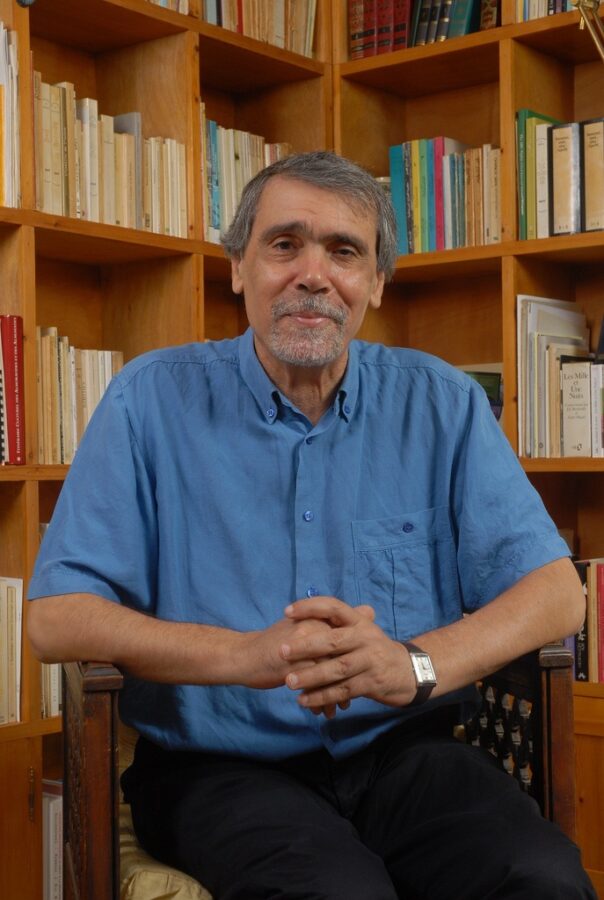
Abdelfettah Kilito

20160512151751 1

Discover

20 May 2026

Get your 2027 tickets!

Get your Early Bird tickets for the big festival nights, Friday & Saturday Night Unlimited!