The language conflict - a debate on language policy in Surinam, the Antilles and the Netherlands
20060124140337

Papiamentu, Papiamento, Sranantongo, Sarnami, English, Dutch... The languages of the Antilles and Surinam are under pressure. What is the status of Papiamentu on Curaçao and Bonaire, of Papiamento on Aruba and English on St Martin? And what about Surinam, where Dutch is the official language, but where everybody speaks Sranantongo and the language of the largest group of inhabitants (the Hindustani) is Sarnami?

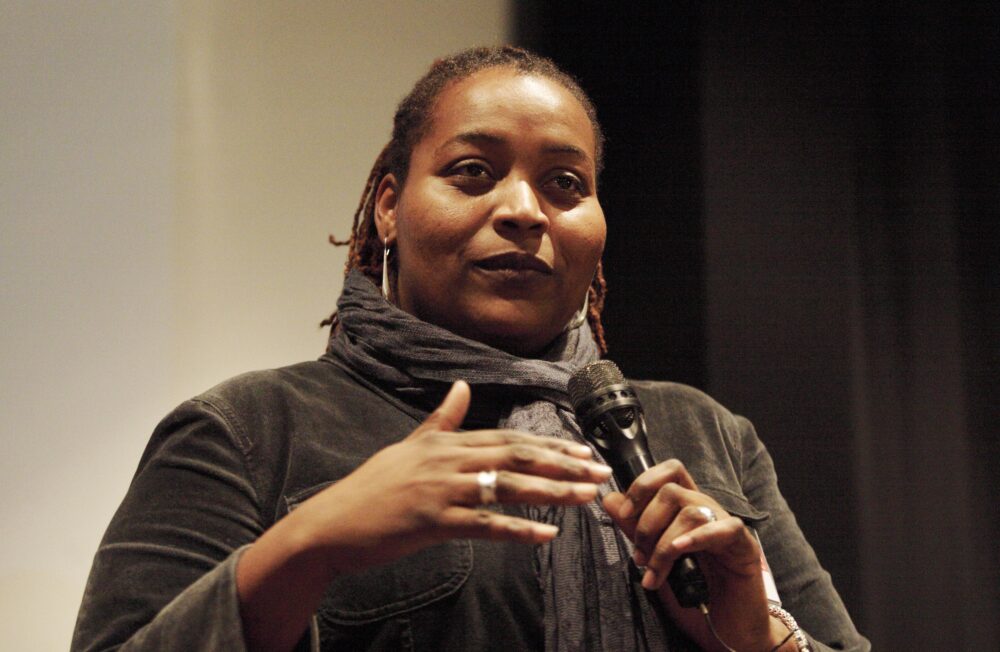
A strong language policy is missing on the Antilles and in Surinam, and therefore Dutch remains the technical and official language. In the Netherlands the Dutch language is under pressure from the increasing amount of English words that find their way into everyday life and education. Another threat is the growing interest for regional languages. There is no strong language policy in the Netherlands. Is the status of the Dutch language stronger in Surinam and on the Antilles than in the Netherlands? The panel members will discuss this amongst themselves and with the audience. With Liesbeth Koenen (Dutch linguist), Rappa (writer and teacher of Dutch in Paramaribo), Drisana Deborah Jack (poet and artist from St Martin), Ronald Severing (director of the FPI, foundation for language planning on Curacao) and his fellow islander the writer Frank Martinus Arion. Panel chairman is Ruben Severina. Dutch spoken.

Information

Date and time Saturday 21 January 2006 from 15:30 to 17:30 hrs
Location Theater aan het Spui - kleine zaal

Ruben Severina

(Curaçao, 1956) For years was the face of the Antillean community in the Netherlands. He came to the country in 1989 to study and wanted to return afterwards. However, he stayed because of his young family and found a new mission: taking care of the interests of Arubans and Antilleans in the Netherlands. With the Splika foundation he dedicated himself to the promotion of Papiamentu, the language that he also teaches. Subsequently he chaired MAAPP (Movimentu Antiano i Arubano pa Partisipashon Politiko), the platform for the social participation of Antilleans and Arubans in the Netherlands. When he resigned on 1 March 2009 he received the MAAPP award Mi ta yuda, a new medal which will be awarded on Severina's birthday to people who have dedicated themselves to the Antillean and Aruban communities. For some time Severina served on the town council for the Dutch Labour Party in the town of Zoetermeer and now chairs HAAB (The Hague Antillean Aruban Board).
20050223215954

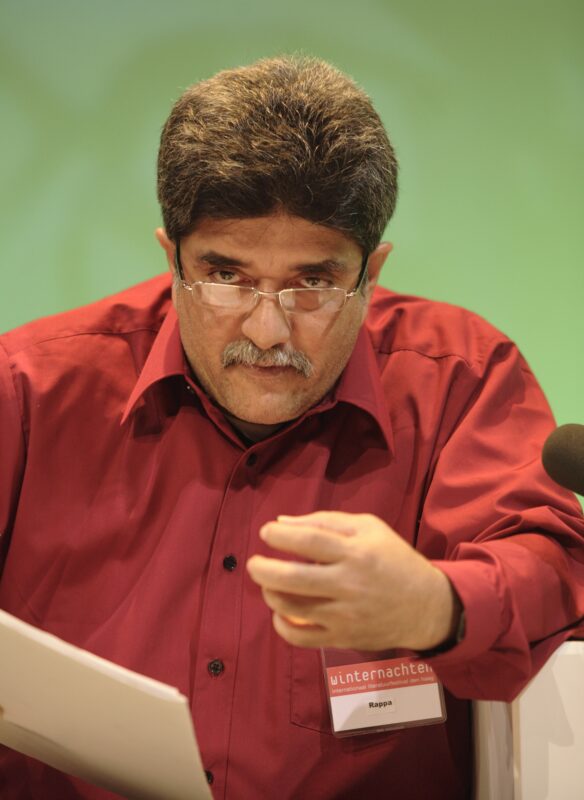
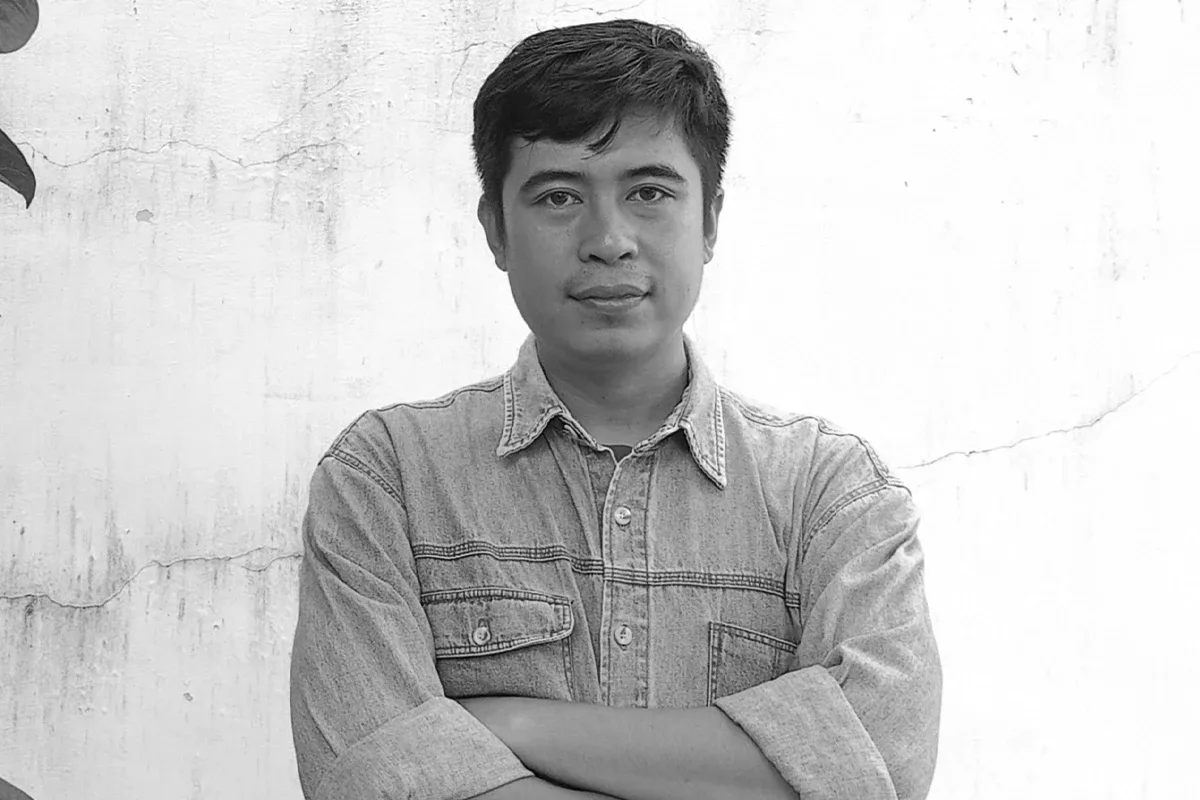
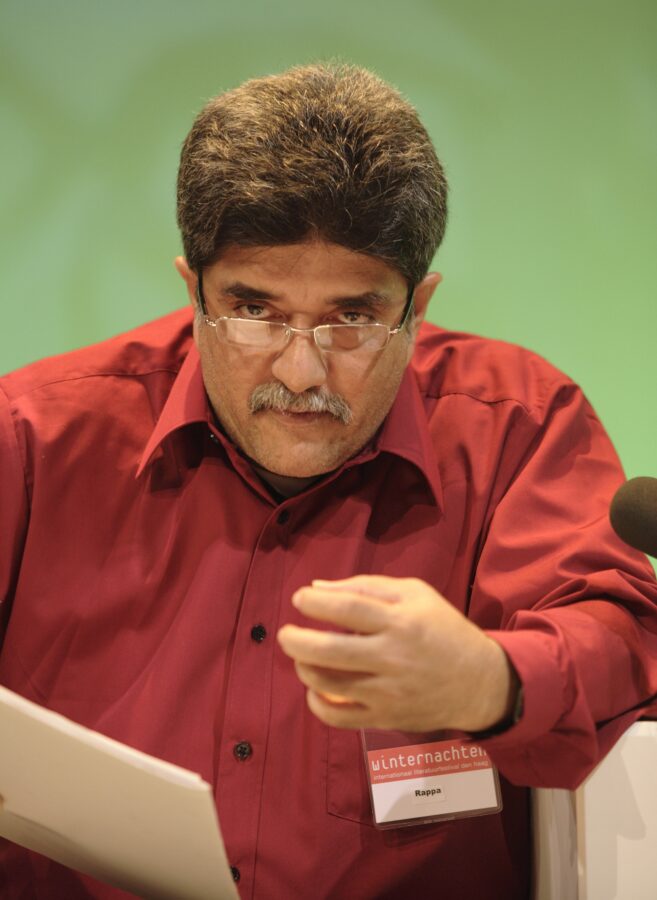
Rappa

is the pseudonym for Robby Jonathan Parabirsing (Paramaribo, 1954). He made his debut in 1980 with Friktie Tories, a collection of humorous and socially critical stories. Others works by him are Opa Djannie en andere verhalen (Granddad Djannie and other stories), Een vlek uit het verleden (A stain from the past) (1982), Silvy en Hexa en andere verhalen (Silvy and Hexa and other stories) (1983), Fromoe Archie (1984), De Tapoe (1995), Verdwaald in het bos (Lost in the woods) (1998) and the collection Nieuwe Friktie Tories (New Friktie Tories) (1999). Rappa's publishing house Ralicon acts as an excellent sounding board for many debutants. Ralicon published amongst others the first edition of the well known book Ter dood veroordeeld (Condemned to death) by John de Bye. To stimulate reading, Rappa publishes a reader, entitled De stripbieb (Strip Library) , which contains short stories and critical, humorous and cynical sayings. In daily life Rappa is a teacher of Dutch language and literature.
20060124140337

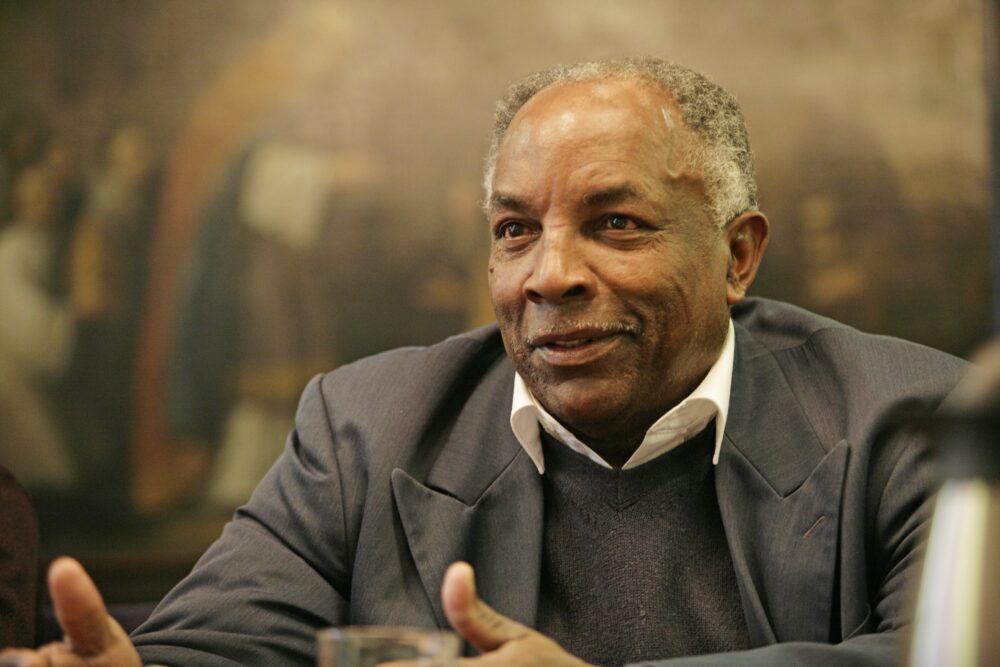
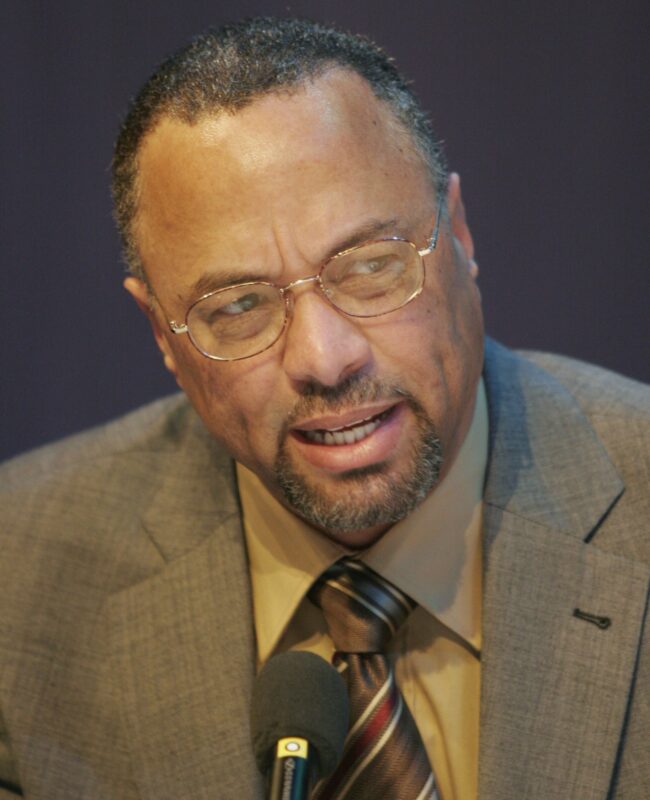
Frank Martinus Arion

(Curaçao, 1936) studied Dutch Language and Literature at Leyden University. He lectured at Amsterdam University and from 1975 to 1981 taught at a teacher training college in Surinam. After that he returned to Curaçao to be appointed head of the Instituto Lingkwistiko Antiano. He founded a Papiamento secondary school based on humanistic principles: the Kolegio Erasmo. He writes stories, essays, poetry and novels. His successful debut novel Dubbelspel (Double Play, 1973) is presently being adapted for the screen. Following Dubbelspel the novels Nobele wilden (Noble savages, 1979) and De laatste vrijheid (The last freedom 1995) appeared, which won him the Cola Debrot Prize in 2001. In November 2001 the collection of stories De eeuwige hond (The eternal dog) appeared. His latest novel De deserteurs (The deserters) was published in 2006.
20060123143953

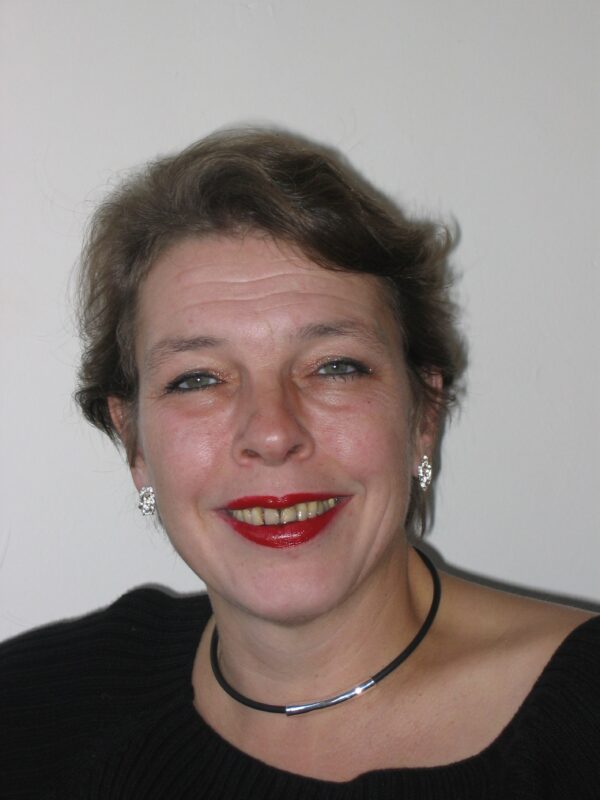
Liesbeth Koenen

(1958) studied Dutch and Linguistics in Amsterdam and spent a half year in Florence studying Italian. She works as a freelance journalist and published a few interviews with linguists, which were collected and published as Het vermogen te verlangen (The capability to long). She wrote for many years the feature 'Zeggen en schrijven' (Saying and writing) on the back page of the NRC Handelsblad newspaper. Koenen also worked for radio and television. Together with Rik Smits she published Handboek Nederlands (Handbook of the Dutch language)en E-mail etiquette (E-mail etiquette). They publish a weekly column on their website Peptalks.
20051109100155

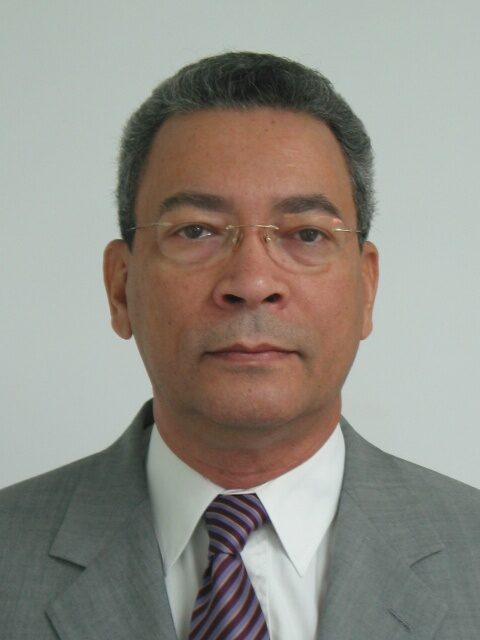
Ronald Severing

(1949) is director of the Fundashon pa Planifikashon di Idioma (Foundation for Language Planning) on Curaçao. Its goals is to promote the relevant languages of the community and to regulate the state of affairs of language. Severing studied Dutch in Nijmegen, sociolinguistics and applied linguistics in Tilburg, and obtained his doctorate with a thesis on literacy and successful teaching on Curaçao. For years he has been working at all levels of education, both in the Netherlands and in the Netherlands Antilles. He is editor of teaching methods of Papiamentu for primary schools on Curaçao, like Mosaiko, Trampolin and Cristal. In addition he wrote about the writers Cola Debrot and Frank Martinus Arion.
20060105153056

Drisana Deborah Jack

(St. Martin, Netherlands Antilles) is a poet and visual artist. Her work currently deals with trans-cultural existence, memory, the effects of colonialism and mythology through re-memory. Salt, the sea and hurricanes reoccur as metaphors in her body of work. In her poetry and visual art she tries to go beyond the parameters of style and genres. Her literature is as much music, dance and art as it is text. For her artwork, which is an expression of a personal and cultural history, she uses paint, video, photography, sound and poetry. She has published two poetry collections, The Rainy Season (1997) and Skin (2006). Her visual art has been exhibited in museums and galleries internationally. Her poetry has appeared in The Caribbean Writer and Calabash and has recited her work in the Caribbean, United States, South Africa and the Netherlands. Deborah Jack is an Assistant Professor of Art at New Jersey City University.
20060123221334

Discover

20 May 2026

Get your 2027 tickets!

Get your Early Bird tickets for the big festival nights, Friday & Saturday Night Unlimited!