Wintercafé 1: Godless in Morocco

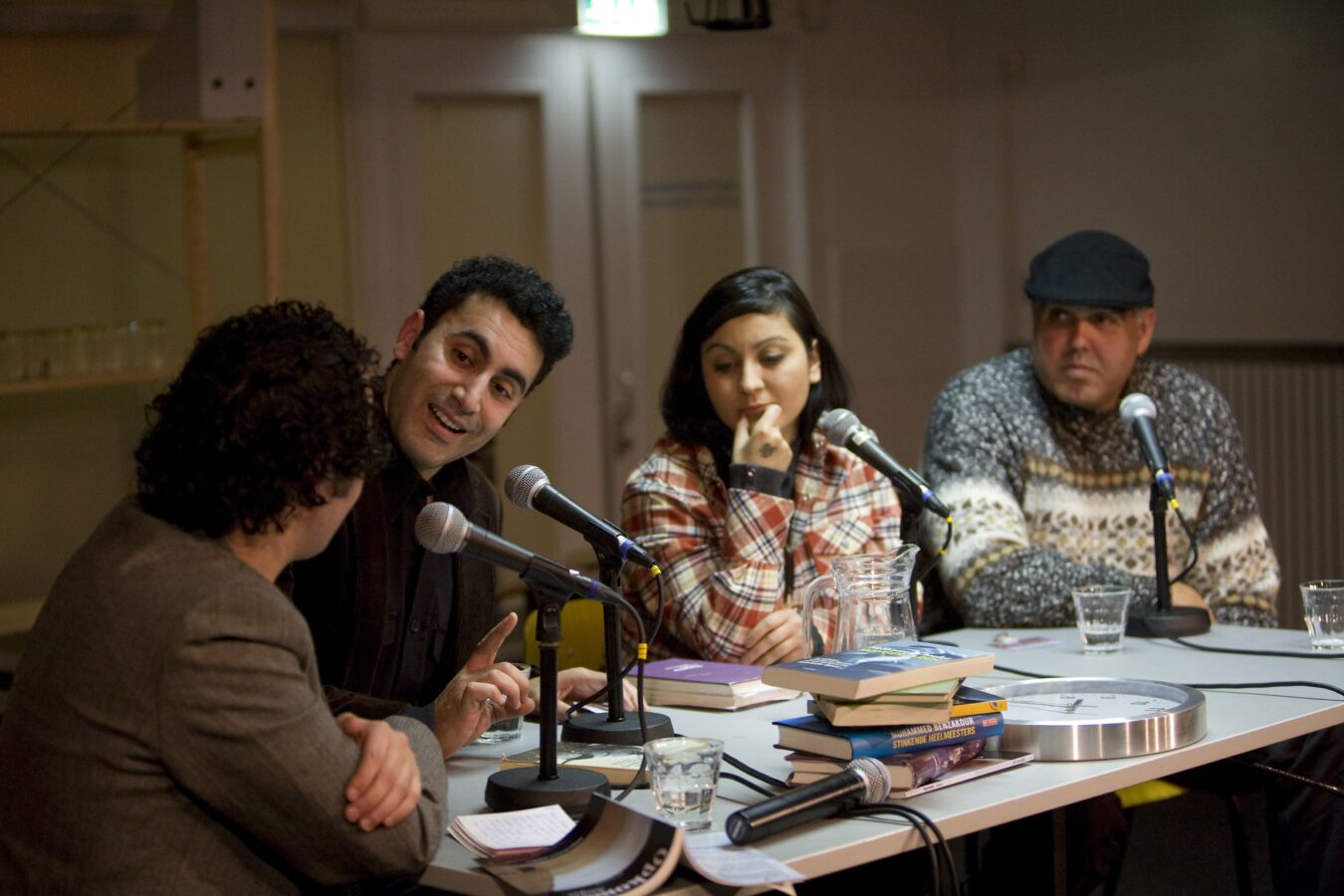
Three Moroccan writers on the meaning of Mohamed Choukri. With Ali Amazigh, Naima Albdiouni and Mohammed Benzakour. Host: Asis Aynan. In Dutch
20100121140215

Information

Date and time Friday 15 January 2010 20:00 tot 21:00 uur
Location Filmhuis - zaal 7

A programme on rule breaking heart and soul: Berber writer Mohamed Choukri from Morocco. In his autobiographical novel For Bread Alone (1973) he wrote about everything God had forbidden; his youth as a vagabond in Tangier, where he survived in a world of violence, prostitution, alcohol and drugs. When in 1973 For Bread Alone appeared in English, Tennessee Williams called it ‘a true document of human desperation, shattering in its impact.' Morocco banned the book until 2000, three years before Choukri's death. Three Moroccan writers talk about the meaning of Choukri for them today: the poet Ali Amazigh, who learned to write in later life, just like Choukri, and who is now writing a confession novel; Naima Albdiouni whose debut novel Voyeur (2008) is also set in Tangier, and columnist Mohammed Benzakour, who, like Choukri, seeks controversy and pursues it. Host: Asis Aynan.
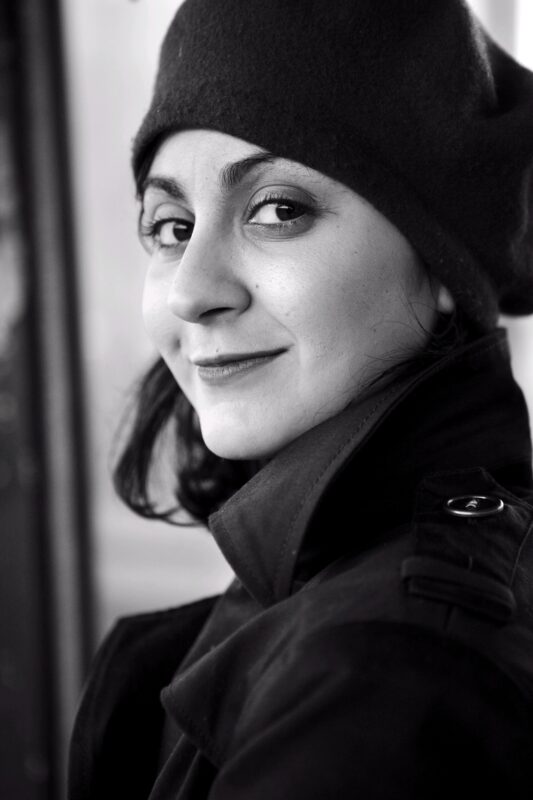
Soundos

(Amsterdam, 1981) is an actress, host and stand-up comedian. In 2006 the magazine BLVD declared her one of the most promising women in the Netherlands. Soundos el Ahmadi received national renown in her role as the Moroccan farm girl Aïsha in the film Shouf Shouf Habibi. After secondary school she went to drama school for a while, but left it prematurely to make her own theatrical productions and to become a stand-up comedian. Without any experience she made it to the finale of the stand-up comedy tournament of the Amsterdam Kleinkunst Festival and joined Toomlers almost immediately. As one of the latest members of the Comedytrain she makes fun of her Amsterdam-Moroccan origin and social biases. Right now she tours the country with The Girls' Night Out.
20091201165951

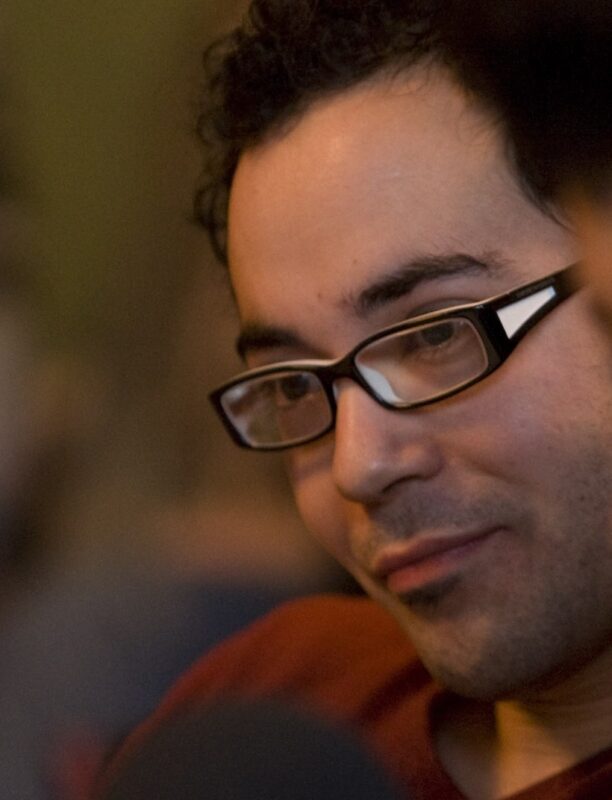
Mohammed Benzakour

(Morocco, 1972) is a publicist, columnist, writer, and poet. In 2014 he won the 2013 E. du Perron Prize for his novel Yemma, based on the story of his mother, who has a stroke and ends up in care institutions not geared to illiterate Moroccans. Benzakour grew up in a first-generation family of migrant workers in Zwijndrecht, NL, where he became a city councillor while studying sociology and public administration. As of 1998 he has taken part in public debates on issues ranging from the long arm of the Moroccan government to the squandering of leftist ideology by the Dutch Labour Party to the captive polar bear Knut. His columns and opinion pieces for the Volkskrant newspaper and other publications regularly stir things up, and have been collected in Osama's Grot, Allah, Holland en ik (Osama's Cave, Allah, Holland and Me, 2005) and Stinkende heelmeesters (Stinking Surgeons, 2008). His book Abou Jahjah, nieuwlichter of oplichter? (Abou Jahjah: Innovator or swindler?, 2004) describes how the Netherlands and Belgium handled the Muslim activist.
20190113232924 1

Naima Albdiouni

(Antwerp, 1981) in her first novel Voyeur (2009) writes about the hard life in Tangier, where traditional and poor Moroccans and free compatriots educated in the West live together with difficulty. People talk on and on but no one communicates and everyone judges on everything that's different. The main character is Abdullah, who has been released from the infamous desert prison Lmart. One of the central questions in the novel is whether people are really as free as they think they are. Albdiouni debuted with the much-praised story ‘F’, which appeared in the book of short stories Gelezen en goedgekeurd (Read and passed) and published opinionated columns in De Standaard entitled Te Naima of te laten (To Naima or to leave). For De Buren she wrote a radio book which she read herself. Albdiouni is a translator of French and Spanish and lived in Spain and Morocco for a long time when she studied.
20091112134445

Asis Aynan

(Haarlem, NL, 1980) studied philosophy at the University of Amsterdam. Aynan, the son of Moroccan immigrants, is an active advocate of Berber culture. His debut Veldslag en Andere Herinneringen (Battle and Other Memories) was published in 2007, about his youth or, as he calls it, his "Catholic-Islamic-Berber background". Aynan is the creator of the Berber Library, a series of classics from Berber countries translated into Dutch. He further wrote Ik, Driss  (I, Driss, together with Hassan Bahara), the short-story collection Gebed zonder eind (Endless Prayer, 2014) and Linoleumkoorts (Linoleum Fever, 2019). Aynan works as a teacher at Hogeschool van Amsterdam; his articles have appeared in the NRC, Het ParoolFolia and Trouw.
20080131132856

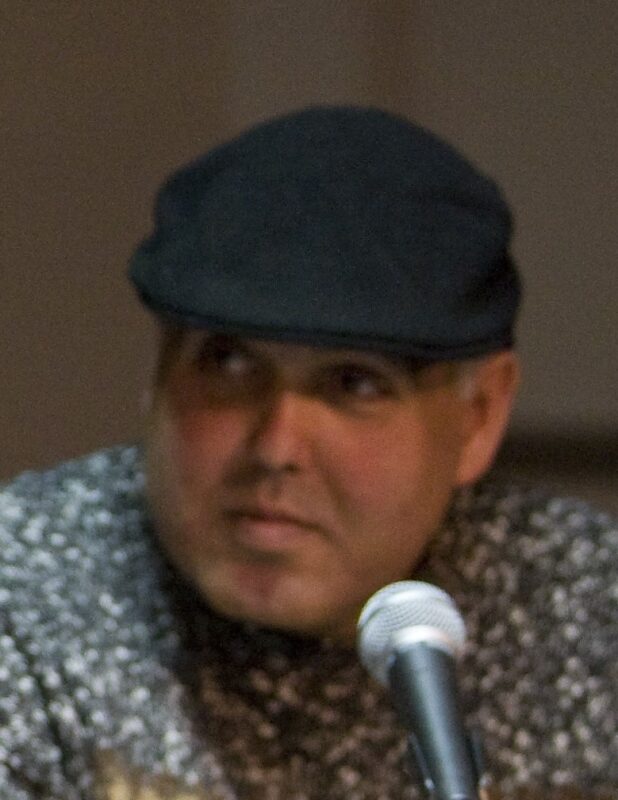
Ali Amazigh

(Nador, 1960) debuted in 2009 with the bilingual book of poetry Opkomst/Anqar (Ascent/Anqar). The poetry of Ali Amazigh, who was born in Morocco as Ali Oulad Saddiq, has been written in Tifinagh, Berber writing. At school this language (Tamazight) was banned, however, which he saw as an obstacle for his development. “We felt taken for a ride that outside the teacher spoke the language and in class spoke Arabic”, he said in an interview with Amazightv. However, he is positive about present developments. “Now fortunately we are free to talk Tamazight ” In the early 1970s he listened to engaged Amazigh music and decided to start writing. In 1974 he moved to the Netherlands, but he was still intrigued by his mother tongue. Forty poems of his, in praise of the culture of his ancestors, have been translated into Dutch by the linguist Khalid Mourigh.
20130327092940 1

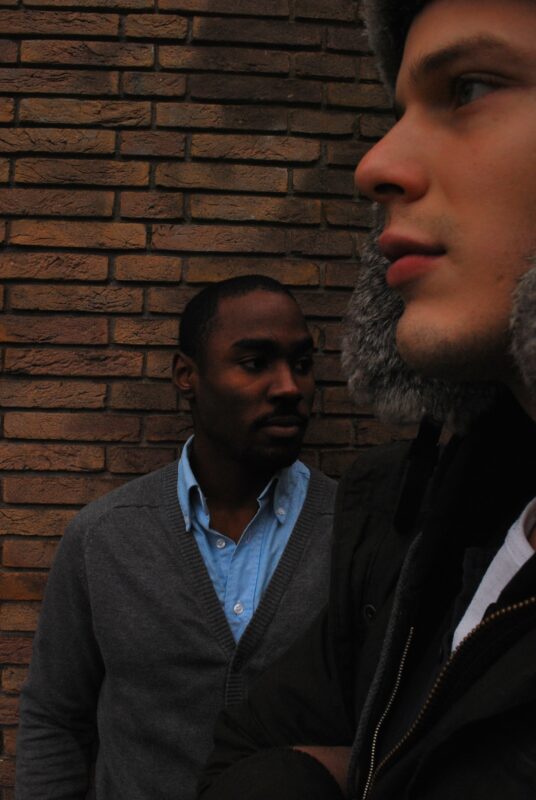
Unom

(1986, St Maarten) is one of the most promising young performers of today. UNOM (Untouchable Nobody Outplays Many) grew up on St Maarten as Jörgen Gario. According to him, he was inspired by his creative mother, books on philosophy, J.A. Deelder, wise sayings of Bob Marley, Bill Clinton and Gandhi, love and existentialism. In 2003 he wrote his first songs, exploring his musical and poetic limits. The rap with critical texts is a strong basis, but UNOM likes to push out frontiers. That's why he regularly participates in international musical projects. Late 2009 he took part in Change Beat in Tanzania with young people from all parts of the world played music together. During Winternachten he teams up with Hylke.
20091210110013

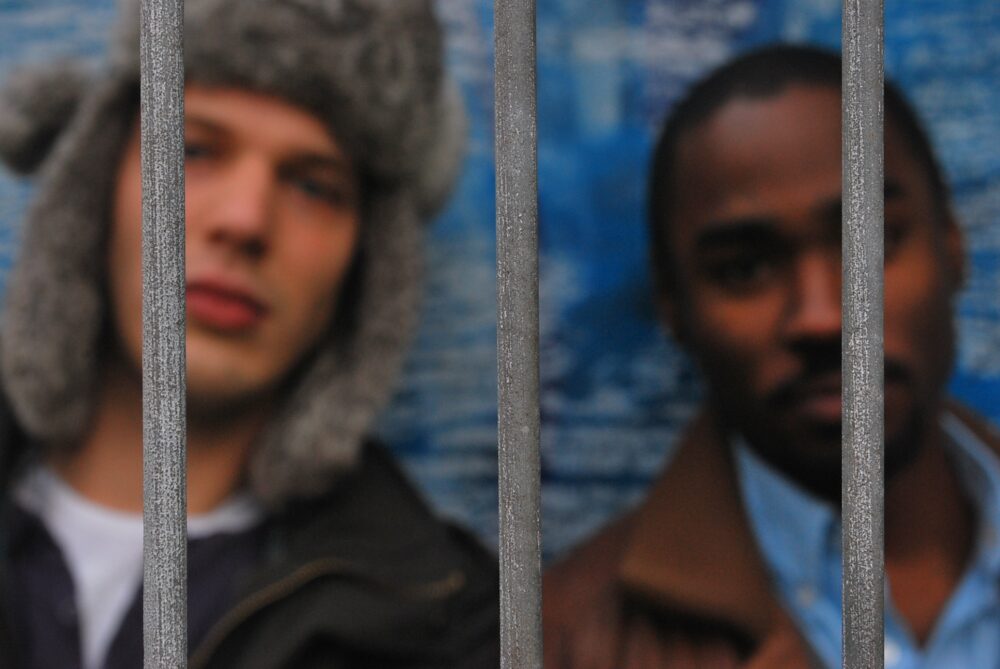
Hylke

performs sporadically with performer UNOM. Their first joint stage experience was with the poets' collective Poetry Circle. Then the two lost sight of each other, but when they met again Hylke took the guitar and they jammed away. Short films of these sessions can be seen on youtube. Meanwhile a year has gone by and they will have their initiation as a duo during Winternachten.
20091210105743

Discover

20 May 2026

Get your 2027 tickets!

Get your Early Bird tickets for the big festival nights, Friday & Saturday Night Unlimited!