The Return of Sultans & Tsars?

Are the tsars and sultans back or have they never been away? A conversation about the backgrounds of the current turbulent times in Turkey and Russia.
20161003100631 1

Information

Date and time Saturday 21 January 2017 20:45 tot 21:40 uur
Location Theater aan het Spui - Zaal 2

Dutch-Estonian writer Sana Valiulina, the Turkish writer and journalist Ece Temelkuran and and famous Russian novelist Mikhail Shishkin discuss the backgrounds of the current turbulent period in Turkey and Russia. How far back in history must we go to understand contemporary Turkey and Russia? Which collective trauma's, frustrations and sentiments are at the roots of recent developments? Hosted by Dutch essayist and P.C.Hooft Award 2017 winner Bas Heijne. English spoken.

Since the failed coup of Summer 2016, Turkey goes through a grim period. Not only the military but also dissidents are persecuted. Many journalists are refrained from working, many scientists and intellectuals are not allowed to travel abroad. But the trend of intimidating the intelligentsia dates back before the coup. In 2015, writer and Nobel Prize for Literature winner Orhan Pamuk already warned in The Guardian that fear gets the upperhand in Turkey: "I notice that everybody is afraid...the freedom of speech has sunk deeply."

Things are not much better in Russia. Mikhail Shishkin wrote about how Russian media under the Putin regime have changed into weapons of mass destruction aimed at convincing the population that Russia is again at war with the West. Within this rethoric of war, each form of criticism is a sign of treason. This legitimizes oppression of dissidents.

Ece Temelkuran is a Turkish journalist and political commentator, and author of Turkey: The Insane and the Melancholy.

Dutch-Estonian Sana Valiulina tells in her Children of Brezjnev (2014) what the Soviet system has demolished regarding civilisation and how moral decline gained momentum during the post-soviet era.

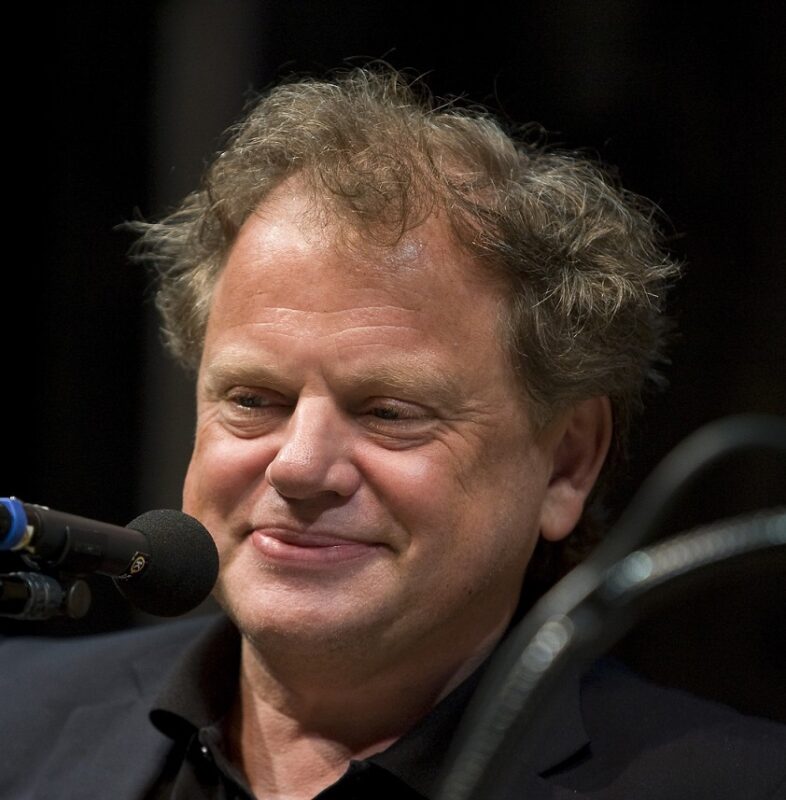
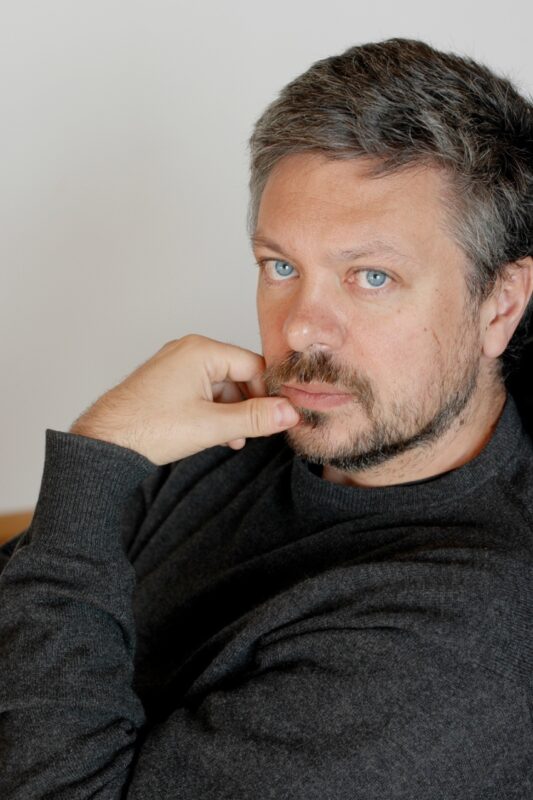
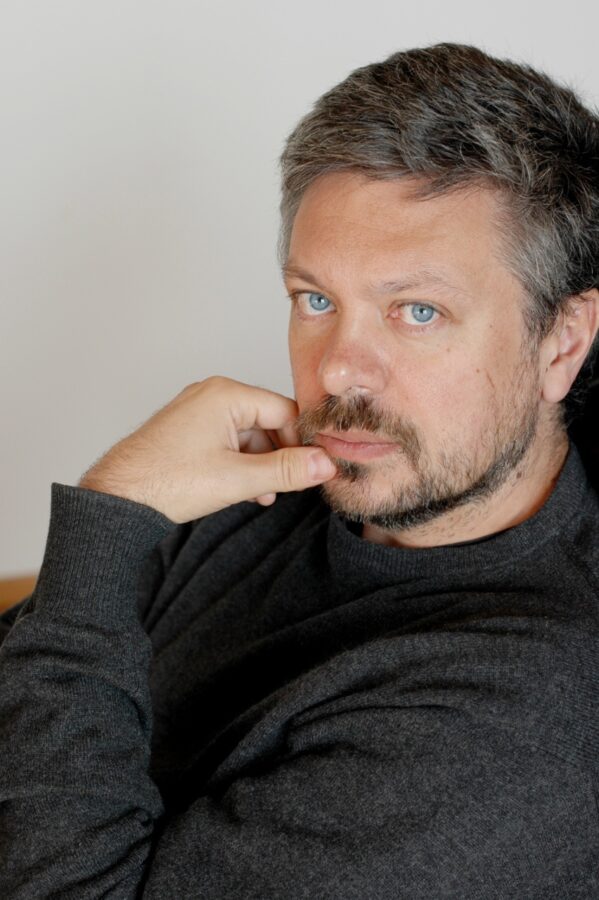
Michaïl Sjisjkin

(Moscow, 1961) is one of the most prominent names in contemporary Russian literature. He is the author of widely acclaimed novels Pismovnik (Letter Book. 2010), Maidenhair (2005), Taking of Izmail (2000) and Larionov´s Memoirs (1994). Shishkin is admired as a refined stylist whose fiction engages Russian and European literary traditions and forges an equally expansive vision for the future of literature. Born in Moscow in 1961, Shishkin has worked as a teacher and journalist. His novels have earned him the three most prestigious Russian literary awards: the Russian Booker Prize in 2000, the National Bestseller Prize in 2005, and the Bolshaya Kniga (Big Book) Prize in 2006 and 2011. His works have been translated into thirty languages. In "My Russia" (to be released on April 23, 2024), translated from German by Jan Sietsma, he insightfully exposes the roots of Russia's long-standing problems and its relationship with the West. He passionately speculates about 'his Russia', where the portion of the population that stands for democratic values takes the lead.
20161003100631 1

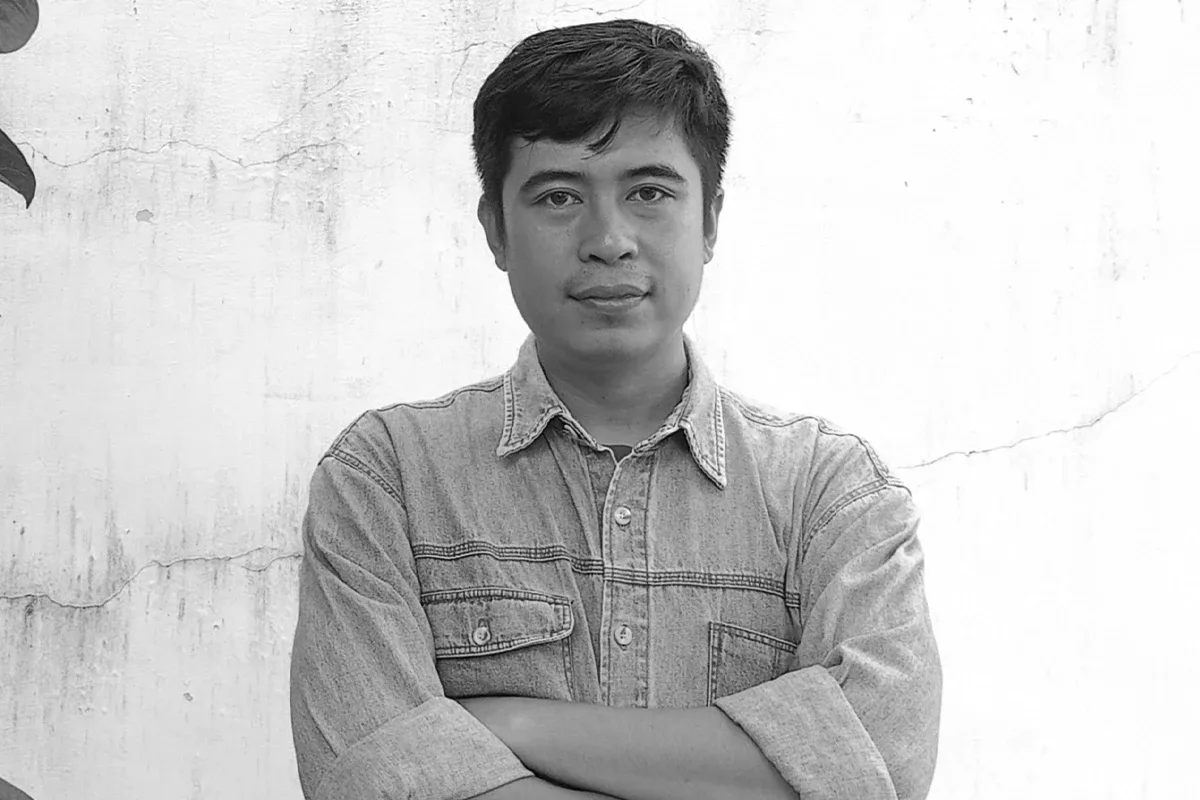
Bas Heijne

(Nijmegen, NL, 1960) writes essays, short stories and plays, and is a columnist with the daily newspaper NRC Handelsblad. He published the novels Laatste woorden (Last words) and Suez and received the Henriëtte Roland Holst Prize in 2005. In 2011's Moeten wij van elkaar houden, het populisme ontleed (Do We Have to Love One Another? Populism Dissected) Heijne shows how globalisation and individualism pave the way for populism. Angst en schoonheid (Fear and Beauty) was published in 2013, an essay about Dutch writer Louis Couperus, whom Heijne admires. In the same year his documentary about Couperus was broadcast. In 2015 he hosted the five-part documentary De volmaakte mens (The Perfect Human). In 2016 his essay Onbehagen – nieuw licht op de beschaafde mens (Discontent - new light on civilized man) was published. In 2017 Heijne received the P.C. Hooft Award for his essayistic works.
20131029170754 1

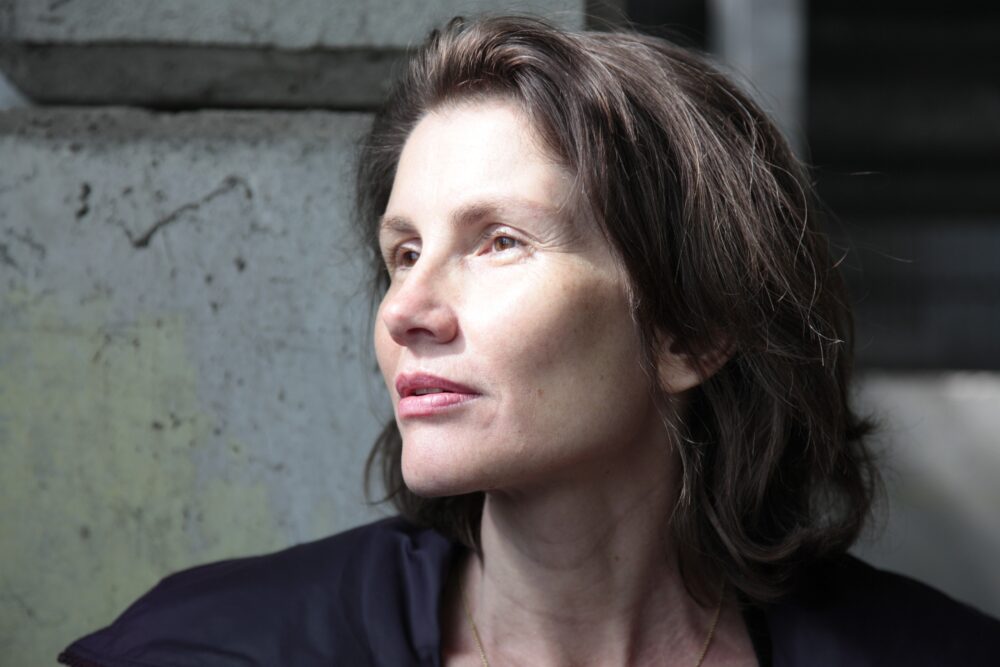
Sana Valiulina

(Estonia, 1964) grew up in Tallinn in a family of non-religious Islamic Tatars. She studied Norwegian language and literature in Moscow and moved to Amsterdam in 1989. In 2000 her debut the novel Het Kruis (The Cross) appeared, about life in a student flat in Moscow. In 2002 it was followed by the anthology of novellas Vanuit nergens met liefde (From Nowhere with Love). For her monumental epos Didar en Faroek (2006), about WOII and its aftermath in the Soviet Union she was nominated for the Libris Literatuur Prijs. This love story about two people who are separated by war and terror but eventually succeed in finding each other again, is partly based on her own family history. ‘The novel is reminiscent of the great Russian narrative tradition (...) a monument’, wrote the weekly De Groene Amsterdammer. Following it she aimed her arrows at Dutch society writing Honderd jaar gezelligheid (Hundred Years of Cosiness; 2010). In this novel she wonders what it means to be young in a country where cosiness has become a national obsession. Recently, she published the acclaimed Kinderen van Brezjnev (2014) followed by Winterse Buien of ben ik wel geïntegreerd genoeg (2016).
20131016101743 1

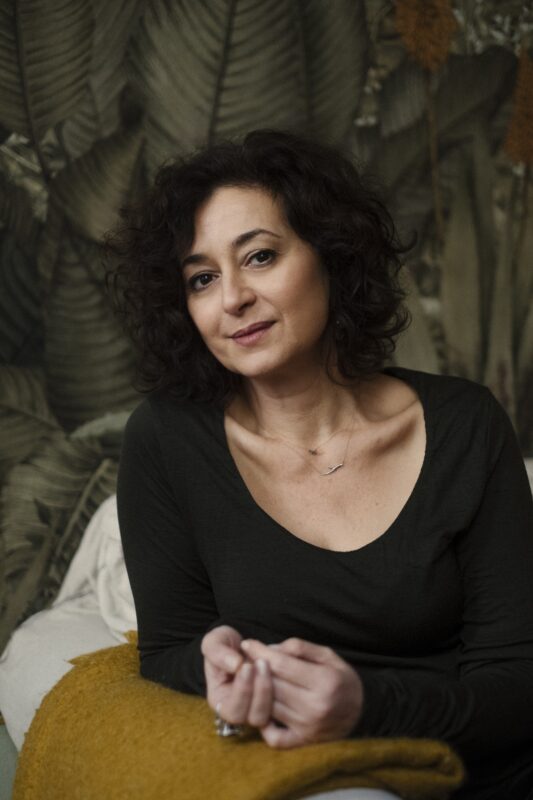
Ece Temelkuran

(Turkey, 1973) is an award-winning Turkish writer, political thinker, and speaker. After leaving her home country in 2016, she wrote How to Lose a Country: The 7 Steps from Democracy to Fascism. In 2021, she published Together: A Manifesto Against the Heartless World, now translated into Dutch for the first time, and in 2025 Nation of Strangers was published, with the Dutch translation appearing in 2026. Her work is translated and published worldwide. She currently lives in Berlin and serves on the advisory boards of Progressive International and DemocracyNext.
20260320172856 1

Discover

20 May 2026

Get your 2027 tickets!

Get your Early Bird tickets for the big festival nights, Friday & Saturday Night Unlimited!