The Medium and the Message

The social and political influence of the new media is praised extensively as well as severely criticised. David Van Reybrouck hosts a discussion with Sami Ben Gharbia (Tunesia), Ngwatilo Mawiyoo (Kenya) and Ece Temelkuran (Turkey) about the hopes and dreams of changing the world and the possibilities impossiblilities that the Internet provides in achieving this goal. Including a performance of composer, performer and poet Jaap Blonk. In English.
Information

Date and time Saturday 19 January 2013 21:00 tot 21:55 uur
Location Theater aan het Spui - kleine zaal

The social and political implications of the new media and the world wide web have both been extensively praised as well as severely criticised. But one important promise keeps recurring: that of democratisation. The 20th century has seen a succession of optimistic and open media. And all of them, from the telegraph to the telephone and beyond, ended up being closed and controlled industries. A discussion about the hopes and dreams of changing the world, of moving people and the (im)possibilities that the Internet provides in achieving this goal. Including a performance of composer, performer and poet Jaap Blonk. In English.
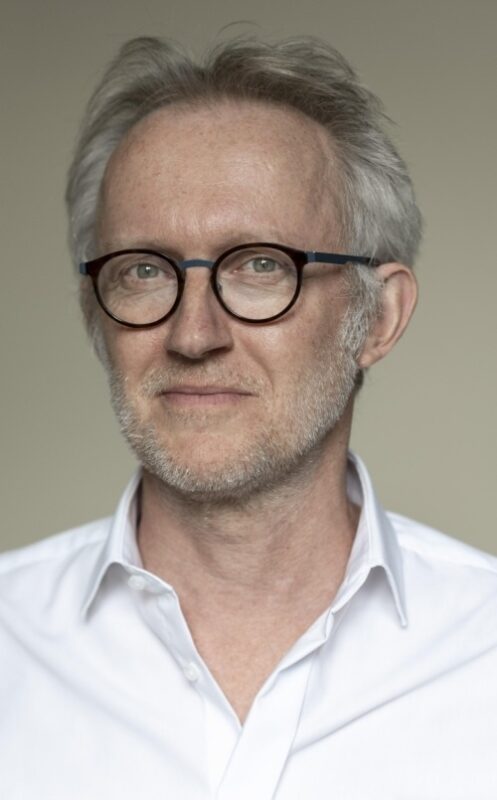
David Van Reybrouck

(Belgium, 1971) is an author, historian and archaeologist, known for his multifaceted contributions to literature and intellectual discourse. He is currently Philosopher Laureate of the Low Countries. Upon his appointment, he published De wereld en de aarde (The World and the Earth, 2025), in which he makes a groundbreaking proposal to radically broaden our thinking—and our politics. For the greatest security issue of our time is not the world with its mutual conflicts, but the earth, which is becoming increasingly disrupted. His oeuvre covers a range of genres, including historical non-fiction, poetry, and theater. Among his best-known works are Congo (2010), about the country's bewildering history, and Revolusi (2020), which places Indonesia's struggle for independence in a global perspective through eyewitness accounts. In addition to his literary work, Van Reybrouck is known as ‘one of Europe's leading intellectuals’ (Tagesspiegel), whose ideas relate to themes such as democracy, climate, and colonialism. He regularly publishes opinion pieces in international publications. 

Go to the website of David Van Reybrouck
Instagram: @david.vanreybrouck
20251015162805 1

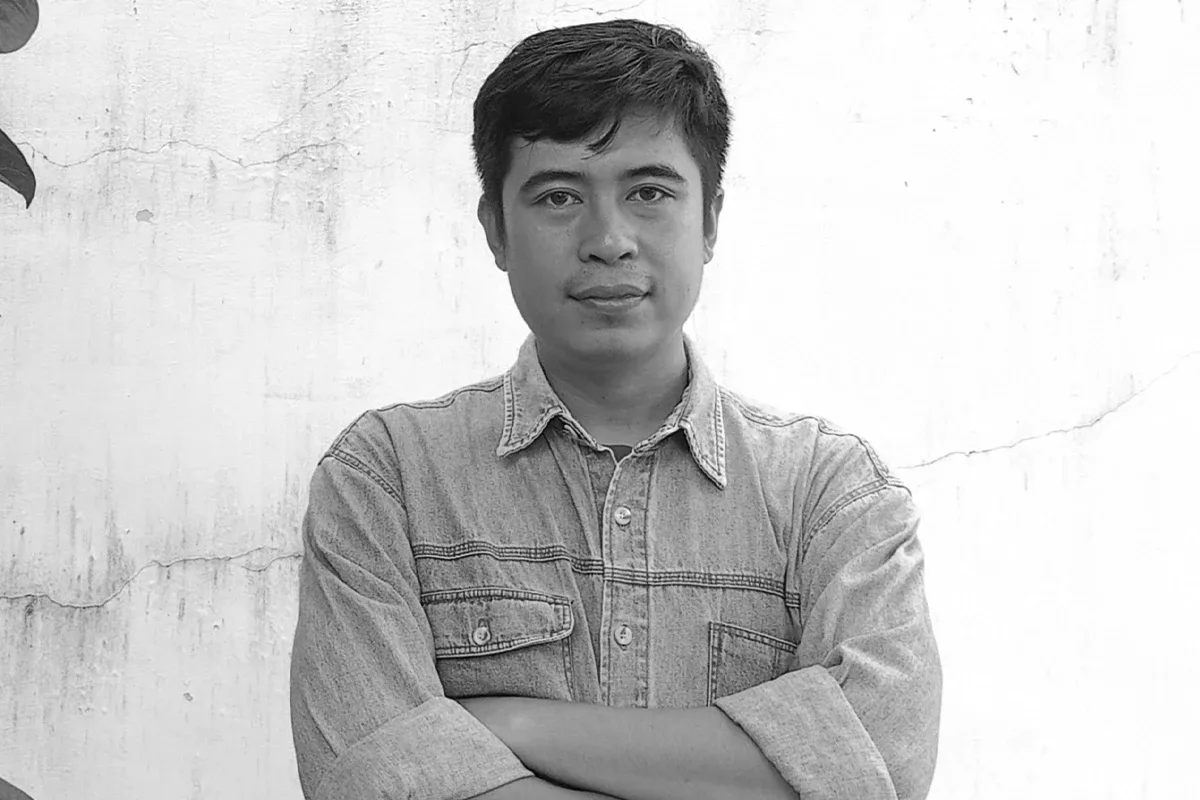
Ece Temelkuran

(Turkey, 1973) is an award-winning Turkish writer, political thinker, and speaker. After leaving her home country in 2016, she wrote How to Lose a Country: The 7 Steps from Democracy to Fascism. In 2021, she published Together: A Manifesto Against the Heartless World, now translated into Dutch for the first time, and in 2025 Nation of Strangers was published, with the Dutch translation appearing in 2026. Her work is translated and published worldwide. She currently lives in Berlin and serves on the advisory boards of Progressive International and DemocracyNext.
20260320172856 1

Ngwatilo Mawiyoo

(Kenya, 1983) as a child took singing and acting lessons. Now she combines poetry, music and the theatre. In 2011 she recorded the album Introducing Ngwatilo. In Kenya she is called the high priestess of the poetry performance because of her appearance, her performance and the themes she brings up. She performed at various festivals in Africa and Europe. In her Puesic Project she mixes music with poetry, dance and film. Her first collection of poetry Blue Mothertongue (2010) deals with the life in her native city of Nairobi and the African diaspora. For her latest project she wants to turn the stories of twenty rural families into poetry. The result will find its audience through radio, the international media and the digital highway.
20121029114901

Sami Ben Gharbia

(Tunesia, 1967) is a prominent internet activist who set the Jasmine revolution in his country in motion from the Netherlands. He fled the country in the late 1990s, settling in the Netherlands. In the northern, mostly agrarian province of Friesland he became a ship's master and began his own weblog. With other dissidents he founded the Tunesian webportal Nawaat.org in 2004, which played an important role in the ousting of president Ben Ali. When WikiLeaks late 2010 began leaking cables of American Embassies, Ben Gharbia, who knew Julian Assange from the international hackers' world, asked for the Tunis cables. Via Nawaat.org the 'Tunileaks' were translated into French and Arabic and disseminated. Ben Gharbia and Nawaat.org were awarded prizes by among others the Reporters without Borders, The Electronic Frontier Foundation and Index On Censorship. In 2012 he was recipient of the Prince Claus Prize and the magazine Foreign Policy placed him in the Top 100 of Global Thinkers. Sami Ben Gharbia lives in Tunesia again, contributing to a new identity for his country.
20121107141047

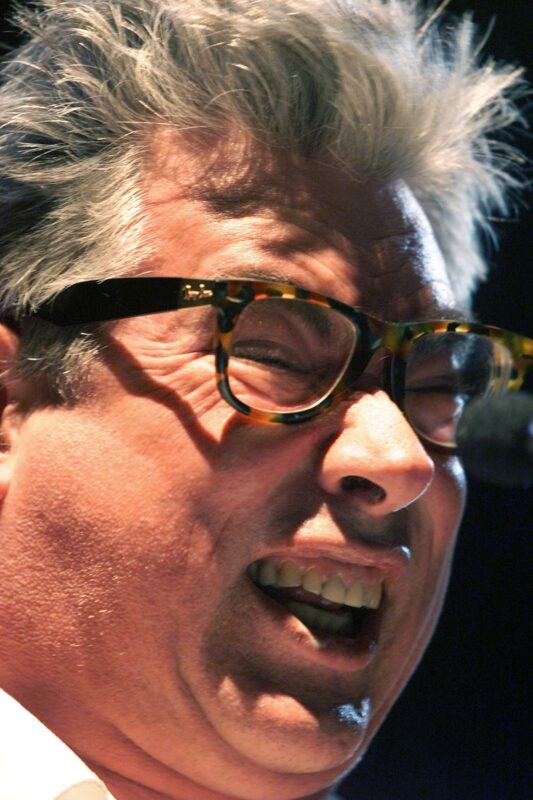
Jaap Blonk

(1953, NL Woerden) is a composer, performer and poet. He studied mathematics and musicology but didn't finish his studies. Instead he played the saxophone and started composing. In recitals of poetry and later in improvisations and pieces of his own, he developed his genius as a voice performer. In 2000 he started working with electronics. First on the basis of samples of his own voice, later with pure sound synthesis. Some five years ago, from a renewed interest in mathematics, he started doing research into the possibilities of algorhythmic compositions for the creation of music, visual animation and poetry. As a vocalist Jaap Blonk is unique because of his presence on the stage and his frank improvisations, combined with a sharp sense of structure. He has performed worldwide and worked with many musicians in contemporary and improvised music. Recordings appeared on Staalplaat, Lopl.op, Basta, VICTO and Monotype. His own record label Kontrans has released 17 titles so far.
20050226171214

Discover

20 May 2026

Get your 2027 tickets!

Get your Early Bird tickets for the big festival nights, Friday & Saturday Night Unlimited!