The Fake Nation

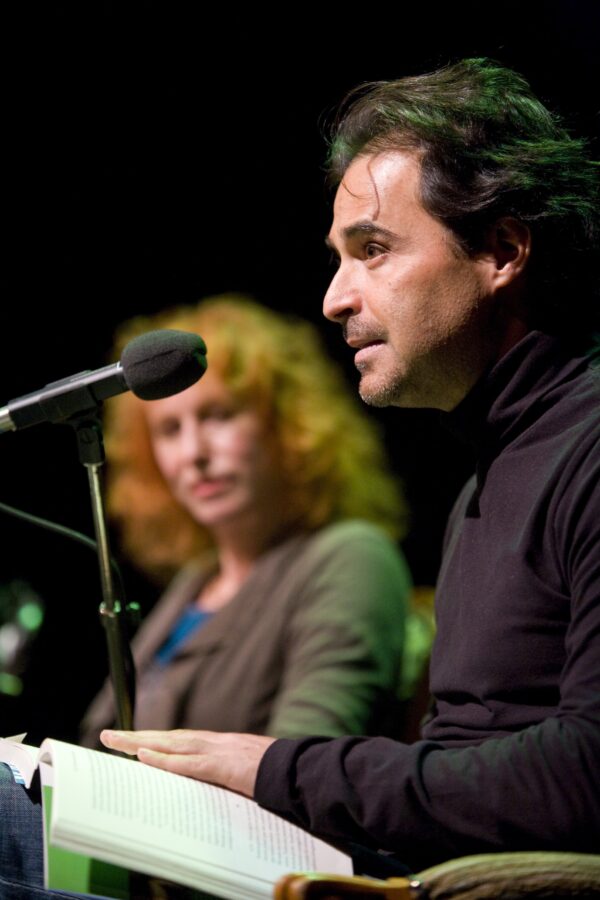
Three writers talk about the myth of nationalism and how to write in opposition to it. With Margriet de Moor, Perihan Magden and José Eduardo Agualusa. Host: Pieter van den Blink. In English.
20090126154703

Information

Date and time Friday 16 January 2009 23:10 tot 00:00 uur
Location Theater aan het Spui - kleine zaal

Three writers on national identity and nationalism and how to write in opposition to it. In an essay Margriet de Moor wrote about ‘a tawdry belief in the private myth ’ of ‘openness, tolerance and freethinking’. The Turkish writer and columnist Perihan Magden with her selfwilled language use ridicules the powers that be, such as the army, hoping to contribute to a further democratisation of her country. José Eduardo Agualusa in his work plays a sublime game with reality and fiction and so creates a new image of his native land Angola. His novel My Father's Women was launched during Winternachten. Host: Pieter van den Blink.
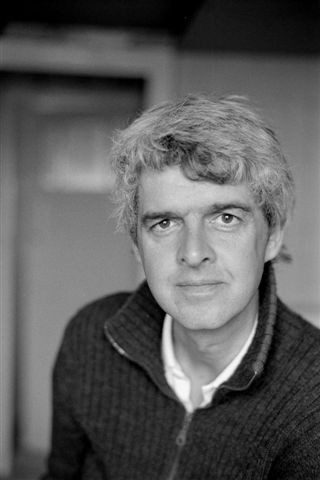
José Eduardo Agualusa

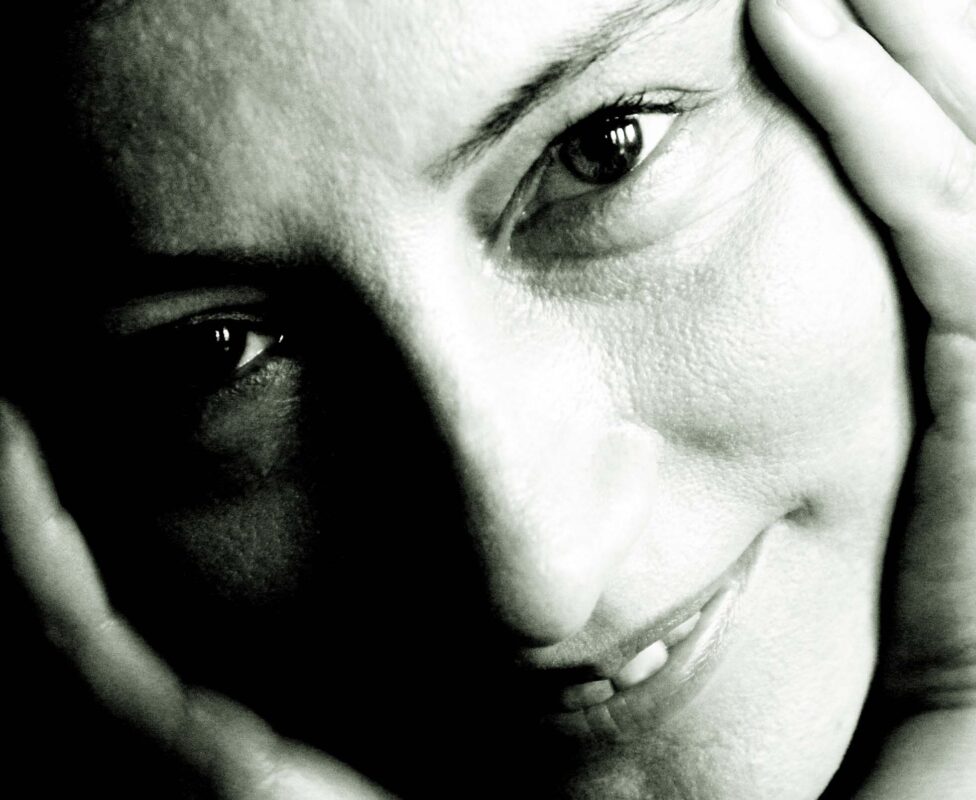
(Angola, 1960) has published an extensive body of work comprising novels (15 titles), short stories and novellas (7 collections) and numerous journalistic pieces (including for the Brazilian newspaper O Globo). As an important literary voice and a leading author of the Portuguese-speaking world, his at times magical-realist narratives, often rich in historical context, humor and references to Angola, also appeals to many readers outside that world: his work has been translated into at least 25 languages. In A General Theory of Oblivion (2016), a woman with agoraphobia barricades herself in her flat in Luanda. She remains there for thirty years while her country goes through various political stages, from colony to socialist republic and from civil war to peace and capitalism. His latest novel is Mestre dos batuques (2024, Master of Drums). In it, Agualusa rewrites history and describes how drums played an important role in the resistance against the Portuguese colonisers. He also collaborated with Mia Couto on the screenplay for José Miguel Ribeiro's magical realist animated feature film Nayola (2022), which explores this theme.

Watch the trailer of the film Nayola on YouTube
Instagram: @jose_eduardo_agualusa
20251029130638 2

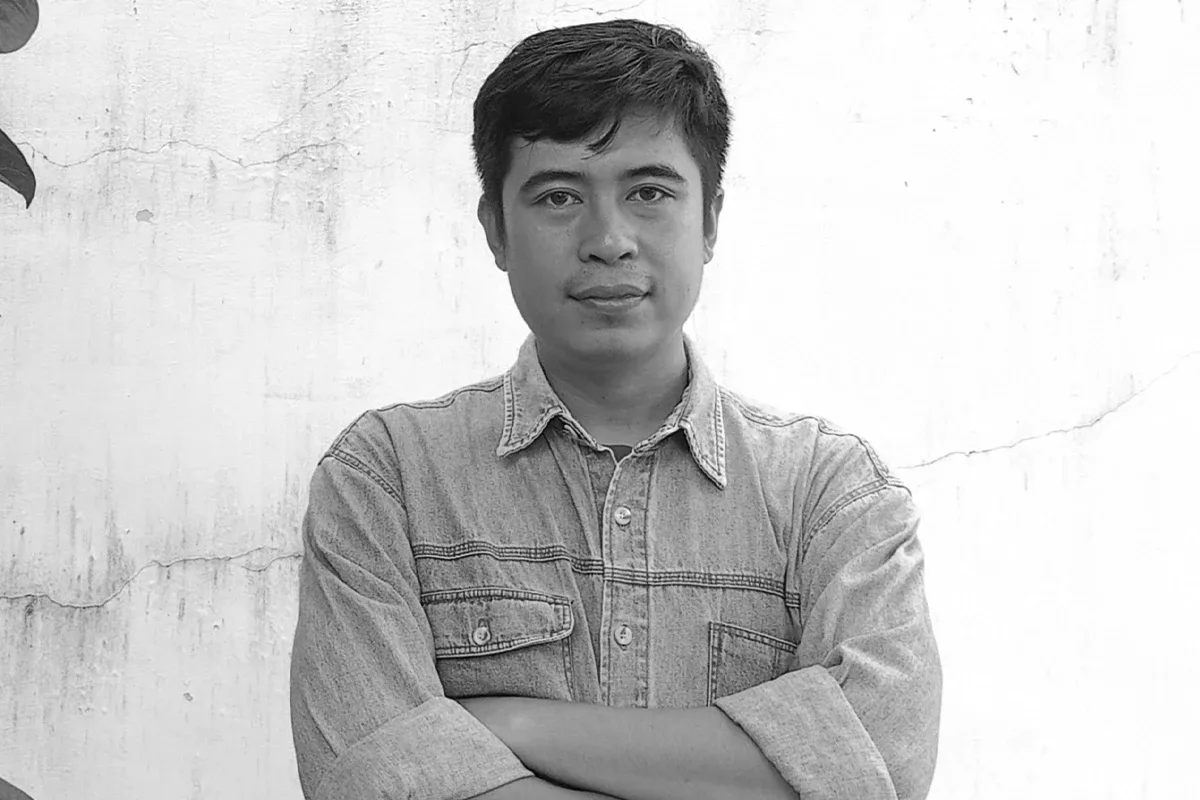
Perihan Magden

(Turkey, 1960) was praised by Orhan Pamuk as 'one of the most inventive and outspoken writers of our age'. In June her 1991 debut was published by Athenaeum-Polak & Van Gennep: The Errand-Boys Murders. A hallucinating tale about a bizarre city where mysterious murders take place. Her second novel, Two Girls (2002), was a best-seller in Turkey and has been made into a film and translated in English. Magden is known in Turkey as a columnist. In 2006 she was charged allegedly for inciting the Turkish population against the army. She was jeered at by an angry mob in court but finally acquitted. This frightful period was an inspiriation for her latest novel Biz Kimden Kaciyorduk Anne (Who Are We Fleeing for, Mother?; 2007), describing the mortal fear of a woman and her daughter.
20080929105405

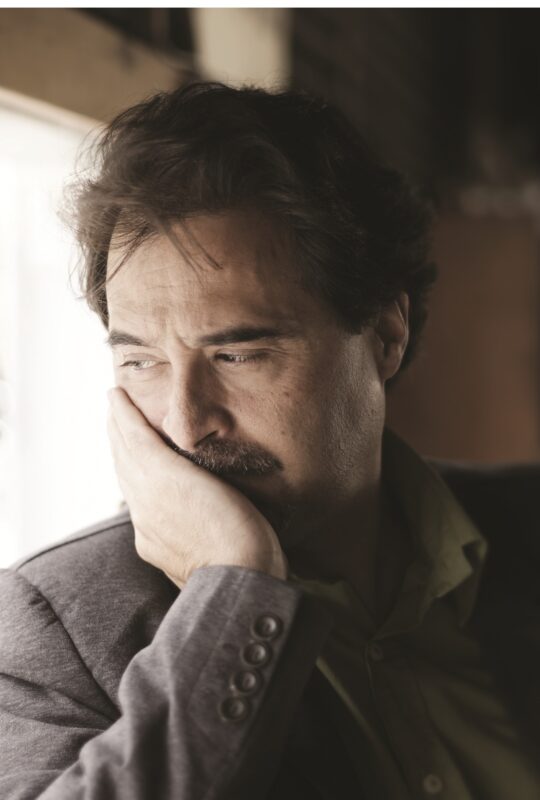
Margriet de Moor

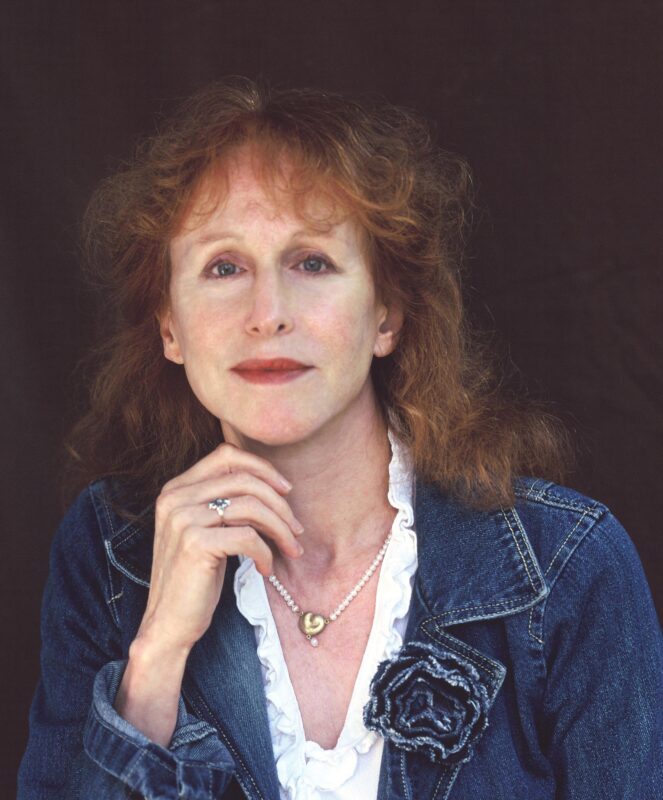
(Noordwijk, 1941) in her latest book, the volume of essays Als een hond zijn blinde baas (Like a Dog Its Blind Boss; 2007), how she began her writing career. 'Let's see if I can write a story,' she thought one Monday morning. And writing she could. Her first volume of short stories, Op de rug gezien (Seen From the Back; 1988) won her a Gouden Ezelsoor (golden donkey-ear) and her novel debut Eerst grijs dan wit dan blauw (First Grey Then White Then Blue; 1991) won her the AKO Literature Prize. That opened the way to international fame. The book has been published in more than ten languages. Chance and its dramatic consequences and the 'mystery of the Other' play an important role in De Moor's work. History is also an important theme. She devoted a book to the haps and mishaps of the gypsies in 15th century Europe, De hertog van Egypte (The Duke of Egypt) and De Verdonkene (Drowned) deals with the great flood of 1953 in the Netherlands. De Moor studied piano, singing, art history and archeology and made videofilms before she started writing.
20080930102503

Pieter van den Blink

(Amsterdam, 1966) is a journalist and . From 2006-2008 he was deputy editor-in-chief with the weekly Vrij Nederland, but for some months now he has been working on a freelance basis for VN, Radio 1 and VPRO, among others. From 2000-2005 Van den Blink was a correspondent for various media in Paris. He writes particularly on France, the francophone world and literature, but now works with portrait photographer Koos Breukel on a book on Volendam. In 2007 121 rue de Lille appeared, a history of fifty years of the Institut Néerlandais in Paris.
20081202104145

Discover

20 May 2026

Get your 2027 tickets!

Get your Early Bird tickets for the big festival nights, Friday & Saturday Night Unlimited!