The Language of Love

20050302142042

Information

Date and time Friday 18 January 2002 22:50 tot 23:35 uur
Location Theater aan het Spui - grote zaal

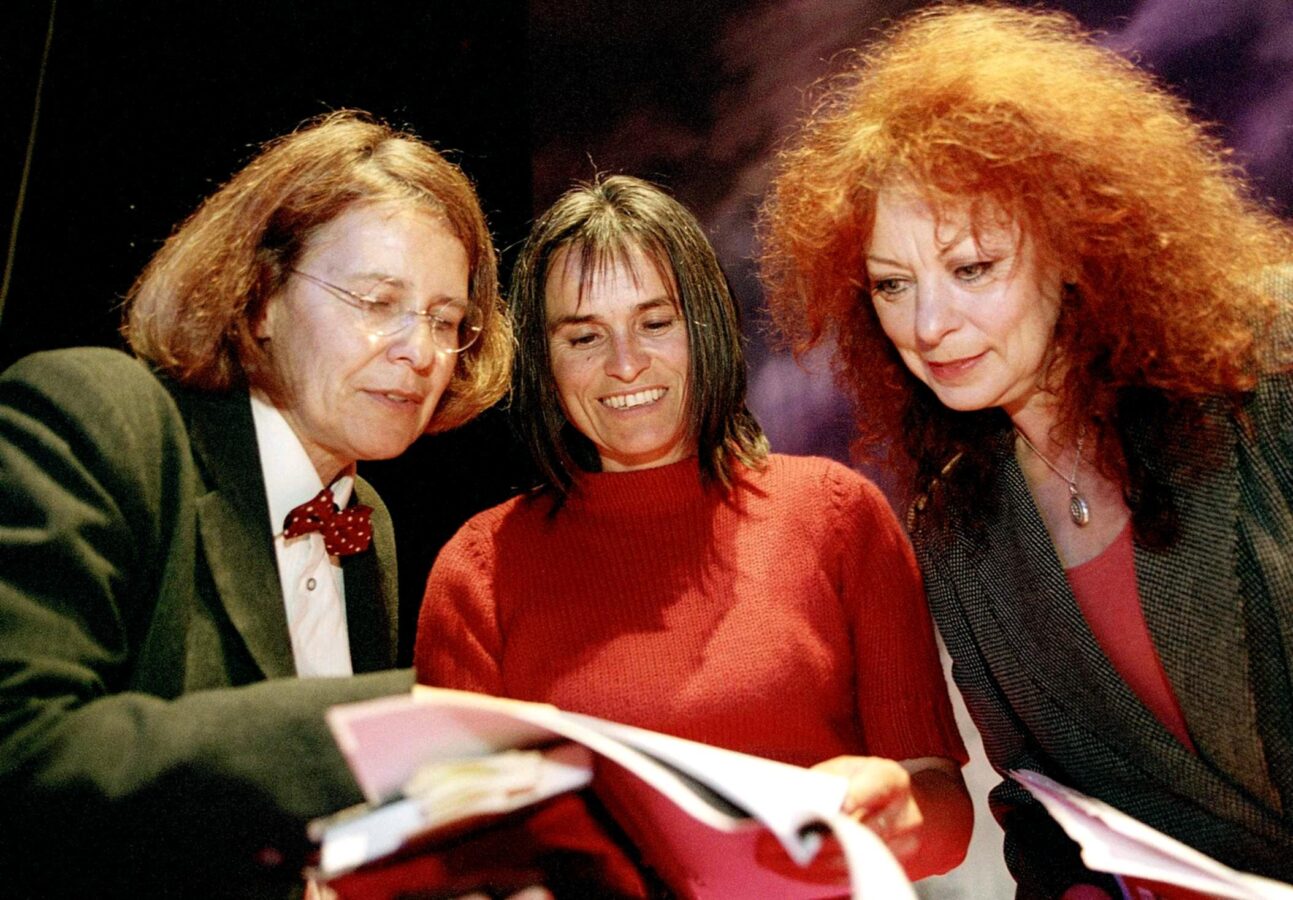
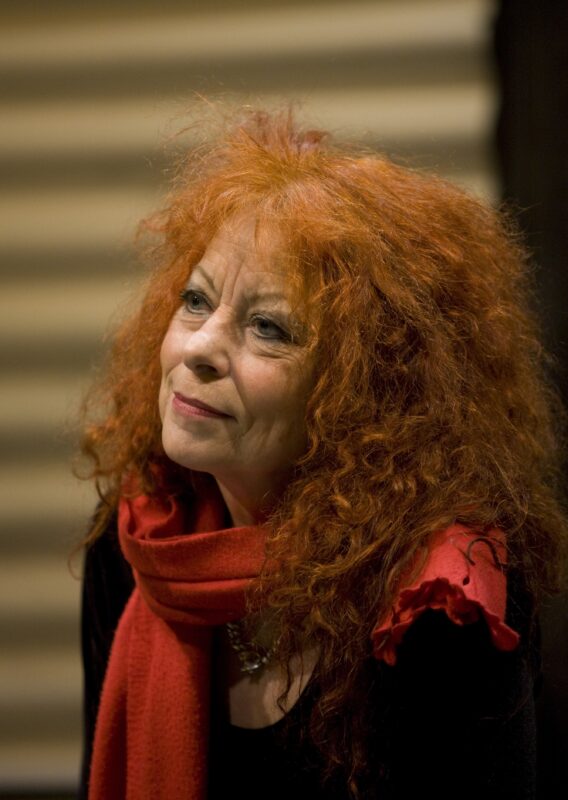
Antjie Krog and Kristien Hemmerechts are both masters in writing odes to loved ones. ‘Liefste, jy mág nie doodgaan nie’ (Dearest one, you can not die), Antjie Krog wrote in her collection Kleur komt nooit alleen nie (Color never comes alone). This book was launched in the Dutch translation at Winternachten. To keep the loved one alive, he is embalmed in language. The Flemish writer Kristien Hemmrechts also used this in her poetography Taal zonder mij (Language without me). Dutch/Afrikaans spoken.

Elsbeth Etty

(Hulshorst, NL, 1951) received the Anne Vondeling Award for political journalism in 2008, owing to her sharp analyses of social problems. She is a journalist in the widest sense of the word. Besides being an editor and columnist with the NRC Handelsblad newspaper, she makes frequent appearances on radio and TV. In 2007 she debuted as a novelist with Maak jezelf maar klaar (Go Get Yourself Off), in which one of the characters from Harry Mulisch's The Discovery of Heaven figures as a main character. Etty obtained her Ph.D. with distinction from Utrecht University with a biography of Henriëtte Roland Holst, Liefde is heel het leven niet (Love Is Not All of Life, 1996). Her newspaper columns appeared in four different books. Her reviews were compiled in Dames gaan voor - Van Hella Haasse to Connie Palmen (Ladies First: From Hella Haasse to Connie Palmen, 1999). Etty is a special lecturer in Literary Criticism at the Free University in Amsterdam, and is now at work on a biography of the late Dutch poet and songwriter Willem Wilmink.
20100201124623

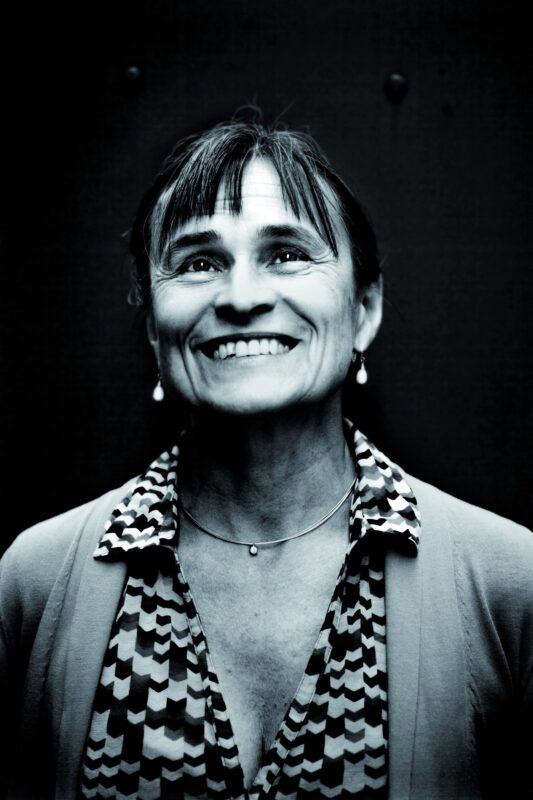
Antjie Krog

(South Africa, 1952) is a poet, writer, academic and a cherished reciter. Her book Country of My Skull (2000, adapted for film in 2004) is a personal account of the proceedings of the Truth and Reconciliation Commission. She published her autobiographical memoirs as A Change of Tongue (2003). Krog has won many prizes, including the Hertzog prize in South Africa and the 2018 Gouden Ganzenveer in the Netherlands. An anthology of her poetry was published in Dutch in 2010, titled Hoe zeg je dat (How Do You Say That), and Begging to be Black, the sequel to Country of My Skull and A Change of Tongue.
20190107121937 1

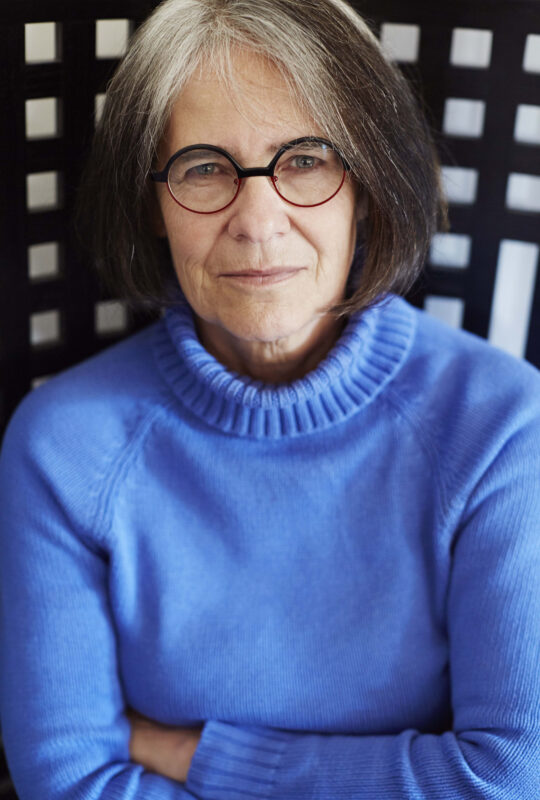
Kristien Hemmerechts

(Belgium, 1955) writes widely on wide-ranging topics, from poetry about her late husband Herman de Coninck in Taal zonder mij (Language without Me, 1998) to the struggle of an anorexia patient in her book Ann (2008). The human condition is always central to her extensive oeuvre. Her work also pays a noticeable amount of attention to the female sexual experience. In her novel De waar gebeurde geschiedenis van Victor en Clara Rooze (The True History of Victor and Clara Rooze), Hemmerechts plays with fact and fiction: a writer with writer's block tackles a story of incest to give free reign to her thoughts about writing and literature. Haar Bloed (Her Blood) appeared in 2012, for which she spent time in a hematology ward. In 2014 she caused an uproar with De vrouw die de honden eten gaf (The Woman Who Fed the Dogs), a novel inspired by the Dutroux case. Her latest novel Alles verandert (Everything Changes) closely follows the plot of J.M. Coetzee's In Ongenade (Disgrace), but with a female protagonist. How much does the gender of literary characters determine our view of their actions?
20150923122708 1

Discover

20 May 2026

Get your 2027 tickets!

Get your Early Bird tickets for the big festival nights, Friday & Saturday Night Unlimited!