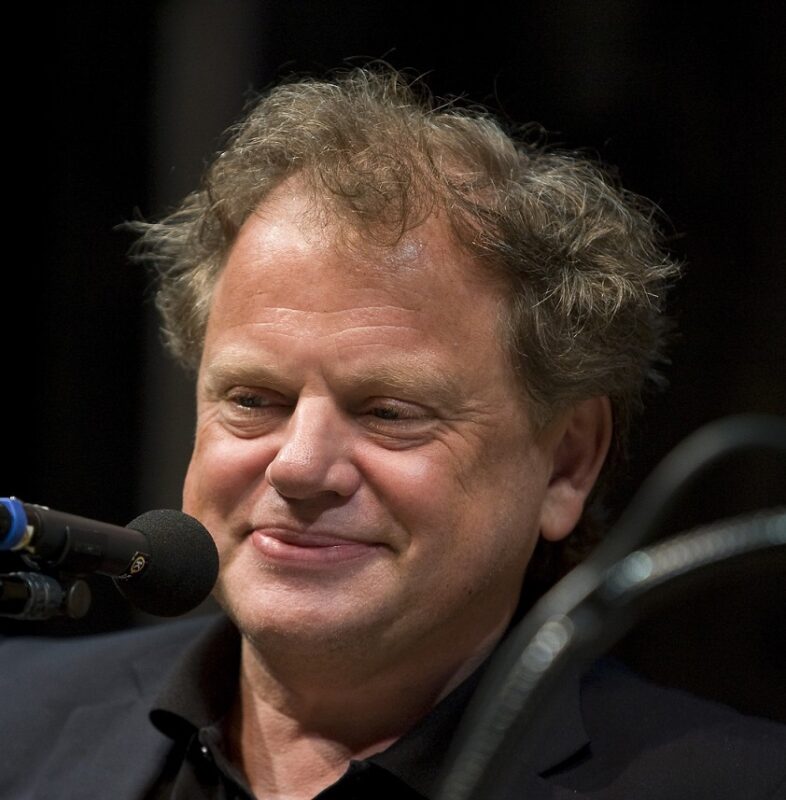
Should we love one another?
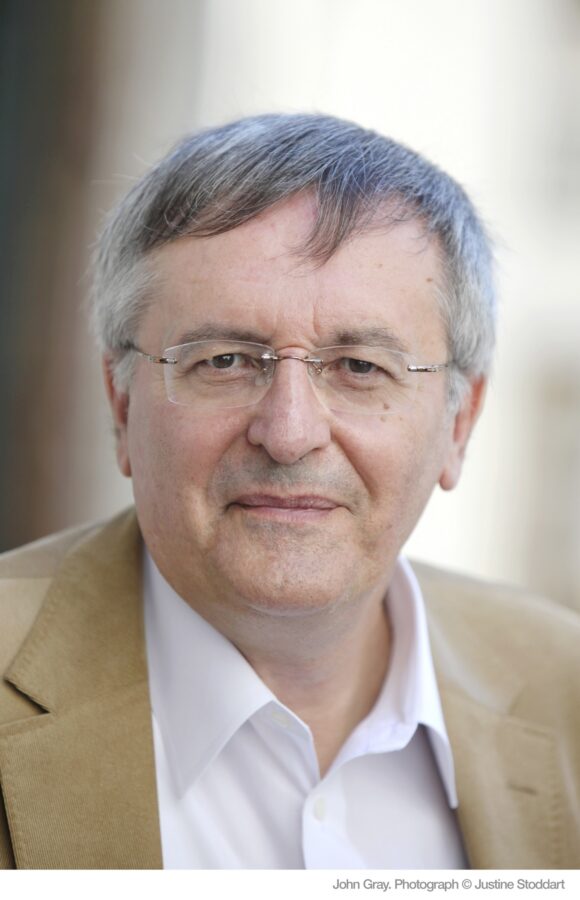
Writer Bas Heijne and the British philosopher John Gray take a close look at the notion of freedom and try to find an answer to the question how people with different desires and opinions must live together. Do we have to love one another? In English.
Information
| Date and time | Friday 20 January 2012 21:01 tot 22:15 uur |
|---|---|
| Location | Theater aan het Spui - grote zaal |
Writer Bas Heijne and the British philosopher John Gray take a closer look at the secret of the success of populist parties, against the background of ongoing globalisation and the changing balance of power. Populist parties consider freedom of paramount importance. What do they mean when they talk about freedom? Why do they meet so much response and what do they have to offer that other parties, sticking to the ideals of the Enlightenment, liberty, equality and solidarity, are overlooking? Are they probably right when they say that we're losing a feeling of cultural identity and that the ordinary citizen is not being listened to? Do they have a sharper antenna for the human need to feel at home and be heard and seen? A dialogue interspersed with film fragments. In English.
Line-up
Discover

21 October 2026
Week van het Nederlands! Maud & Roan brengen taal in beweging
Een unieke dubbelvoorstelling van Maud Vanhauwaert en Roan Kasanmonadi tijdens de Week van het Nederlands (
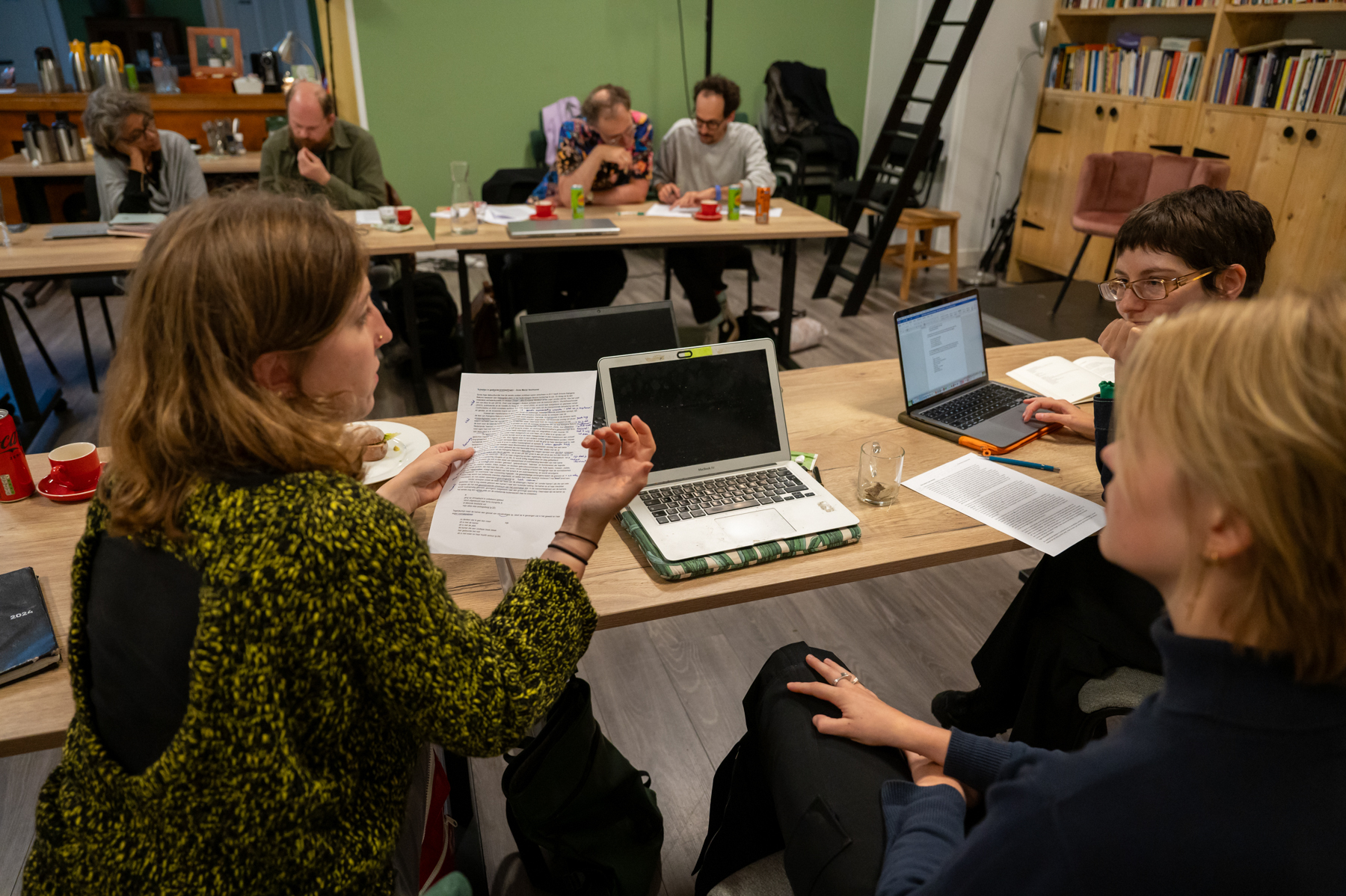
13 October 2026
Week van het Nederlands! Maud & Roan brengen taal in beweging
Een unieke dubbelvoorstelling van Maud Vanhauwaert en Roan Kasanmonadi tijdens de Week van het Nederlands (

6 October 2026
Week van het Nederlands! Maud & Roan brengen taal in beweging
Een unieke dubbelvoorstelling van Maud Vanhauwaert en Roan Kasanmonadi tijdens de Week van het Nederlands (