Violence and Religion - Opening Lecture by Karen Armstrong

British author Karen Armstrong starts off with the 9th Winternachten Lecture. Her subject is violence and religion. What are the factors that lead to eruptions of violence and war? How can we live together peacefully despite religious and cultural differences? Is religion really a motive for the use of force? After the lecture, Sheila Sitalsing will be in conversation with Karen Armstrong. Dutch essayist Paul Scheffer and Egyptian writer Muhammad Aladdin will also take part in the discussion.

Information

Date and time Friday 16 January 2015 20:00 tot 21:20 uur
Location Theater aan het Spui - Zaal 1

British author Karen Armstrong starts off the first evening of the festival with the 9th Winternachten Lecture. Her subject is violence and religion. What are the factors that lead to eruptions of violence and war? How can we live together peacefully despite religious and cultural differences? Is religion really a motive for the use of force, or are there other underlying factors? After the lecture, Sheila Sitalsing will have a conversation with Karen Armstrong. Dutch essayist Paul Scheffer and Egyptian writer Muhammad Aladdin will also take part in the discussion. In English.
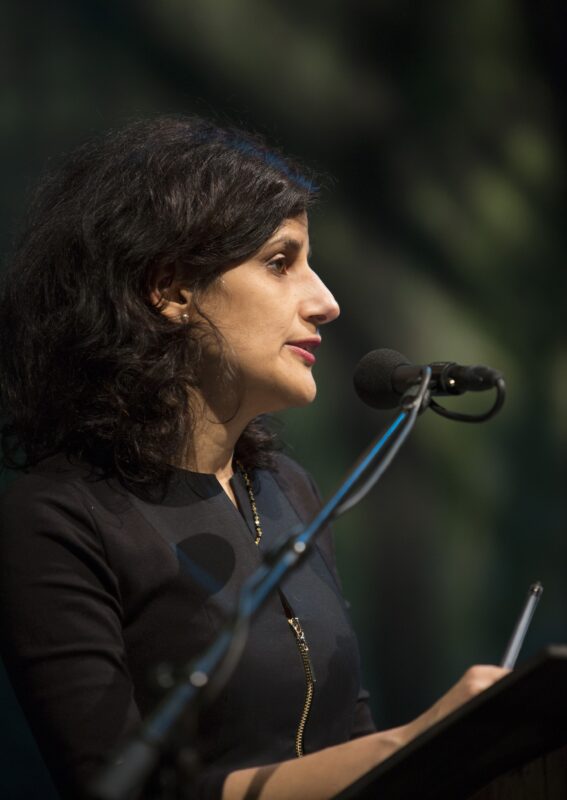
Sheila Sitalsing

(Suriname, 1968) is a journalist, writer, and economist. She writes books, essays and columns on politics and society. For eleven years, she wrote a widely read column in Dutch national daily newspaper de Volkskrant every other day, for which she was awarded the Heldring Prize for best columnist in the Netherlands. In 2024, she received an honorary doctorate from the University of Humanistic Studies. She wrote the political biography Mark, portret van een premier (2017Mark, portrait of a prime minister) and compiled her columns about the COVID pandemic year 2020 in Dagboek van een krankzinnig jaar (Diary of a Mad Year). In 2025, her book Waar ik me voor schaam (What I am ashamed of) was published, a non-fictional, perceptive account of a search for the workings of intergenerational shame and totalitarian temptation.
20140121183237 13

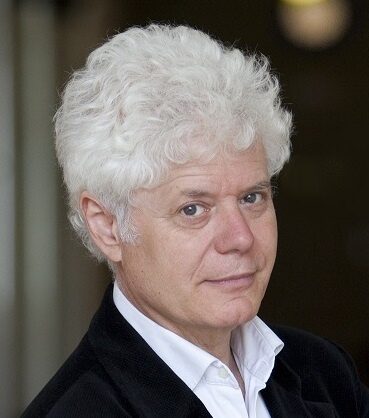
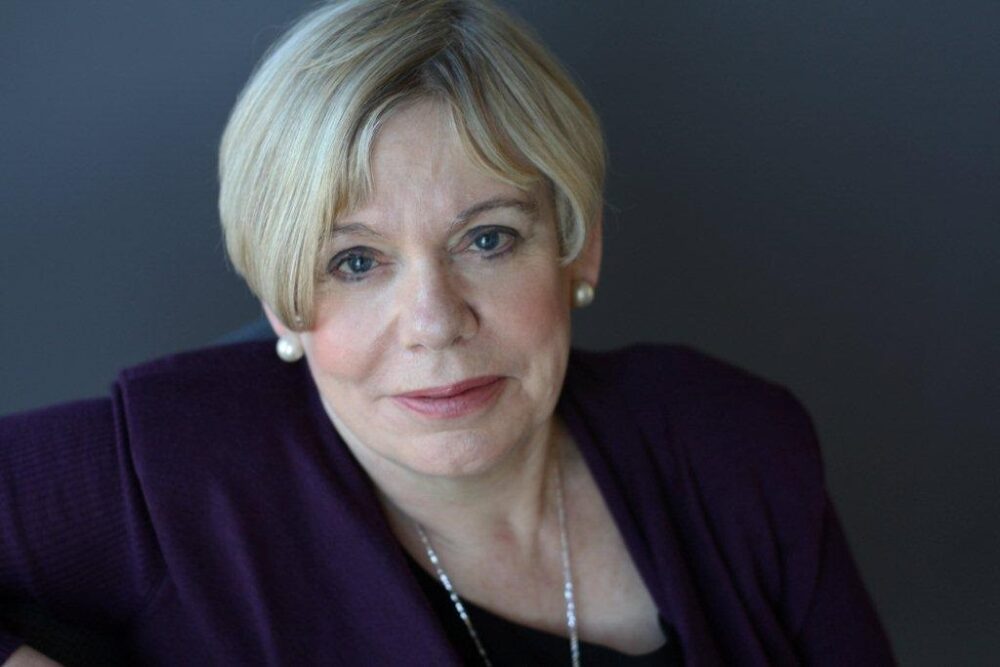
Karen Armstrong

(Great Britain, 1944) is one of the leading and most widely read writers on religion. Her work has been translated into 40 languages and includes bestsellers sch as A History of God (1995), The Battle for God (2000), Islam (2001), and The Case for God (2009). Twelve Steps to a Compassionate Life (2011) came about as a result of Armstrong's win of one of three TED prizes; she used the prize money to initiate the now globally supported Charter for Compassion. In October of 2014 she published Fields of Blood, dealing with the entanglement of religion and violence. In it, she bluntly states that all through the ages, wars have often been fought on behalf of a god. But she also shows that, alongside the crusaders and the jihadists, there has always been a Jesus or a Buddha advocating for peace and reconciliation. She also shows that the underlying motives for the use of force are usually social, economic or political in nature.
20141015143923 1

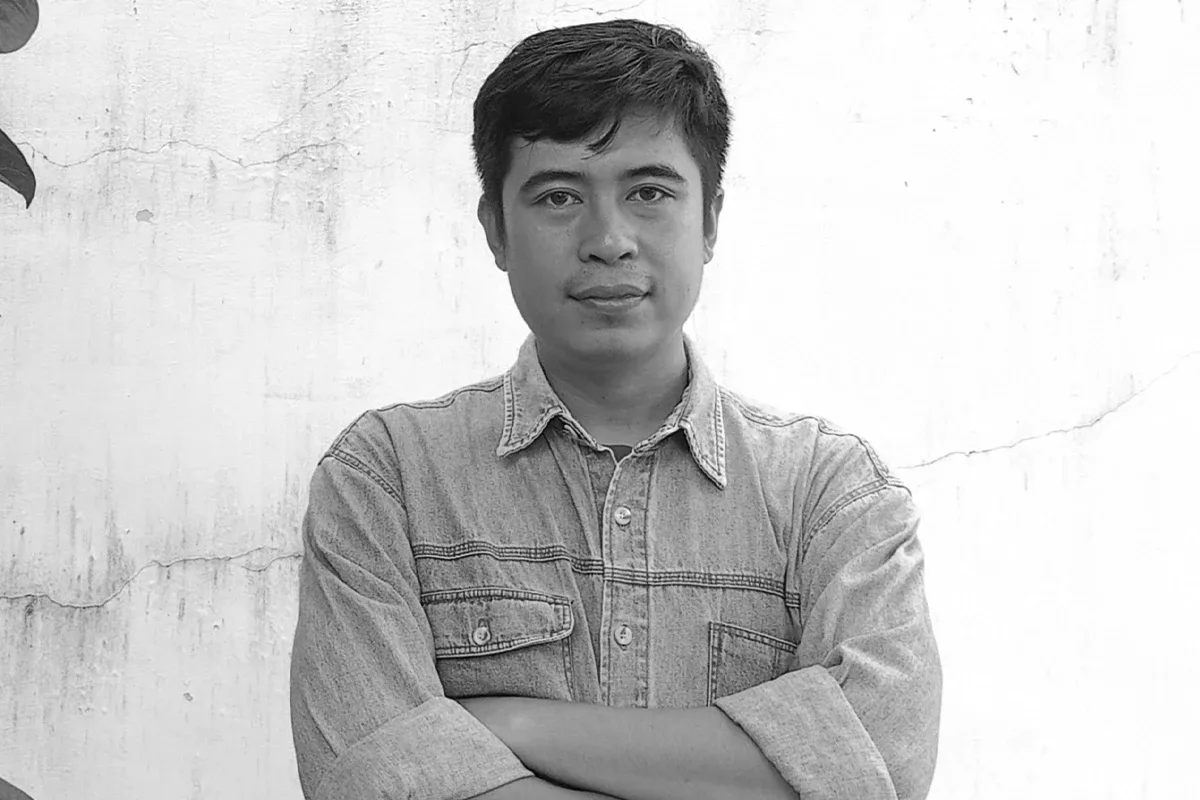
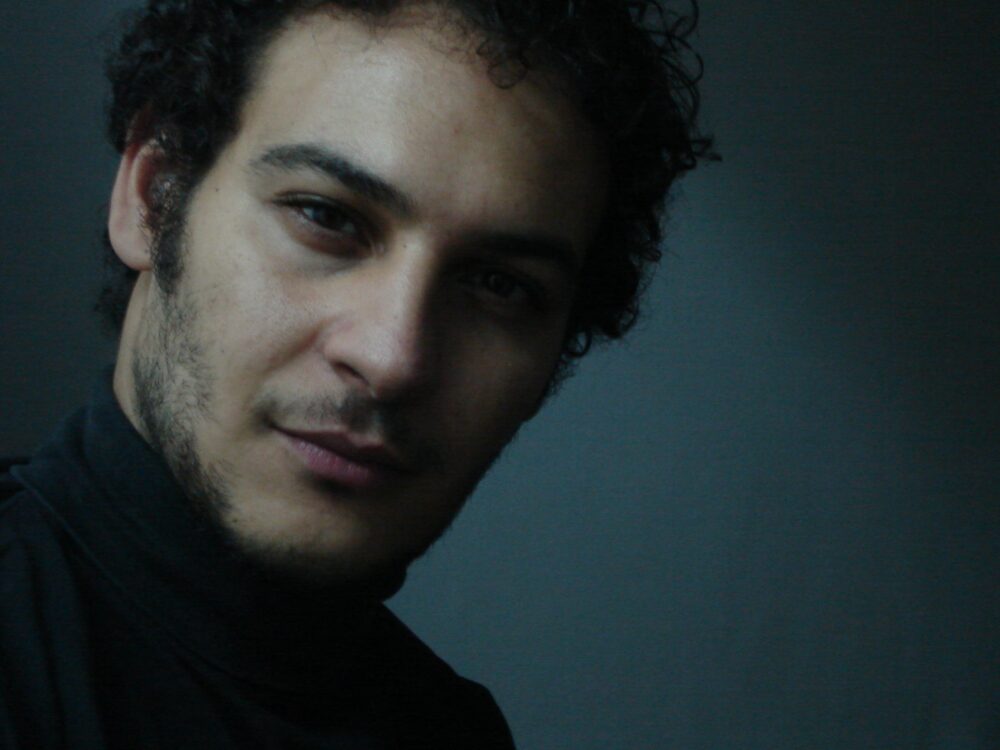
Muhammad Aladdin

(Egypt,1979) published his sensational novel The Gospel According to Adam in 2006. Aladdin, also known as Alaa Edin, has also written short stories and comic books for teenagers, as well as four other novels. Since the publication of The Gospel..., Aladdin is seen as an innovator in Arabic literature, given that the entire novel consists of one 60-page paragraph in "stream of consciousness" style. In it, he describes a society where all certainty has disappeared. Aladdin doesn't shy away from taboo in his work, and as a writer he enjoys rocking the boat. In May of 2013 he delivered a speech against the Egyptian regime at a gathering of Egyptian writers. Later, however, he refused to give a lecture because he feared that his words would be misused by the new leaders. Aladdin likes to experiment with different styles. For example, he uses a lot of slang in his latest novel about a writer of online stories, A Well-trained Stray (2014).
20140918145404 1

Paul Scheffer

(1954) worked as a correspondent in Paris and Warsaw before becoming a research assistant at the Wiardi Beckman Foundation. Since 1978 he has written about 200 essays for NRC Handelsblad and Volkskrant newspapers and De Groene Amsterdammer magazine, gaining particular notice in 2000 for The Multicultural Fiasco. In 2007 he published Het land van aankomst (Immigrant Nations), a book that seeks out what really goes on under the surface of multiculturalism. He held the position of Professor of Metropolitan Issues at the University of Amsterdam from 2003 to 2011. Since 2011 he has been professor of European Studies at the Universities of Tilburg and Amsterdam. In 2013 he published Alles doet mee aan de werkelijkheid. Herman de Wolf (1893-1942), his grandfather's biography followed by the essay De grens van de vrijheid (The border's freedom, 2016) in which he states that an open society can only exist by a certain spatial demarcation.
20140910135651 1

Discover

20 May 2026

Get your 2027 tickets!

Get your Early Bird tickets for the big festival nights, Friday & Saturday Night Unlimited!