Look, a Negro!

20050225133418

Information

Date and time Saturday 22 January 2005 21:35 tot 22:20 uur
Location Theater aan het Spui - grote zaal

Up until 1997 one could admire a preserved and mounted human being in a museum in the Catalonean town of Banyoles, 'El Negro' was a black South African who, after persistant worldwide protest, was returned and buried in Africa. This little bit of history inspired Frank Westerman to write El Negro en ik (The Negro and me).
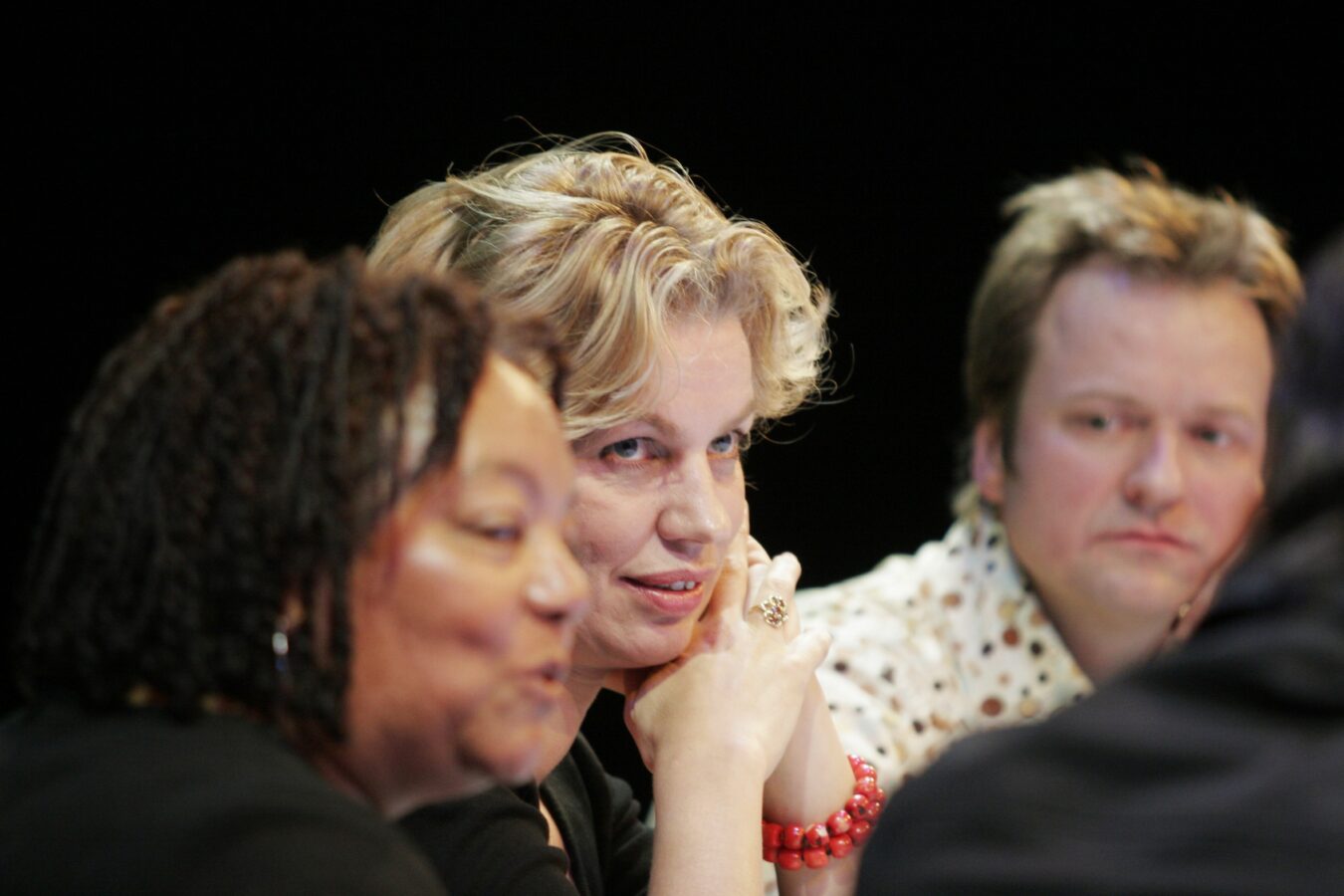
The South African Diana Ferrus wrote a poem about Saartje Baartman, also known as the 'Hottentot venus', a South African Khoisan, who in the nineteenth century travelled through Europa as a fairground attraction. Her skeleton, genitals and brain were kept in a French museum. In 2002, on request of Nelson Mandela, these remains were brought back to her native country and buried in the Cape. How did the white man look upon the black man then, and how does the white man look upon the black man now? Annie M.G. Schmidt's biographer Annejet van der Zijl writes about this matter in her novel Sonny Boy, acclaimed as 'the best novel in 2004'. A discussion about 'us and them', chaired by Noraly Beyer.

Dutch/Afrikaans spoken
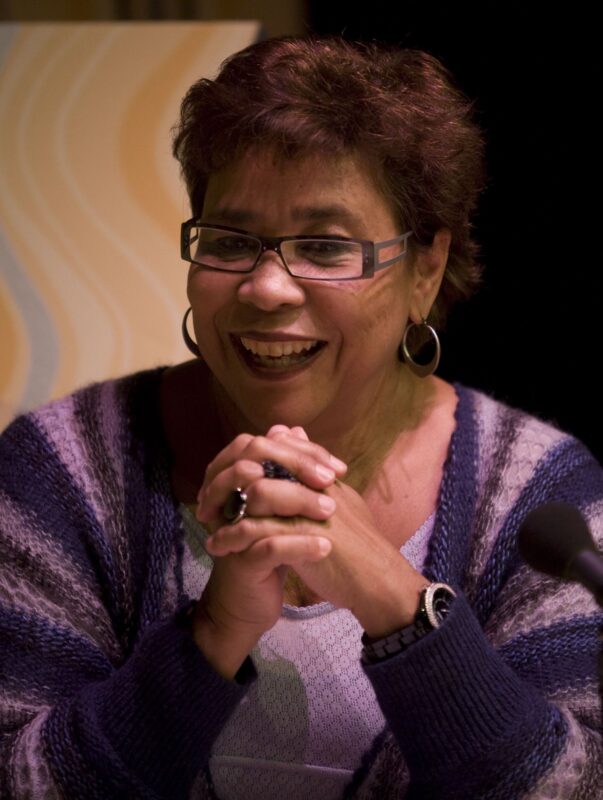
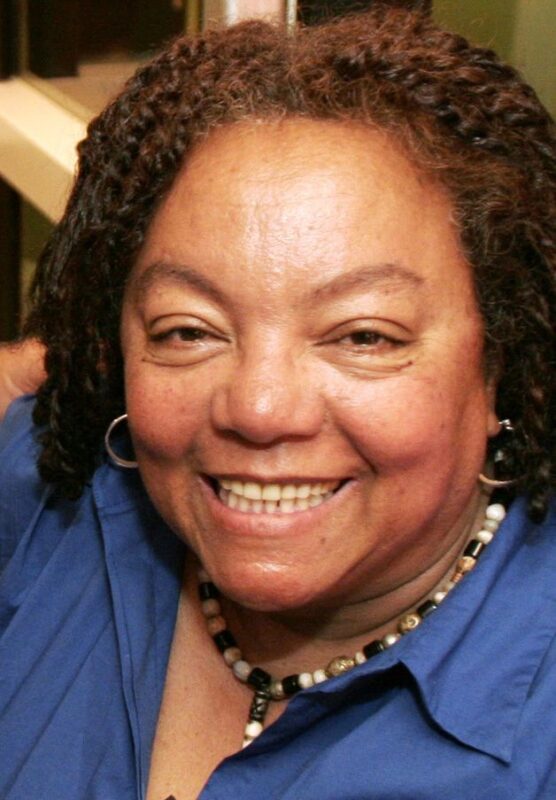
Diana Ferrus

(Worcester, South-Africa, 1953) is a writer, poet and activist for marginalised African women. She works at the University of West Cape, where she also participates in a Women's Studies course. Ferrus is a member of WEAVE (Women’s Education & Artistic Voice Expression), an artist's collective in Capetown. She became well known with her poem Tribute to Sarah Baartman. The poem was translated and included in the French governmental documents that were necessary for the transportation of the remains of Sarah Baartman - in nineteen century Europe known as the Hottentot Venus. The remains left Paris and eventually arrived in South Africa in 2002 where they were buried. Ferrus published her first collection of poetry in the Afrikaans language called 'Ons Komvandaan' ('We come from') in 2006 and was the co-editor for a book about fathers and daughters called, Slaan vir my 'n masker, Vader (Forge Me a Mask, Father). She recently released a cd of poetry with music by the band Mamela, called "Never again", "Nooit weer nie".
20050222170505

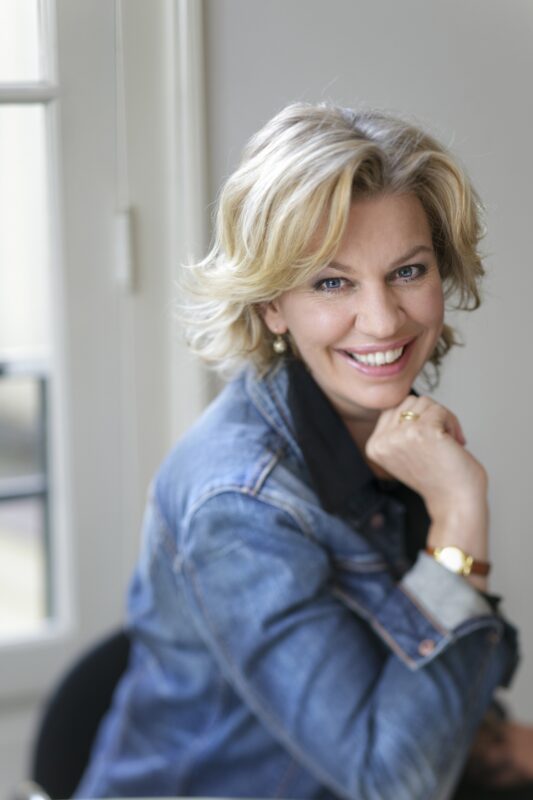
Annejet van der Zijl

(Leeuwarden, 1962) in 2010 published Bernhard, a reconstruction of the hitherto unknown German background of Prince Bernhard. With this book she obtained her doctorate in history at the University of Amsterdam. The four books which Van der Zijl published have been best-sellers and three of them were adapted for the screen. In 1998 she made her debut with Jagtlust, about a villa in Het Gooi, the meeting-place of artists and poets. Four years later it was followed by Anna, her much-praised biography of Annie M.G. Schmidt. In 2004 Sonny Boy appeared, about the love affair of a Surinamese student and a married Dutch woman, against the backdrop of WWII. The film attracted an audience of 400,000 and was selected the Dutch entry for the Oscars. Van der Zijl grew up in Friesland, studied art history and mass communication in Amsterdam and journalism in London. She worked for HP/De Tijd before deciding in 1999 to become a fulltime writer. Right now Van der Zijl is working on a story set in the US between 1875 and 1950.
20111114143804

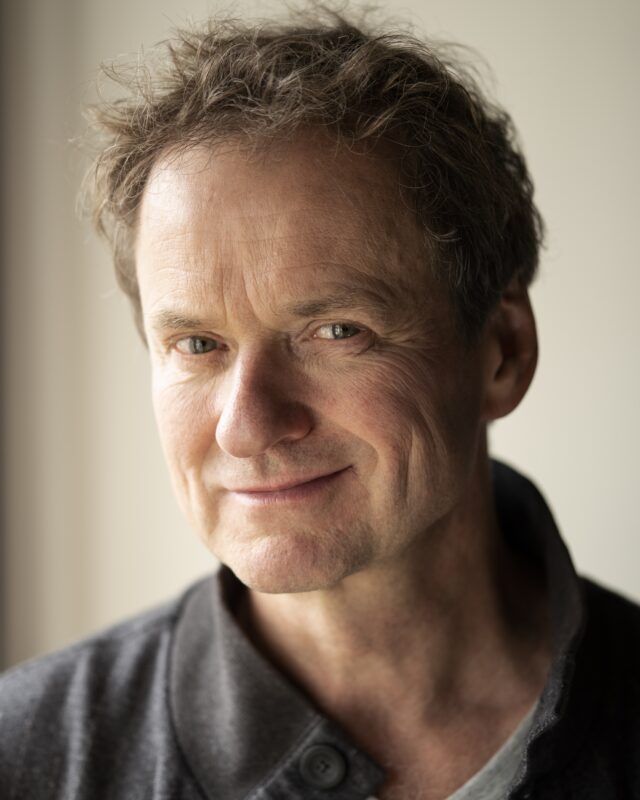
Frank Westerman

(Emmen, NL, 1964) studied tropical agricultural engineering and was a correspondent for the Volkskrant and NRC Handelsblad newspapers in Belgrade and Moskow. He wrote about his time there in 1994's De Brug over de Tara (The Bridge over the River Tara). Together with journalist Bart Rijs he wrote 1997's  Srebrenica, Het zwartste scenario (Srebrenica, the Blackest Scenario). Ingenieurs van de ziel (Engineers of the Soul) was published in 2002, an inquiry into the foundations of the Soviet system and the role of writers. De Graanrepubliek (The Grain Republic), about the struggle between rich gentlemen farmers and communist workers in Groningen, was published earlier. Westerman's novel El Negro en ik (El Negro and Me), inspired by a preserved South African in a Spanish museum, was published in 2004 and won the Gouden Uil prize. His revised and augmented 2015 edition of De Slag om Srebrenica (The Battle for Srebrenica) won the Prinsjes Book Prize for best political book. Een woord een woord (One Word One Word) appeared in 2016, in which he tests the strength of free speech under the pressure of terrorist threats. As a child, he experienced the Molukkan train hijacking at close quarters; as a correspondent, he witnessed Chechen terror in Russia. Drawing on these gripping experiences, he describes a series of hostage dramas. In Zeven dieren bijten terug (Seven Animals Bite Back), Frank Westerman encounters seven magnificent creatures in the wake of Willem Barentsz. Along the way, the reader becomes captivated by the wondrous tale of seven polar animals and what they have to tell us at our latitude.
20250218135334 1

Noraly Beyer

(Curacao, 1946), born to Surinamese parents, was an editor/newsreader on Dutch TV (1985-2009) and the Dutch World Service (1983-2008). She had roles in theatre productions such as Ajax, Hemel boven Berlijn (Sky Above Berlin), MedeaThe Vagina Monologues and De Afscheidsmonologen (The Farewell Monologues) as well as writing plays herself. In addition, she regularly hosts debates and writes columns. In 2009 she received the Cosmic Award for her advocacy for more diversity in Dutch media. A memoir of her youth in Curaçao, De Antillen en ik (The Antilles and Me), was chronicled by John Leerdam. In 2018 she played the role of storyteller in The Passion.
20110124151412

Discover

20 May 2026

Get your 2027 tickets!

Get your Early Bird tickets for the big festival nights, Friday & Saturday Night Unlimited!