How to be a Dictator in Africa

Writers David van Reybrouck, Helon Habila and Dinaw Mengestu take us with them in the spirit of of the once so optimistic leaders who, after the independence of their countries, turned into dictators one by one. Andrew Makkinga chairs the discussion. In English.

Information

Date and time Friday 20 January 2012 20:00 tot 20:55 uur
Location Theater aan het Spui - kleine zaal

Writers put themselves in the shoes of African dictators. They take us with them in the spirit of the once so optimistic leaders who, after the independence of their countries, turned into dictators one by one. In doing so these writers try to give an insight in the world they left behind, from Somalia to Nigeria, and from Sudan to Congo. In English.
David van Reybrouck replaces Mansoura Ez Eldin, who had to cancel for familiy reasons.
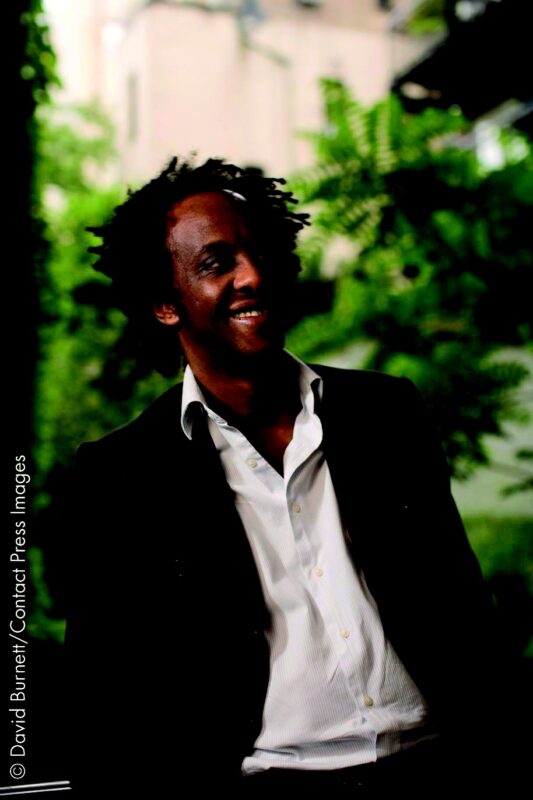
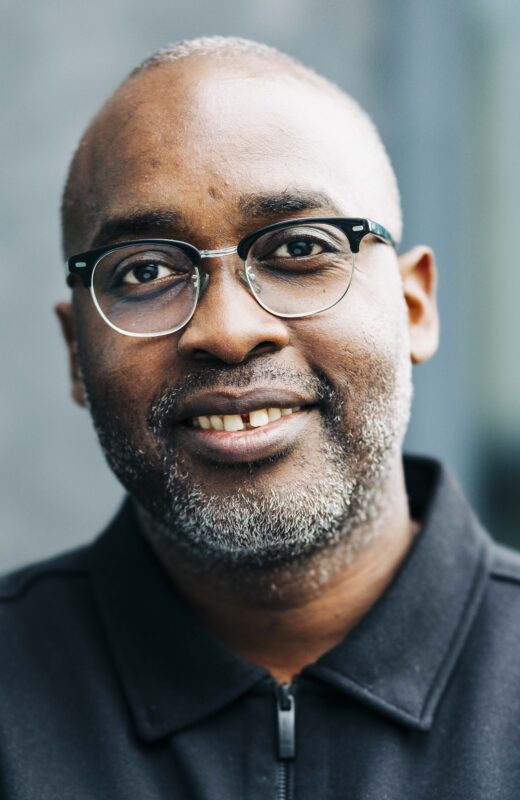
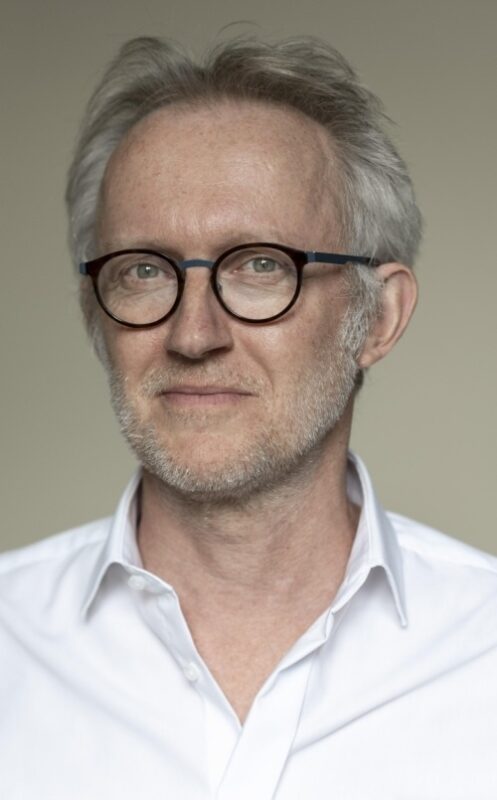
David Van Reybrouck

(Belgium, 1971) is an author, historian and archaeologist, known for his multifaceted contributions to literature and intellectual discourse. He is currently Philosopher Laureate of the Low Countries. Upon his appointment, he published De wereld en de aarde (The World and the Earth, 2025), in which he makes a groundbreaking proposal to radically broaden our thinking—and our politics. For the greatest security issue of our time is not the world with its mutual conflicts, but the earth, which is becoming increasingly disrupted. His oeuvre covers a range of genres, including historical non-fiction, poetry, and theater. Among his best-known works are Congo (2010), about the country's bewildering history, and Revolusi (2020), which places Indonesia's struggle for independence in a global perspective through eyewitness accounts. In addition to his literary work, Van Reybrouck is known as ‘one of Europe's leading intellectuals’ (Tagesspiegel), whose ideas relate to themes such as democracy, climate, and colonialism. He regularly publishes opinion pieces in international publications. 

Go to the website of David Van Reybrouck
Instagram: @david.vanreybrouck
20251015162805 1

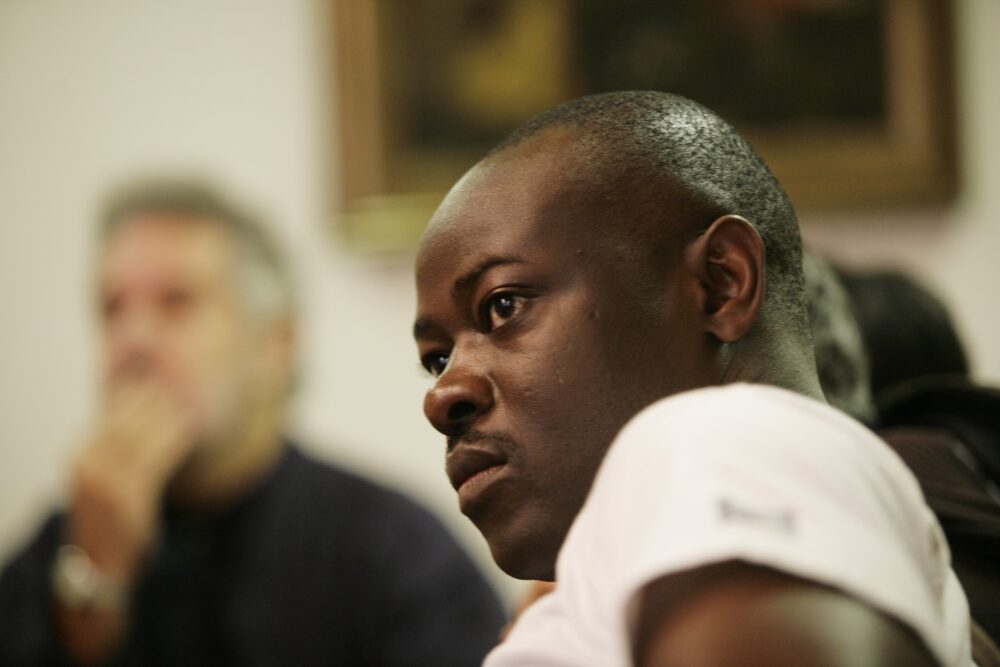
Dinaw Mengestu

(Ethiopia, 1978) is one of the most promising African-American writers of the moment. In his novels he scetches the problems of identity of African emigrants in the US. Mengestu, who fled his native Ethiopia with his parents in order to start a new life in the US, personally experiences how to have to go through life with an exotic name. His stories are populated with African emigrants trying to find their way in American society. Mengestu’s first novel, The Beautiful Things That Heaven Bears (2007), deals with an Ethiopian shopkeeper in a Washington slum who develops a close relationship with a white history teacher and her biracial daughter. His second book, How to Read the Air (2010), depicts a young man going in search of his African parents' roots. Mengestu also writes non-fiction for magazine like Rolling Stone, Harper’s and Granta. He was a Granta correspondent working from Congo, Uganda and Darfur. Mengestu has won various prizes, the Guardian First Book Award and the Los Angeles Times Book Prize, among others. He lives in Paris with his wife and his child.
20110913094236

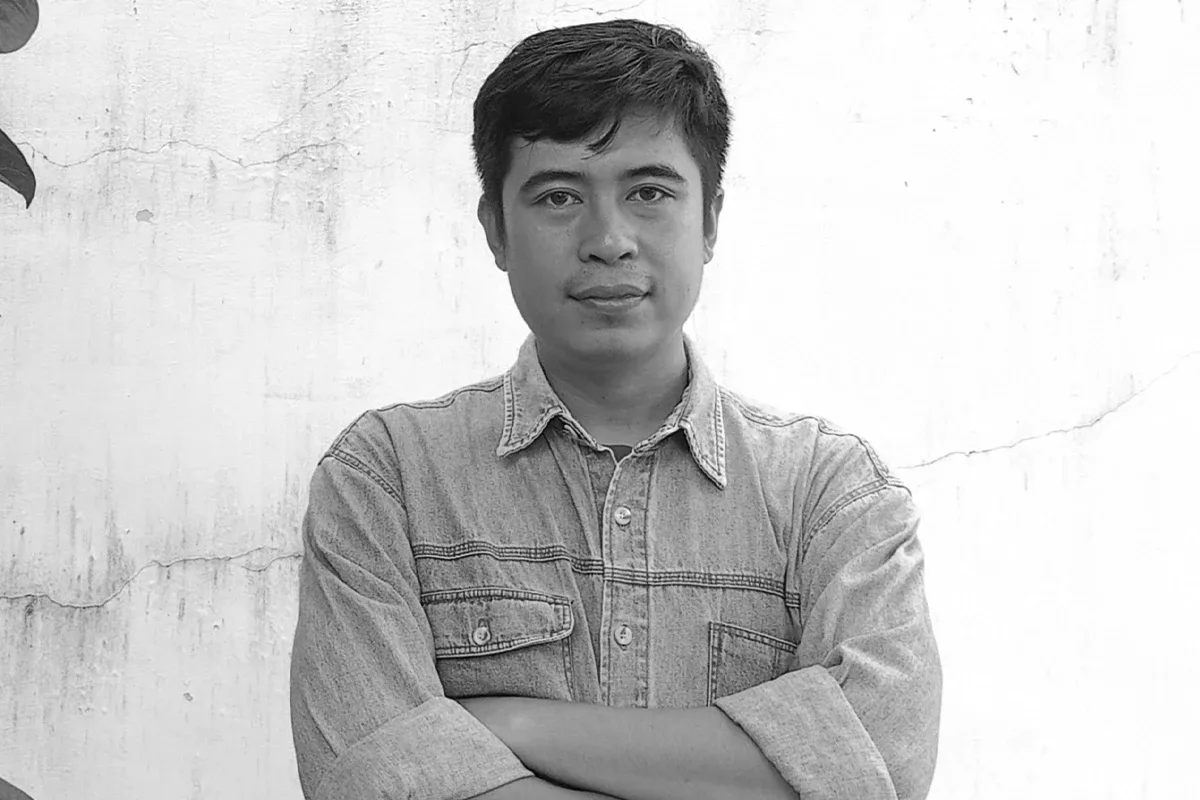
Andrew Makkinga

(Uganda, 1982) is since 2024 one of the three resident hosts of Kunststof, Dutch national public network NTR's culture and media programme, which is broadcast Monday to Thursday between 7 and 8 pm on NPO Radio 1. Andrew is no stranger to the Dutch media landscape: at 17, he was discovered as a talented debater in national Dutch debating competition Op weg naar het Lagerhuis (On the way to the Congress). After that, he soon ended up in radio. His interests and network extend from hip-hop, jazz and reggae to various types of classical music, literature, politics, theatre and visual arts. For years, he has been a regular at North Sea Jazz and many other (music) festivals; for his NPO Soul & Jazz-podcast series Makkinga Moves, he conducted countless interviews with artists.
20250115171557 2

Helon Habila

was born in Nigeria. He worked as a lecturer and journalist in Nigeria before he moved to England to become the African Writing Fellow at the University of East Anglia. In 2002 he published his first novel, Waiting for an Angel. His writing has won many prizes including the Caine Prize, 2001, and the Commonwealth Writers Prize, 2003. In 2005/2006 he became the Chinua Achebe Fellow at Bard College, New York.
In 2006 he co-edited the British Council's anthology, New Writing 14. His second novel, Measuring Time, was published in 2007, it won the Virginia Library Foundation Fiction Award, 2008. His third novel, Oil on Water, was published in the US in 2011. His anthology, The Granta Book of the African Short Story came out in September, 2011. Habila teaches Creative Writing at George Mason University in Fairfax, Virginia, where he lives with his wife and three children.
20060123154637

Discover

20 May 2026

Get your 2027 tickets!

Get your Early Bird tickets for the big festival nights, Friday & Saturday Night Unlimited!