I speak your language

A new generation of poets about their language and poetry. With Ronelda Kamfer, Alfred Schaffer and Hagar Peeters. Dutch/Afrikaans
20100126144147

Information

Date and time Friday 15 January 2010 23:05 tot 23:50 uur
Location Theater aan het Spui - kleine zaal

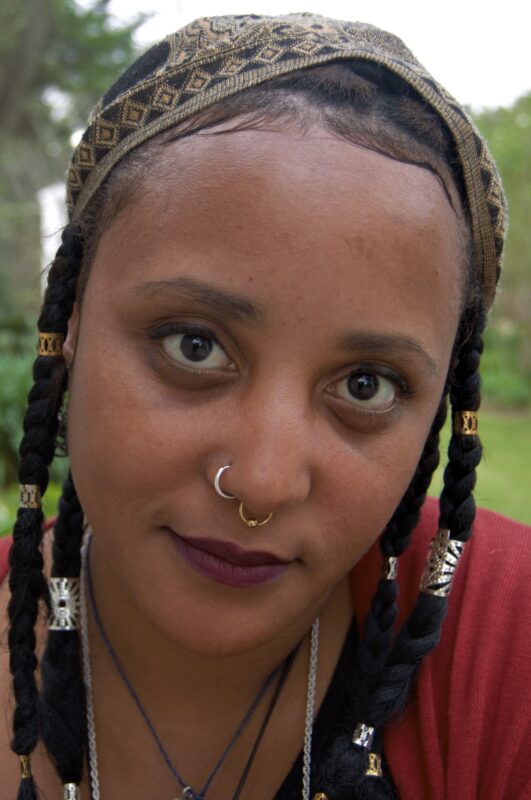
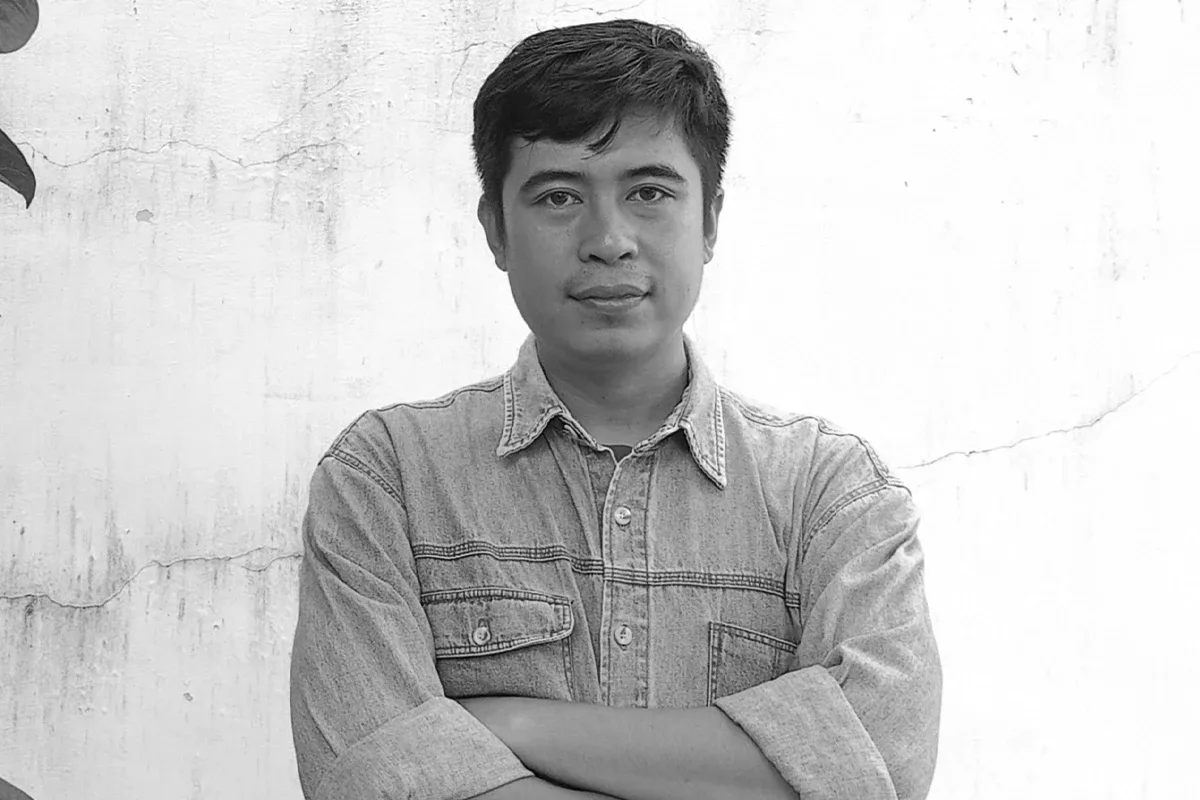
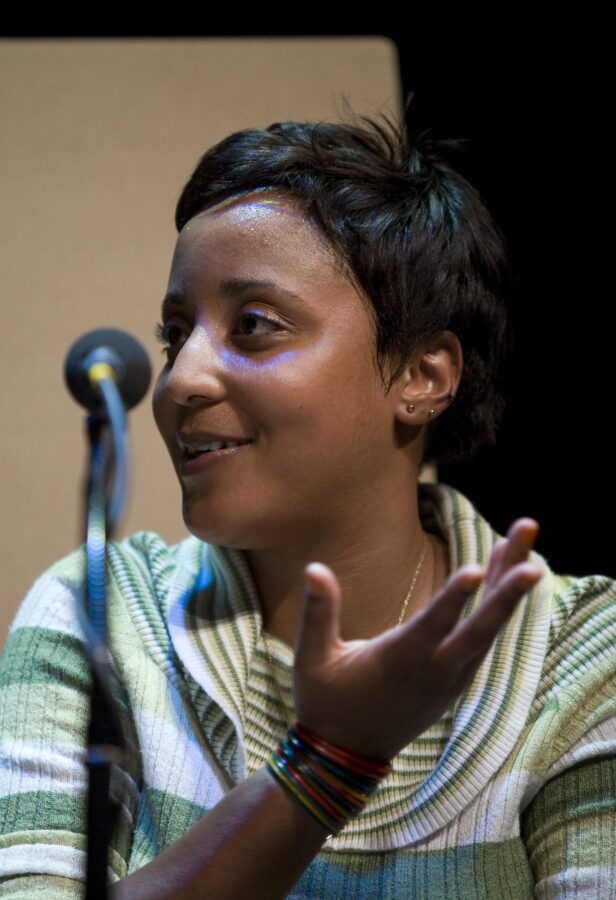
The new generation of poets Ronelda Kamfer (South Africa), Alfred Schaffer (Aruba/the Netherlands) and Hagar Peeters (the Netherlands) recite from their work and talk to Stephan Sanders about their language and poetry. Ronelda Kamfer writes in Afrikaans. Is that language in her country still symbolic of the language of the Apartheid regime? Is Afrikaans beyond guilt, or is there a job to do here for Afrikaans poets like her? Alfred Schaffer, the son of an Aruban mother and a father from Limburg, writes his poems in Dutch and lived in South Africa for a while. In her poetry Hagar Peeters explores modern specimens of suppression in the Netherlands. How do these three young poets look at the guilt or innocence of the language they write in? And how does that language relate to the reality they seek to capture in their poems?
Dutch/Afrikaans.
Alfred Schaffer

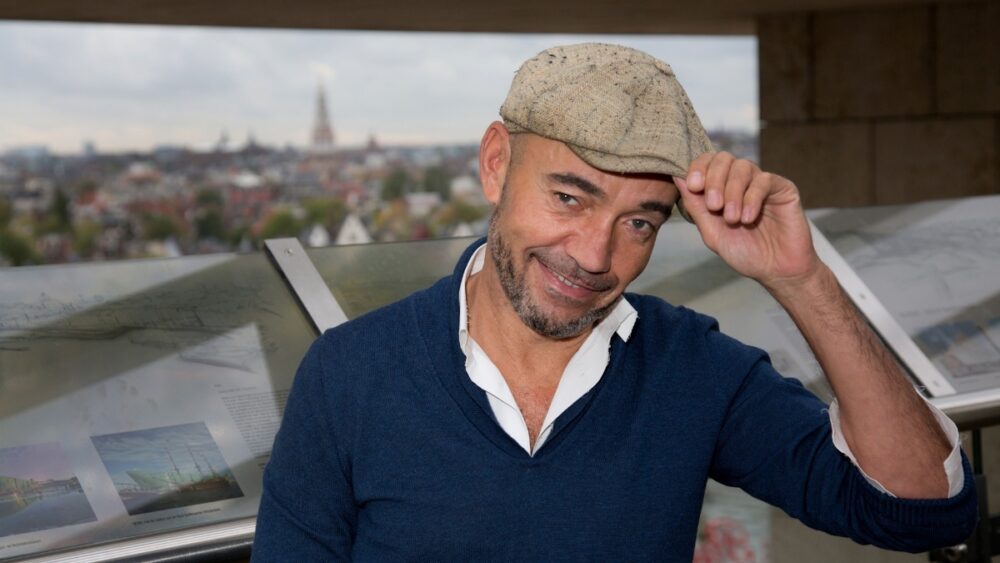
(Leidschendam, 1973) is a poet, translator and lecturer at the University of Stellenbosch, South Africa. He made his debut in 2000 with the poetry collection Zijn opkomst in de voorstad (His Rise in the Suburb). Over the years, his poetry collections were often awarded or nominated for several important prizes, and translations appeared in English, Afrikaans, French, Chinese, Indonesian, Swedish and other languages. For the collection Kooi he received the Jan Campert Prize and the Ida Gerhardt Poetry Prize in 2008. His work is sometimes humorous, sometimes matter-of-fact and at the same time full of absurd inventions. In 2014, he published his, again critically acclaimed collection Mens Dier Ding. In 2021, he published the personal collection Wie was ik?, for which he received the Herman De Coninck Prize. That same year, Alfred Schaffer was awarded the P.C. Hooft Prize, the largest annual oeuvre prize in Dutch literature.
20250116131023 1

Hagar Peeters

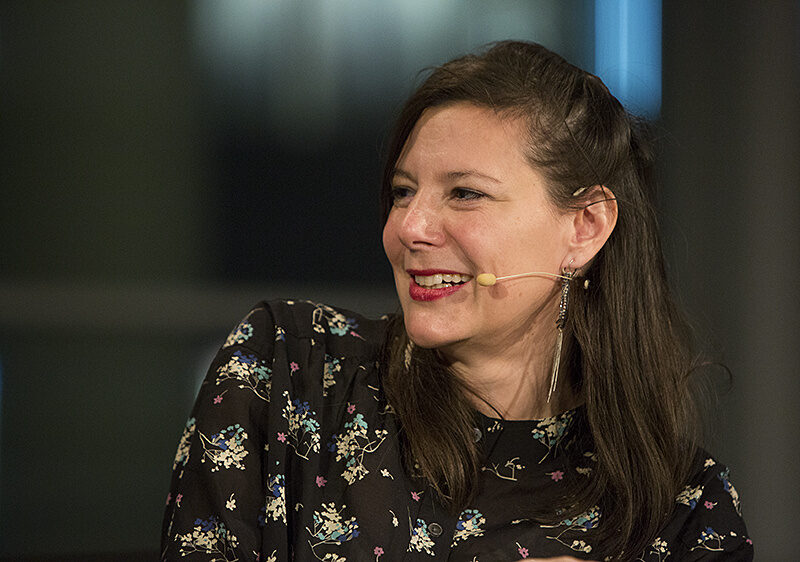
(Amsterdam, 1972) was already known as a poet-performer before a syllable letter of hers had been published. In 1997 she became well-known nationally through her performances at big literary festivals. Her debut Genoeg gedicht over de liefde vandaag (Done enough love poetry for today) followed only two years later and was nominated instantly for the NPS-Cultuurprijs. Her second collection of poems, Koffers Zeelucht (Trunks full of sea air; 2003) was awarded twice. By the end of 2008 Loper van Licht (Light walker) appeared. Peeters aspires to give poetry a bigger role in society. Early 2009 she participated in the election of Dutch Poet Laureate. Her new collection of poems Wasdom (Growth) was published in 2011. In 2016 her first novel was published, 'Malva'. It tells the story of the daughter of poet and Nobel Prize winner Pablo Neruda.
20161215215032 4

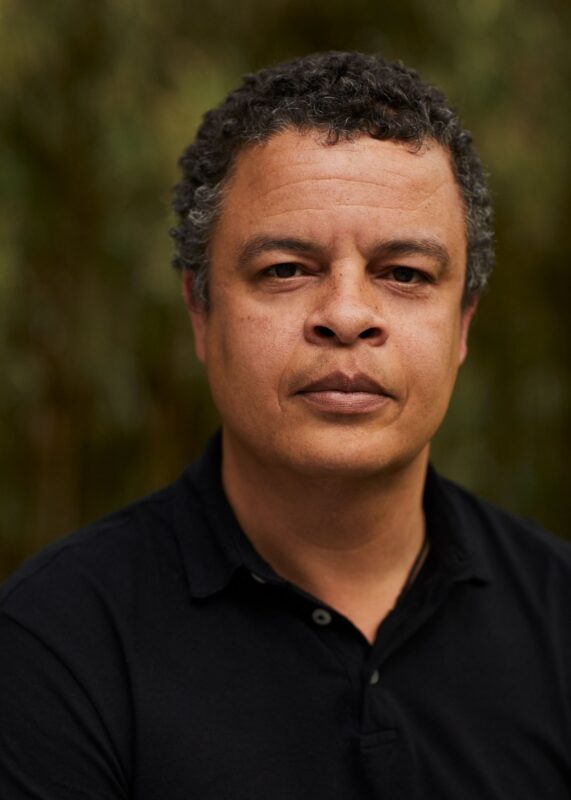
Stephan Sanders

(Haarlem, NL, 1961) is a columnist, presenter, essayist and writer. In 2015 he came out of the closet for the second time: he publicly acknowledged that he believes in god, even if this is "not done" in intellectual circles. Since mid-2016 he has been a regular columnist with the Volkskrant newspaper. In his 2007 book Zon, zee en oorlog (Sun, Sea and War) he describes experiences in places like Capetown, where he discovered that his biological father was South African. Sanders, who was adopted by Dutch foster parents, studied philosophy and political science and has written for various dailies and weeklies since 1982. He has published story and essay collections, novels, journalistic pieces, and the 2013 book Iets meer dan een seizoen (A Little More than One Season).
20160319220043 1

Ronelda S. Kamfer

(South Africa, 1981) is one of today's most important South African authors. She writes in Cape-Afrikaans, a spoken language containing English words and slang. Her work has been translated into Dutch, French, Greek, Italian and English. Her first poetry collection Noudat Slapende Honde (Now Then Sleeping Dogs, 2008) paints a sharp picture of poverty. Santekraam (2012) contains stories in verse about a fishing village that must make way for a military site. Mammie (2017) is a loving as well as raw ode to her mother. Chinatown (2021) is typically hard-hitting. Kamfer's poems, as controlled as they are intimate and darkly humourous, tackle violence, the position of women, love and parenthood. Her first novel, Kompoun, was published in 2021. She compiled Die maan is swart (The Moon is Black, 2022), a collection of poetry by Adam Small, and has translated two of Kirsty Applebaum's Princess Minna children's books into Afrikaans.
20211118142156 2

Discover

20 May 2026

Get your 2027 tickets!

Get your Early Bird tickets for the big festival nights, Friday & Saturday Night Unlimited!