Winternachten Lecture

20100117152112

The question seemed as simple as far-reaching: if you were to rewrite the rules of the Universal Declaration of Human Rights, from a South African perspective, would the result resemble the original? Or would something completely different emerge?

The South African writer Antjie Krog took up the gauntlet and presents the result at the annual Winternachten Lecture. In her lecture it is clear from the outset that in the new text the original rules of the declaration are not quite recognizable. Indeed, no rules have been included at all. Why? Because, according to Krog, the Third World never comes up with rules. Rules are something for the First World. The Third World comes forward with suggestions. Or it burns. Because the First World always listens to fire.

For Krog suggestions suffice. Her declaration has two titles: The Universal Declaration of Interconnectedness and Universal Suggestions for Tolerance. Her lecture ends in two fundamental questions on tolerance and intolerance. The Indian writer Tarun Tejpal and the Chinese writer Xue Xinran try to answer from the perspective of their countries of origin. Both Tejpal and Xinran not only write fiction, but as journalists they contribute to the public debate in their country.

Writer Fouad Laroui hosts the evening. The audience will be given the opportunity to react to both Krog and Xinran and Tejpal.
The lecture is in English. The Dutch translation is projected simultaneously. Visitors of the lecture will receive the full text in Dutch and English.

Information

Date and time Thursday 14 January 2010 from 20:00 to 22:00 hrs
Location Theater aan het Spui - grote zaal

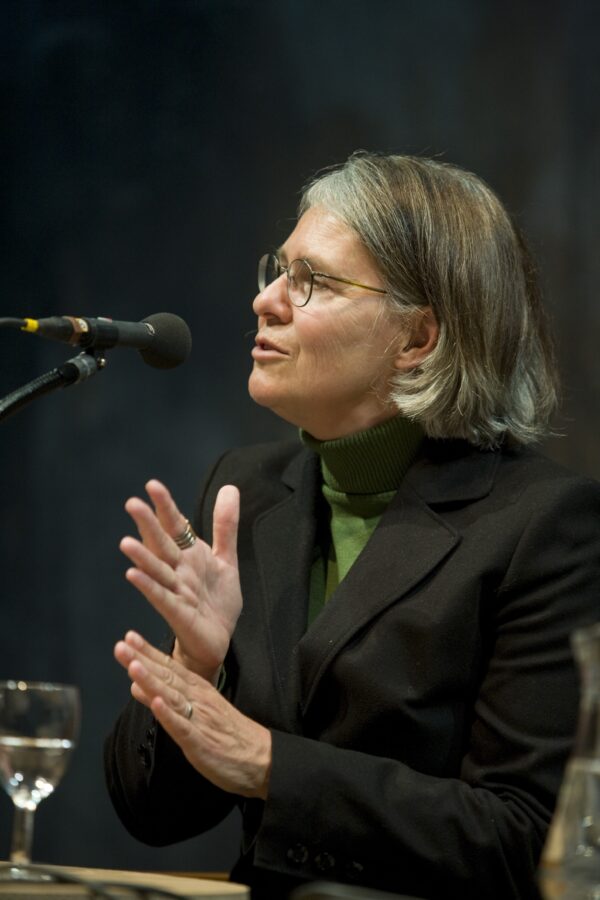
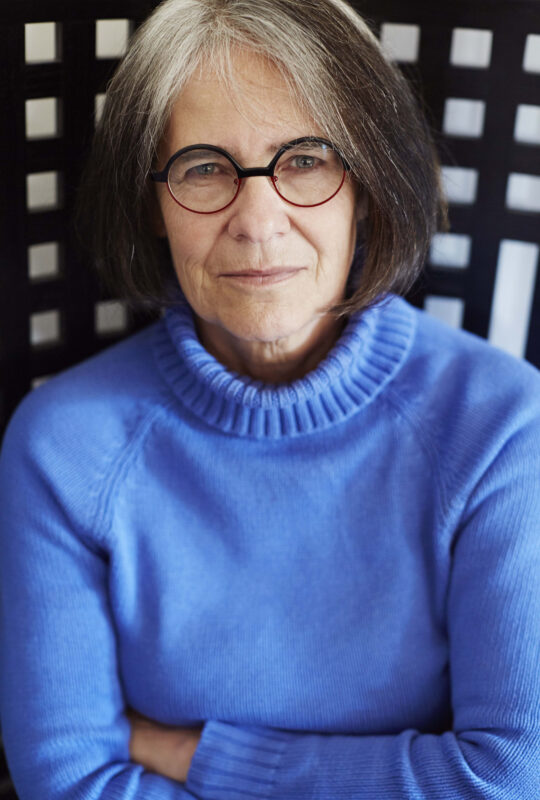
Antjie Krog

(South Africa, 1952) is a poet, writer, academic and a cherished reciter. Her book Country of My Skull (2000, adapted for film in 2004) is a personal account of the proceedings of the Truth and Reconciliation Commission. She published her autobiographical memoirs as A Change of Tongue (2003). Krog has won many prizes, including the Hertzog prize in South Africa and the 2018 Gouden Ganzenveer in the Netherlands. An anthology of her poetry was published in Dutch in 2010, titled Hoe zeg je dat (How Do You Say That), and Begging to be Black, the sequel to Country of My Skull and A Change of Tongue.
20190107121937 1

Fouad Laroui

(Morocco, 1958) in 2013 won  the Prix Goncourt de la Nouvelle for his collection of short stories The Curious Case of Dassoukine's Trousers. Since his debut in 1996 humor has been his weapon against intolerance, both in his novels and in his other work. In his fiction, such as the collection of short stories Poldermarokkanen (2010), the novels Une année chez les Français (2011) and La femme la plus riche de Yorkshire (2011), Laroui describes time and again the collision between North African culture and Western culture. Laroui grew up in Casablanca and studied econometry, mathematics, physics and architecture in Paris. He lectures French literature and Arab culture at the University of Amsterdam.
20181217095441 1

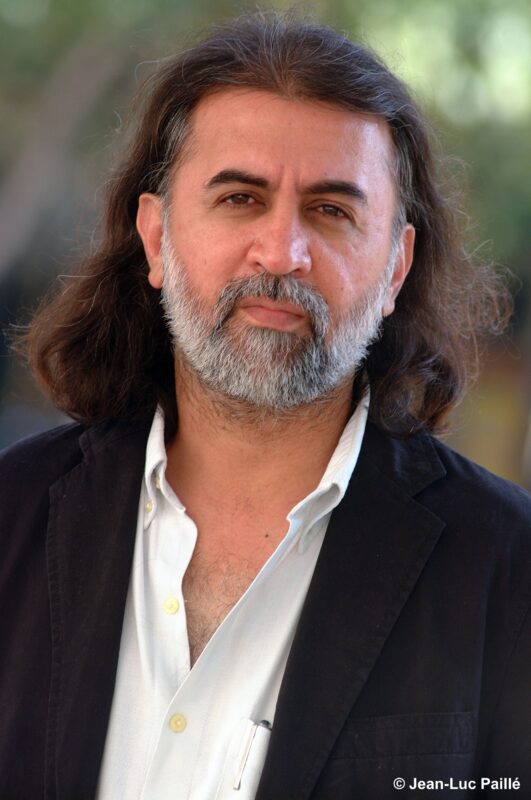
Tarun Tejpal

(India, 1963) in 2009 was elected by Business Week one of the fifty most influential men of India. He owes that to his pioneering work as an investigative journalist. In 2000 Tejpal started the webzine Tehelka which became the watchdog of Indian media. in 2001 Tehelka's inquiries led to the resignation of the Minister of Defence. Meanwhile Tehelka ('sensation' in Hindi) has developed into a leading weekly magazine-cum-news site with a staff of more than 100. In his spare time Tejpal found time to write two novels: The Alchemy of Desire (2005), and The Story of my Assassins (2009). Both novels portray the complexities of Indian society, but in his debut passion and a longing for love play a central role. V.S. Naipaul called Tejpal's debut ‘brilliant’.
20091015133935

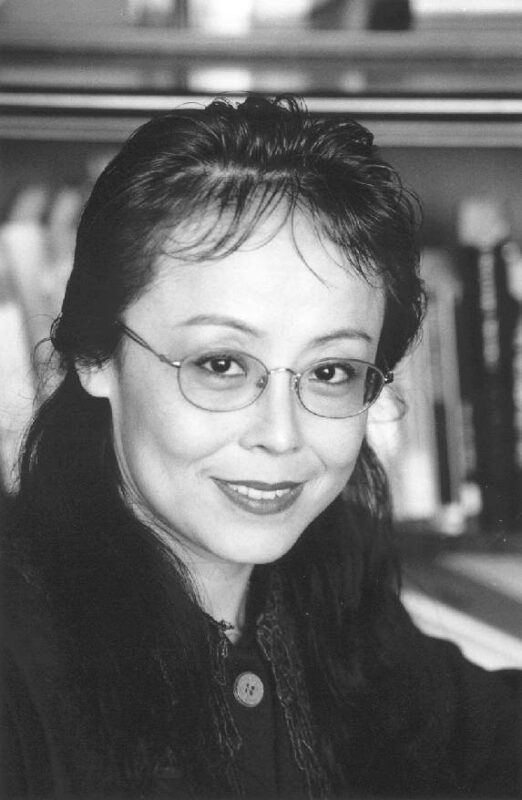
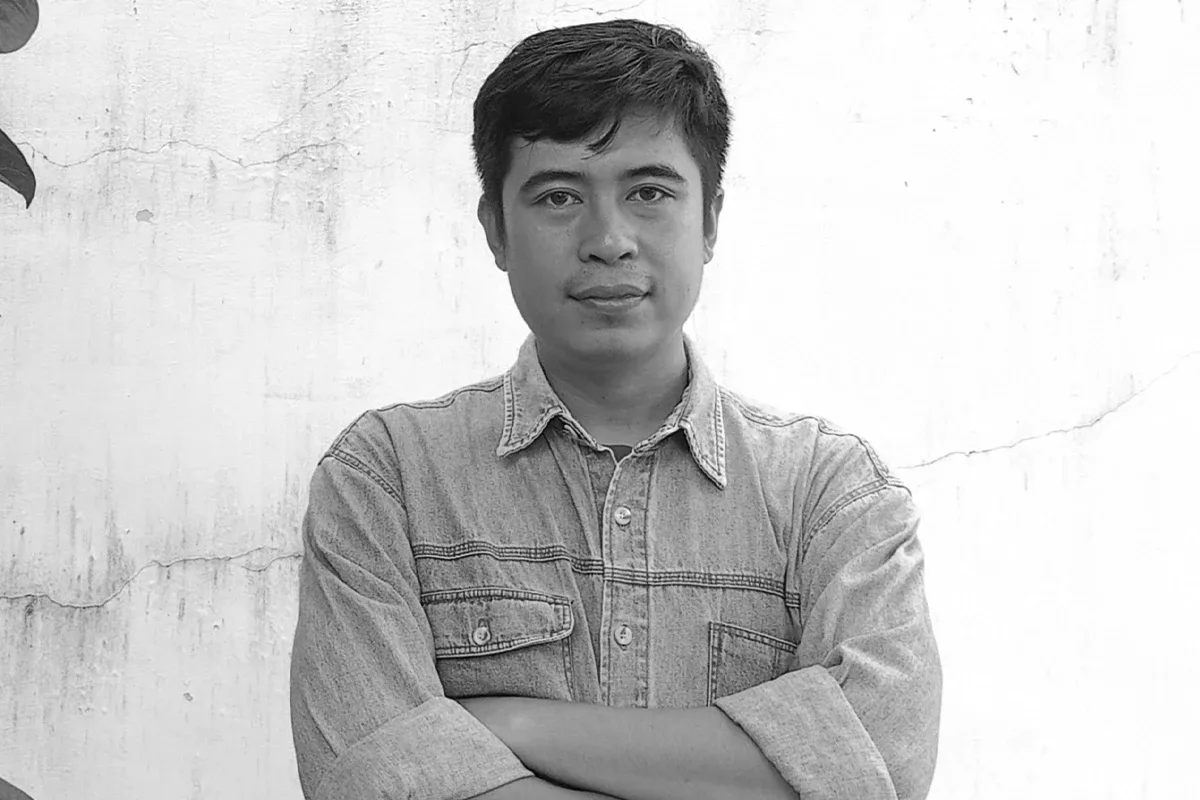
Xue Xinran

(Beijing, 1958) was one of the most successful journalists in China before leaving for London in 1997 where she wrote her first book. The Good Women of China (2003) is a bestseller, which has been translated in over thirty languages. The stories in this book are based on thousands of interviews which she wrote from 1989-1997 as a radio journalist. Since 2003 Xinran has also written columns for the Guardian. A number of these were collected and appeared in 2006 entitled What the Chinese Don’t Eat. In it she deals with a great number of intercultural themes, from the experiences of British mothers with Chinese foster children to the question whether the Chinese are allowed to do Christmas shopping. Xinran's first novel, Miss Chopsticks (2007), is about Chinese country girls going to town to earn a living. Xinran advises the British media regularly on their relationships with China and is a welcome guest in British talk shows.
20091130160353

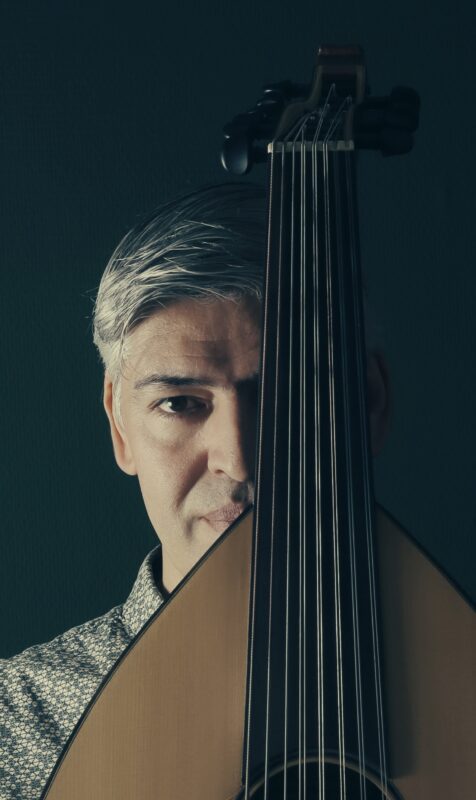
Mehmet Polat

(Turkey, 1981) is a master ud player, composer, soloist and ensemble leader from his Mehmet Polat Quartet. He performs internationally from Africa to India, Persia to the Balkans, Contemporary to Jazz, and has been combining various musical genres with his Alevi Spiritual, Anatolian Folk and Ottoman classical music background. Through his improvisations, compositions and his own take on a variety of musical styles, Mehmet is constantly searching for new musical paths and inspiration. After many years of research, he invented his own technique to advance beyond the limitations of his traditional instrument. With this new left hand technique, he can play more advanced and modern pieces. He has also designed an ud with two extra bass strings to broaden the range and function of his instrument.
20241021120732 2

Alexander Rinnooy Kan

Discover

20 May 2026

Get your 2027 tickets!

Get your Early Bird tickets for the big festival nights, Friday & Saturday Night Unlimited!