Reading the Bible with Sedlacek
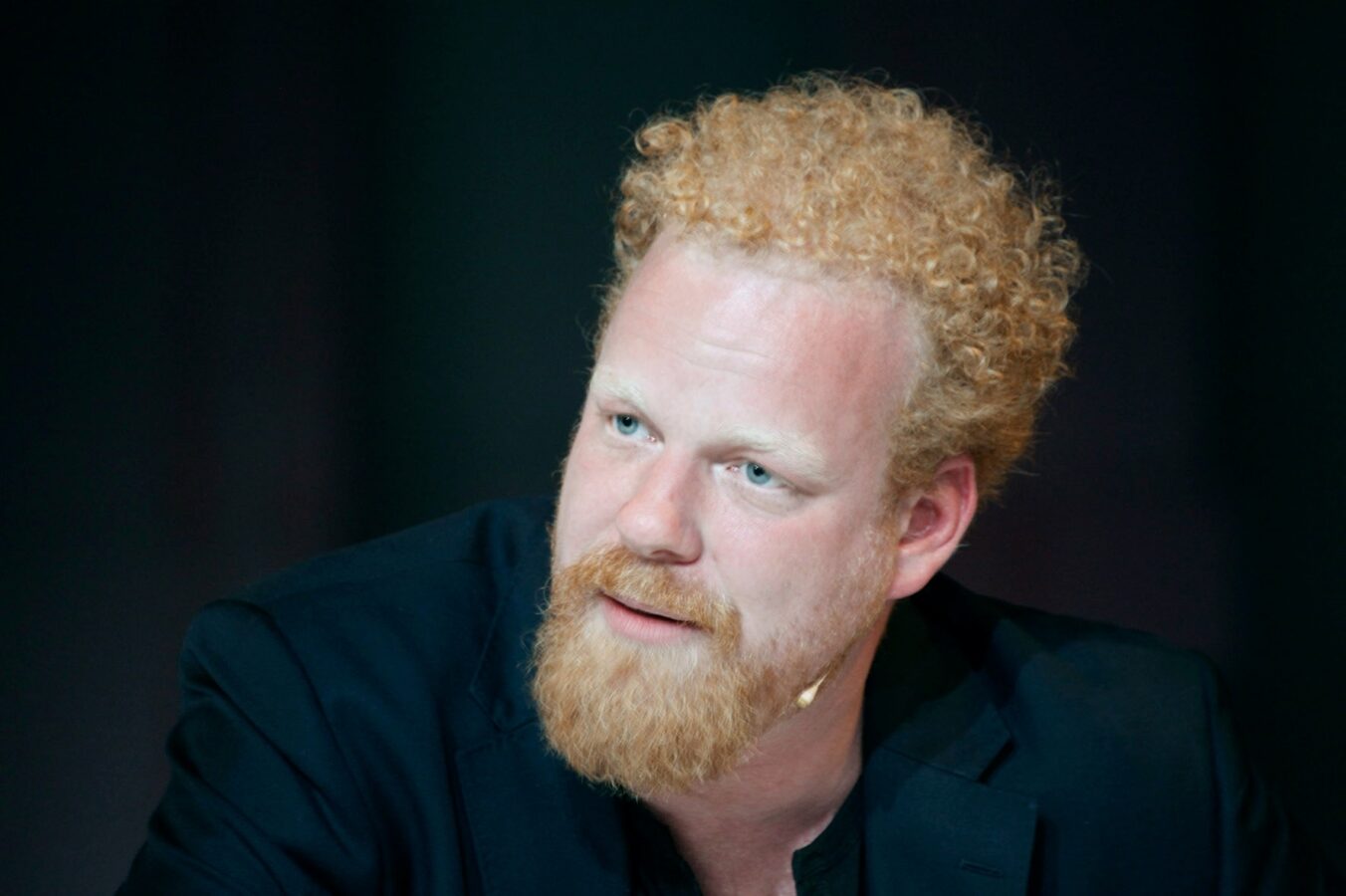
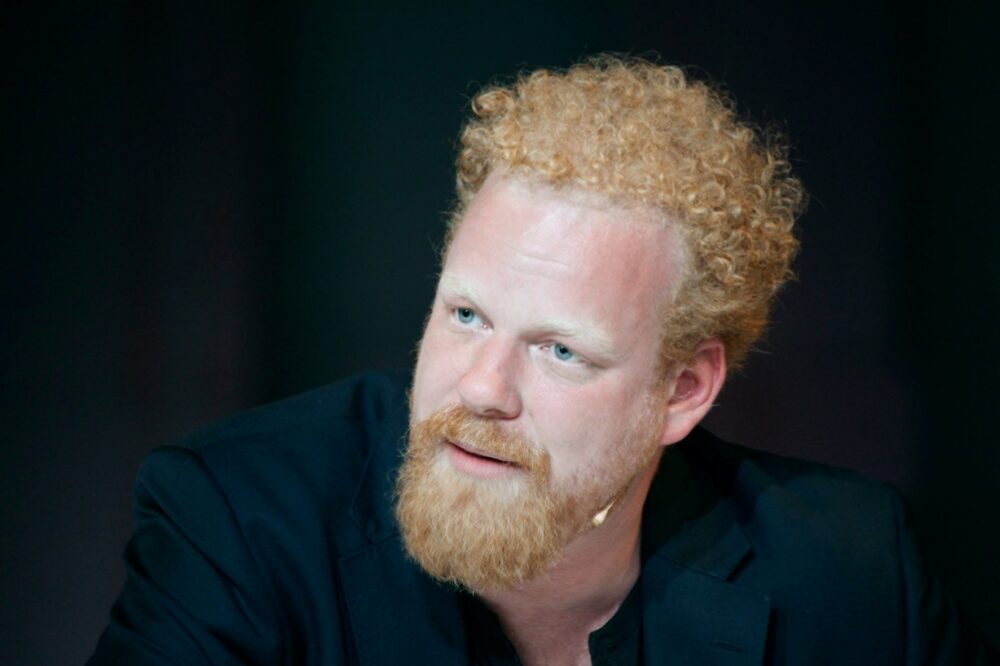
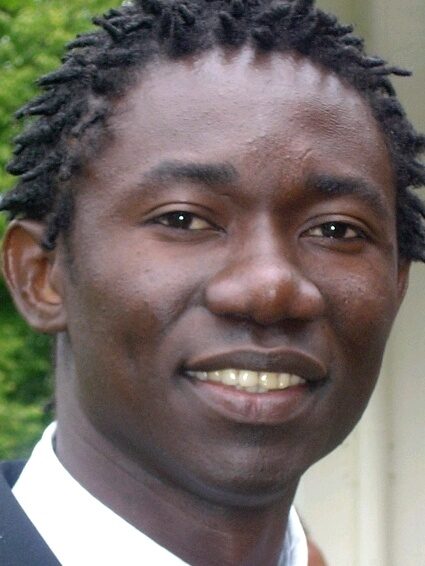
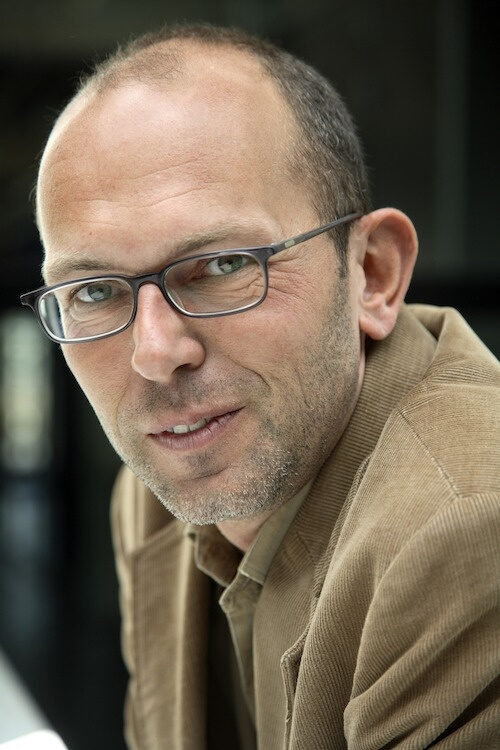
Reading the Bible with Sedlacek promises to be a highly inspiring experience: a meeting plus lecture plus dialogue with the world-famous macro-economist Tomas Sedlacek about the extremely fascinating relationship between the economy and Bible stories. With the audience he will discuss Genesis chapters 2 and 3, Job chapter 1 and Luke chapter 15. To prepare yourself for the discussion, you can download them as pdf here. The programme is in English. Babah Tarawally, writer and columnist, reads the Bible stories selected by Sedlacek. Stevo Akkerman, writer and journalist for Trouw daily newspaper, will introduce Tomas Sedlacek.
In an interview published in Trouw newspaper in early 2016, Sedlacek said the following about economy and faith: "Something must have gone wrong with creation, because even though Adam had a relationship with God, he felt lonely. He needed a helper. Thus there were already cracks in the creation process - which has enormous theological implications."
But is this also related to the economy?
"Yes, because the conclusion is this: even if one places a person in an ideal setting, he will still not be happy. We carry within us an existential feeling of imperfection, which explains our urge to consume - it is meant to fill the void. This feeling of imperfection is independent of the political and economic system in which we live (...) A belief in the idea that people can be defined by numbers, that the meaning of life is the satisfaction of needs and the meaning of business is maximizing profit - these are irrefutably moral notions. And together they form a new religion."
Tomas Sedlacek is known for his clear, associative and sparkling ideas. He convincingly combines economic phenomena with, for example, religious insights, myths and philosophy.
Sedlacek (Czech Republic, 1977) enjoys a kind of pop-star status since his 2009 book The Economy of Good and Evil became an international best-seller. In it, he argues that the economy cannot be summed up in mathematical formulae but emerges from our culture. To understand the economy, his arguments draws on myths, religion, theology, philosophy, psychology, literature and film. In a nutshell, the economy is about good and evil. "Brilliantly written," commented Samuel Brittan of the Financial Times. "You just keep on reading."
Information
| Date and time | Saturday 21 January 2017 from 14:00 to 15:15 hrs |
|---|---|
| Location | Theater aan het Spui - Zaal 1 |
Line-up
Discover

21 October 2026
Week van het Nederlands! Maud & Roan brengen taal in beweging
Een unieke dubbelvoorstelling van Maud Vanhauwaert en Roan Kasanmonadi tijdens de Week van het Nederlands (
13 October 2026
Week van het Nederlands! Maud & Roan brengen taal in beweging
Een unieke dubbelvoorstelling van Maud Vanhauwaert en Roan Kasanmonadi tijdens de Week van het Nederlands (

6 October 2026
Week van het Nederlands! Maud & Roan brengen taal in beweging
Een unieke dubbelvoorstelling van Maud Vanhauwaert en Roan Kasanmonadi tijdens de Week van het Nederlands (