The Future of the Arab Novel

20050302201628

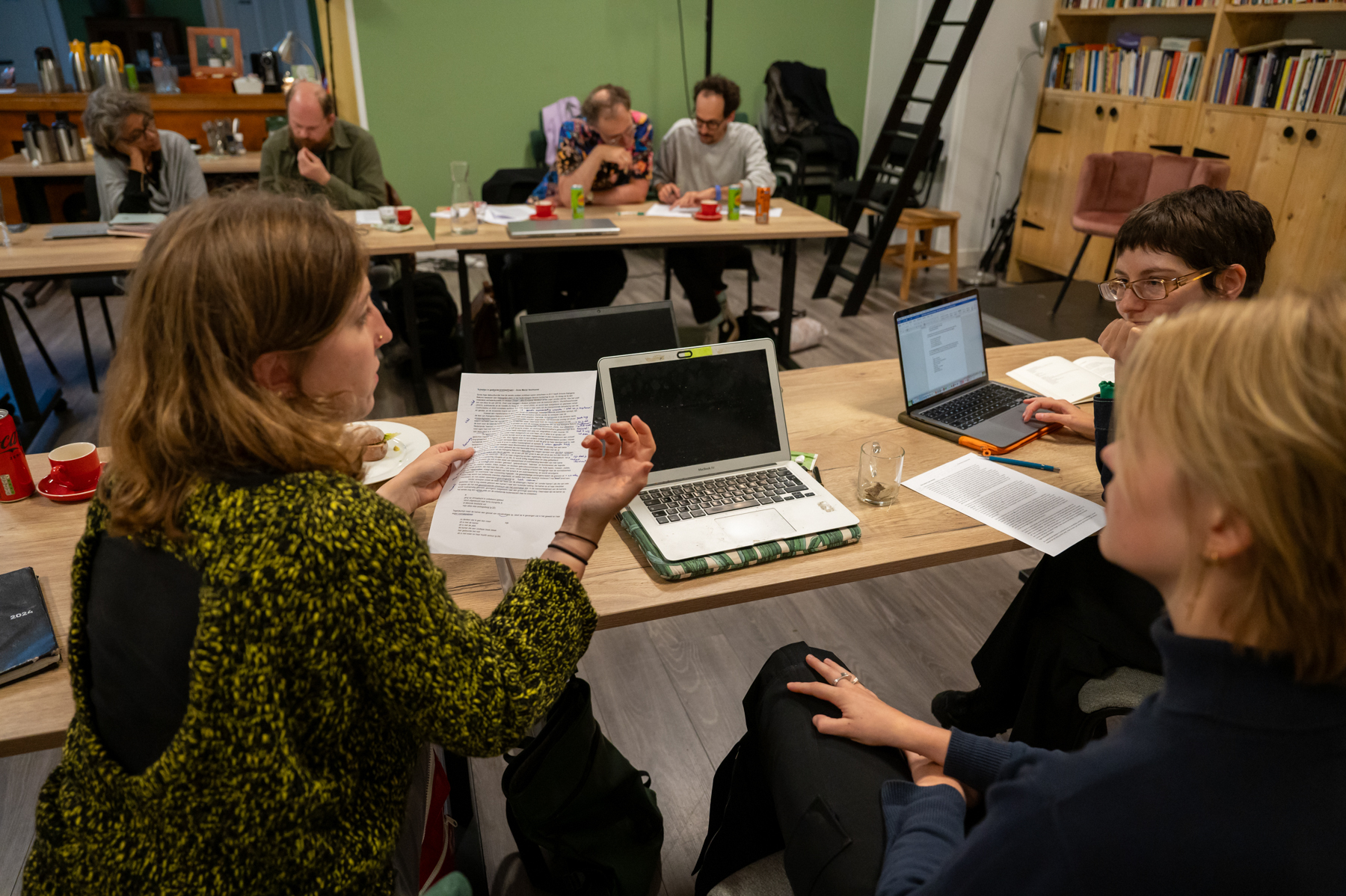
Four Arabian writers discussed the future of the Arabic novel. Tayeb Salih (London, moderator), May Telmissany (Cairo), Fouad Laroui (Amsterdam) and Hanaan as-Sjaikh (London) discussed subjects like globalisation and the Arabic novel in postmodern times. The discussion was in Arabic. The non-Arabic audience could hear a simultaneious translation into Dutch via headphones.

Information

Date and time Sunday 13 February 2000 from 14:00 to 16:30 hrs
Location Theater aan het Spui

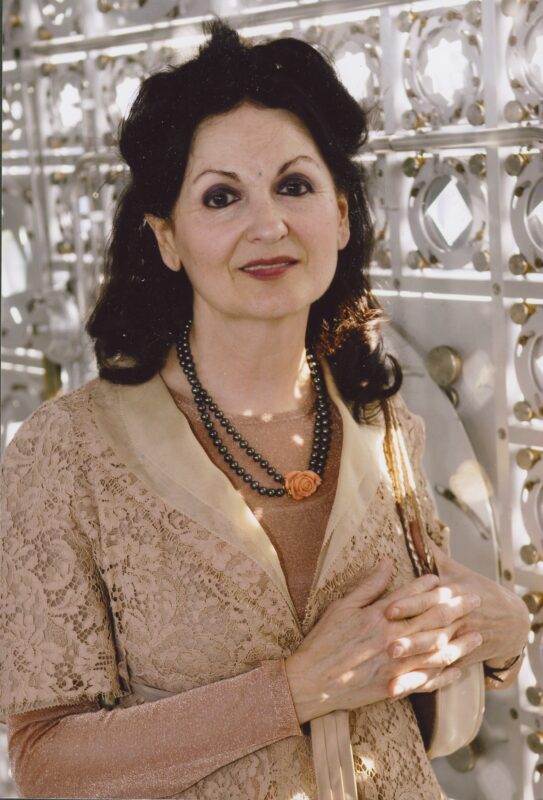
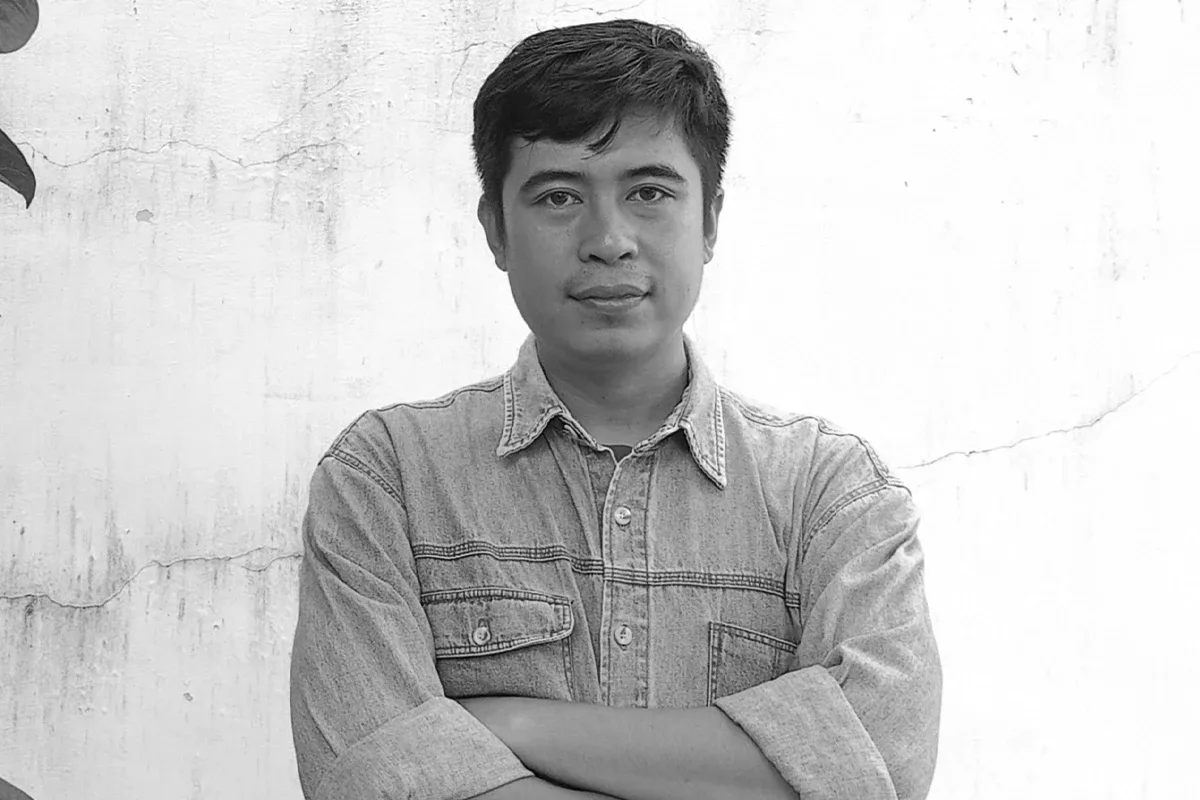
Fouad Laroui

(Morocco, 1958) in 2013 won  the Prix Goncourt de la Nouvelle for his collection of short stories The Curious Case of Dassoukine's Trousers. Since his debut in 1996 humor has been his weapon against intolerance, both in his novels and in his other work. In his fiction, such as the collection of short stories Poldermarokkanen (2010), the novels Une année chez les Français (2011) and La femme la plus riche de Yorkshire (2011), Laroui describes time and again the collision between North African culture and Western culture. Laroui grew up in Casablanca and studied econometry, mathematics, physics and architecture in Paris. He lectures French literature and Arab culture at the University of Amsterdam.
20181217095441 1

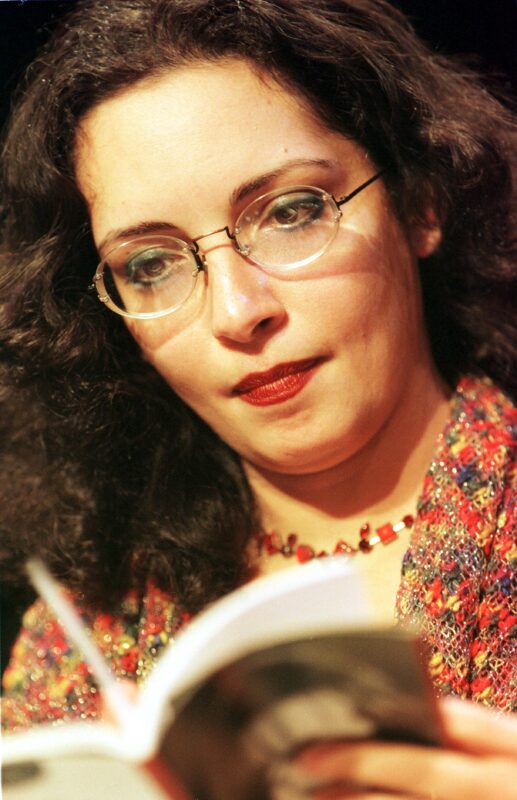
Hanaan as-Sjaikh

(Lebanon, 1945) is one of the most acclaimed writers in the contemporary Arab World. She is the author of seven novels, including The Story of Zahra, Women of Sand & Myrrh, Beirut Blues, Only in London, a collection of stories: I Sweep the Sun off Rooftops, and her much praised memoir of her mother’s life The Locust and the Bird. She has written two plays, Dark Afternoon Tea and Paper Husband. Most recently she published One Thousand and One Nights, an adaptation and re-imagining of some of the stories from the legendary Alf Layla Wa Layla - the Arabian Nights, commissioned by the director Tim Supple for the theatre, and performed in Toronto and Edinburgh in 2011. Her work has been translated into twenty-eight languages. Hanan al-Shaykh lives in London.
20121002172903

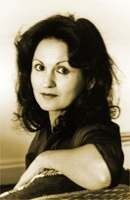
May Telmissany

is an Egyptian-Canadian author and academic. She was born in Cairo in 1965 and studied French literature at Ain Shams University. She worked for several years in the French Service of Radio Cairo and in the arts faculty at Menoufia University. She also lived for a time in Paris. In 1995, she obtained a Masters in French literature from Cairo University. She moved to Canada in 1998 for her doctoral studies, eventually completing her PhD in 2001 from the University of Montreal under a CIDA scholarship. She has since taught at the universities of Montréal, Concordia and McGill. Her first novel Dunyazad (1997) was critically acclaimed and translated into French, English, Spanish and German. Dunyazad won the 2002 Ulysses Prize for best first novel in France and the 2002 State Prize for best autobiographical novel in Egypt. Her second novel Heliopolis came out in 2001. Telmissany has also written on a wide range of scholarly interests, e.g. essays, articles and book chapters on cinema, photography, literature and Cairo culture. Along with Robert Solé and Mercédès Volait, she has co-edited a book of memoirs on the Cairo suburb of Heliopolis. Her doctoral dissertation on the concept of neighbourhoods in Egyptian cinema has been translated into Arabic and published in Cairo. She has also done extensive translations from French and English to Arabic.
20050302191146

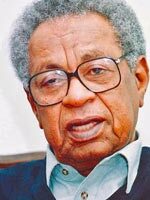
Tayeb Salih

Tayeb Salih was born in 1929 in rural Karmakol, in northern Sudan. He studied at the University of Khartoum. Like the narrator of Season of Migration to the North, Salih worked as a teacher in Sudan, before working for the BBC Arabic Service. He then worked in a variety of diplomatic positions, including as the director general of the Ministry of Information in Doha, Qatar, and as representative to the Gulf States for the United Nations Educational, Scientific, and Cultural Organization (UNESCO). After years of success as a diplomat and education advocate, Salih published Season of Migration to the North in 1969. The novel won immediate accolades from critics worldwide, and it remains his most famous book, alongside the novella The Wedding of Zein. Despite this critical acclaim, most of Salih's work remains untranslated. His collected works, which include political essays, travel writing, and book reviews, are popular and widely available in Arabic. Even so, Salih remained a controversial figure into his old age, publishing an essay in 1990 that was sharply critical of the Islamist regime in charge of Sudan at the time. He died in 2009.
20130321144936 1

Discover

20 May 2026

Get your 2027 tickets!

Get your Early Bird tickets for the big festival nights, Friday & Saturday Night Unlimited!