Wintercafe 2: VPRO De Avonden Live

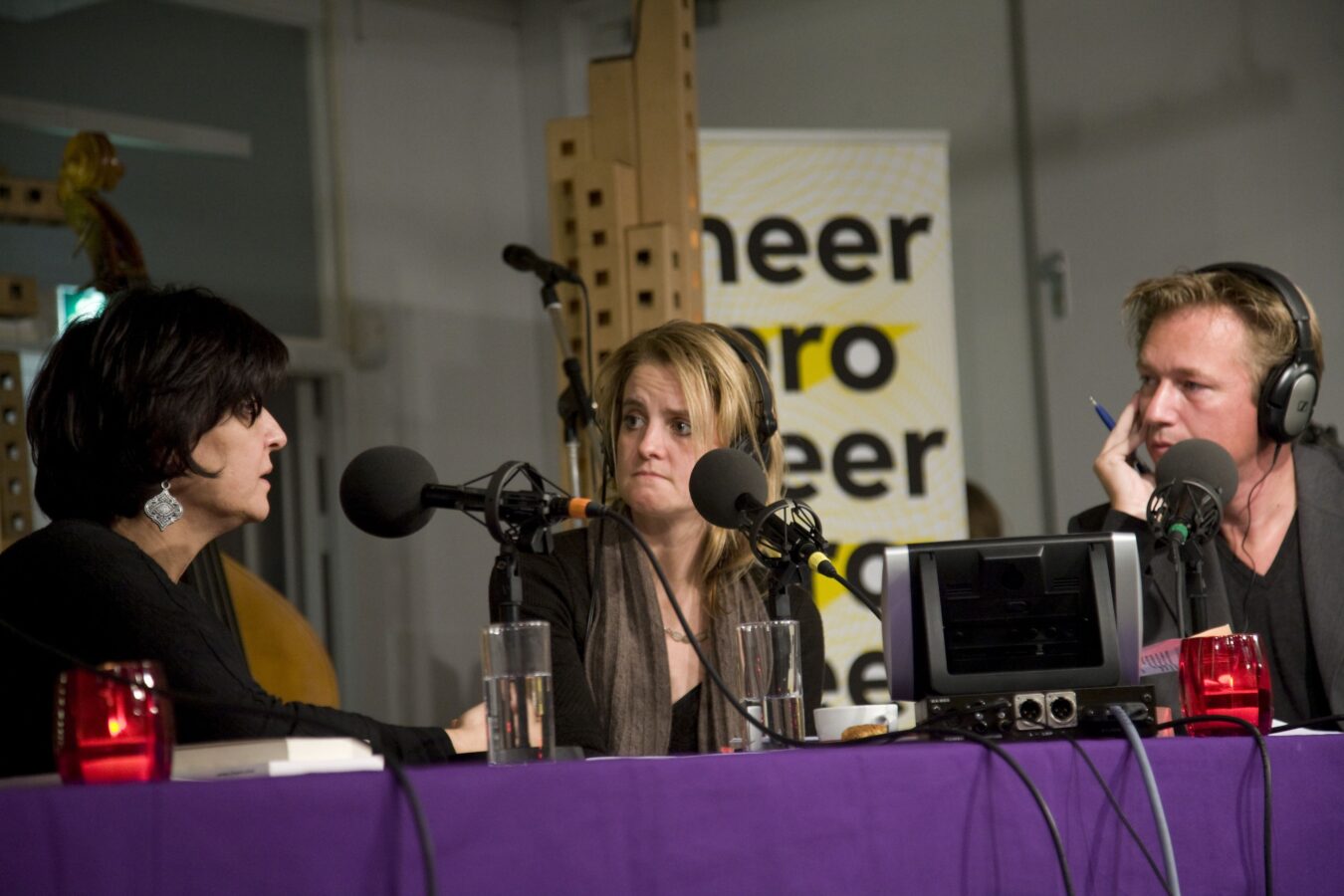
VPRO's De Avonden looks for literary means of becoming a better and happier ‘Mensch’ With Rodaan al Galidi, Thomas Möhlmann, Iman Humaydan and Abeer Soliman. Singer songwriter Lotte van Dijck, together with Peter Akkerman, takes the audience right through performances to her musical Utopia. Hosts: Jeroen van Kan and Catherine van Campen. In Dutch and English.
20110124134043

Information

Date and time Friday 21 January 2011 21:05 tot 22:00 uur
Location Filmhuis - zaal 7

Can literature help is in imagining new possibilities of becoming a better and happier ‘Mensch’ In VPRO’s De Avonden poets, musicians and writers offer the audience a glimpse of ther own Utopia. With readings by Rodaan al Galidi and Thomas Möhlmann. The writer Iman Humaydan tells of how against the backdrop of violence, one can hold on to the belief in a better world by going deeply in people's small stories. In her narrator's performance Abeer Soliman imagines the stories of those small people. Singer songwriter Lotte van Dijck, together with Peter Akkerman, takes the audience right through performances to her own musical Utopia. Hosts: Jeroen van Kan and Catherine van Campen. Broadcast live by VPRO Radio 6. In Dutch and English.

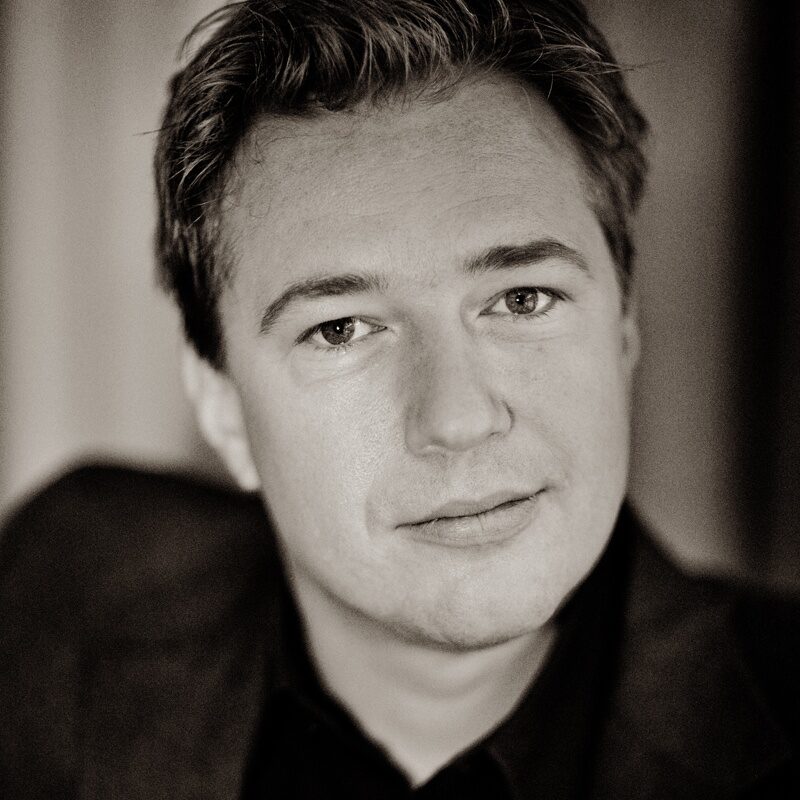
Jeroen van Kan

(Hoorn, 1968) is a journalist who started his career at local radio station Amsterdam FM; after that he became editor of De Digitale Stad, hosted AT5's newshow and talkshows. Then he returned to making radio: first at BNR Nieuwsradio and afterwards at VPRO's programme De Avonden which he presented every Monday and Friday. Since 2015 Van Kan is radio news show host at national public broadcaster NOS; he also can be heard as voice over during TV news shows. Spring 2016, he hosted literary TV programme Boeken. Next to this, Van Kan is active as editor of literary magazines. Until 2007 he was part of the editorial board of De Tweede Ronde. Afterwards he moved to literary magazine Tirade. Together with Wim Brands he is co-editor of Nederland. Een objectief zelfportret in 51 voorwerpen (The Netherlands. An objective autoportrait in 51 objects), a collection of texts about typically Dutch objects by the same number of writers.
20101005120917

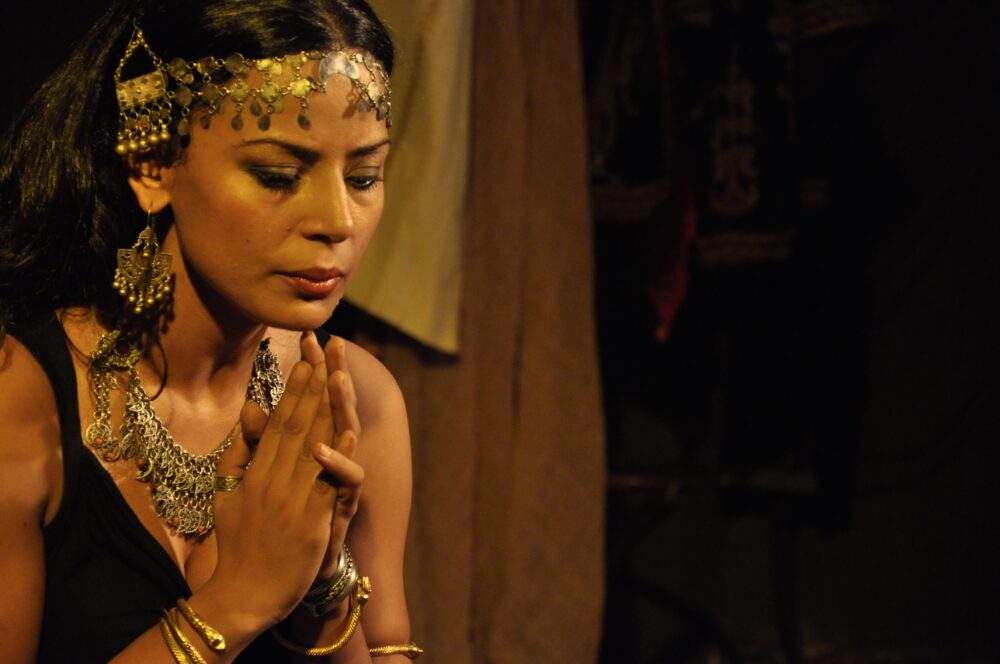
Abeer Soliman

(Egypt, 1977) made her debut in 2010 with Diary of an Old Spinster, which was such a success that it was sold out very soon. In the book – based on the blog of the same name that she wrote – Soliman tells how it is to live as a single woman in Egypt. ‘It is the diary of a liberated woman, seen from the perspective of my generation,’ she says in the introduction. Her aim is primarily to open the eyes of her countrymen, who often condemn single women in word and deed. Elderly single women without children often face problems in Egyptian society. According to official figures, in 2009 2,700 Egyptian women committed suicide because they couldn’t cope any longer. In addition to being a writer Abeer Soliman is a columnist with the newspaper Baladna and a business development manager. Moreover, she is working as a literary agent for Noon Organisation.
20101203125035

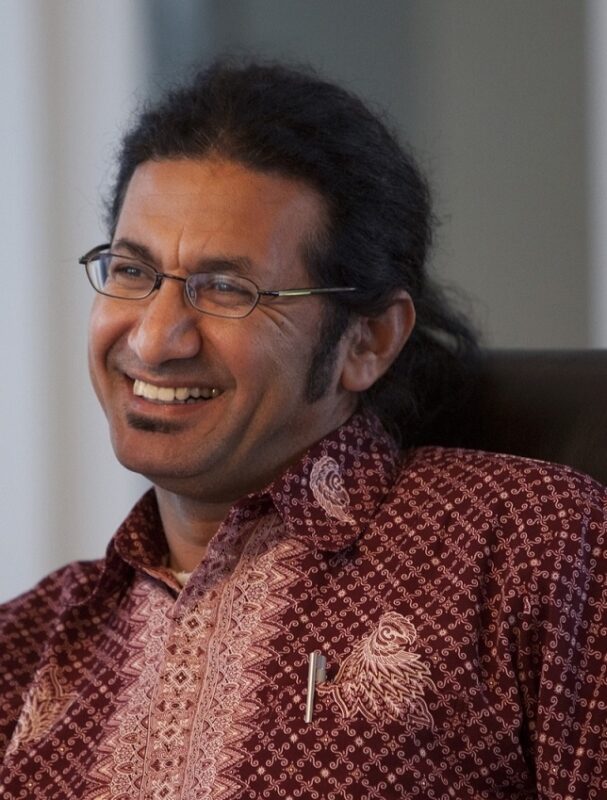
Rodaan Al Galidi

(Iraq, 1971) fled his country in 1998 after completing architecture studies, was given asylum in the Netherlands and settled there legally in 2007. Since then he has published poetry, novels and collections of his columns. He received the 2000 El Hizjra literature award and the 2011 Literature Prize of the European Union. In 2013 he published Liever niet, antwoordt de liefde (Maybe Not, Was Love's Reply), an anthology of refreshing love poetry. His novel Hoe ik talent voor het leven kreeg (Two Blankets, Three Sheets) tells of his experiences as an asylum seeker in the Netherlands. Al Galidi published the short story collection Duizend-en-een-nachtmerries (A Thousand and One Nightmares) in 2017 and a poem collection Neem de titel serieus (Take the title seriously) in 2018.
20131029162754 1

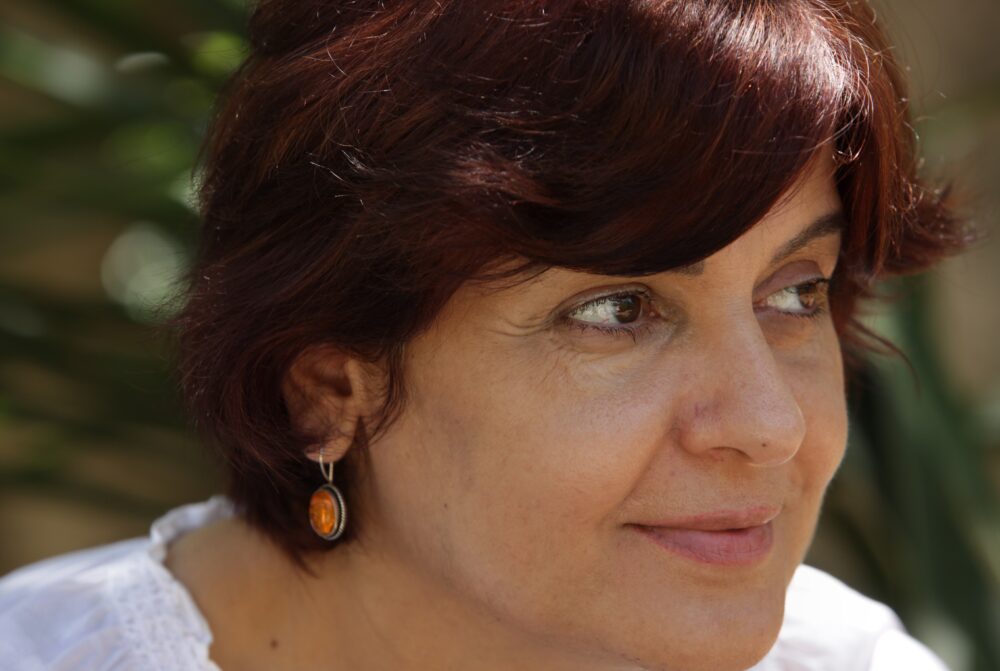
Iman Humaydan

(Libanon, 1956) broke through internationally in 2004 with her debut novel B as in Beirut. The story is told by four different women, who have to learn to cope with the consequences of the civil war. The most penetrating is the story of Warda, who goes crazy with grief and guilt-feelings because her father dies in a bomb attack and she loses her little daughter on top of that. In her second book Wild Mulberries (2008) Iman Humaydan describes life in a small Lebanese village in the 1930s. The main character Sarah is a young girl dreaming of a better future and a meeting with her mother, who fled the village and its patriarchal rules when Sarah was small. Iman Humaydan likewise grew up in a small Lebanese village, but in a tolerant family. Her third novel Hayawat Okhra (Other Lives) came out in 2010. It recounts the life of a woman coming back home after so many years of exile to rediscover her city and past. Hayawat Okhra will be published in English and French by the end of 2011. She studied sociology in Beirut and works as a researcher, journalist, and in launching and implementing development projects in Lebanese rural areas.
20091111113147

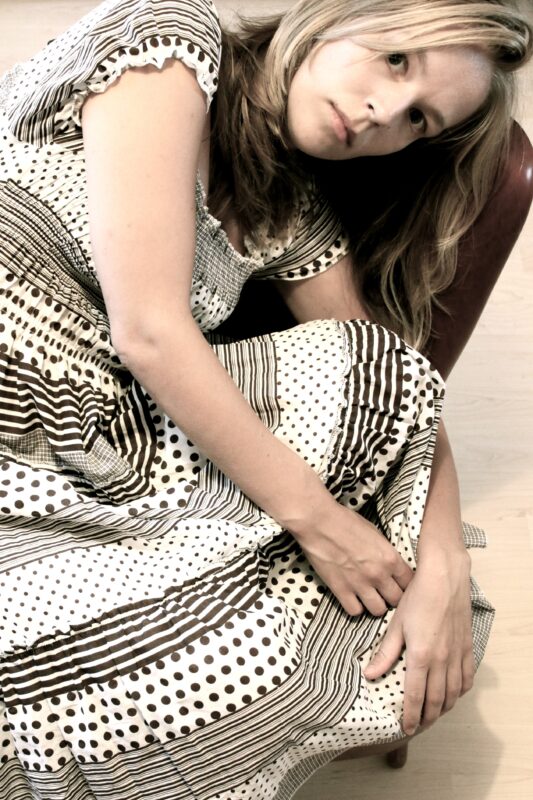
Lotte van Dijck

(1979) is a musical jack-of-all-trades, who has been singing and playing her own songs since she was eleven years old. She accompanies herself on such varied instruments as the piano, banjo, ukelele and guitar. One of her latest big projects is Muzikaal Verhaal (Musical Story), a series of family shows in the Rotterdam Doelen concert hall. She composed the music, played by the Rotterdam Philharmonic Orchestra, but wrote the stories as well, read by Anneke Blok and Wilfried de Jong, among others. In September 2010 her first solo album Lege plaatsen in de stad (Empty places in town) appeared, with seemingly innocent songs about daily life. Together with Ellen Kromhout she made PrivéCarré, a mini performance in a self-constructed theatre on wheels. With it she performed at Oerol and the Amsterdam Fringefestival in the summer of 2010. One part of the duo Kirke she won the big prize of the Netherlands in 1997 in the category singer-songwriter. Lotte van Dijck composed film music for amongst others Sextet by Eddy Terstal and Jongens zijn we (We are boys) by Tomas Kaan.
20101124100842

Thomas Möhlmann

(1975) in his poetry shows a fascination for the unknown and the impalpable. The title of his debut De vloeibare jongen (The liquid boy; 2005) is revealing in that respect. Nothing is what it seems, characters melt into one another, a boy dissolves into water and washes away with the river. In his second volume Kranen open (Taps open; 2009) too, Möhlmann allows his fantasy to run free. Strikingly, turns of phrase or motives of one poem sometimes literally return in another. Möhlmann studied Dutch language and literature, organised readings in the literary theatre Perdu and was co-founder of the poetry magazine Zanzibar and the literature site www.literairnedeland.nl. Right now he works with the Dutch Literature Fund as a policy advisor for poetry and is on the board of the poetry magazine Awater. Möhlmann edited several volumes with work by other poets, most notably Dit zijn de daden waar ik mens voor was – De mooiste gedichten van Martinus Nijhoff (These are the deeds I was a human being for – the most beautiful poems of Martinus Nijhoff; 2008). In 2007 the anthology Geboorte in meer dan 50 gedichten (Birth in more than 50 poems) appeared with Uitgeverij Van Gennep.
20101117095647

Catherine van Campen

(1970) makes radio and television programmes about subjects that touch her personally. Such as Drona & ik (Drona & Me), a film portrait of a nine year old autistic boy, seen through the eyes of his elder brother of twelve. Often children play a role in her work. Van Campen succeeds in building a lot of tension, as she did in Van de Wolven. Tsjetsjeens fotoalbum in geluid (Of Wolves, Chechnian Photo Album in Sound) in which a sniper keeps aiming his gun at a mother and child for a long time. The director likes to shift her boundaries, but sometimes chooses subjects which are very close to herself. An example of this is Terreur in de kerk (Terror in the Church) on the intricacies in a monastery where he father retires for a while. With Eeuwige Moes (Eternal Mash), a portrait of a Dutch vegetable grower who decides to emigrate to Sweden internationally had a lot of success. Van Campen studied history and worked for several Dutch networks duch as NMO, NPS, Radio Noord-Holland and VPRO. Since 2003 she has been part of Desmet, a radio collective founded by herself, among others. Her work has received various prizes at home and abroad.

Discover

20 May 2026

Get your 2027 tickets!

Get your Early Bird tickets for the big festival nights, Friday & Saturday Night Unlimited!